
Are You Looking for an Online Autism Treatment & Speech Therapy Centre in Edmonton?
Finding the right support for speech, communication, learning, behaviour, sensory needs, or hearing can be difficult when families are unsure which service their child actually needs. An online model can make professional guidance more accessible, particularly for families in Edmonton who want therapy to fit around school, work, transportation, and daily routines. The Online Autism Treatment & Speech Therapy Centre in Edmonton approach brings several related services together so that therapy is not treated as a collection of unrelated appointments. Speech therapy can address communication and language, while autism-focused intervention, academic support, occupational therapy, CBT, and hearing-related care can address other areas affecting development and participation. Hope Centre for Speech Therapy and Autism Treatment provides a coordinated range of services designed around individual needs. The aim is practical progress: helping children communicate more effectively, participate in learning, develop useful daily skills, and build confidence at home, school, and in the community.
Edmonton families also benefit from understanding how therapy fits within the wider Canadian support system. Schools, family physicians, audiologists, psychologists, speech-language pathologists, occupational therapists, and other professionals may each contribute important information, depending on the child's needs. Therapy should therefore begin with appropriate assessment rather than assumptions based only on a diagnosis or a single behaviour. Hope Centre focuses on individualized intervention and works toward functional goals that can be practiced beyond the therapy session. Online sessions can also give parents opportunities to observe strategies and apply them during everyday routines. Whether a child has difficulty producing sounds, understanding language, managing sensory input, completing academic tasks, regulating emotions, or hearing clearly, choosing the appropriate professional support is an important first step. The following sections explain the major services and what families can reasonably expect from evidence-informed care.
What Is Speech Therapy, and What Symptoms Can It Treat?
Speech therapy is a clinical service that helps people improve communication, speech, language, voice, fluency, and related swallowing skills when appropriate. Children may need a speech-language assessment when they have difficulty understanding instructions, using age-appropriate vocabulary, forming sentences, answering questions, producing certain sounds, maintaining a conversation, or communicating their needs. Some children have speech sound disorders, language disorders, stuttering, or social communication difficulties, while others have communication challenges associated with autism or another developmental condition. A speech-language pathologist assesses the individual's abilities and identifies specific areas requiring support before treatment begins. Speech therapy treatment may include language-building activities, articulation practice, fluency strategies, social communication work, and parent-supported exercises. Hope Centre provides individualized speech therapy designed around functional communication goals, helping families work on skills that matter in everyday situations rather than relying on a one-size-fits-all programme.



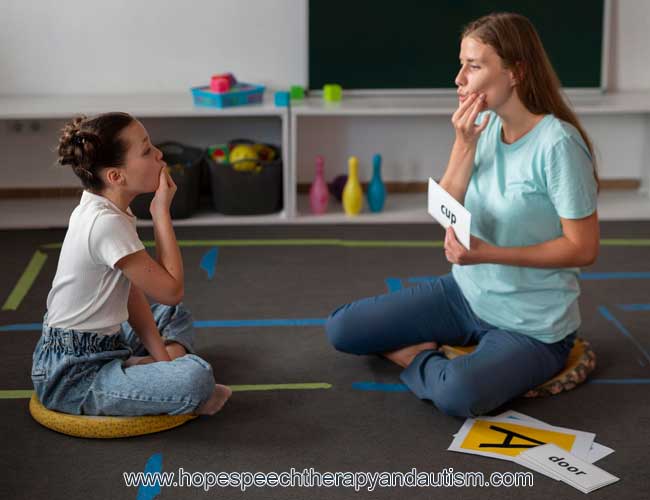
Early attention can be valuable because communication difficulties may affect friendships, classroom participation, behaviour, and independence. However, there is no single age at which every child must speak in the same way, so concerns should be considered in the context of development and individual circumstances. Online speech therapy can be particularly useful when the child can engage through a suitable device and when a parent or caregiver can support activities between sessions. Hope Centre's approach can include structured therapy sessions, caregiver guidance, and practical communication strategies that can be incorporated into home routines. For Edmonton families searching for speech therapy services, the key is not simply finding frequent sessions but finding an approach that identifies the underlying communication difficulty, establishes measurable goals, and reviews progress over time. Consistent practice, realistic expectations, and collaboration between therapists and caregivers can make therapy more meaningful and sustainable.
What Is Autism, and What Are Its Symptoms and Treatment Options?
Autism spectrum disorder is a neurodevelopmental condition associated with differences in social communication and interaction, along with restricted or repetitive behaviours, interests, or activities. Characteristics vary considerably from one person to another. A child may have difficulty with back-and-forth communication, interpreting social cues, adjusting to changes, or using language socially, while another child may have stronger communication skills but experience significant sensory or behavioural challenges. Repetitive movements, highly focused interests, preference for predictable routines, and unusual responses to sensory experiences can also occur. Autism is not identified from one symptom alone; assessment considers developmental history and observed characteristics, and qualified professionals may be involved in diagnosis. Autism treatment generally focuses on supporting communication, adaptive functioning, learning, participation, and quality of life rather than trying to change a person's identity. Hope Centre provides individualized autism therapy that targets practical skills and uses structured strategies suited to the child's developmental profile.


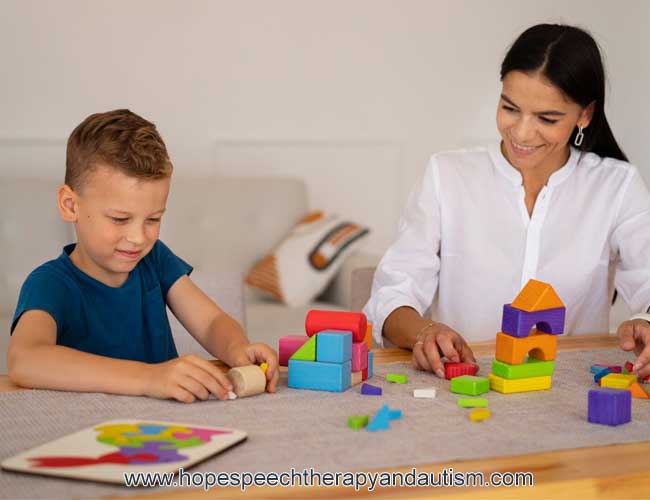

Effective autism support depends on the person's individual strengths, communication style, learning needs, and daily environment. Intervention may include speech and language support, behavioural strategies, social communication practice, occupational therapy, academic intervention, emotional regulation strategies, and caregiver coaching. There is no medication that cures autism, and responsible therapy should not promise a cure. Instead, meaningful treatment focuses on helping the individual gain skills and greater independence while respecting their needs. Hope Centre's autism treatment services can connect communication, learning, sensory, and behavioural goals so that progress in one area can support another. For families in Edmonton, online care can provide continuity when attending multiple in-person appointments is difficult. Parents can also learn how to reinforce communication and self-regulation strategies during ordinary routines. Regular assessment of goals and progress helps ensure that intervention remains relevant as the child's abilities and priorities change.
What Are Special Education and Academic Therapy, and Who Can Benefit?
Special education provides individualized educational support for learners whose disabilities or learning needs affect access to the standard classroom experience. Academic therapy is more targeted than ordinary homework help and may focus on underlying difficulties affecting reading, writing, spelling, mathematics, attention, organization, or learning strategies. A child may understand a concept verbally but struggle to demonstrate it in written work, or may require additional structure to process instructions and complete assignments. Proper assessment helps identify the skills creating the academic barrier. In Edmonton, educational planning may involve families, schools, teachers, and other professionals, with supports determined according to the student's individual circumstances and applicable provincial education processes. Hope Centre provides academic support that can be aligned with the learner's abilities and current educational demands. The purpose is to build practical academic skills while improving confidence and helping the student become more independent in learning.




Academic intervention is often most useful when it is specific about what the learner is struggling with instead of simply increasing the amount of schoolwork. For example, a student with reading difficulties may need explicit work on decoding and reading fluency, while another learner may need support with written organization or mathematical reasoning. Children with autism may also benefit from predictable routines, visual supports, task breakdown, and individualized instruction when these strategies match their learning profile. Hope Centre can provide structured academic therapy that works alongside other developmental services rather than treating school performance in isolation. Online sessions can allow therapists and parents to observe the learner's work directly and identify where support is needed. The goal is measurable improvement in relevant academic skills and greater ability to approach classroom tasks with less frustration. Families should also maintain communication with the child's school so therapeutic goals complement, rather than replace, educational accommodations and supports.
What Is Occupational Therapy and Sensory Integration Therapy, and How Can It Help?
Occupational therapy helps people develop or maintain the skills needed for everyday activities, participation, learning, and independence. For children, this can involve fine-motor abilities, handwriting, dressing, feeding-related skills, play, coordination, attention to tasks, and other functional activities. Some children also experience sensory processing differences, meaning they may respond unusually strongly or weakly to sounds, textures, movement, touch, or other sensory experiences. Sensory integration approaches are used by occupational therapists to address functional difficulties associated with sensory processing, although they should be selected according to individual assessment rather than applied simply because a child dislikes a particular sensation. Hope Centre provides occupational therapy and sensory-focused support with attention to functional goals. For an Edmonton family, the most useful plan is one that connects sensory and motor strategies to real activities, such as participating in school routines, completing self-care tasks, managing transitions, or staying engaged during learning.
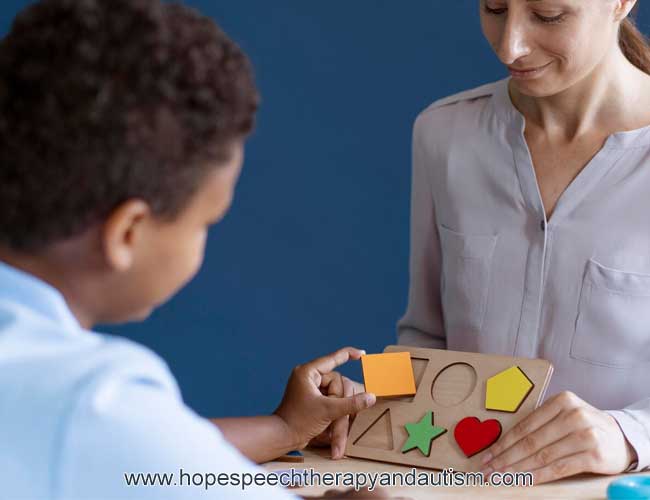
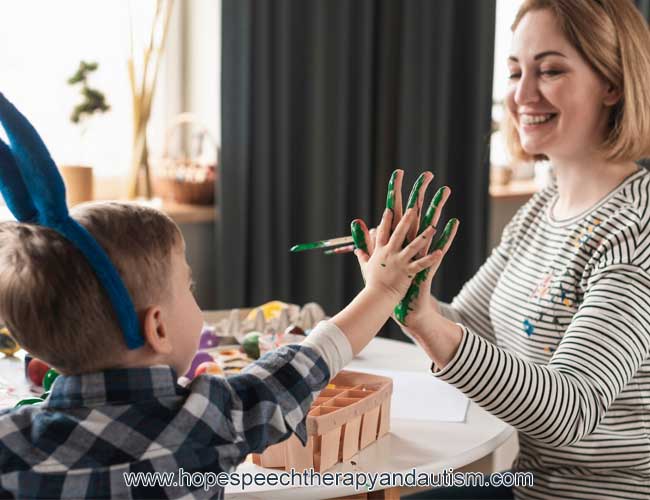


Signs that occupational therapy may be worth discussing include persistent difficulty with fine-motor tasks, handwriting, dressing, using utensils, coordinating movements, tolerating everyday sensory experiences, or completing age-appropriate routines. The presence of one of these signs does not automatically mean a child needs occupational therapy, so assessment is important. Treatment should identify the activities that are actually being affected and determine which strategies can improve participation. Hope Centre can incorporate individualized exercises, environmental strategies, caregiver education, and functional practice where appropriate. Online occupational therapy can also be useful for coaching parents in adapting routines and supporting skills within the child's natural environment, although some hands-on assessments or interventions may require in-person care depending on the situation. The centre's role is to help families understand what is driving a functional difficulty and develop practical strategies that support independence rather than focusing only on isolated exercises.
What Is CBT, and When Can Cognitive Behavioral Therapy Help?
Cognitive Behavioral Therapy, commonly called CBT, is a structured psychological treatment that explores connections between thoughts, emotions, and behaviours. It is used for several concerns, including anxiety and other emotional or behavioural difficulties, when a qualified professional determines that CBT is appropriate. In children and adolescents, CBT may involve teaching them to recognize emotional patterns, understand unhelpful thoughts, develop coping strategies, and gradually practice new responses to challenging situations. The approach is not simply about telling a child to think positively; effective CBT uses specific therapeutic techniques and skills that are practiced over time. For children with autism, CBT may sometimes be adapted to their communication, cognitive, and developmental needs, particularly when anxiety or emotional regulation is a concern. Hope Centre provides CBT-oriented support with an individualized focus, helping children develop practical coping and problem-solving skills that can be used in school, family, and social situations.




CBT is most effective when therapy goals are specific and the child can understand and practice the strategies being taught. Depending on age and developmental level, sessions may use visual materials, examples from daily life, role-play, relaxation techniques, gradual exposure, problem-solving exercises, and caregiver involvement. Parents can play an important role by reinforcing skills between sessions and helping the child use them consistently. Hope Centre's approach can be adapted to the learner rather than expecting every child to respond to the same format. For Edmonton families considering online CBT, a suitable assessment should first establish whether CBT matches the child's needs and whether online delivery is practical. The objective is to develop useful coping skills and improve functioning, not to label ordinary emotions as problems. When combined appropriately with speech, occupational, academic, or autism-focused support, psychological intervention can become part of a broader and coordinated care plan.
What Is Hearing Aid Treatment, and How Can You Find the Best Hearing Aid Centre in Edmonton?
Hearing aid treatment is used to improve access to sound for people with hearing loss when hearing aids are clinically appropriate. Hearing loss can affect speech and language development, communication, classroom participation, social interaction, and daily safety, particularly when it occurs during childhood. Signs may include frequently asking others to repeat themselves, difficulty following conversations, increasing volume on devices, inconsistent responses to spoken instructions, or delayed speech and language development. However, these signs can have different causes, so a proper hearing assessment is essential before selecting a hearing device. Audiologists assess hearing levels and may recommend hearing aids or other hearing technologies based on the type and degree of hearing loss. Hope Centre recognizes the close relationship between hearing and communication and can help families connect hearing-related needs with broader speech and developmental support. For Edmonton families, appropriate hearing care should involve qualified professionals, accurate testing, suitable device selection, fitting, and ongoing follow-up rather than simply purchasing a hearing aid.


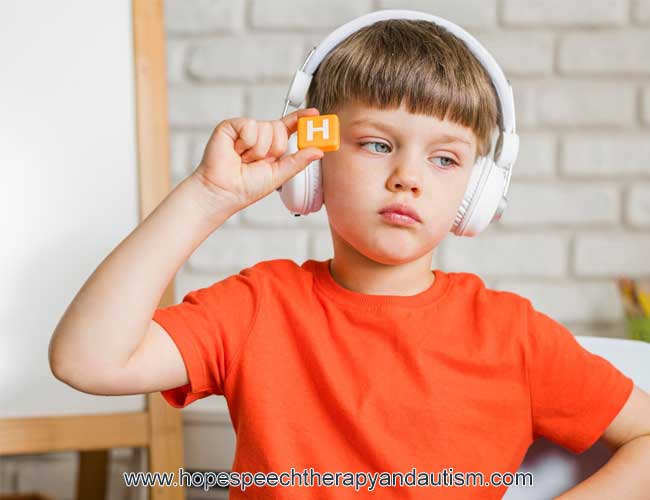

Hearing technology can be particularly important for children because consistent access to speech sounds supports communication and learning, although the appropriate intervention depends on the child's hearing profile. Hearing aids require proper programming and follow-up, and children may need regular hearing checks as they grow. If a child already has hearing loss and also experiences speech or language difficulties, coordinated support can help address both areas instead of assuming that speech therapy alone will resolve the communication problem. Hope Centre can support families by integrating communication-focused intervention with awareness of hearing needs and by encouraging appropriate professional assessment when hearing concerns are present. Online sessions may help with communication strategies and caregiver education, while audiological testing and hearing-aid fitting generally require appropriate clinical services. Choosing the best hearing aid centre therefore means looking for qualified hearing professionals, reliable assessment, individualized recommendations, and ongoing support after fitting.
Are You Ready to Choose the Right Online Therapy Support in Edmonton?
Children and adults do not all require the same combination of services, and a diagnosis alone does not determine the right therapy plan. Speech and language difficulties may call for speech-language intervention, while autism-related needs may involve communication, behavioural, academic, sensory, and daily-living support. Occupational therapy can address functional and sensory challenges, CBT can support emotional and behavioural skills when clinically appropriate, academic therapy can strengthen specific learning needs, and hearing care can address hearing loss that may affect communication. The value of an integrated centre is that families can consider these needs together instead of treating each difficulty as completely separate. Hope Centre for Speech Therapy and Autism Treatment offers a broad range of developmental and therapeutic services with an individualized approach. For families searching for an Online Autism Treatment & Speech Therapy Centre in Edmonton, the next step is to discuss the individual's concerns, assessment needs, goals, and the suitability of online therapy with the centre.
Getting support does not have to mean waiting until a difficulty becomes more disruptive at home or school. A thoughtful assessment can clarify what is happening, identify realistic goals, and determine which services are most relevant. Families can then build a therapy plan around measurable progress and everyday participation. Hope Centre is committed to providing structured support that helps clients develop communication, learning, emotional, sensory, and functional skills in ways that are meaningful to their daily lives. If you are looking for professional guidance in Edmonton, connect with Hope Centre for Speech Therapy and Autism Treatment to discuss your concerns and explore an individualized online therapy plan. Taking that first step can help turn uncertainty into a clearer, practical path forward.