
Are You Looking for an Online Autism Treatment & Speech Therapy Centre in Winnipeg?
Are you searching for an Online Autism Treatment & Speech Therapy Centre in Winnipeg that can bring several developmental supports together in one care plan? For many families, the challenge is not finding information; it is knowing which service fits a child’s actual needs and how different therapies should work together. Winnipeg families can access public pathways such as Manitoba’s Children’s Therapy Initiative and Children’s disABILITY Services, while private therapy can provide additional flexibility. A strong plan should be based on assessment, measurable goals, regular progress review, and practical strategies that carry into home and school life. This guide explains speech therapy, autism support, special education, occupational and sensory integration therapy, CBT, and hearing aid treatment in plain language. It also explains how Hope Centre for Speech Therapy and Autism Treatment can support families seeking coordinated, individualized care in Winnipeg.
What Is Speech Therapy, and What Symptoms Can It Treat?
Speech therapy helps children and adults communicate more effectively when speech, language, voice, fluency, or social communication is affected. Common concerns include unclear speech sounds, delayed vocabulary, difficulty understanding instructions, trouble forming sentences, stuttering, voice difficulties, and problems using language appropriately in social situations. Manitoba’s Children’s Therapy Initiative identifies speech-language pathology as a service for children and notes that speech-language professionals address speech sounds, receptive and expressive language, social language, voice, oral motor control, and stuttering. The right treatment begins with assessment rather than assuming that every communication delay has the same cause. Goals may focus on pronunciation, vocabulary, sentence development, conversation, comprehension, or functional communication. For families looking for speech therapy in Winnipeg, online sessions can also make regular practice easier when travel, school schedules, or other commitments create barriers.

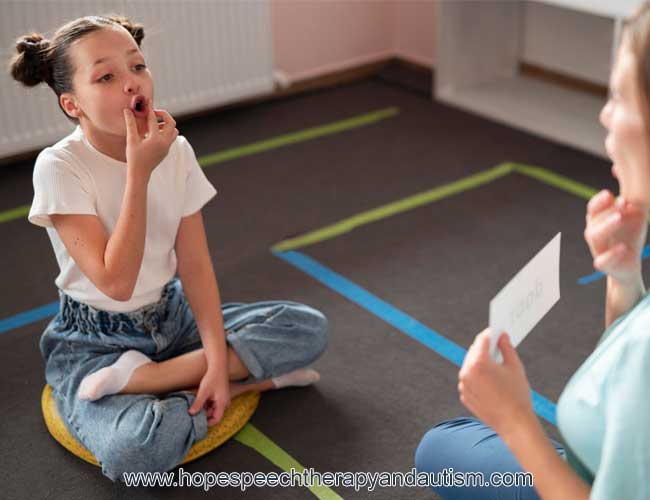
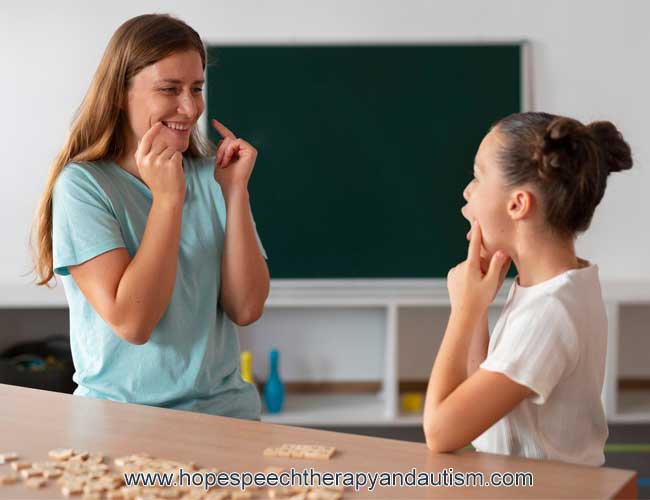
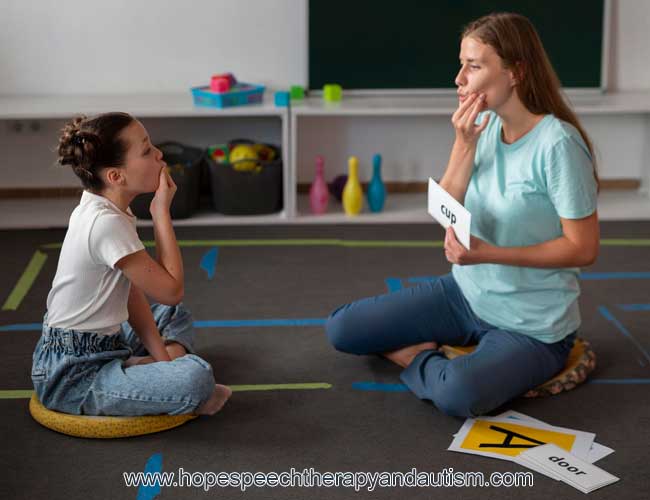
At Hope Centre for Speech Therapy and Autism Treatment, speech support can be organized around functional communication instead of isolated exercises. A child may practise requesting, answering questions, following directions, describing events, participating in conversations, or producing difficult sounds depending on the assessment findings. Parents can be shown practical activities that fit naturally into meals, play, reading, and everyday routines, helping therapy skills transfer beyond the session. For children with autism, speech therapy may also address alternative communication methods when spoken language is limited, while children with broader language delays may need structured support for comprehension and expression. Families seeking an Online Autism Treatment & Speech Therapy Centre in Winnipeg can benefit from a coordinated approach where communication goals are considered alongside learning, sensory, behavioural, and social needs.
What Is Autism, and What Symptoms and Treatments Should Families Understand?
Autism spectrum disorder is a neurodevelopmental condition associated with differences in social communication and interaction, together with restricted or repetitive behaviours, interests, or activities. Signs can vary substantially between individuals. Some children may have delayed spoken language, limited reciprocal conversation, repetitive movements, intense interests, difficulty with changes in routine, or unusual responses to sounds, textures, lights, or other sensory experiences. Autism is not something that should be diagnosed from one behaviour alone; a qualified assessment considers developmental history, communication, behaviour, adaptive functioning, and other relevant information. Manitoba’s Children’s disABILITY Services recognizes autism spectrum disorder among conditions that may qualify children for support, and its early intervention services include communication, socialization, self-help, cognitive, and motor development. Early, individualized intervention can help children build useful skills without treating autism as something that must be “cured.”
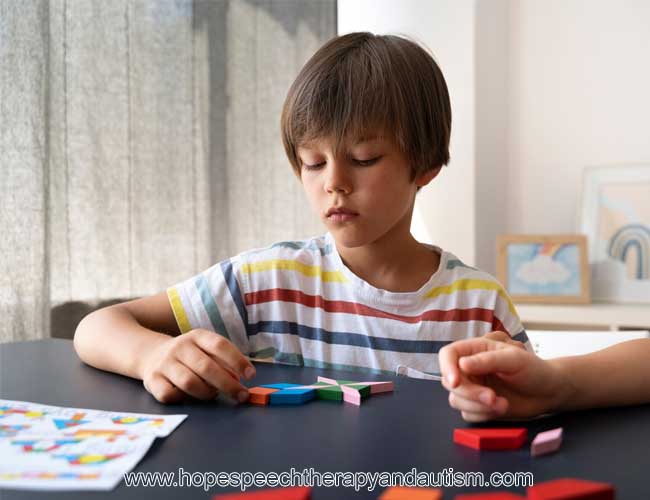
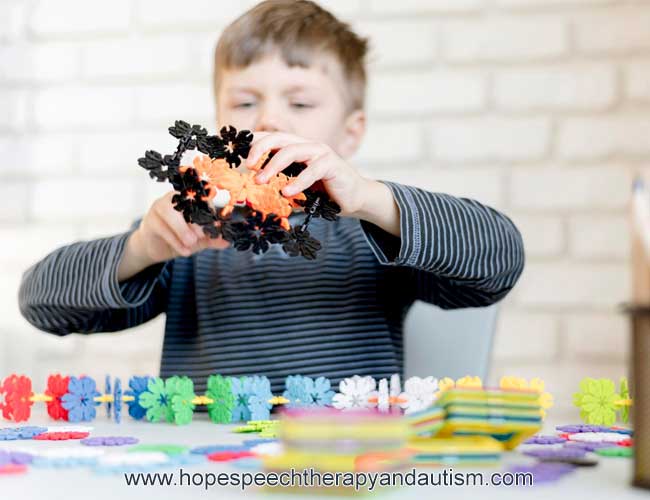
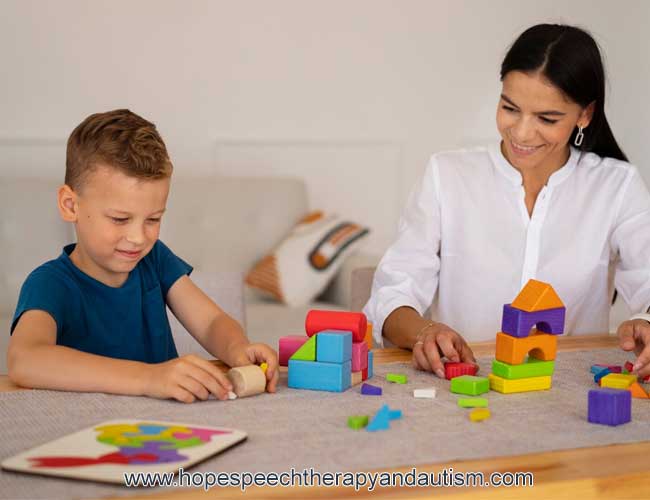
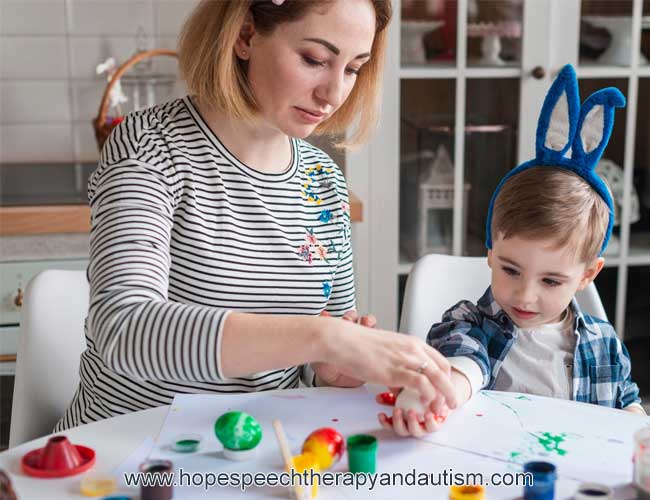
Effective autism treatment should be individualized rather than based on a fixed package of exercises. Depending on the child’s profile, support may include speech-language therapy, behavioural intervention, occupational therapy, social communication work, academic support, parent coaching, and strategies for daily living. Hope Centre for Speech Therapy and Autism Treatment can bring these areas together around specific goals, such as improving communication, increasing independence, strengthening classroom participation, or developing coping strategies for challenging situations. In Winnipeg, families may also need to understand how private therapy relates to publicly funded services and school-based supports. A coordinated plan can reduce duplication and make it easier for parents, therapists, educators, and other professionals to work toward consistent goals. The focus should remain on meaningful progress, participation, independence, and the child’s quality of life.
What Is Special Education and Academic Therapy, and When Can Children Benefit?
Special education provides individualized educational support when a student needs adaptations, modifications, specialized instruction, or individualized programming to access learning effectively. Academic therapy is more targeted and may address specific difficulties with reading, writing, spelling, mathematics, attention to academic tasks, or learning strategies. In Manitoba, school teams may use an Individual Education Plan when a student requires individualized outcomes or significant programming adjustments, with parents included in the planning process. This distinction matters because academic difficulty does not automatically mean a child needs the same type of support as another learner. A proper review considers current skills, classroom performance, learning barriers, communication abilities, and the strategies that have already been attempted. For Winnipeg families, private academic support can complement school planning by giving children additional structured practice while helping parents understand how learning goals can be reinforced at home.
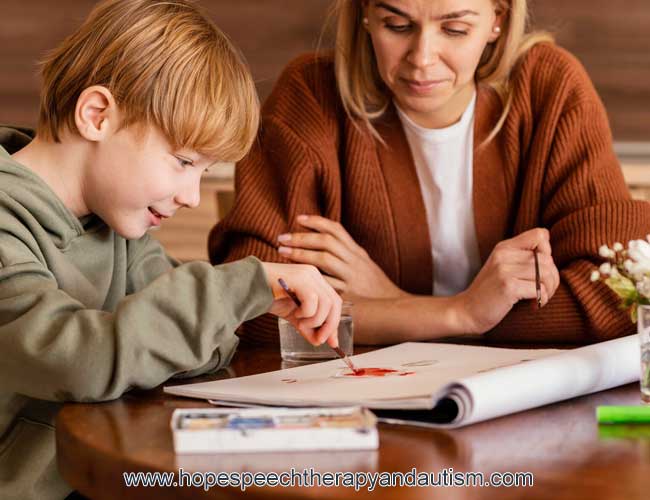
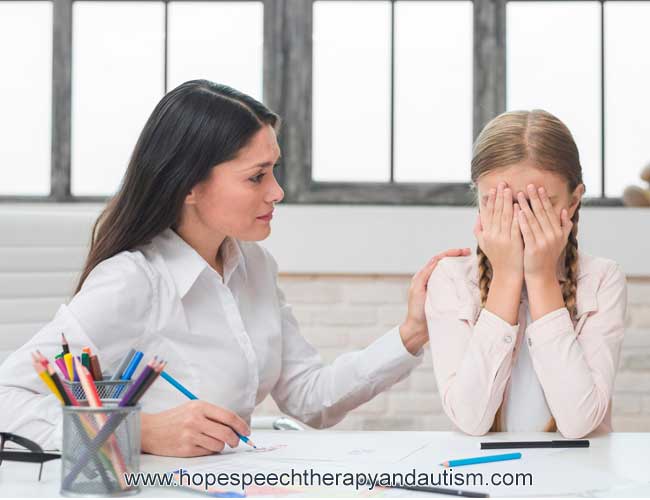
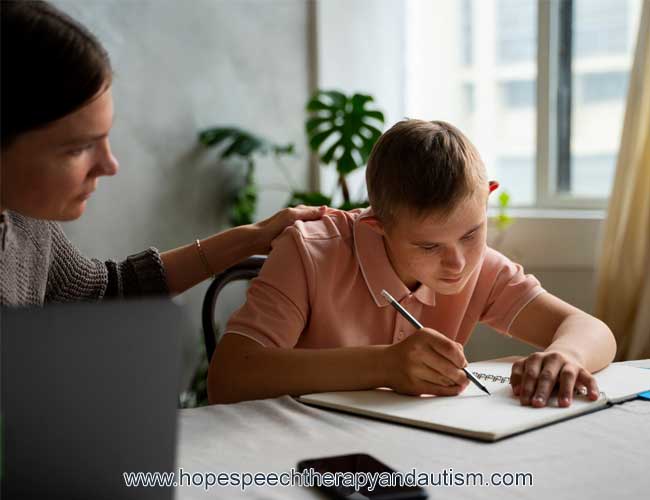
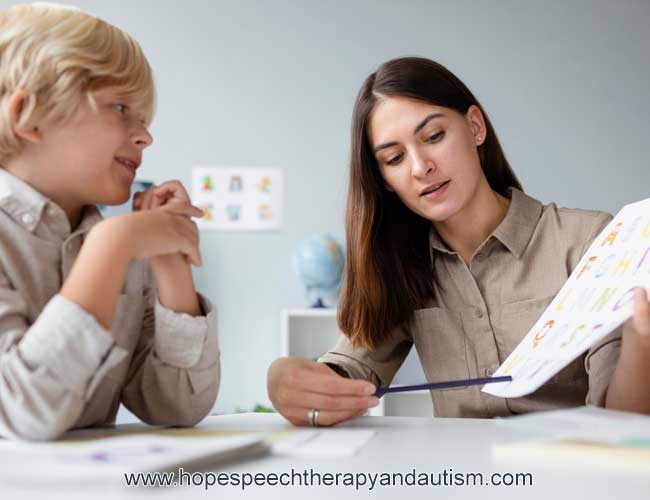
Hope Centre for Speech Therapy and Autism Treatment can support academic development by connecting learning goals with communication, attention, behaviour, and developmental needs. A child who struggles to read may need more than repeated reading practice if language processing, attention, working memory, or comprehension is also affecting performance. Academic therapy can therefore use structured teaching, repetition, visual supports, task breakdown, and progress monitoring according to the learner’s needs. The aim is not simply to complete homework but to build skills that make learning more independent. For students with autism or developmental differences, coordination between academic goals and other therapies can be particularly useful. Parents should continue communicating with the school team, because private academic therapy does not replace the school’s responsibilities or an Individual Education Plan when one is required.
What Is Occupational Therapy and Sensory Integration Therapy, and When Is It Needed?
Occupational therapy helps people participate more successfully in everyday activities, while pediatric occupational therapy often focuses on skills such as fine motor control, self-care, feeding, play, visual-motor abilities, regulation, and sensory processing. Sensory integration therapy is used within occupational therapy approaches to help some children respond more effectively to sensory information, although treatment should be based on an individual assessment rather than assuming that every unusual sensory response requires sensory integration therapy. Manitoba’s Children’s Therapy Initiative identifies occupational therapy areas including fine motor skills, feeding and oral motor skills, sensory processing, cognitive and perceptual skills, social skills, self-care, play, and vision. Signs that may justify an assessment can include significant difficulty with dressing, handwriting, using utensils, participating in play, tolerating everyday sensory experiences, or completing age-appropriate routines. The goal is practical participation, not simply exposure to sensory activities.
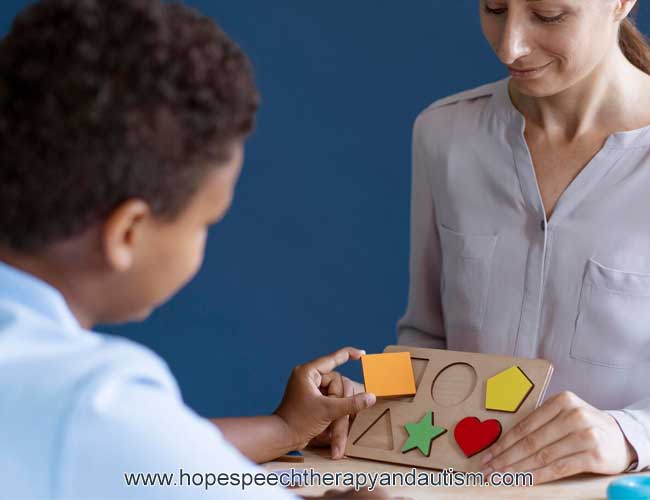
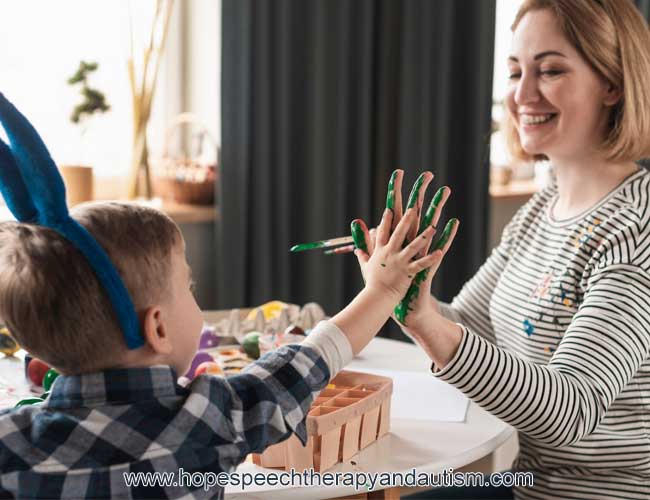

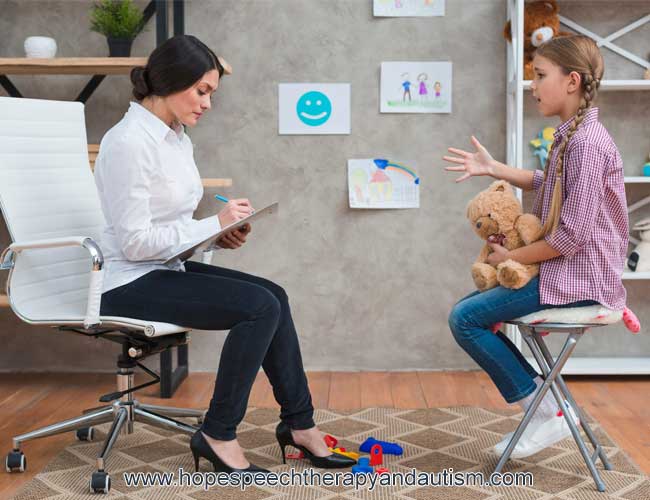
At Hope Centre for Speech Therapy and Autism Treatment, occupational therapy can be used to connect developmental goals with real-life routines. For example, therapy may work on sitting and attending during learning, improving pencil control for classroom tasks, building independence with dressing, or developing strategies that help a child participate in meals and play. Sensory concerns can also be considered alongside communication and behaviour instead of being treated as a separate issue. For families looking for an Online Autism Treatment & Speech Therapy Centre in Winnipeg, the therapist can help identify which activities can be practised safely at home and which goals require direct clinical intervention. Progress should be judged through functional changes, such as greater independence, improved participation, or better tolerance of everyday activities, rather than by the number of sensory exercises completed.
What Is CBT – Cognitive Behavioral Therapy, and Who Can Benefit From It?
Cognitive Behavioral Therapy, commonly called CBT, is a structured psychological approach that examines connections between thoughts, emotions, behaviours, and situations. It is commonly used for concerns such as anxiety, low mood, fears, avoidance, stress, and difficulties with emotional regulation. CBT does not mean telling a child to “think positively”; effective therapy teaches practical skills for recognizing patterns, managing emotional responses, changing unhelpful behaviours, and gradually approaching appropriate challenges. For children with autism, CBT may be adapted to their communication level, learning style, developmental stage, and specific concerns. Symptoms such as excessive worry, strong avoidance, difficulty coping with changes, or anxiety around social and everyday situations may warrant professional assessment. Treatment should be provided by an appropriately qualified professional and should be based on the individual’s needs rather than applying a standard program to every child.

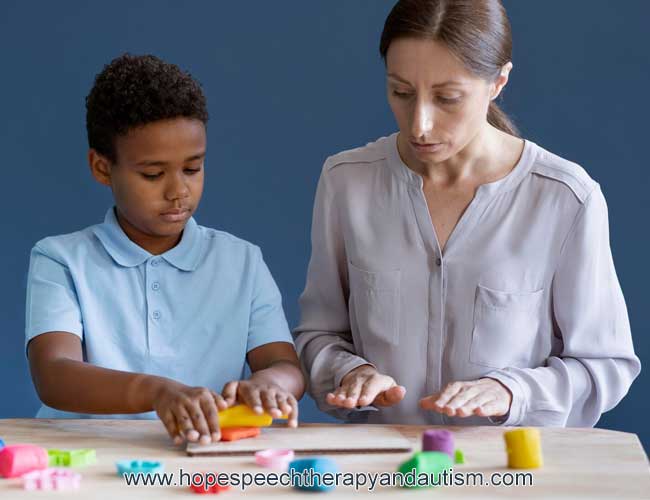
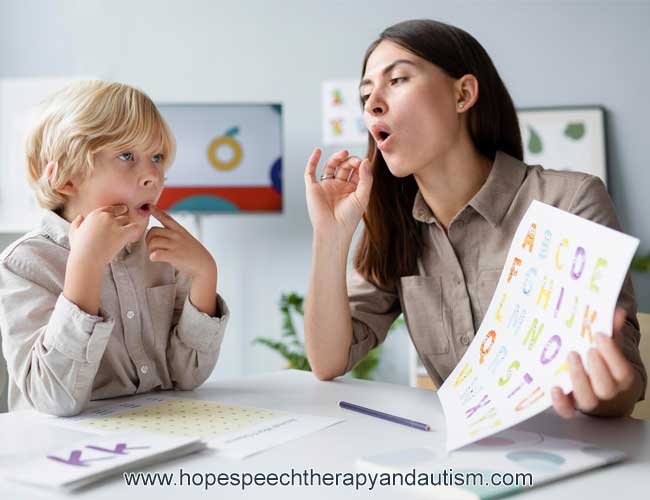
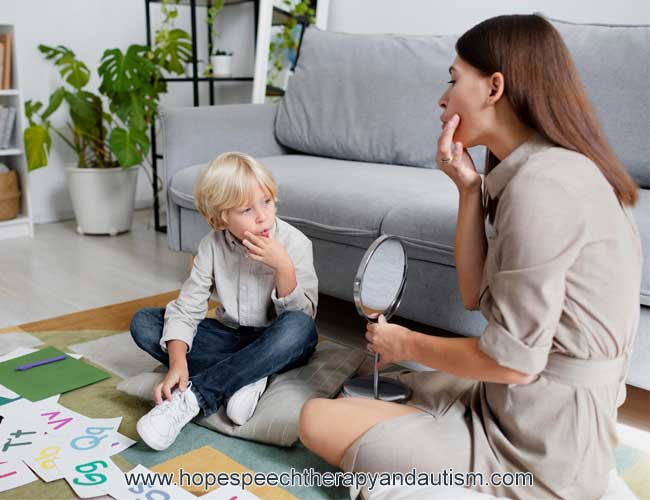
Hope Centre for Speech Therapy and Autism Treatment can incorporate CBT principles into individualized support when emotional or behavioural concerns are interfering with communication, learning, relationships, or daily routines. Sessions can focus on identifying triggers, recognizing emotional signals, practising coping strategies, building flexible responses, and developing realistic ways to handle difficult situations. For children, parents may also receive guidance so that the same strategies can be reinforced consistently at home. Online therapy can be useful for some families when the child can engage appropriately through a secure virtual format, although the suitability of online treatment should be decided by the treating professional. When CBT is combined with speech therapy, autism intervention, occupational therapy, or academic support, the overall plan can address both the skill a child is struggling with and the emotional barriers that make that skill harder to develop.
What Is Hearing Aid Treatment, and What Is the Best Hearing Aid Centre in Winnipeg?
Hearing aid treatment begins with identifying and assessing hearing loss; a hearing aid does not cure the underlying cause of hearing loss, but it can make sounds more accessible when appropriately prescribed and fitted. Children with hearing difficulties may show signs such as inconsistent responses to speech, difficulty following verbal instructions, unclear speech, frequent requests for repetition, or challenges understanding conversation in noisy environments. Audiological assessment is important because communication difficulties can sometimes overlap with speech, language, developmental, or learning concerns. Manitoba provides a Children’s Hearing Aid Program for eligible residents under 18 who require a hearing aid prescribed by an otolaryngologist or audiologist. The program provides reimbursement according to its current eligibility and coverage rules. For families in Winnipeg, hearing support should therefore involve appropriate assessment, device selection, fitting, follow-up, and communication planning rather than simply purchasing a device.
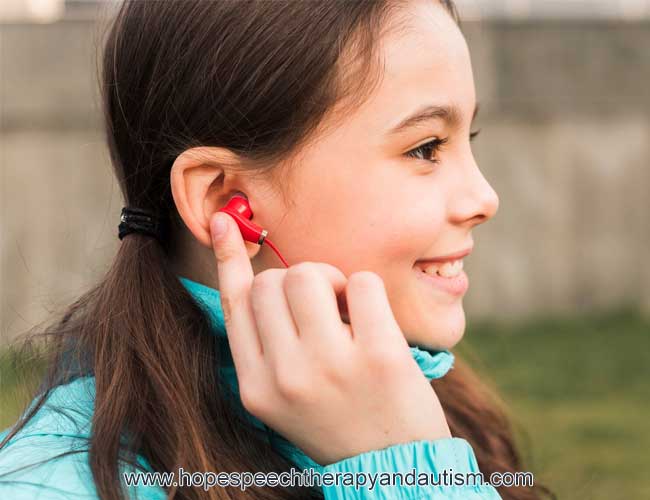
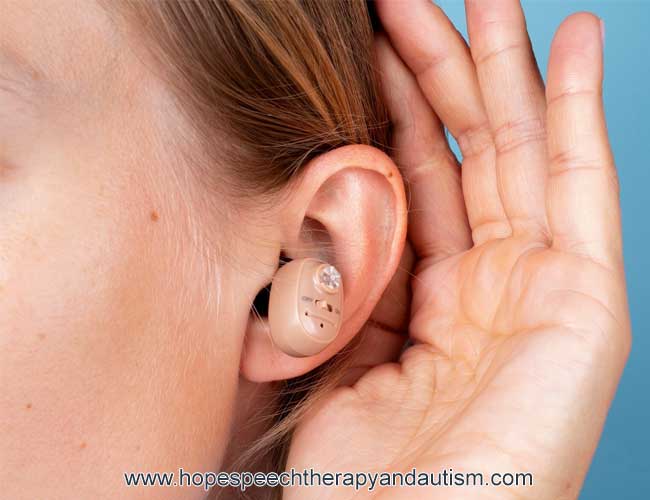
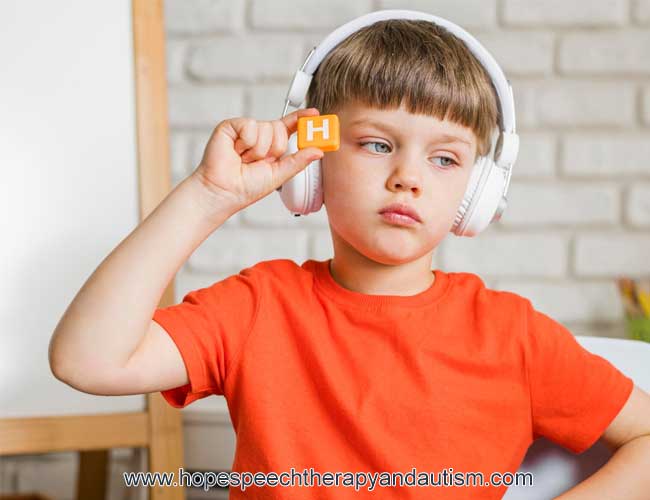

Hope Centre for Speech Therapy and Autism Treatment can help families understand how hearing and communication concerns may interact with speech, language, learning, and developmental needs. When hearing loss is suspected, appropriate audiological assessment and professional referral should come first, while speech-language support can address communication skills that may have been affected by reduced access to sound. This integrated perspective is especially important for children, because consistent access to communication supports can influence participation at home and school. Families comparing a Hearing Aid Treatment Centre in Winnipeg should look beyond the device itself and consider assessment, fitting, follow-up, communication support, and coordination with other professionals. A suitable plan should be based on documented hearing needs and the recommendations of qualified hearing professionals.
Are You Ready to Choose the Right Therapy Support in Winnipeg?
Choosing therapy is not simply about finding the centre with the longest list of services. The better question is whether the provider can understand the individual, set meaningful goals, measure progress, and coordinate support when several developmental needs overlap. Speech and language, autism intervention, academic learning, occupational therapy, CBT, and hearing support can each address different parts of a child’s development, but they are most useful when the overall plan remains practical and consistent. Hope Centre for Speech Therapy and Autism Treatment aims to provide families with individualized guidance and therapy focused on functional progress. If you are looking for an Online Autism Treatment & Speech Therapy Centre in Winnipeg, contact Hope Centre to discuss your concerns, assessment needs, and suitable therapy options. Starting with the right evaluation can make the next steps clearer for both the child and the family.