
Are You Looking for an Online Autism Treatment & Speech Therapy Centre in Wellington?
Finding the right developmental support can make a meaningful difference when a child is struggling with communication, learning, behaviour, sensory regulation or everyday activities. An Online Autism Treatment & Speech Therapy Centre in Wellington can give families access to structured professional support without making every appointment dependent on travelling across the city. Wellington families can also benefit from New Zealand’s wider learning-support system, where speech-language therapists, occupational therapists, psychologists, specialist teachers and other professionals may work together according to a child’s needs. The Ministry of Education recommends discussing communication and learning concerns with a teacher or healthcare provider so that appropriate support can be considered. For children with communication difficulties, speech-language support can address areas such as unclear speech, language development, following instructions, conversation and participation in groups. Hope Centre for Speech Therapy and Autism Treatment builds on this multidisciplinary approach by providing accessible therapy designed around the individual rather than using one standard programme for every child.
For families searching for online autism therapy in Wellington, convenience should not mean compromising on professional guidance or meaningful goals. A well-planned programme should begin with understanding the child’s current communication, learning, sensory, behavioural and functional abilities before deciding what intervention is appropriate. Online sessions can be particularly useful when families need continuity, parent coaching and regular professional guidance from home. They can also complement local services rather than replacing medical, educational or specialist assessments when those are required. Hope Centre for Speech Therapy and Autism Treatment focuses on practical progress, helping families understand what therapy is targeting and how strategies can be continued between sessions. Whether the concern involves speech delay, autism-related communication differences, academic difficulties, sensory challenges, emotional regulation or hearing support, the aim is to connect therapy with everyday life and help the child participate more confidently at home, school and in the wider Wellington community.
What Is Speech Therapy, What Are the Symptoms, and How Is It Treated?
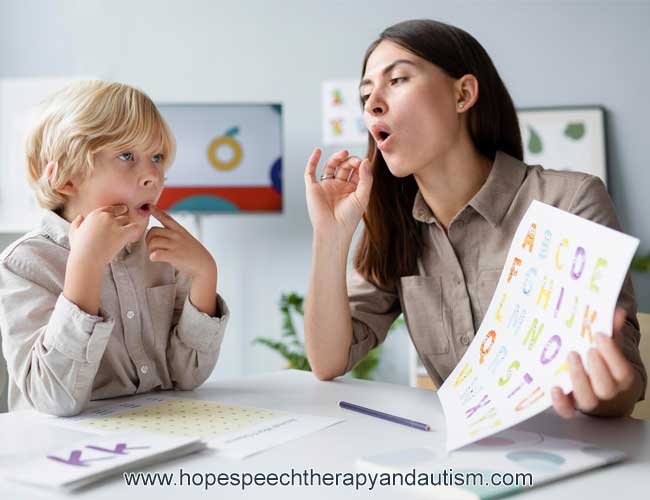
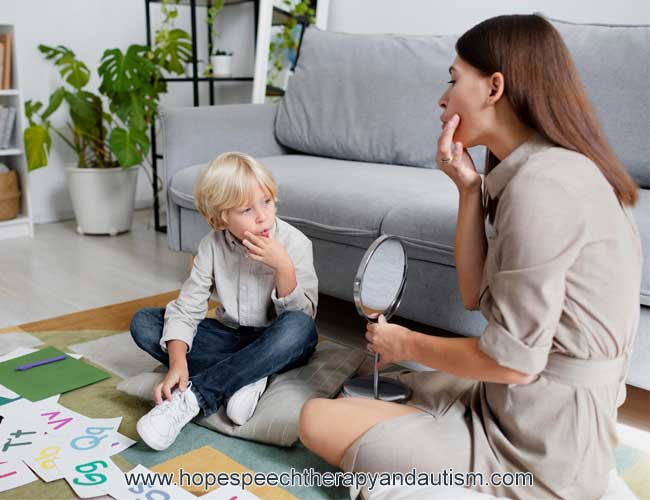
Speech therapy helps children and adults develop more effective communication and, when required, address feeding and swallowing difficulties. Signs that may justify an assessment include speech that is difficult to understand, limited vocabulary, difficulty forming sentences, problems understanding spoken instructions, trouble participating in conversations, stuttering or voice difficulties. Speech-language therapists may assess how a person understands language, expresses ideas, produces speech sounds and uses communication socially. Treatment is selected according to the identified difficulty rather than simply the person’s age or diagnosis. In Wellington, speech-language support is available through health and education pathways, and the Ministry of Education identifies communication difficulties such as unclear speech, delayed language, difficulty following instructions and problems participating in conversations as reasons a child may benefit from specialist support. Hope Centre for Speech Therapy and Autism Treatment provides structured speech and language intervention that can be delivered online, with goals tailored to the learner’s communication needs.
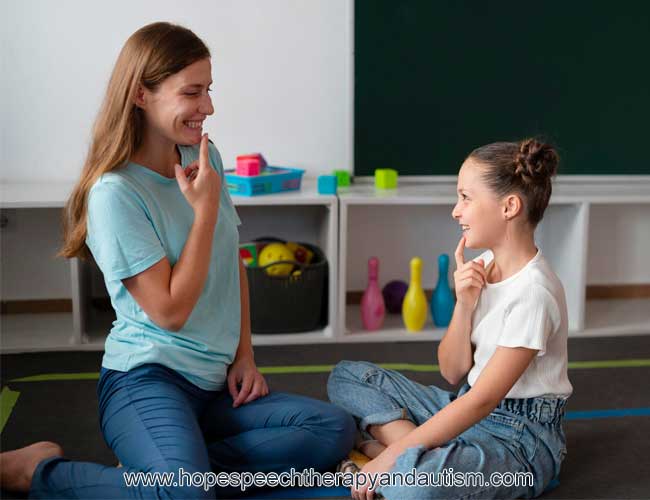
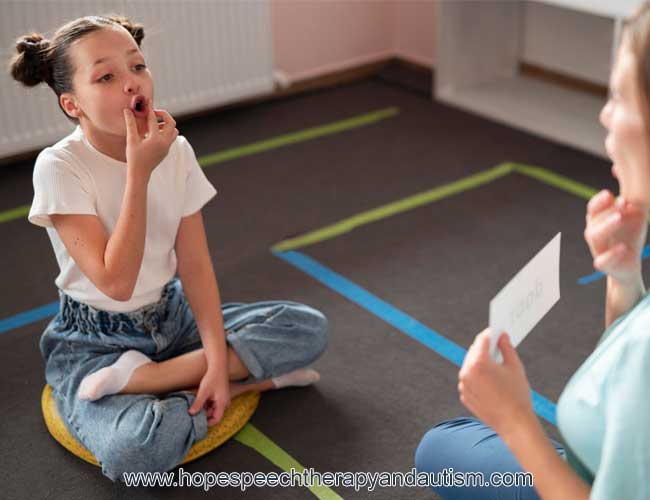
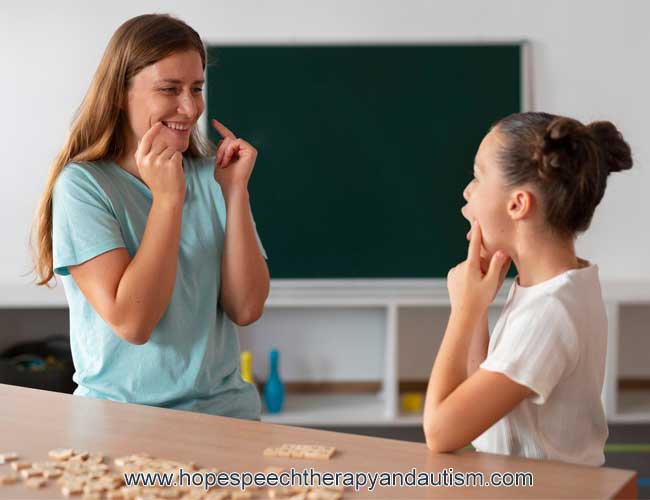
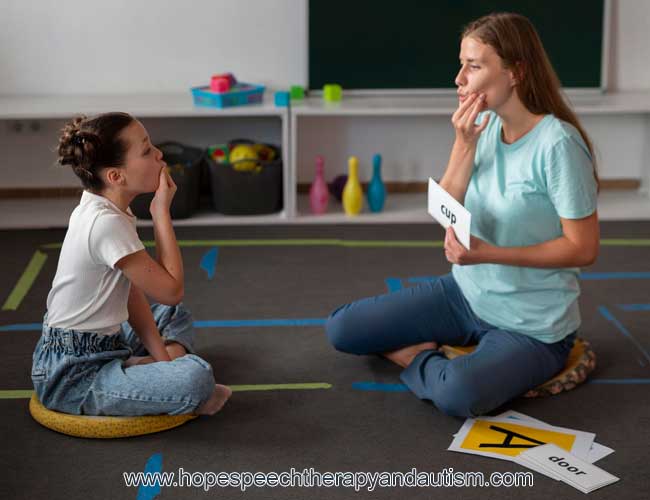
Effective speech therapy is more than practising sounds repeatedly. A therapist may work on receptive language, expressive language, articulation, fluency, social communication or functional communication depending on the assessment. For an autistic child, therapy may also support understanding social language, communicating needs, using alternative or augmentative communication where appropriate and participating in everyday interactions. Hope Centre for Speech Therapy and Autism Treatment uses goal-focused intervention so that families can see how individual activities connect with practical outcomes such as answering questions, explaining needs, joining classroom activities or communicating with peers. Parents can also receive strategies that make communication practice part of ordinary routines instead of another isolated task. For Wellington families using online services, this approach can make regular participation easier while maintaining a clear therapeutic plan and ongoing communication between the therapist, child and family.
What Is Autism, What Are the Symptoms, and How Is It Treated?
Autism is a neurological difference that affects how a person experiences and interacts with the world. It is not a mental illness, and autistic people can have very different strengths, support needs and communication styles. Common characteristics can include differences in social communication and interaction, restricted or repetitive patterns of behaviour or interests, sensory differences and a strong preference for predictability or familiar routines. These characteristics vary considerably from one person to another, so autism treatment should not be based on a fixed checklist or a single therapy. In New Zealand, autism support can involve health, education and disability services, with pathways depending on the person’s age and individual needs. Wellington families can access local autism information and support through organisations such as Autism New Zealand, while formal assessment and developmental support may involve appropriate healthcare and specialist professionals. Hope Centre for Speech Therapy and Autism Treatment focuses on functional goals that respect the individual child rather than attempting to change who they are.
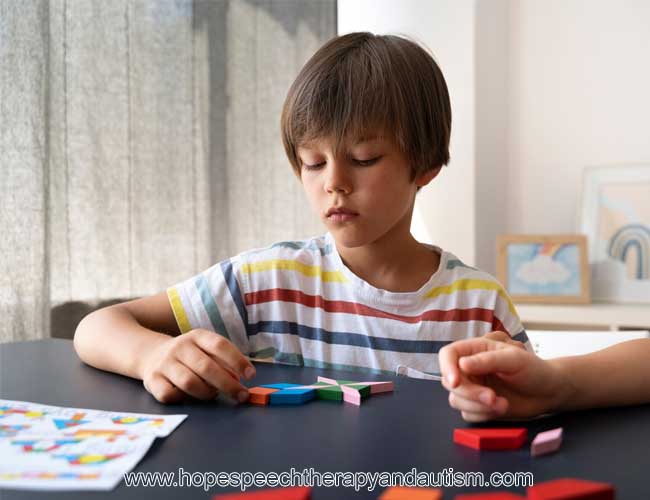
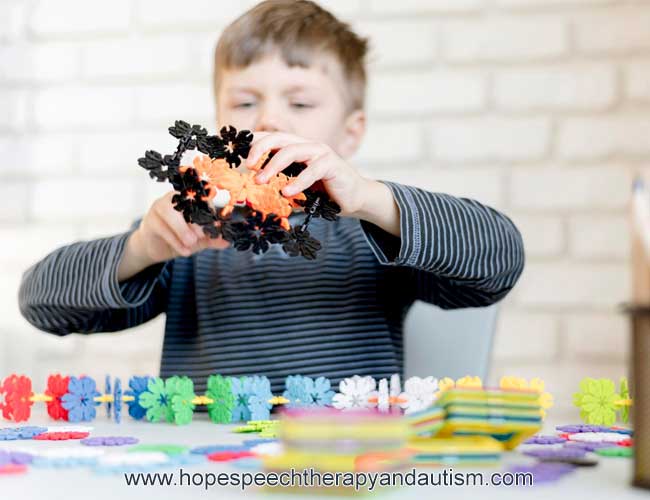
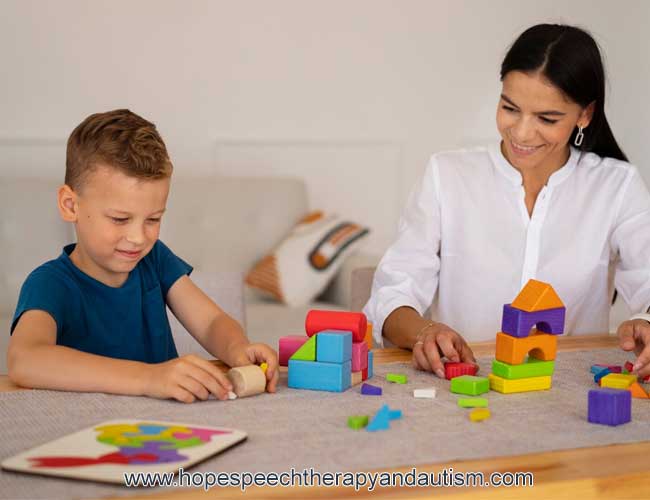
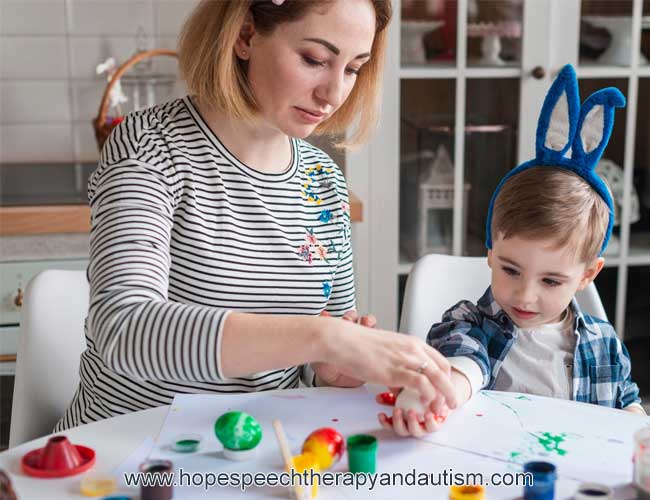
Autism intervention works best when it addresses the person’s actual needs and includes families in the process. Depending on the child, support may involve speech and language therapy, occupational therapy, behavioural or psychological support, educational assistance and parent coaching. Goals might include improving functional communication, increasing independence, supporting emotional regulation, developing social understanding or making school participation easier. Hope Centre for Speech Therapy and Autism Treatment provides personalised autism therapy that can be coordinated around these practical outcomes. Online sessions can also give parents an opportunity to observe strategies directly and practise them during everyday routines. The objective is not to promise a cure for autism, because autism is not an illness that simply needs to be cured. Instead, appropriate support can help an autistic person communicate effectively, build useful skills, manage challenges and participate more comfortably in family, educational and community settings.
What Is Special Education and Academic Therapy, and How Can It Support Learning?
Special education and academic therapy provide targeted support when a learner needs more than ordinary classroom instruction to access education successfully. Difficulties may involve reading, writing, spelling, mathematics, attention, language processing, working memory, organisation or the ability to demonstrate knowledge. The right approach begins by identifying the specific barrier rather than assuming that a child simply needs more practice. New Zealand’s learning-support system uses collaborative teams that can include specialist teachers, speech-language therapists, psychologists, occupational therapists and other professionals. Individual Education Plans or Learning Plans can be developed for children who require tailored support, with goals adjusted as needs change. Wellington families can therefore combine school-based support with specialised private intervention where appropriate. Hope Centre for Speech Therapy and Autism Treatment provides academic therapy designed around the learner’s current level, helping children strengthen foundational skills while developing confidence and practical strategies for completing schoolwork.
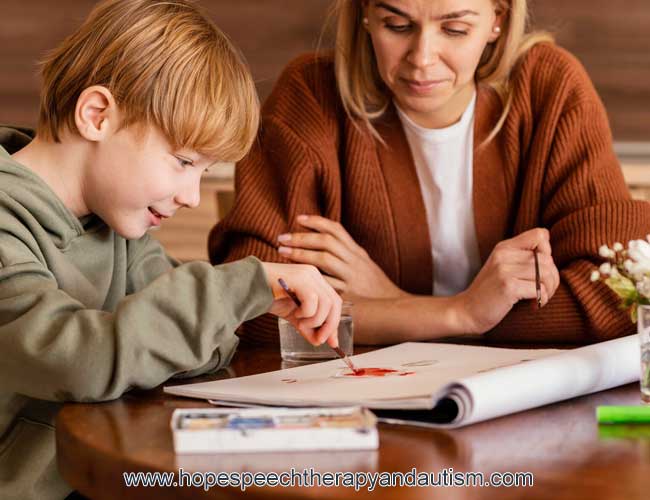
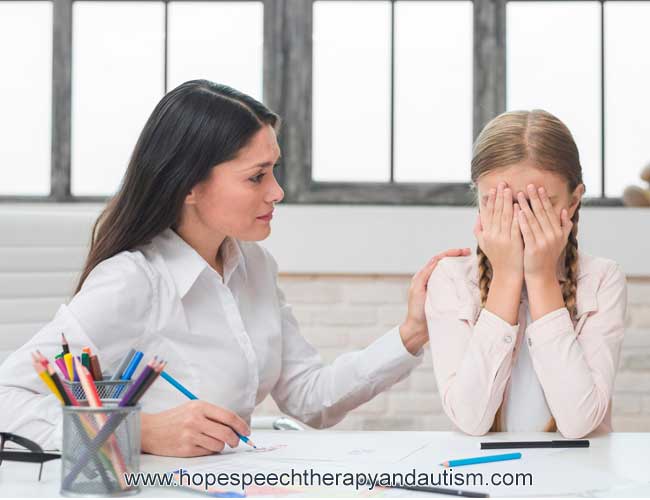
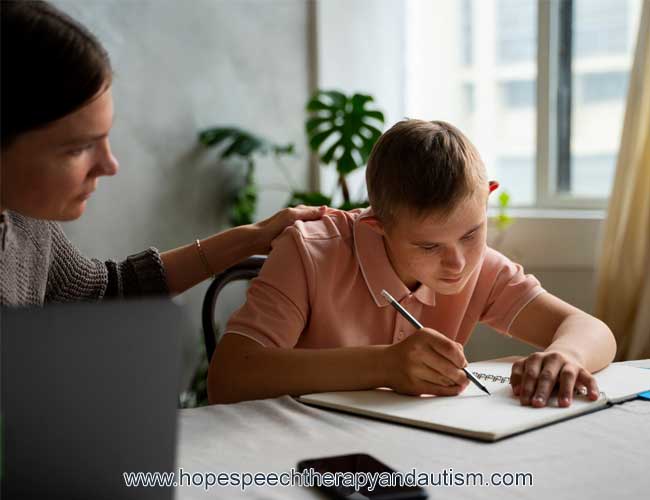
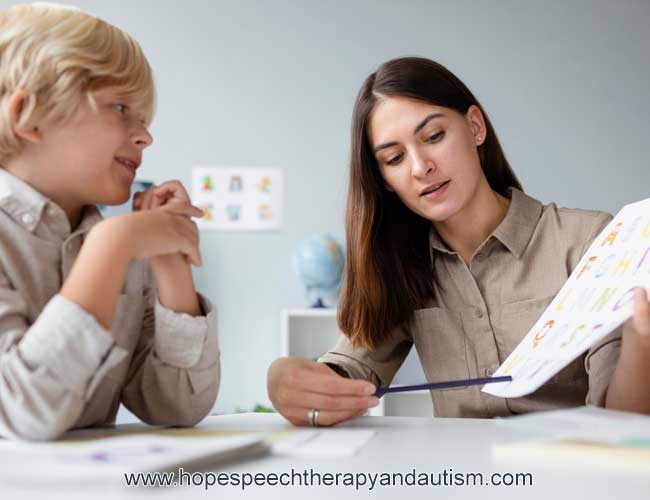
Academic therapy should be specific enough to show what is being taught, why it matters and how progress will be measured. A learner struggling with reading may need explicit work on phonological awareness, decoding, fluency and comprehension, while another child may need support with written expression, mathematical reasoning or executive functioning. Hope Centre for Speech Therapy and Autism Treatment takes a personalised approach and can connect academic goals with communication, attention and developmental needs when these areas overlap. This is particularly valuable for children who find it difficult to transfer skills from one setting to another. Wellington’s education system also emphasises inclusive participation and specialist collaboration, so private academic therapy can be used alongside school-based planning rather than viewed as a replacement for it. Consistent communication between parents, therapists and educators can help ensure that the child receives similar expectations and practical strategies across home and school.
What Is Occupational Therapy and Sensory Integration Therapy, What Are the Symptoms, and Which Centre Can Help?
Occupational therapy helps people participate more safely and independently in everyday activities. For children, difficulties may appear as problems with dressing, eating, handwriting, using classroom tools, coordination, play, attention or managing sensory information. Sensory differences can involve becoming overwhelmed by noise, touch, movement, light or other sensations, although not every sensory difficulty means that a child requires sensory integration therapy. A proper assessment should consider the child’s functional abilities and the activities they need or want to perform. Health New Zealand describes occupational therapy as support for people whose ability to carry out everyday activities is limited, with services available in Wellington, Hutt and Kāpiti. Hope Centre for Speech Therapy and Autism Treatment can provide structured occupational and sensory-focused support around practical goals, helping families understand which activities are appropriate and how strategies can be incorporated into daily routines.
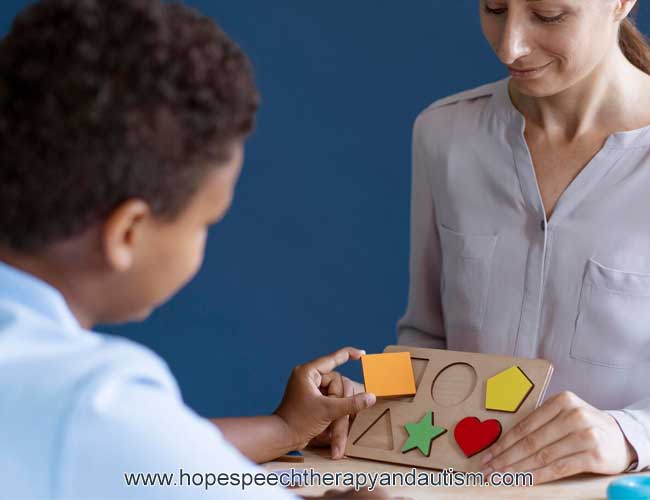
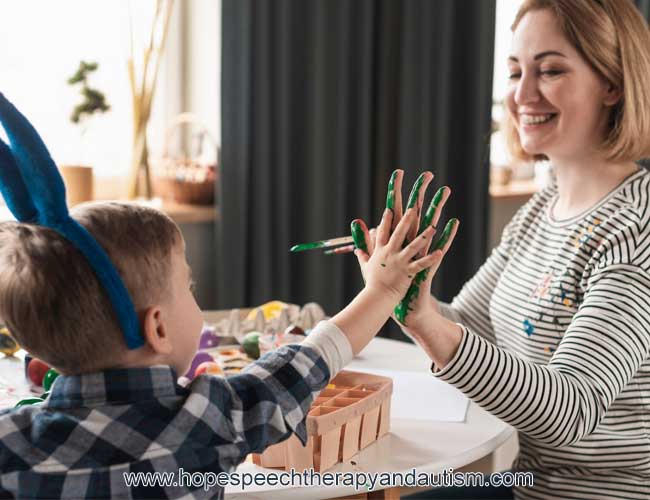

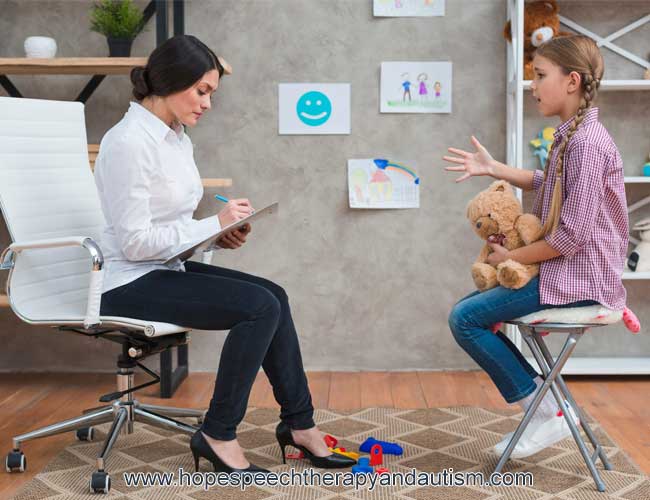
Occupational therapy is most useful when therapy activities are connected to real participation goals. Instead of focusing only on isolated exercises, intervention can address how a child manages classroom routines, completes self-care tasks, plays with others, uses learning materials or responds to everyday sensory demands. For autistic children, this may include helping families understand environmental adjustments and strategies for regulation while respecting individual sensory preferences. Hope Centre for Speech Therapy and Autism Treatment provides targeted occupational therapy and sensory integration support intended to build functional independence and participation. Online guidance can also help parents learn how to structure routines and practise recommended activities at home. Families in Wellington should remember that occupational therapy is one part of a broader support network, and a child may benefit from coordination between occupational therapists, speech-language therapists, educators, psychologists and healthcare professionals depending on the complexity of the child’s needs.
What Is CBT, What Symptoms Can It Address, and Which Centre Can Provide Support?
Cognitive Behavioral Therapy, commonly called CBT, is a structured psychological approach that examines the relationship between thoughts, feelings and behaviours. It can be used for difficulties such as anxiety, low mood, specific fears, emotional regulation problems and certain behavioural patterns, although suitability depends on the individual and should be assessed by an appropriately qualified professional. CBT is not an autism treatment in itself, but autistic children, teenagers and adults may use adapted CBT when they experience co-occurring anxiety or other emotional difficulties. Adaptations may include clearer language, visual supports, concrete examples, predictable session structures and greater attention to sensory or communication needs. Wellington families can access mental health and psychological support through different health and community pathways. Hope Centre for Speech Therapy and Autism Treatment approaches CBT as a practical skill-building intervention, helping suitable clients understand emotional triggers and learn strategies that can be practised beyond the therapy session.

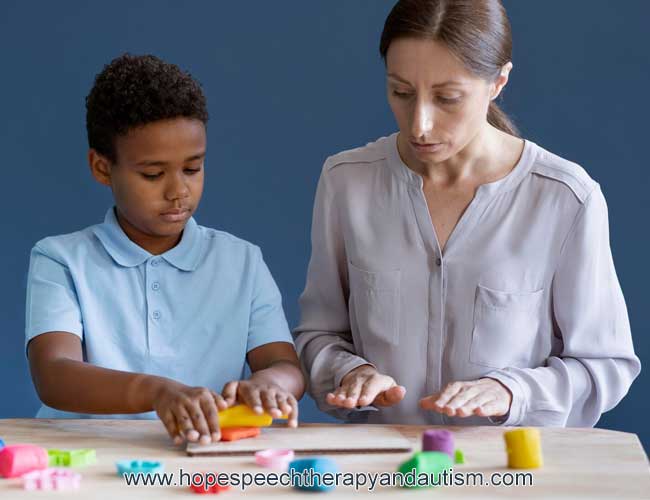
Good CBT focuses on usable skills rather than simply talking about a problem. Depending on the client, sessions may involve identifying unhelpful thought patterns, understanding situations that trigger anxiety, practising gradual coping strategies, learning emotional regulation techniques and developing healthier behavioural responses. For children, parents may also receive guidance so that useful strategies are reinforced consistently at home. Hope Centre for Speech Therapy and Autism Treatment provides CBT-oriented support with attention to developmental level and communication style, making the intervention easier to understand and apply in everyday situations. Online delivery can be helpful for families who prefer sessions from home, but therapy should still be provided within appropriate professional boundaries and referred onward when a person requires services beyond the centre’s scope. The most useful outcome is not simply completing therapy sessions but developing practical skills that can support confidence, participation and emotional wellbeing.
What Is Hearing Aid Treatment, What Are the Symptoms, and Which Is the Best Hearing Aid Centre in Wellington?
Hearing aid treatment begins with identifying and assessing hearing loss rather than simply selecting a device. Possible signs of hearing difficulty include frequently asking others to repeat themselves, difficulty understanding speech in background noise, turning the volume up excessively, missing spoken instructions or showing changes in communication and classroom participation. Hearing loss can affect speech and language development, which is why hearing assessment is particularly important when a child also has communication difficulties. Health New Zealand’s Wellington, Hutt and Kāpiti audiology services provide hearing assessments, hearing aid fitting and assistive listening devices, while hearing aids and rehabilitation services for eligible tamariki who are citizens or residents of Aotearoa New Zealand can be free through that service. Hope Centre for Speech Therapy and Autism Treatment can support communication and developmental needs alongside appropriate audiological care, helping families understand how hearing and communication may interact.
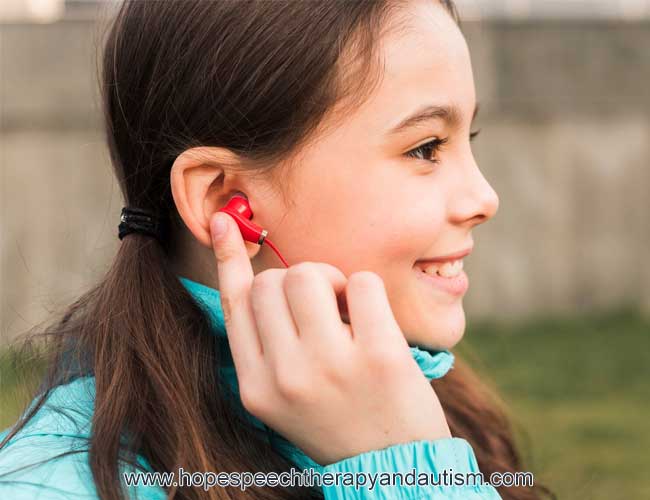
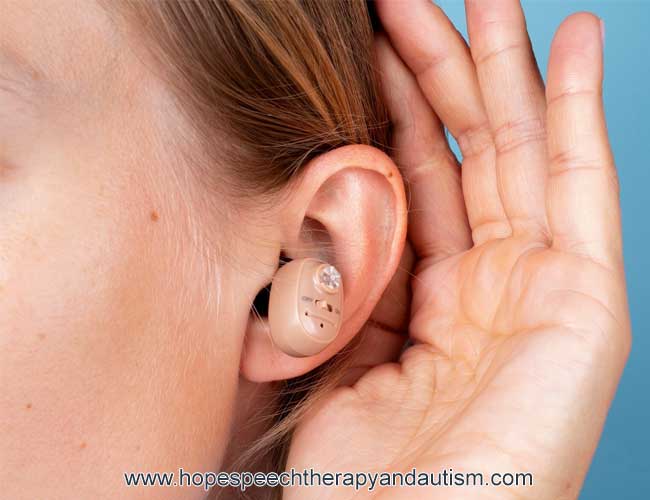
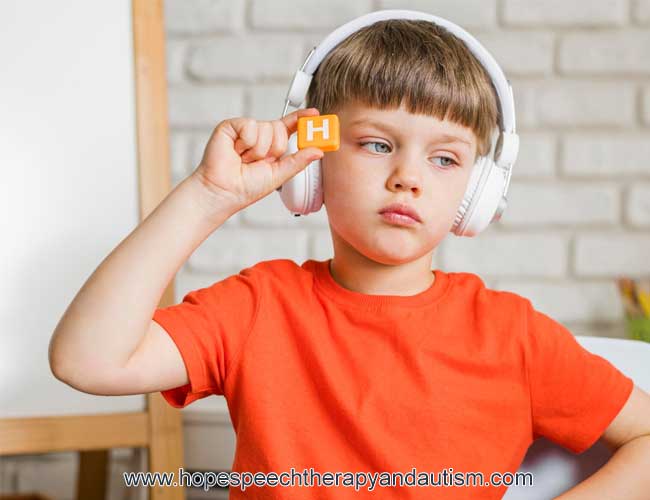

Hearing aids are electronic devices that amplify and process sound according to an individual’s hearing needs, but successful hearing support involves more than wearing the device. Proper assessment, fitting, adjustment, follow-up and rehabilitation can all influence how effectively a person uses amplification. For children, early identification and suitable intervention are especially important because hearing access can affect communication and learning opportunities. Hope Centre for Speech Therapy and Autism Treatment complements hearing-related care by addressing speech, language and communication skills when these are affected by hearing difficulties or developmental needs. Families should obtain hearing assessment and device fitting from qualified audiology professionals and use speech therapy as part of a broader plan when appropriate. For Wellington families looking for coordinated developmental support, starting with a detailed assessment can clarify whether the priority is hearing care, speech therapy, academic support, occupational therapy, CBT or a combination of services.
Are You Ready to Choose the Right Support for Your Family in Wellington?
Choosing therapy is easier when the focus stays on the child’s actual needs rather than on a label alone. Speech and language difficulties, autism-related communication differences, academic challenges, sensory needs, emotional difficulties and hearing problems can overlap, which is why a thoughtful assessment and coordinated plan are valuable. Wellington already has established education and health pathways, including specialist learning support, speech-language services, occupational therapy and audiology, and families can use these services alongside suitable private intervention when appropriate. Hope Centre for Speech Therapy and Autism Treatment aims to make professional support more accessible through personalised online programmes that involve parents and focus on measurable, everyday outcomes. If you are looking for an Online Autism Treatment & Speech Therapy Centre in Wellington, begin by discussing your concerns, understanding the assessment process and identifying the services that genuinely match your child’s needs. Contact Hope Centre for Speech Therapy and Autism Treatment to explore the available support and take a practical next step toward better communication, learning, independence and participation.