
Are You Looking for an Online Autism Treatment & Speech Therapy Centre in Toronto?
Finding the right support for communication, learning, behaviour, sensory needs, or hearing can be difficult when every child develops differently. An Online Autism Treatment & Speech Therapy Centre in Toronto can make professional guidance more accessible while allowing therapy to fit around school, home, and family routines. In Toronto, families can also navigate services connected with the Ontario Autism Program, school-based special education, and children’s rehabilitation services. The Ontario Autism Program recognizes speech-language pathology, occupational therapy, and mental health services among its core clinical services, while Toronto-area children can also access rehabilitation services through children’s treatment systems. The right approach begins with understanding the child’s actual needs rather than choosing therapy based only on a diagnosis.
Hope Centre for Speech Therapy and Autism Treatment provides structured support for children and families who need help with communication, autism-related development, academic skills, sensory processing, emotional regulation, and hearing-related concerns. Its approach can combine different therapeutic goals so that progress is connected to everyday activities rather than isolated exercises. Online sessions can also be useful when families need flexible access or when travelling to appointments is difficult. Whether the concern is delayed speech, difficulty understanding instructions, social communication challenges, classroom learning, sensory responses, anxiety, or hearing difficulties, an individualized assessment helps determine which intervention is appropriate. This article explains the main services, what treatment can involve, and how families in Toronto can make informed decisions about professional support.
What Is Speech Therapy, and What Symptoms Can It Treat?
Speech therapy is a clinical service that assesses and treats difficulties involving communication, speech, language, voice, fluency, and related communication skills. A child may benefit when they have limited vocabulary, difficulty forming sentences, unclear speech, trouble understanding language, difficulty answering questions, stuttering, or challenges using communication socially. For some autistic children, speech-language therapy also addresses non-verbal communication, social interaction, play, and alternative or augmentative communication systems. Treatment should be based on an assessment rather than simply repeating speech exercises. At Hope Centre for Speech Therapy and Autism Treatment, therapy can be planned around the child’s current communication level and practical goals, such as requesting something, answering appropriately, following instructions, participating in conversation, or becoming easier to understand. Families looking for a Speech Therapy Centre in Toronto can therefore focus on measurable communication goals that matter at home, school, and in the community.

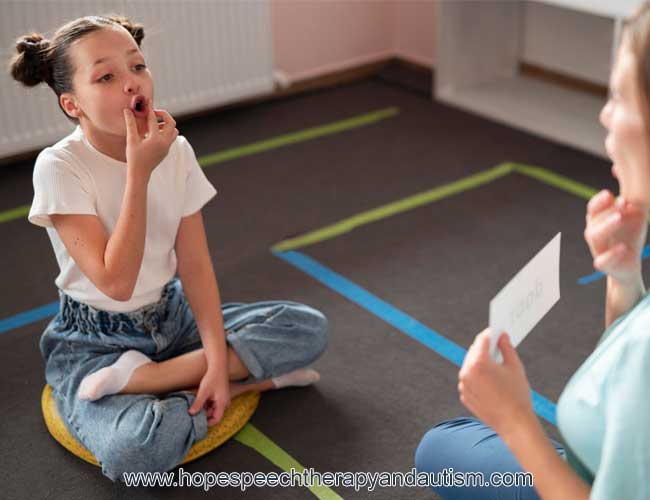
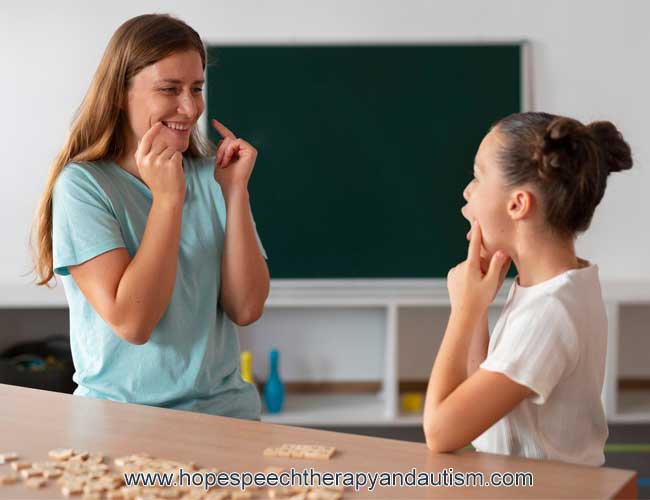
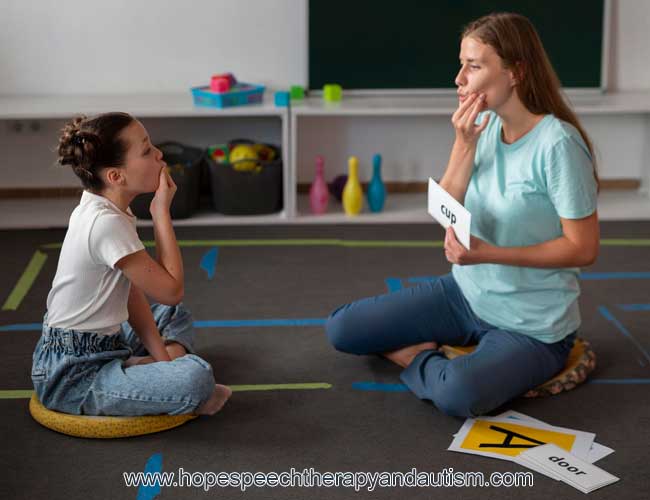
Effective speech therapy is not limited to practising individual sounds. Depending on assessment findings, treatment may work on receptive language, expressive language, articulation, speech fluency, pragmatic communication, vocabulary, sentence development, or functional communication. For children who use limited spoken language, an appropriate augmentative and alternative communication system may also be considered. Hope Centre can structure sessions around practical communication opportunities and provide parents with strategies that can be reinforced between appointments. Online therapy may be particularly convenient for families who want professional guidance without adding another regular commute to an already busy schedule. Progress should be reviewed over time, with goals adjusted when the child develops new abilities or when difficulties become more apparent in school and social settings.
What Is Autism, and What Symptoms and Treatments Can Help?
Autism spectrum disorder is a neurodevelopmental condition associated with differences in social communication and interaction together with restricted or repetitive patterns of behaviour, interests, or activities. Children can show very different combinations of characteristics. Some may have delayed speech, difficulty with back-and-forth conversation, repetitive movements, intense interests, difficulty adapting to changes, or unusual sensory responses, while others may communicate verbally but struggle with social understanding. Autism is not identified through one symptom or one test; qualified professionals use developmental history, observation, and standardized assessment information to determine whether diagnostic criteria are met. In Ontario, children under 18 with a written diagnosis from a qualified professional can register for the Ontario Autism Program. For families searching for an Autism Treatment Centre in Toronto, treatment should focus on the individual child's strengths, needs, safety, communication, independence, and participation rather than trying to make every child behave in the same way.
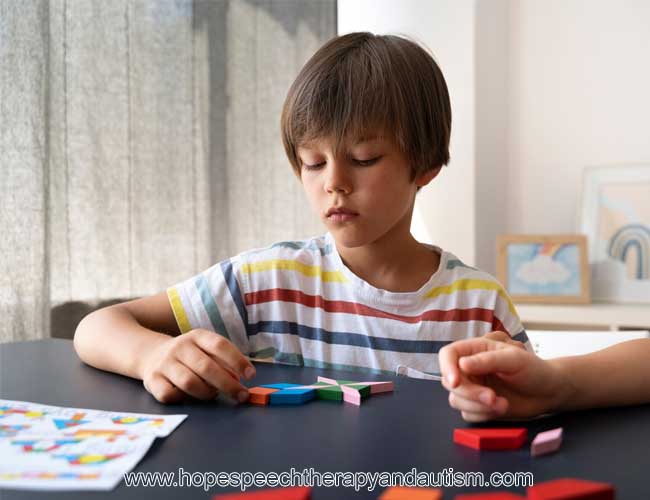
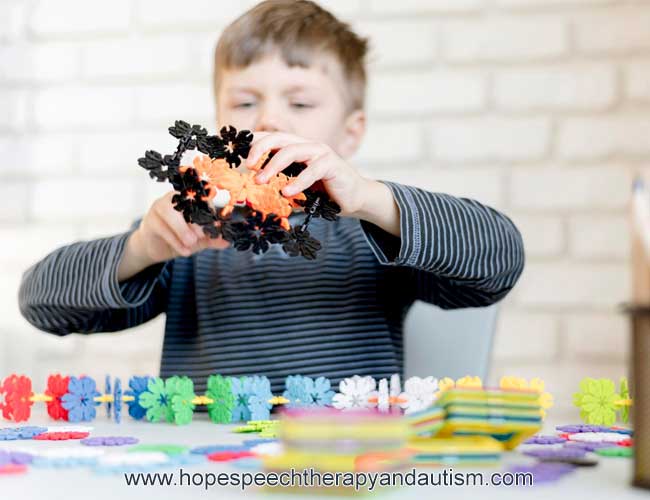
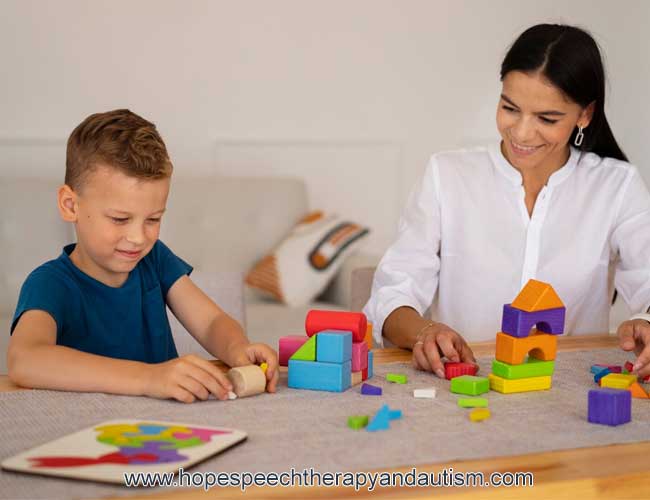
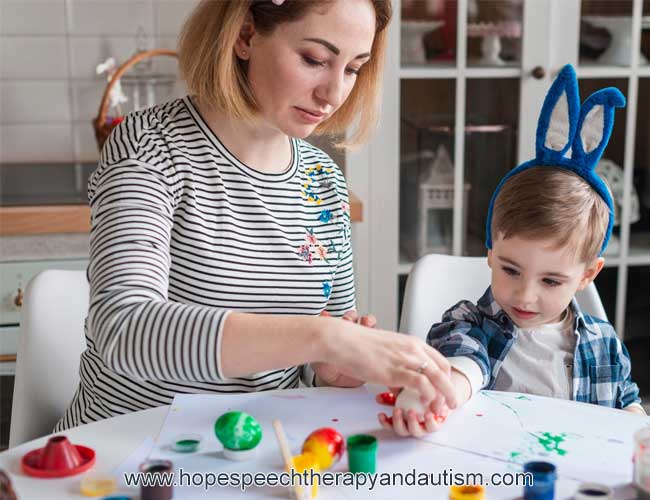
Autism treatment is therefore individualized and may involve several professionals depending on the child's needs. Speech-language therapy can address communication, occupational therapy can address functional and sensory-related skills, educational support can improve participation in learning, and psychological or behavioural services may address emotional, behavioural, or adaptive needs. Ontario's current autism framework emphasizes evidence-informed services that respond to individual strengths and goals. Hope Centre for Speech Therapy and Autism Treatment can bring these areas into a coordinated therapeutic plan so that communication, learning, independence, and everyday functioning are considered together. The aim is meaningful development rather than a one-size-fits-all programme. Families can also discuss how therapy goals relate to school expectations and home routines, helping the child practise useful skills across different environments instead of learning them only during a therapy session.
What Is Special Education and Academic Therapy, and How Can They Support Learning?
Special education provides individualized educational programmes and supports for students whose learning or developmental needs require additional assistance. In Ontario's publicly funded school system, special education supports can be tailored to individual needs and may involve teachers, educational assistants, psychologists, speech therapists, and other professionals. Academic therapy is more targeted toward specific learning difficulties and can provide structured practice in areas such as reading, writing, comprehension, spelling, mathematics, attention, study skills, and following academic instructions. A child does not necessarily need an autism diagnosis to experience academic difficulties, and having autism does not automatically mean that every academic area is impaired. At Hope Centre for Speech Therapy and Autism Treatment, academic support can be connected to the learner's communication profile, developmental level, classroom expectations, and individual learning objectives. This makes Special Education and Academic Therapy in Toronto more purposeful because intervention can focus on the actual barrier affecting school participation.
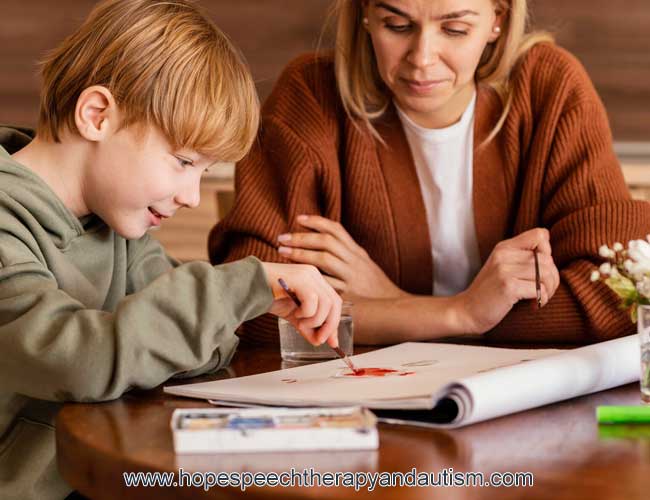
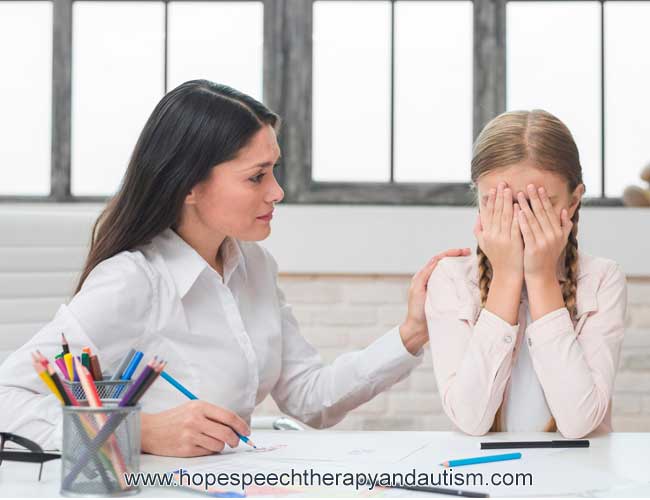
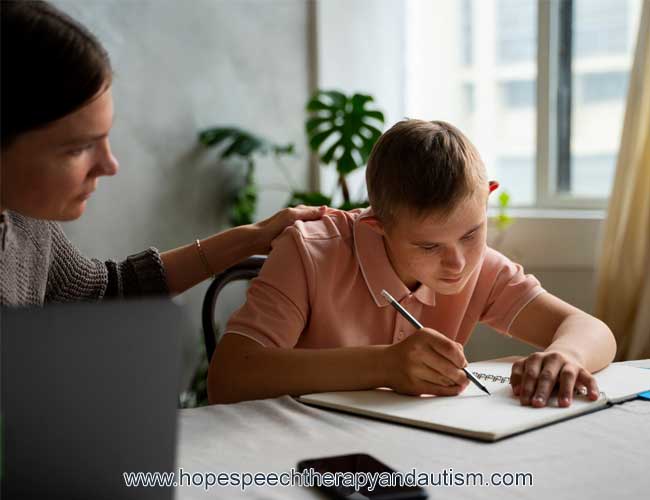
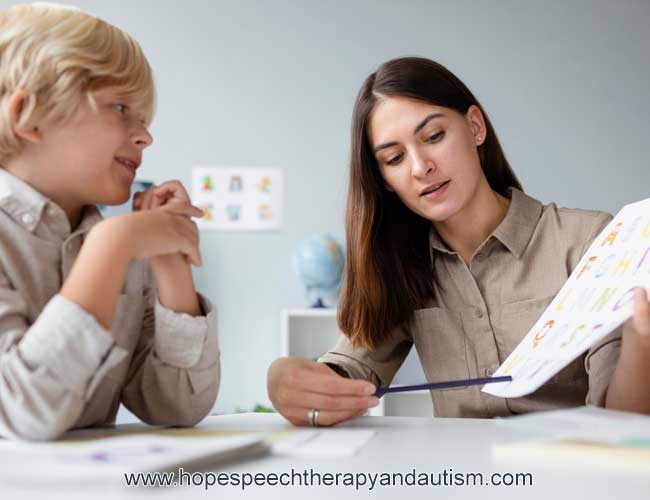
Academic intervention works best when the therapist identifies why a student is struggling instead of simply increasing the amount of homework. For example, a child may understand a lesson but have difficulty processing verbal instructions, while another may know the material but struggle with reading fluency or written expression. Therapy can break complex tasks into manageable steps, use appropriate repetition, strengthen foundational skills, and gradually encourage greater independence. Hope Centre can also help families understand which skills should be prioritised and how progress can be observed over time. This support can complement, rather than replace, the child's school-based educational planning. Ontario requires publicly funded school boards to provide special education programmes and services for students with special education needs, so families can consider private or online academic therapy as an additional layer of targeted support when appropriate.
What Is Occupational Therapy and Sensory Integration Therapy, and When Can They Help?
Occupational therapy helps children develop skills needed for everyday participation, including self-care, play, school activities, motor tasks, and community involvement. Some children experience sensory processing differences that make ordinary sounds, textures, movement, lights, or touch unusually difficult to tolerate or seek. Others may have challenges with fine motor coordination, handwriting, dressing, feeding-related routines, body awareness, or managing transitions between activities. Sensory integration approaches are used within occupational therapy to help address functional difficulties related to sensory processing, but treatment should be linked to meaningful goals rather than treating sensory responses as a condition on their own. Ontario's autism programme identifies occupational therapy as a core clinical service, including support related to sensory processing and motor-based skills. Hope Centre for Speech Therapy and Autism Treatment can develop individualized activities around the child's functional needs, making Occupational Therapy / Sensory Integration Therapy in Toronto relevant to daily life rather than limited to isolated sensory exercises.
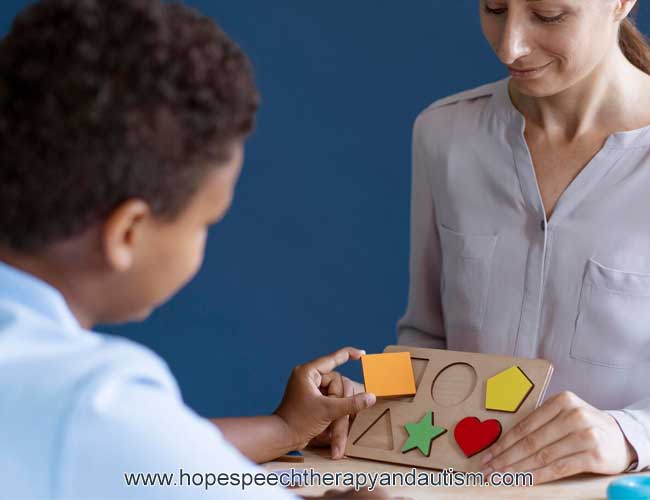
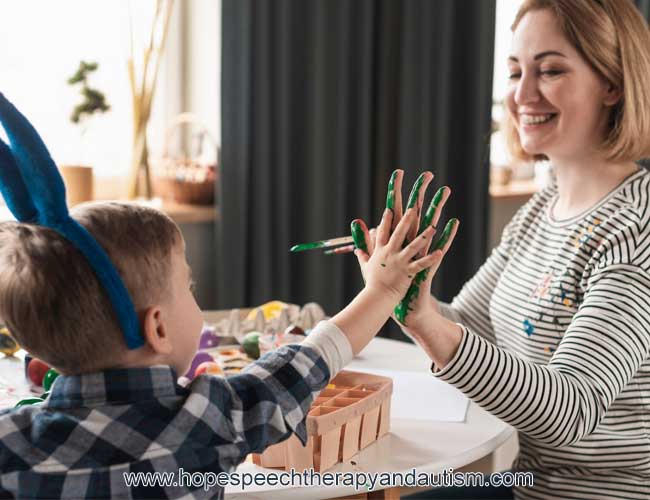


Occupational therapy may include assessment of fine motor skills, gross motor coordination, visual-motor abilities, daily routines, sensory responses, and participation in school or home activities. Treatment can then use purposeful tasks to build skills, improve coordination, support regulation, or make everyday activities easier to complete. For an autistic child, this might involve improving tolerance for classroom routines, developing independence with dressing, strengthening handwriting-related abilities, or finding practical strategies for sensory challenges. Hope Centre can adapt therapy to the child's developmental level and work with parents so useful strategies can continue outside the session. Online occupational therapy may be suitable for some goals when activities can be safely guided through video and supported by caregivers, while other goals may require in-person assessment or treatment. The appropriate format should always depend on the child's individual clinical needs.
What Is CBT, and How Can Cognitive Behavioral Therapy Help Children?
Cognitive Behavioral Therapy, commonly called CBT, is a structured psychological treatment that explores connections between thoughts, emotions, and behaviours. It can be useful when children or adolescents experience concerns such as anxiety, persistent worries, avoidance, low confidence, emotional distress, or difficulty coping with particular situations. CBT does not treat autism itself, but adapted CBT approaches may help autistic children and young people manage associated emotional or behavioural challenges when clinically appropriate. Effective therapy considers the child's developmental level, communication abilities, learning style, and capacity to understand abstract concepts. Hope Centre for Speech Therapy and Autism Treatment can provide structured therapeutic support focused on practical coping skills, emotional awareness, problem-solving, and gradual changes in unhelpful patterns. For families seeking Cognitive Behavioral Therapy Centre in Toronto, the important question is not simply whether CBT is available, but whether the therapist's approach matches the child's age, abilities, concerns, and treatment goals.

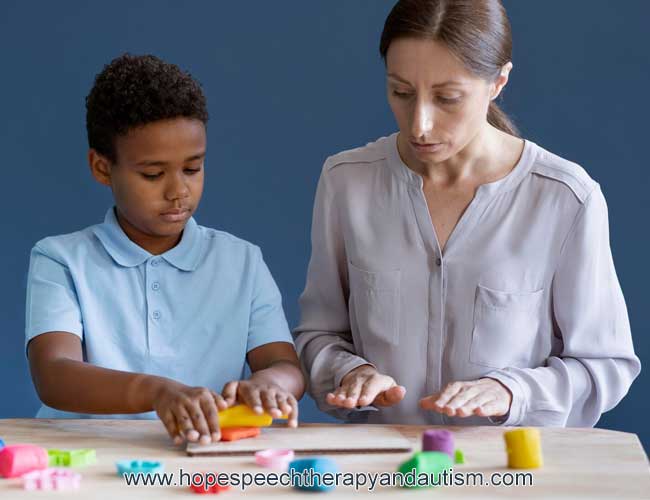
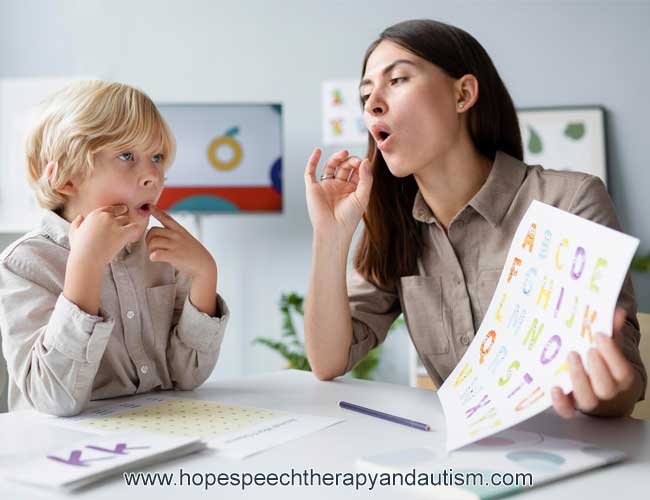

CBT is usually goal-oriented and involves practising skills between sessions, which makes family participation especially valuable for younger children. Depending on the concern, therapy may teach a child to recognize physical signs of anxiety, identify unhelpful thinking patterns, use coping strategies, approach situations gradually, or communicate feelings more effectively. For autistic children, visual supports, concrete examples, predictable routines, and developmentally appropriate language can make therapeutic concepts easier to understand. Ontario's autism service framework recognizes mental health services, including counselling and psychotherapy, for eligible children and youth when these services are delivered or supervised by appropriately regulated professionals. Hope Centre can incorporate emotional and behavioural goals alongside communication and developmental support when that combination is appropriate. Families should expect treatment goals to be specific and reviewed over time, with progress judged by changes in functioning rather than simply the number of sessions completed.
What Is Hearing Aid Treatment, and How Can You Choose the Best Hearing Aid Centre in Toronto?
Hearing aid treatment begins with identifying the type and degree of hearing loss through an appropriate hearing assessment. Hearing aids are electronic devices that amplify and process sound according to an individual's hearing needs, but selecting and fitting them is not simply a matter of choosing the most powerful device. Hearing professionals consider the hearing test results, age, communication needs, lifestyle, listening environments, comfort, technology features, and ability to manage the device. In children, hearing support is particularly important because consistent access to sound can influence communication and learning. A child with suspected hearing difficulty should receive assessment from an appropriately qualified hearing professional rather than assuming that speech or attention difficulties have only a developmental explanation. Hope Centre for Speech Therapy and Autism Treatment can help families understand the relationship between hearing, communication, and language development while guiding them toward appropriate professional evaluation. Families searching for a Hearing Aid Treatment Centre in Toronto should prioritize qualified assessment, accurate fitting, follow-up care, and ongoing device support.
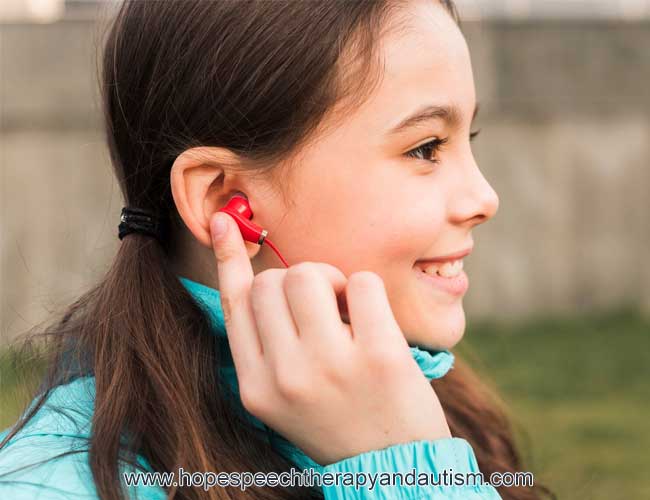
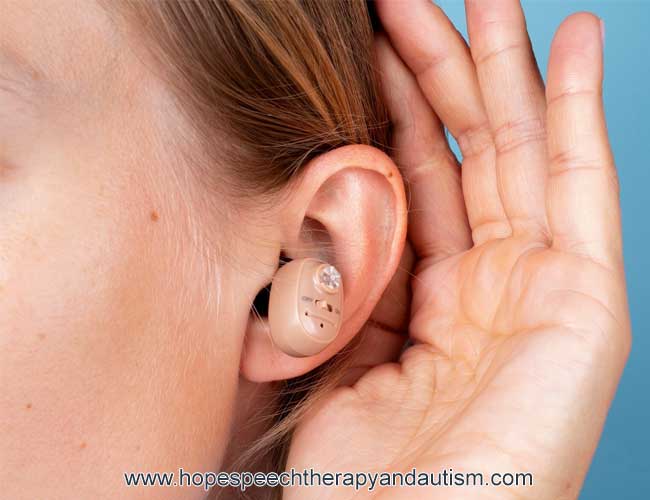
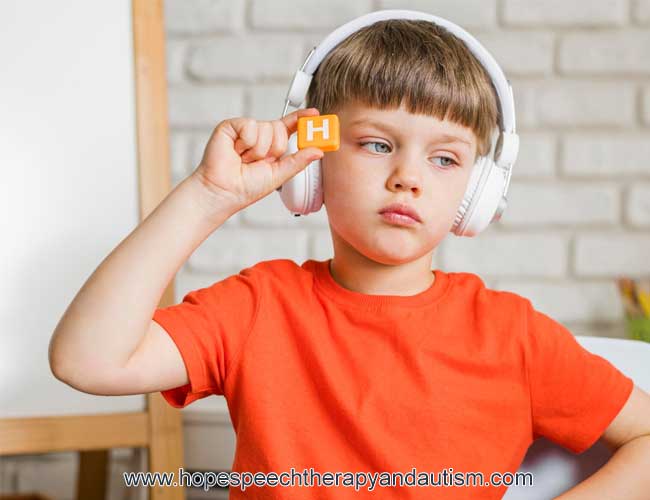

Hearing support should also be viewed as part of a broader communication plan when a child has speech, language, or developmental concerns. Even when a hearing aid is recommended, the child may still need speech-language therapy or educational support to develop communication and classroom skills. Hope Centre can help families connect hearing-related needs with broader communication goals so that treatment does not happen in isolation. Families should also ask about device maintenance, follow-up appointments, programming adjustments, and strategies for using hearing technology consistently in everyday environments. In Toronto, families have access to a wider network of healthcare, rehabilitation, and educational services, making coordination particularly valuable when several developmental needs are present. Choosing a reliable provider means looking beyond the device itself and considering the quality of assessment, professional expertise, family education, follow-up, and long-term support.
Are You Ready to Find the Right Therapy Support in Toronto?
Choosing therapy becomes easier when the focus remains on the child's actual needs, measurable goals, and ability to use new skills in everyday life. Speech therapy can strengthen communication, autism-focused intervention can address developmental needs, academic therapy can support learning, occupational therapy can improve functional participation, CBT can build coping skills, and hearing support can improve access to sound when hearing loss is present. These services do not need to be treated as completely separate areas when a child requires support across several domains. Hope Centre for Speech Therapy and Autism Treatment offers families a way to explore these needs through individualized professional support and flexible therapy options. If you are looking for an Online Autism Treatment & Speech Therapy Centre in Toronto, start with an assessment and discuss the child's current difficulties, existing diagnoses, school concerns, and goals with the appropriate professional. Taking that first step can help turn general concerns into a clear, practical treatment plan.