
Are You Looking for an Online Autism Treatment & Speech Therapy Centre in Sunderland?
Sunderland families looking for therapy often need more than a single appointment or a general recommendation. Communication difficulties, autism-related needs, learning challenges, sensory differences, emotional difficulties and hearing problems can overlap, so the right support should begin with a clear understanding of the individual. An Online Autism Treatment & Speech Therapy Centre in Sunderland can make professional guidance easier to access while allowing families to continue therapy from a familiar home environment. Hope Centre for Speech Therapy and Autism Treatment focuses on practical, personalised support that connects therapy goals with everyday communication, learning, behaviour and independence. This approach can be particularly useful for children who find unfamiliar environments difficult or for families managing busy school and work schedules. The following guide explains the main therapies, what symptoms they address and how structured intervention can support meaningful progress.
What Is Speech Therapy, and What Symptoms Can It Treat?
Speech therapy helps children and adults develop clearer, more effective communication. A speech and language therapist may assess difficulties with speech sounds, understanding language, expressing ideas, vocabulary, grammar, fluency, voice or social communication. Signs that may justify an assessment include speech that is difficult to understand, limited vocabulary, difficulty following instructions, frequent word-finding problems, stammering or difficulty using language appropriately with other people. In children with autism, communication differences may also involve limited conversational skills, difficulty understanding social cues or reliance on alternative communication methods. Early assessment matters because therapy can identify the specific skill that is affecting communication rather than treating every child in the same way. For families searching for Speech Therapy in Sunderland, online sessions can provide structured practice without requiring every appointment to take place in a clinic.



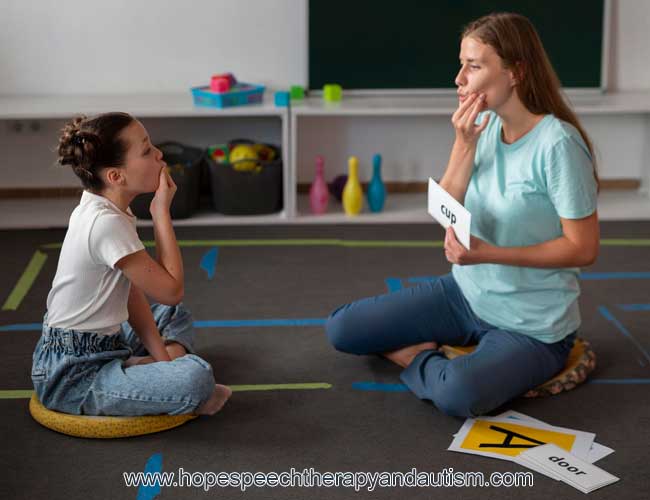
Hope Centre for Speech Therapy and Autism Treatment provides targeted speech and language support based on the person's communication profile and goals. Therapy may include speech-sound practice, language development, vocabulary building, conversational work, fluency support and strategies for functional communication. For children, parents can also learn how to practise communication skills during ordinary activities such as play, reading, meals and routines. The objective is not simply to make speech sound better but to help the individual communicate needs, ideas and feelings more successfully. Consistent practice between sessions can make therapy more useful because communication skills need opportunities to develop in real situations.
What Is Autism, and What Symptoms and Treatment Should You Know About?
Autism is a lifelong neurodevelopmental difference that can affect communication, social interaction, behaviour and patterns of interest or activity. It is a spectrum, so autistic people can have very different strengths and support needs. Possible characteristics include difficulty with social communication, differences in eye contact or conversational interaction, repetitive movements or behaviours, strong preferences for routines, focused interests and unusual responses to sounds, textures, lights or other sensory experiences. These characteristics do not by themselves establish a diagnosis, and assessment should be carried out by appropriately qualified professionals. Treatment is not about changing someone's identity; effective support focuses on communication, independence, participation, emotional wellbeing and practical skills. For families seeking Autism Treatment in Sunderland, a structured programme can help translate assessment findings into realistic goals for home, education and daily life.
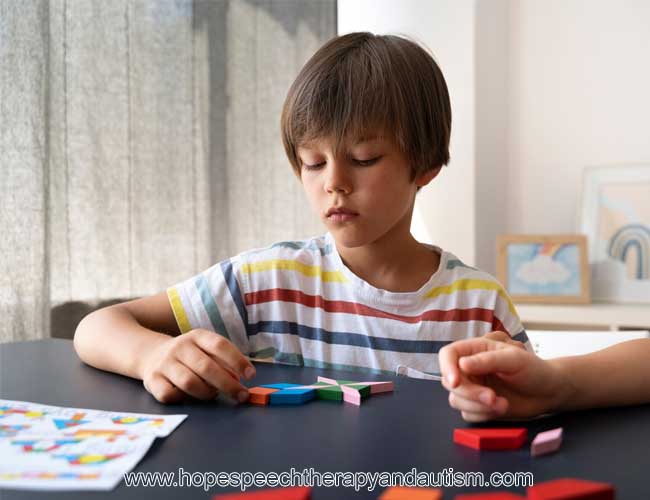
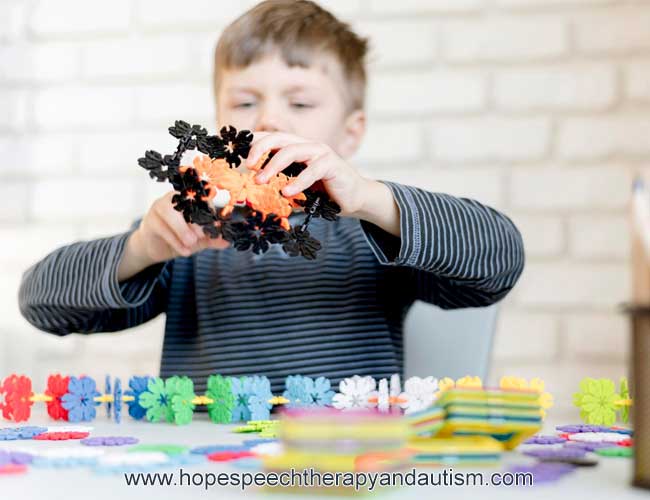
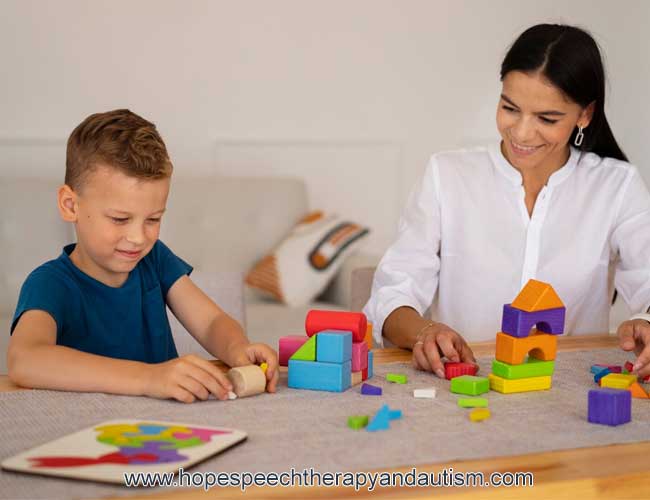
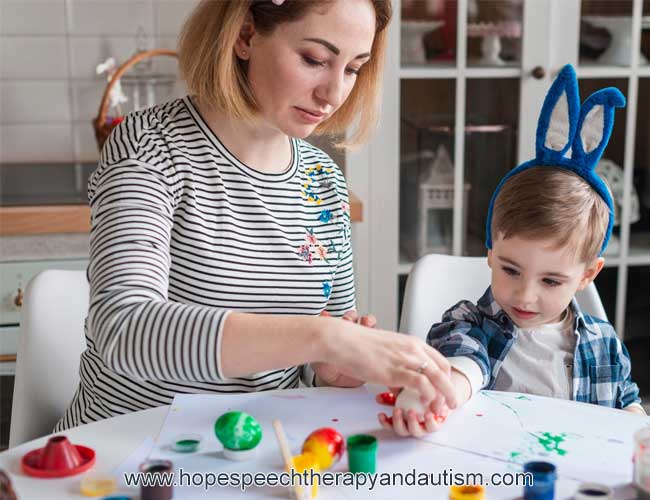
Hope Centre for Speech Therapy and Autism Treatment takes a functional approach by identifying the areas where an autistic child or adult needs practical support. Depending on individual needs, intervention may focus on communication, social interaction, emotional regulation, daily routines, learning readiness and behaviour that interferes with participation. The centre can also guide parents and caregivers on how to use consistent strategies at home. Online therapy can be particularly helpful when visual schedules, familiar surroundings and predictable routines make participation easier. The aim is to build useful skills and confidence rather than rely on one-size-fits-all techniques, with progress reviewed against clear, individual goals.
What Is Special Education and Academic Therapy, and Who Can Benefit?
Special education provides tailored educational support for learners whose needs cannot be fully met through standard teaching approaches alone. Academic therapy is more targeted and can address specific difficulties with reading, writing, spelling, mathematics, attention, comprehension, organisation or study skills. A child may understand a concept but struggle to demonstrate it because of language processing, attention, working memory or another learning difference. Assessment therefore needs to look beyond marks and identify why a particular task is difficult. In Sunderland, families may also need to understand how education-based support connects with school provision and individual needs. For this reason, an Online Special Education and Academic Therapy Centre can complement classroom support by providing focused practice and helping parents understand which strategies are most useful.


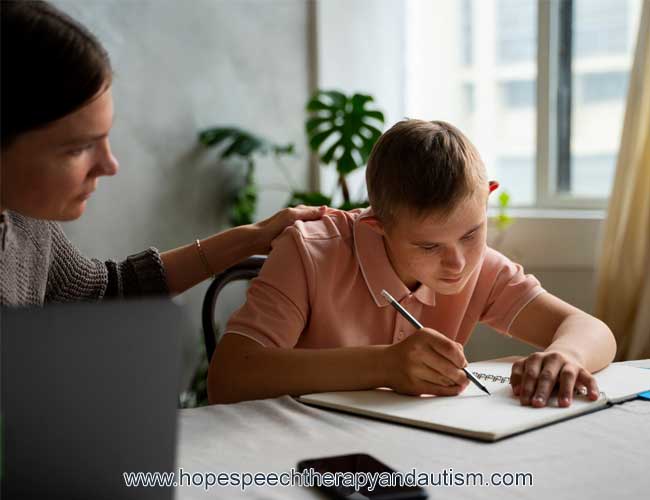
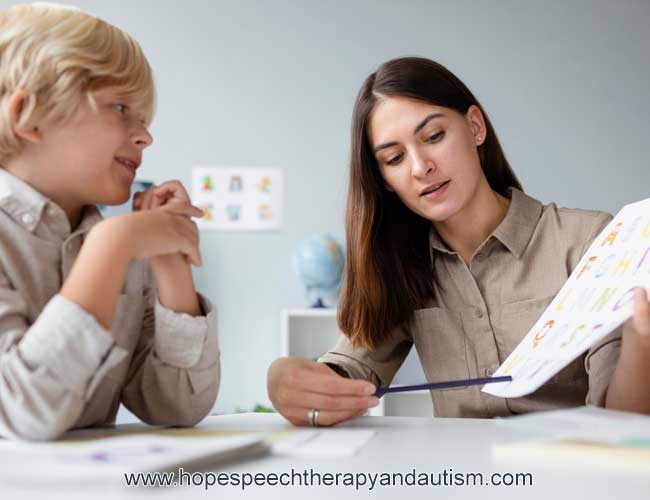
Hope Centre for Speech Therapy and Autism Treatment supports academic development by connecting learning goals with the learner's actual strengths and difficulties. Sessions can be structured around literacy, numeracy, language comprehension, attention and study routines, while teaching methods are adapted to the individual's pace. For children with autism or communication difficulties, academic work may need additional visual support, simplified instructions and repeated opportunities to practise. The centre's approach focuses on achievable progress rather than pressure, helping learners become more independent with school-related tasks. Regular communication with parents also makes it easier to carry useful strategies into homework, reading practice and everyday learning.
What Is Occupational Therapy and Sensory Integration Therapy, and How Can It Help?
Occupational therapy helps people develop or maintain the skills needed for everyday activities, including dressing, eating, handwriting, school tasks, play and participation at home. Sensory integration approaches focus on how a person responds to sensory information such as movement, touch, sound, visual input and body awareness. Signs that may indicate a need for assessment can include extreme sensitivity to noise or textures, difficulty settling, poor coordination, problems with fine motor activities or challenges managing everyday routines. Sensory differences are common in autism, but they can also occur in other developmental conditions. A proper assessment is important because sensory strategies should be selected according to individual needs rather than applied as a standard package. An Online Occupational Therapy / Sensory Integration Therapy service can also teach families practical activities to support regulation and participation.
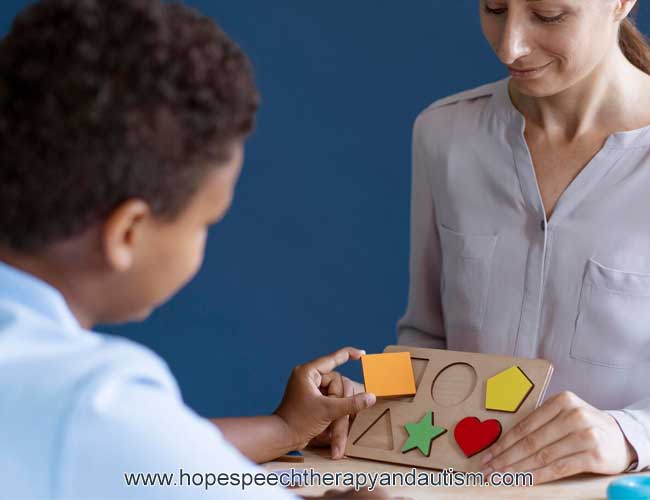
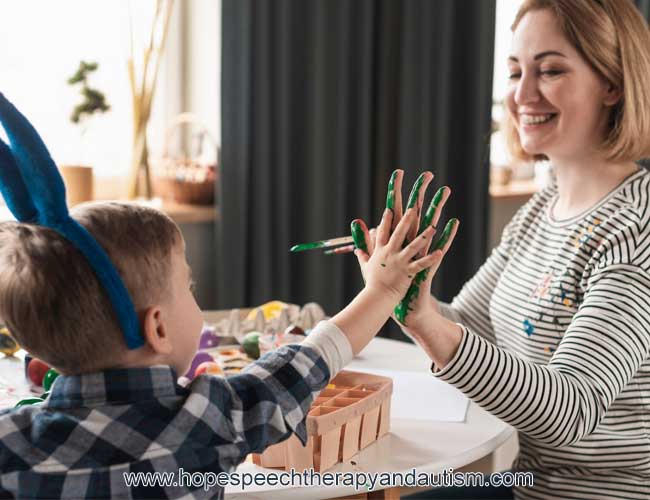


Hope Centre for Speech Therapy and Autism Treatment can help families identify everyday activities that are being affected by sensory or motor difficulties and build therapy around those needs. Support may focus on fine motor control, handwriting readiness, coordination, self-care, attention during tasks and strategies for managing sensory input. Parents can be shown how to introduce suitable activities within ordinary routines instead of depending entirely on formal therapy sessions. The purpose of Occupational Therapy / Sensory Integration Therapy is practical participation: helping a person feel more comfortable, organised and capable while completing meaningful activities. Progress should be monitored carefully so strategies remain appropriate and useful.
What Is CBT, and How Can Cognitive Behavioral Therapy Support Better Emotional Regulation?
Cognitive Behavioral Therapy, or CBT, is a structured psychological approach that explores connections between thoughts, emotions and behaviour. It is commonly used for difficulties such as anxiety, low mood, worries, avoidance and problems coping with stressful situations. CBT is not simply positive thinking; it involves identifying patterns, learning practical strategies and gradually applying them to situations that cause difficulty. For autistic people, therapy may need to be adapted to communication style, developmental level and individual understanding. Visual explanations, concrete examples and predictable session structures can make concepts easier to understand. Families considering Cognitive Behavioral Therapy in Sunderland should look for appropriately qualified professionals who can assess whether CBT is suitable and adapt the intervention to the person's specific needs rather than treating autism itself as a mental health disorder.




Hope Centre for Speech Therapy and Autism Treatment uses a practical, individualised approach when CBT is appropriate. Sessions can help a person recognise anxious thoughts, understand emotional triggers, develop coping strategies and practise responses to difficult situations. For children, therapy can be connected with real experiences such as school transitions, social situations, communication frustration or changes in routine. Online sessions may also allow therapists to work with families in the environment where challenges naturally occur. The focus is on building usable skills that can be practised between sessions, while recognising that CBT should be delivered within an appropriate professional assessment and treatment plan.
What Is Hearing Aid Treatment, and How Can You Find the Best Hearing Aid Centre in Sunderland?
Hearing aid treatment begins with a proper hearing assessment rather than simply choosing a device. Hearing loss may cause people to miss parts of conversations, increase the volume of televisions, misunderstand speech or withdraw from noisy social situations. Audiology assessment can determine the type and degree of hearing loss and whether a hearing aid may help. Modern hearing aids are designed to amplify sounds according to an individual's hearing profile, but they do not restore normal hearing. For children, identifying hearing difficulties is particularly important because hearing affects access to spoken language and communication. Families looking for a Hearing Aid Treatment Centre in Sunderland should therefore consider professional assessment, appropriate device selection, fitting, follow-up and aftercare rather than focusing only on the appearance or price of a hearing aid.

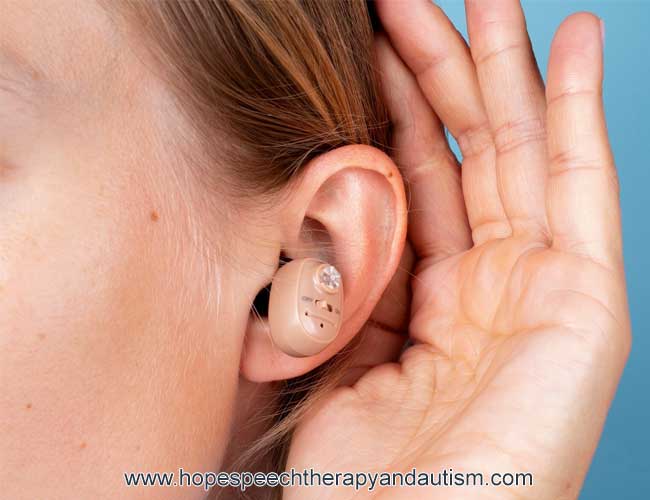
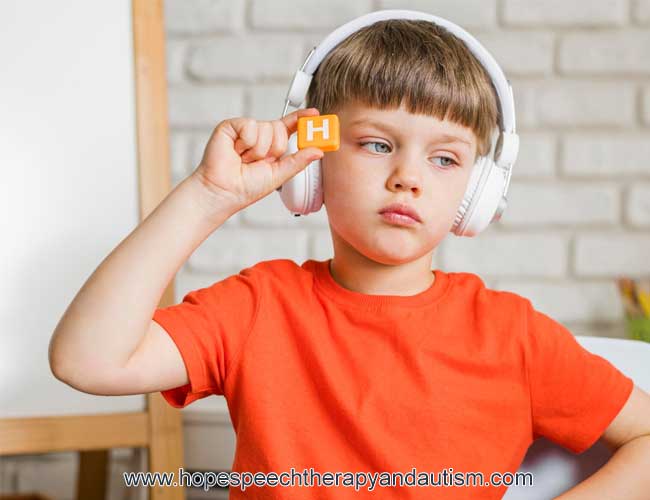

Hope Centre for Speech Therapy and Autism Treatment can help families understand how hearing difficulties may affect communication and everyday participation, while directing individuals toward appropriate hearing assessment and support when required. Where hearing aids are recommended, successful treatment involves more than wearing the device: fitting, adjustment, consistent use, communication strategies and follow-up all matter. This is especially relevant when hearing difficulties occur alongside speech, language or developmental needs. For families in Sunderland who want coordinated support, an Online Autism Treatment & Speech Therapy Centre can provide accessible guidance while helping identify when specialist audiology input is necessary. Early attention to hearing concerns can reduce avoidable barriers to communication and learning.
Are You Ready to Choose the Right Therapy Support in Sunderland?
Finding the right therapy is ultimately about matching professional support to the person's actual needs. Speech and language difficulties, autism-related communication needs, academic challenges, sensory differences, emotional difficulties and hearing problems can affect one another, which is why a thoughtful assessment and coordinated plan can make a significant difference. Hope Centre for Speech Therapy and Autism Treatment offers families a practical route to personalised support, including online access that can make regular sessions easier to fit around everyday life. The goal is meaningful progress: clearer communication, stronger learning skills, better emotional regulation, improved participation and greater independence.
If you are searching for an Online Autism Treatment & Speech Therapy Centre in Sunderland, take the next step by discussing your concerns with Hope Centre for Speech Therapy and Autism Treatment. Share the difficulties you are noticing, the goals you have for your child or yourself and any existing professional recommendations. A suitable therapy plan should be based on individual assessment rather than assumptions. With consistent guidance, family involvement and clearly defined goals, therapy can become a practical part of everyday development. Contact Hope Centre today to explore the appropriate support and begin working towards measurable, meaningful progress.