
Are You Looking for an Online Autism Treatment & Speech Therapy Centre in Stockholm?
Finding the right developmental support can feel difficult when a child or adult needs help with communication, learning, behaviour, sensory regulation, or hearing. An Online Autism Treatment & Speech Therapy Centre in Stockholm can make professional guidance more accessible while allowing families to continue therapy within familiar home and school routines. Stockholm also has an established habilitation system for children and adults with lasting disabilities, including autism, with professionals such as speech therapists, occupational therapists, psychologists, and special educators working across different services. This makes coordinated care particularly valuable when several areas of development need attention. The goal is not simply to provide sessions, but to identify practical difficulties, build useful skills, and support greater independence in everyday life. Hope Centre for Speech Therapy and Autism Treatment follows this need-based approach by providing structured therapeutic support designed around individual communication, developmental, educational, behavioural, and functional goals.
Families in Stockholm may already be familiar with the Swedish concept of habilitation, where support is planned according to the person's abilities, challenges, and everyday needs. Regional services can include communication support, social interaction guidance, sensory support, educational guidance, and assistance with daily activities. Alongside these local resources, families may seek flexible online therapy when travelling to appointments is difficult, when specialist guidance is needed, or when regular home-based practice is important. Hope Centre for Speech Therapy and Autism Treatment aims to complement this kind of developmental support through individualized sessions and practical strategies that can be continued between appointments. Whether the concern involves delayed speech, autism-related communication differences, academic difficulties, sensory challenges, emotional regulation, or hearing needs, an organized assessment and consistent intervention can help families make informed decisions rather than relying on general advice.
What Is Speech Therapy and What Are Its Symptoms and Treatment Options?
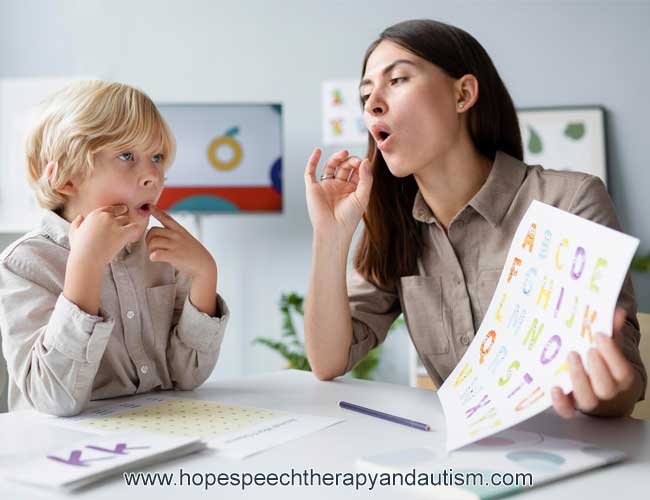
Speech therapy addresses difficulties involving speech, language, communication, voice, fluency, and in some cases feeding or swallowing. A child may need assessment when speech develops later than expected, sounds are difficult to understand, vocabulary remains limited, instructions are hard to follow, or communication with others is unusually difficult. Adults can also benefit when communication changes after neurological illness or injury. Treatment depends on the underlying difficulty rather than simply the age of the person. A speech-language professional may assess understanding, expression, pronunciation, social communication, and functional communication before establishing goals. In Stockholm, communication support is also part of habilitation services for people with permanent disabilities, and speech therapists work as part of multidisciplinary teams. Hope Centre for Speech Therapy and Autism Treatment provides individualized speech therapy focused on practical communication, helping clients develop clearer expression, stronger language skills, better comprehension, and more confident everyday interaction.

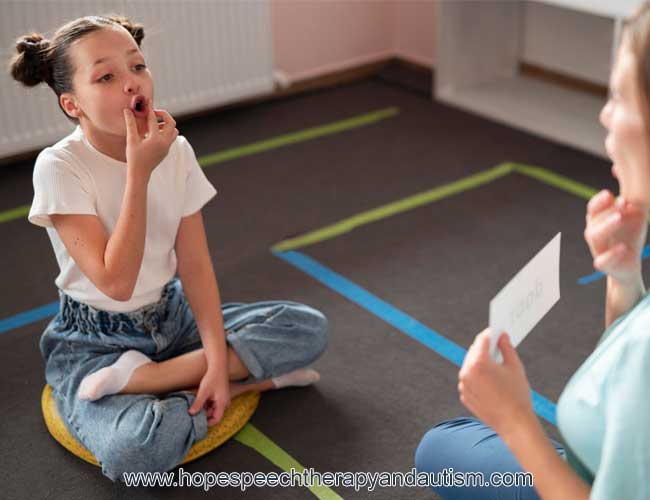
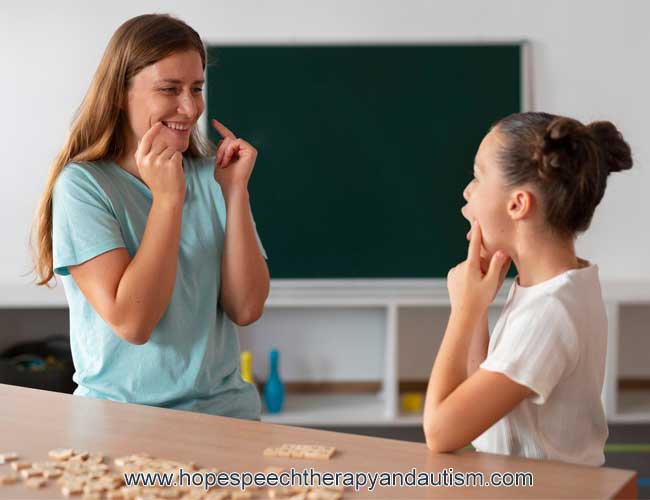
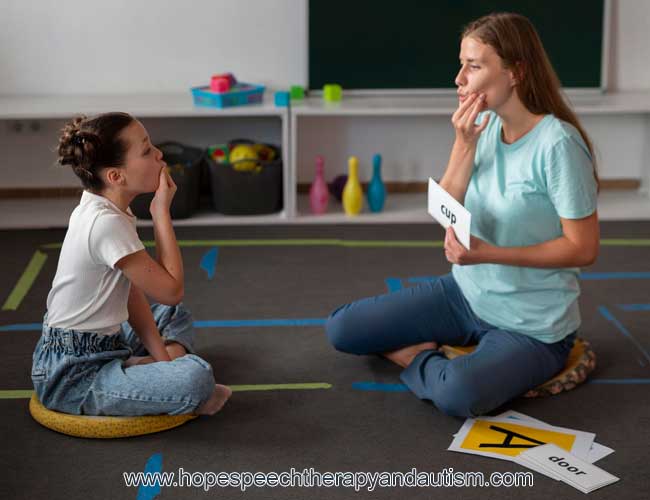
Effective speech therapy is usually built around measurable functional goals. For example, therapy may work on producing particular speech sounds, expanding vocabulary, forming sentences, answering questions, understanding concepts, using alternative communication, or improving social communication. For children with autism, communication goals may also include requesting, commenting, taking turns, understanding social cues, and communicating needs without frustration. Online sessions can be useful when activities are adapted for the home environment and parents are shown how to practise targeted skills naturally during daily routines. Hope Centre for Speech Therapy and Autism Treatment emphasizes this practical connection between therapy and everyday life. Rather than treating communication as an isolated exercise, the programme can focus on skills that help the individual participate more effectively at home, in education, and in social situations. Consistent practice and progress monitoring remain important parts of meaningful speech intervention.
What Is Autism and What Are Its Symptoms and Treatment Options?
Autism is a neurodevelopmental condition associated with differences in social communication and interaction, along with restricted or repetitive patterns of behaviour, interests, or activities. Presentation varies widely, so two people with autism may have very different strengths and support needs. Some children may have delayed spoken language, difficulty with reciprocal conversation, reduced flexibility, repetitive movements, intense interests, or difficulty adjusting to changes in routine. Others may speak fluently but struggle with social understanding, sensory experiences, or everyday organization. Autism is not something that should be described through one fixed treatment formula. In Stockholm, regional habilitation services support children and adults with autism and can provide guidance concerning communication, social interaction, sensory experiences, daily functioning, and challenging behaviour. Hope Centre for Speech Therapy and Autism Treatment approaches autism support individually, focusing on functional skills and helping families understand what strategies are most appropriate for the person's particular needs.
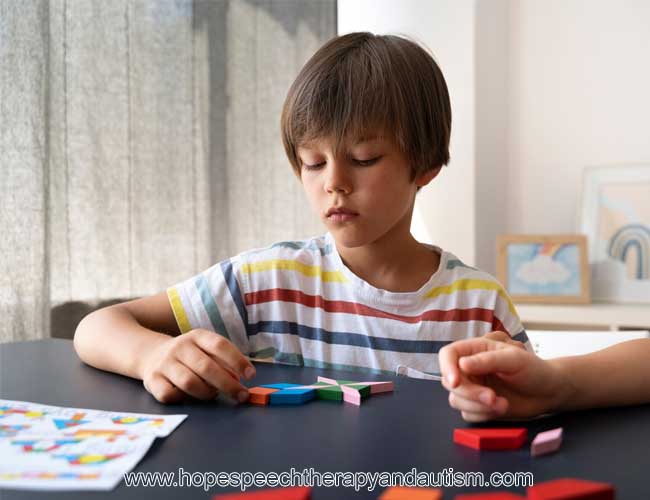
There is no single medicine or therapy that removes autism, and good support should never promise a cure. Instead, intervention focuses on improving quality of life, communication, participation, learning, independence, and emotional or behavioural regulation. Depending on the individual's profile, support may include speech therapy, occupational therapy, educational intervention, psychological support, social communication work, and parent coaching. Families can also benefit from learning how to adapt routines, environments, communication styles, and expectations. Hope Centre for Speech Therapy and Autism Treatment provides structured autism intervention that can bring these areas together around practical developmental goals. Online sessions can also give parents opportunities to observe strategies directly and use them during everyday situations. The emphasis is on building useful abilities while respecting the person's individual strengths, preferences, pace of learning, and long-term independence rather than applying a one-size-fits-all programme.
What Is Special Education and Academic Therapy and How Can It Help?
Special education provides individualized educational support for learners whose developmental, cognitive, communication, behavioural, sensory, or learning needs make ordinary teaching approaches less effective. Academic therapy is more targeted and can address specific difficulties in areas such as reading, writing, spelling, mathematics, comprehension, attention, or study skills. The first step should be understanding why a learner is struggling instead of assuming that lack of effort is the problem. Assessment can help identify the skills that are secure and the areas that require structured teaching. Stockholm's habilitation services include special educators among the professionals who may support children and adults with disabilities, and coordination with school or other educational settings can be important. Hope Centre for Speech Therapy and Autism Treatment provides individualized academic support that can connect learning goals with the child's communication, attention, developmental, and functional abilities.
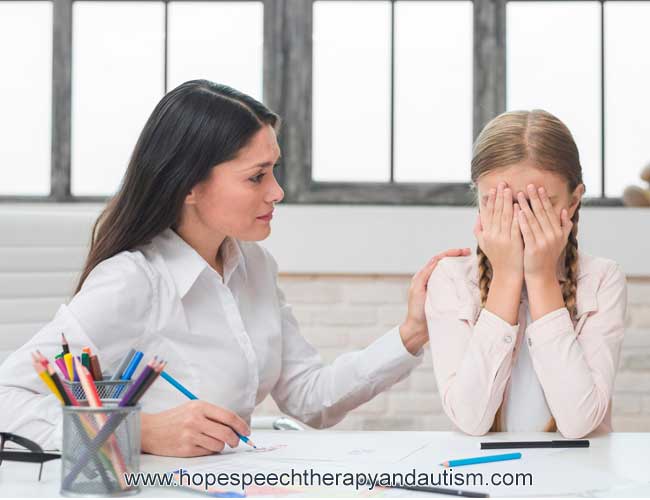
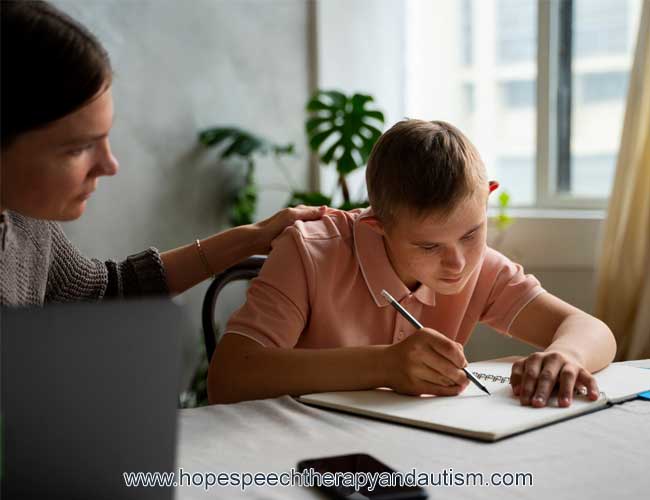
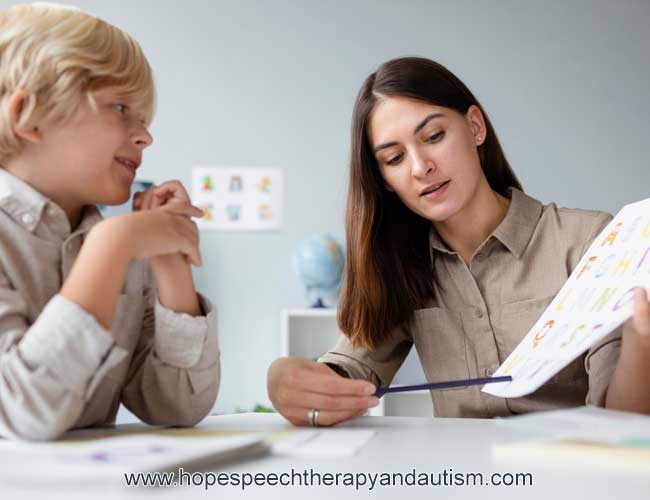
Academic therapy works best when teaching is specific, systematic, and adjusted according to progress. A learner with reading difficulties may need explicit work on phonological awareness, decoding, fluency, vocabulary, and comprehension, while another learner may require support with written expression, number concepts, problem solving, or organization. Children with autism may also need visual structure, predictable routines, communication adaptations, and help transferring classroom skills into independent work. Online intervention can be particularly useful when parents and educators can observe the teaching process and continue selected strategies between sessions. Hope Centre for Speech Therapy and Autism Treatment focuses on individualized academic planning rather than simply increasing the amount of homework. The purpose is to strengthen the underlying skill, improve confidence, and make learning more manageable. When appropriate, collaboration between parents, therapists, and educational professionals can help ensure that intervention goals remain consistent across settings.
What Is Occupational Therapy and Sensory Integration Therapy and When Is It Needed?
Occupational therapy helps people develop or maintain the abilities required for everyday activities, participation, and independence. For children, this can include dressing, handwriting, play, classroom participation, fine-motor skills, coordination, and managing everyday routines. Some children also experience sensory processing differences, such as becoming overwhelmed by particular sounds, textures, movement, lights, or touch. Sensory integration approaches may be considered when sensory responses interfere with functional participation, although therapy should be linked to meaningful activities rather than sensory exercises alone. Stockholm's habilitation services include occupational therapists who can support areas such as motor function, sensory experiences, daily routines, and assistive solutions. Hope Centre for Speech Therapy and Autism Treatment provides occupational and sensory-focused intervention aimed at practical outcomes, helping individuals become more comfortable and capable in activities that matter to them.
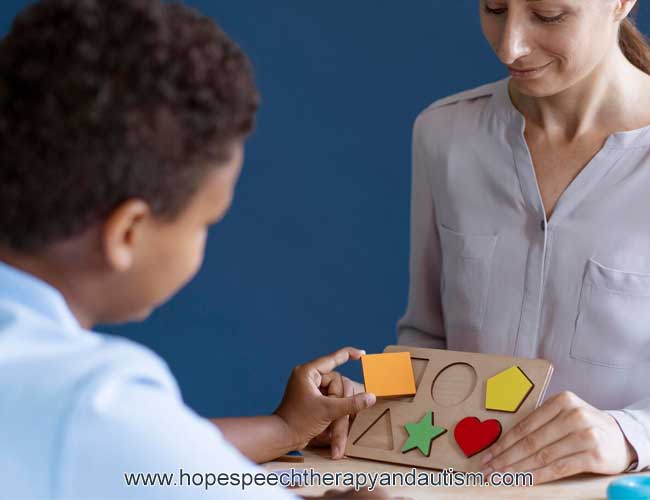
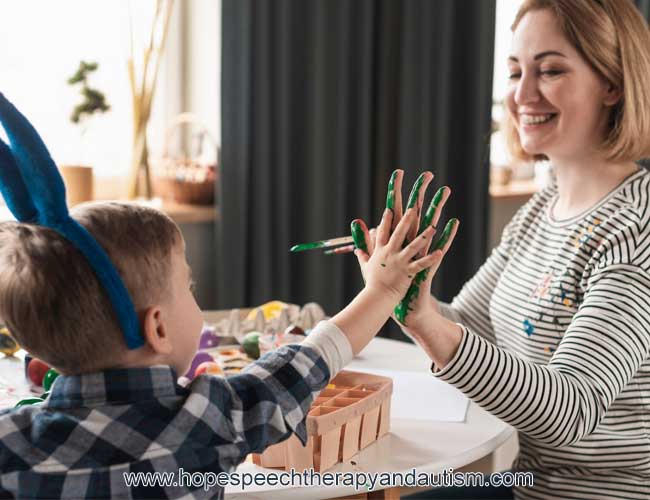


Occupational therapy should begin with a clear functional question: what activity is difficult, why is it difficult, and what change would make daily life easier? A therapist may work on fine-motor control, visual-motor coordination, self-care routines, classroom participation, motor planning, or environmental adaptations. When sensory differences contribute to distress or avoidance, intervention can also involve identifying triggers and teaching practical regulation strategies. For an autistic child, this might mean making dressing, mealtimes, school tasks, or transitions more manageable. Hope Centre for Speech Therapy and Autism Treatment takes a goal-oriented approach by connecting sensory and occupational strategies with real-life participation. Online guidance can also help parents understand how to modify routines and environments at home. Progress is best judged by improved function and participation rather than by completing a particular sensory activity. This keeps therapy focused on meaningful independence and everyday outcomes.
What Is CBT and How Can Cognitive Behavioral Therapy Help?
Cognitive Behavioral Therapy, commonly called CBT, is a structured psychological approach that examines the relationship between thoughts, emotions, and behaviours. It is commonly used for difficulties such as anxiety, low mood, specific fears, stress, and other emotional or behavioural concerns. CBT does not mean simply telling someone to think positively. A therapist identifies patterns that maintain a problem and teaches practical skills for responding differently. For children and young people, the methods are adapted to developmental level and may involve parents, visual tools, behavioural practice, and concrete examples. For autistic individuals, CBT may be adapted to accommodate communication style, cognitive profile, sensory needs, and preference for clear structure. Stockholm's habilitation system includes psychologists as part of multidisciplinary teams supporting people with autism and other disabilities. Hope Centre for Speech Therapy and Autism Treatment provides structured CBT-oriented support that focuses on useful coping skills, emotional understanding, problem solving, and improved day-to-day functioning.

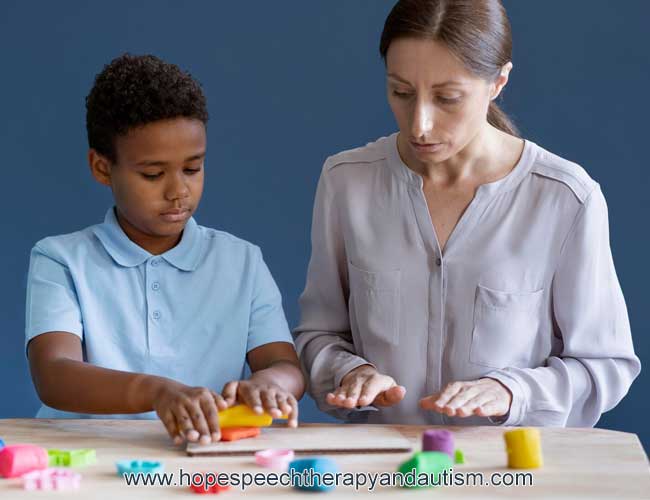

Good CBT begins with assessment and a clear understanding of the person's specific concern. Treatment may include identifying unhelpful thinking patterns, learning relaxation or emotional regulation techniques, gradually facing feared situations, improving problem-solving skills, and practising new responses between sessions. For autistic clients, therapy may need additional structure and concrete language, while goals should remain relevant to the person's actual environment rather than focusing only on abstract thoughts. Hope Centre for Speech Therapy and Autism Treatment can use a personalized approach to make therapeutic strategies understandable and practical for the individual and family. Online CBT can also offer a convenient format when appropriate, particularly when the person is comfortable communicating through a digital platform. However, suitability should be assessed individually, and significant mental health concerns should be evaluated by an appropriately qualified professional. The objective is meaningful improvement in coping, confidence, emotional regulation, and participation.
What Is Hearing Aid Treatment and Where Can You Find the Best Hearing Aid Centre in Stockholm?
Hearing aid treatment begins with understanding the type and degree of hearing loss rather than choosing a device based only on appearance or brand. A hearing assessment can establish how well different frequencies are detected and whether amplification may improve communication. Hearing aids work by processing and amplifying sound according to the person's hearing needs, but successful treatment also involves fitting, adjustment, follow-up, and learning how to use the device in different listening environments. In Stockholm, adults with hearing loss who need hearing aids or other hearing assistance can contact approved hearing clinics in Region Stockholm, while some hospital-based clinics require referrals. Regional information also states that hearing aids are among the most common hearing aids used as assistive devices and that several models may be available. Hope Centre for Speech Therapy and Autism Treatment can provide guidance around hearing-related support and communication needs, helping families understand the importance of proper assessment and individualized assistance.
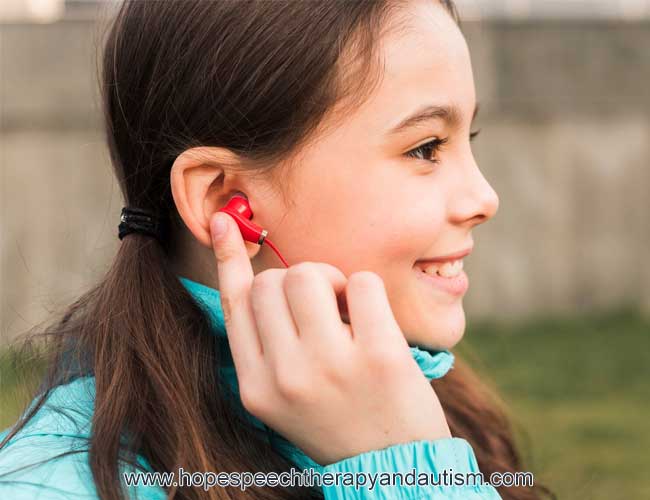
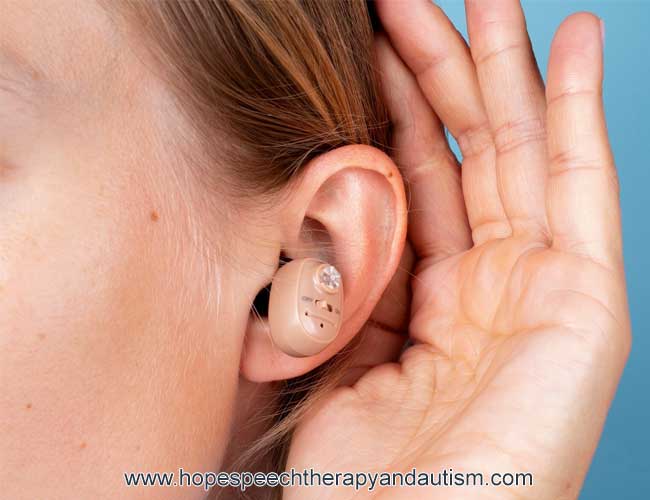

Choosing hearing support should involve more than purchasing a device. The hearing aid needs to match the person's hearing profile, communication requirements, lifestyle, and ability to manage the device. Follow-up is important because hearing aids may need adjustment after the user has experienced them in real situations. Region Stockholm states that hearing aids are generally provided as borrowed hearing aids under its regional system, with service, repairs, and follow-up included under the applicable arrangement. This makes professional fitting and ongoing review important parts of the process. Hope Centre for Speech Therapy and Autism Treatment can also support communication development when hearing difficulties affect speech, language, learning, or social participation. If you are looking for an Online Autism Treatment & Speech Therapy Centre in Stockholm, the most useful first step is a proper assessment followed by a coordinated plan based on actual needs. Contact Hope Centre for Speech Therapy and Autism Treatment to discuss the concerns, identify suitable services, and begin a structured path toward better communication, learning, independence, and everyday participation.