
Are You Looking for an Online Autism Treatment & Speech Therapy Centre in Puketapapa?
Finding the right developmental support can make everyday communication, learning, behaviour, and independence easier for children and families. For parents in Puketapapa, online therapy can be a practical option when travelling to appointments is difficult, schedules are busy, or a child feels more comfortable receiving support in a familiar home environment. An Online Autism Treatment & Speech Therapy Centre in Puketapapa can bring structured professional guidance closer to families while allowing therapy goals to remain connected with home and school routines. This is particularly relevant in Auckland, where families may already be navigating education-based learning support and allied health services. New Zealand’s Ministry of Education recognises the importance of support for communication, learning, social-emotional development, and sensory needs, with services that can involve speech-language therapists, occupational therapists, psychologists, and other specialists.
Hope Centre for Speech Therapy and Autism Treatment focuses on practical, individualised support rather than treating every child in exactly the same way. Its approach can bring together speech therapy, autism intervention, special education, occupational therapy, CBT, and hearing-related support according to the needs identified during assessment. For families searching for online autism therapy in Puketapapa, this integrated model can make it easier to work on communication, classroom participation, emotional regulation, sensory responses, and daily living skills within one coordinated plan. The aim is not simply to complete therapy sessions but to help children apply what they learn in real situations. The following sections explain what each service involves, what signs may indicate a need for support, and how Hope Centre can contribute to a structured therapy journey.
What Is Speech Therapy, and What Symptoms Can It Treat?
Speech therapy supports children and adults who experience difficulties with speech, language, communication, fluency, voice, or social communication. Signs may include speech that is difficult to understand, limited vocabulary, difficulty forming sentences, trouble following verbal instructions, stammering, problems answering questions, or difficulty taking part in conversations. A child may also understand more than they can express, which can lead to frustration or withdrawal. The New Zealand Ministry of Education identifies speech-language therapists as part of learning support and notes that children may need assistance when communication difficulties affect participation and learning. An Online Speech Therapy Centre in Puketapapa can assess these challenges and establish practical goals based on the person's age, communication level, and everyday needs. Therapy may work on pronunciation, receptive and expressive language, vocabulary, sentence development, fluency, communication strategies, and social interaction.
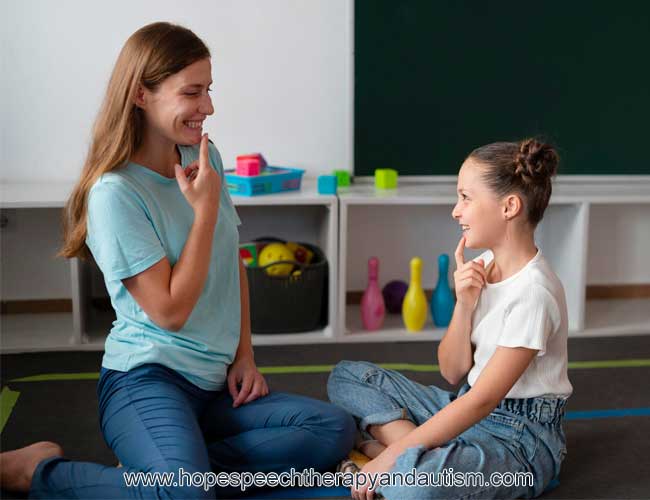
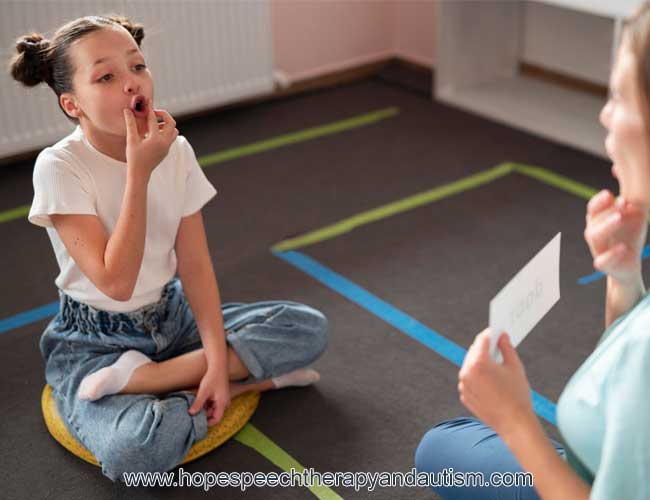
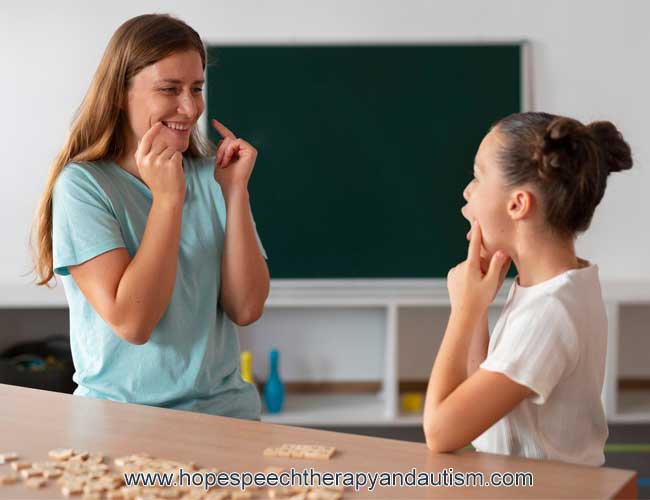
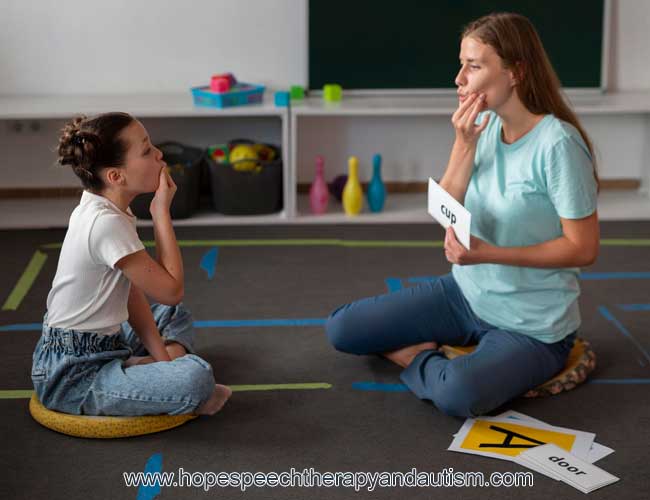
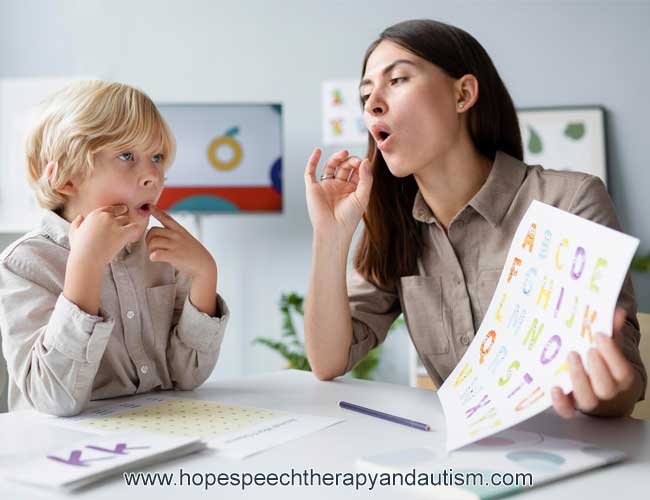
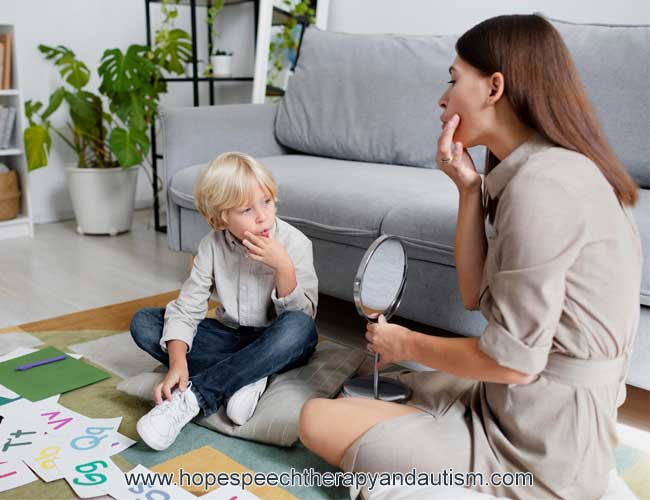
Hope Centre for Speech Therapy and Autism Treatment can use structured speech and language activities to target the specific communication skills that need development. For a child in Puketapapa attending school or early learning, therapy can be particularly useful when goals are connected to classroom instructions, peer interaction, storytelling, answering questions, or communicating needs independently. Online sessions can also allow parents to observe techniques and continue suitable activities between appointments. Where appropriate, communication strategies may include visual supports, modelling, repetition, prompting, and practice in meaningful situations. Consistent therapy is generally more useful than isolated exercises because communication skills develop through repeated opportunities to understand and use language. Parents should seek a professional assessment when communication difficulties persist or interfere with learning, relationships, or everyday participation rather than relying on age-based comparisons alone.
What Is Autism, and What Are the Symptoms and Treatment Options?
Autism is a neurodevelopmental condition associated with differences in social communication and interaction, together with restricted or repetitive patterns of behaviour, interests, or activities. The presentation varies considerably from one person to another. Some children may have difficulty with reciprocal conversation, eye contact or other social communication cues, flexibility, transitions, pretend play, or understanding social situations. Others may show repetitive movements, strong interests, a preference for predictable routines, or unusual responses to sensory experiences. Autism is not identified from one behaviour alone, and support should be based on a comprehensive assessment rather than assumptions. In New Zealand, autism-related support can involve different pathways, including health and disability services, education support, and allied health professionals. An Online Autism Treatment Centre in Puketapapa can therefore be useful as part of a wider individualised support plan.
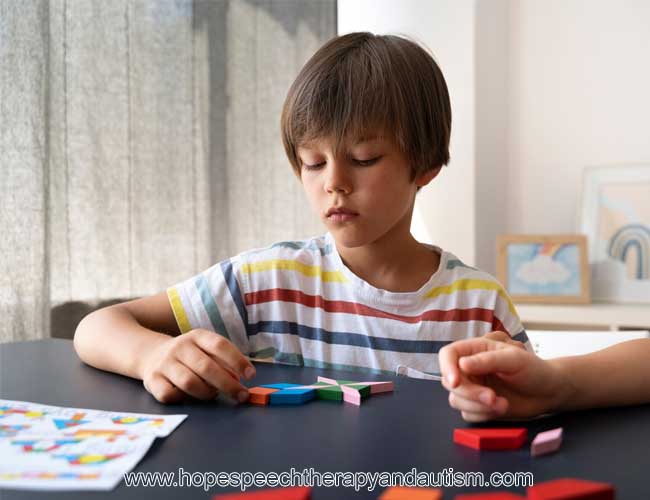
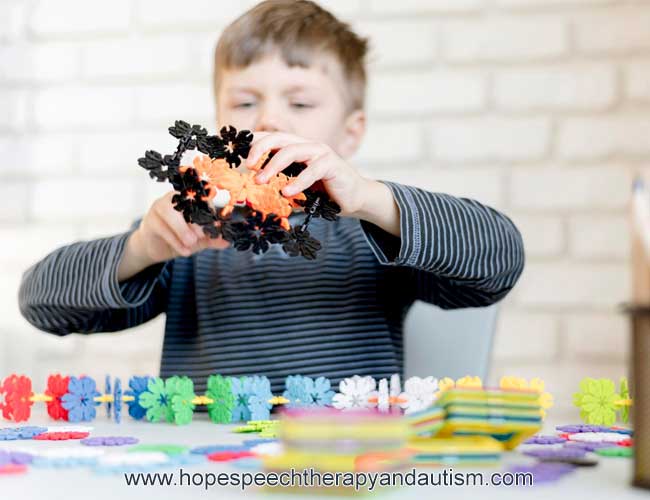
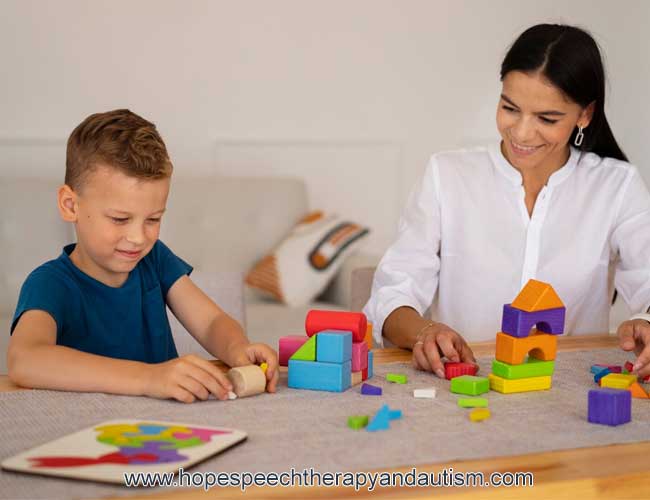
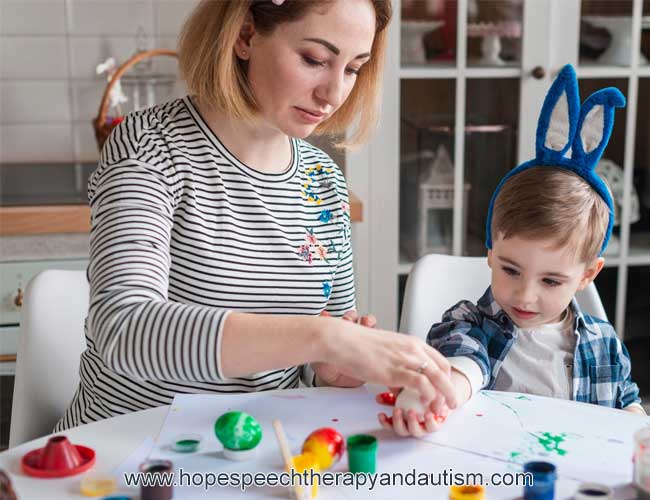
Hope Centre for Speech Therapy and Autism Treatment takes a skill-focused approach to autism support, with intervention planned around the child's communication, behaviour, learning, social interaction, and independence goals. Autism treatment does not mean changing a child's identity; effective support should reduce barriers and develop useful skills while respecting individual differences. Therapy may address functional communication, social interaction, emotional regulation, adaptive routines, attention, and participation in everyday activities. For families in Puketapapa, online sessions can also provide parents with guidance that can be incorporated into ordinary routines at home. The New Zealand disability support system notes that autism-related pathways can connect families with allied health services such as occupational therapy and speech-language therapy. A coordinated approach can therefore help families understand which areas require direct intervention and which can be supported through consistent strategies at home and in educational settings.
What Are Special Education and Academic Therapy, and How Can They Help?
Special education provides tailored educational support for learners whose developmental, communication, behavioural, sensory, or learning needs require adjustments beyond a standard classroom approach. Academic therapy is more targeted, focusing on specific skills such as reading, writing, spelling, comprehension, mathematics, attention, organisation, or study strategies. A child may understand a lesson but struggle to demonstrate that understanding because of language processing, working memory, attention, or executive-function difficulties. New Zealand's education system provides learning support through professionals including early intervention teachers, learning support coordinators, Resource Teachers: Learning and Behaviour, speech-language therapists, occupational therapists, and psychologists. Individual support plans can be developed around a child's needs and goals. This makes an Online Special Education and Academic Therapy Centre in Puketapapa particularly useful when parents want structured learning intervention that complements, rather than replaces, school-based support.
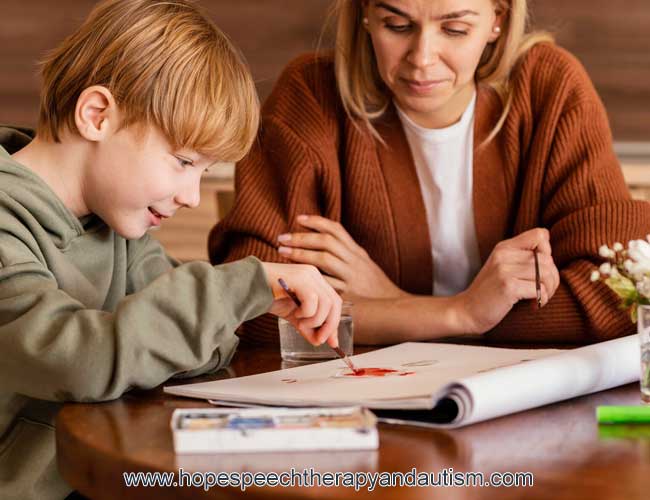
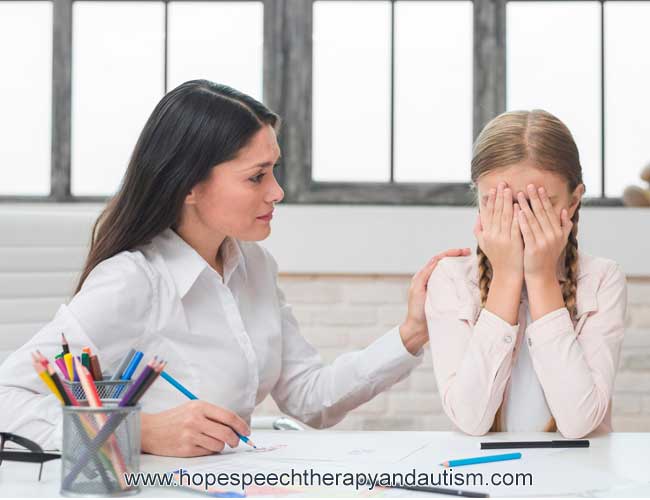
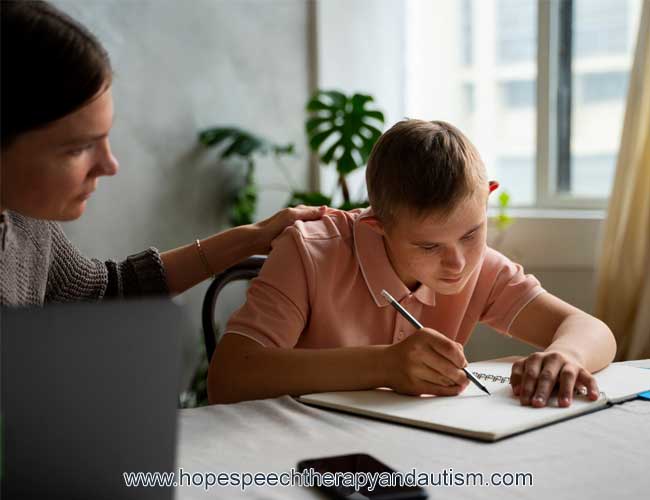
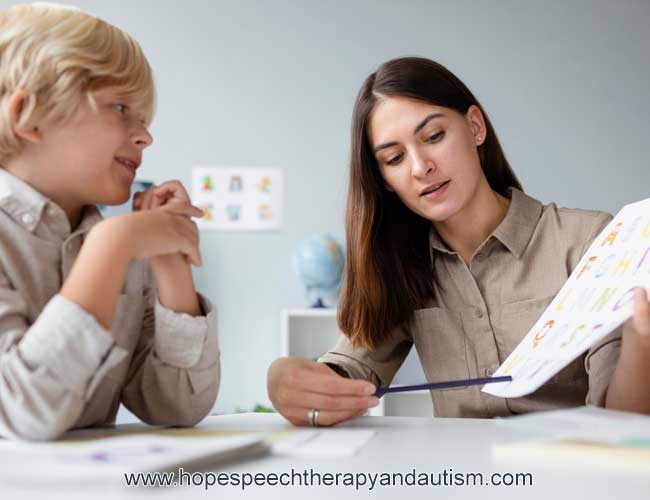
Hope Centre for Speech Therapy and Autism Treatment can make academic intervention more purposeful by first identifying the skills creating difficulty and then setting measurable learning goals. Instead of simply giving a child more worksheets, therapy can focus on how the learner processes instructions, retains information, organises work, develops literacy skills, and responds to academic demands. For children in Puketapapa, this can complement communication and autism-focused intervention when learning difficulties overlap with developmental needs. Online sessions may also allow parents to see the teaching methods being used and understand how to reinforce appropriate skills without turning the home into another classroom. The strongest plans remain flexible: goals should be reviewed as the learner develops, and communication with teachers and other professionals can help ensure that strategies remain consistent across learning environments.
What Is Occupational Therapy and Sensory Integration Therapy, and When Is It Needed?
Occupational therapy helps people develop or maintain skills needed for everyday activities, including self-care, school participation, play, movement, coordination, and independence. Children may benefit when they have difficulty with handwriting, dressing, feeding routines, fine-motor tasks, balance, coordination, attention, or completing everyday activities. Sensory integration approaches may be considered when a child responds unusually to sounds, textures, movement, touch, light, or other sensory experiences. These differences can affect participation rather than being simply a matter of preference. An Occupational Therapy and Sensory Integration Therapy Centre in Puketapapa can assess how sensory and motor difficulties influence daily functioning and then develop appropriate goals. In New Zealand, occupational therapists are among the professionals who may be involved in learning support, particularly when additional needs affect participation and progress.
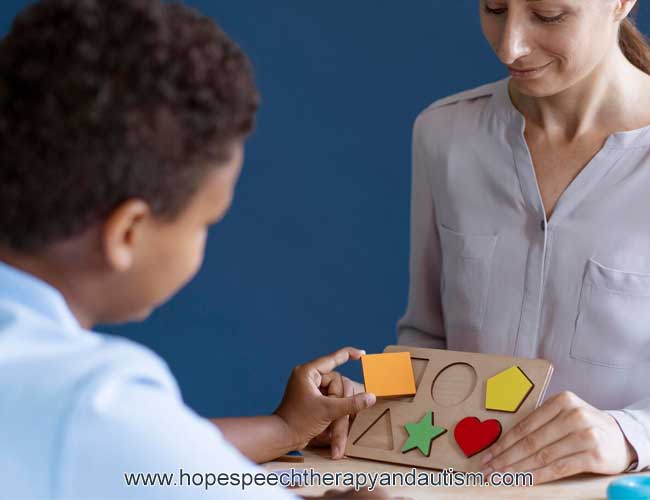
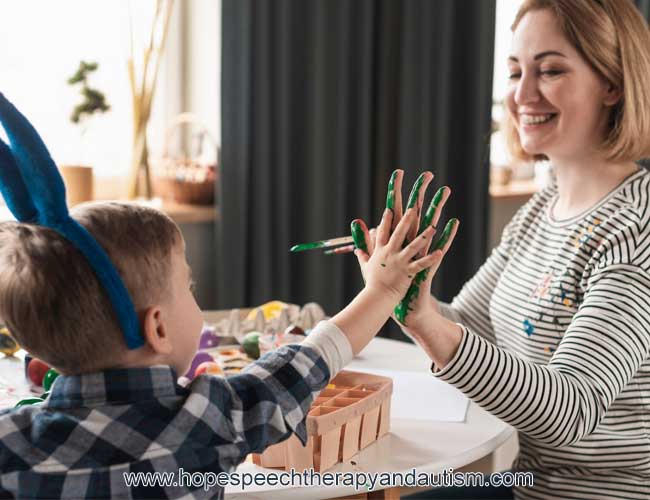

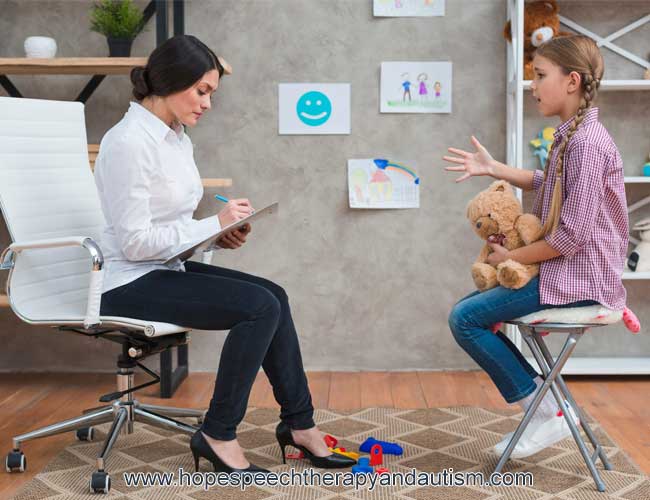
Hope Centre for Speech Therapy and Autism Treatment can connect occupational goals with the child's wider developmental plan, particularly when sensory, communication, academic, and behavioural difficulties overlap. Therapy may use functional activities to practise skills rather than focusing only on isolated exercises. For example, intervention can target classroom readiness, fine-motor control, following routines, independence with self-care, or coping with sensory demands that interfere with participation. Families looking for Sensory Integration Therapy in Puketapapa should expect assessment and goal-setting to be based on the individual child rather than assuming that every sensory behaviour requires the same treatment. Online therapy can also provide parent coaching and home-based strategies when appropriate, while children who require hands-on assessment or intervention may need face-to-face occupational therapy as part of their wider care plan.
What Is CBT, and How Can Cognitive Behavioral Therapy Support Children?
Cognitive Behavioral Therapy, commonly called CBT, is a structured psychological approach that explores connections between thoughts, feelings, and behaviours. It is commonly used for difficulties such as anxiety, low mood, fears, avoidance, and problems coping with stressful situations. For children, CBT is usually adapted to their developmental level and may involve practical activities that help them recognise emotions, understand patterns, practise coping strategies, and gradually respond differently to challenging situations. CBT is not a treatment for autism itself, but it may be useful for co-occurring emotional or behavioural difficulties when delivered by an appropriately qualified professional. Families searching for a Cognitive Behavioral Therapy Centre in Puketapapa should therefore consider the specific concern being addressed, the child's age, communication abilities, and whether the practitioner has suitable training and experience.

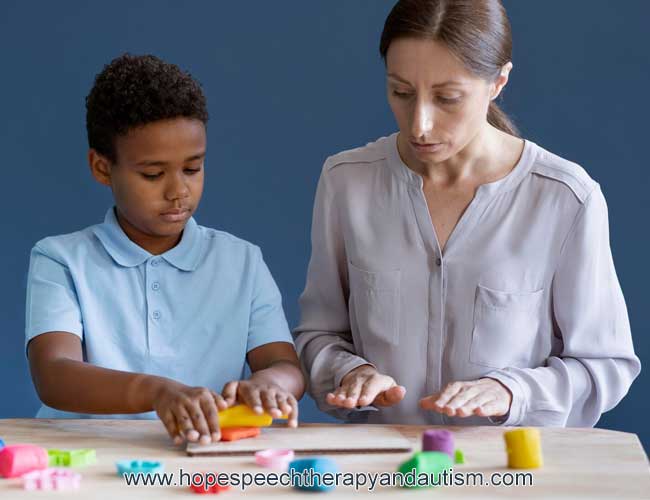
Hope Centre for Speech Therapy and Autism Treatment can incorporate structured CBT-based strategies when they are clinically appropriate for the individual's needs. The focus can be on practical skills such as identifying emotional triggers, developing coping responses, challenging unhelpful thought patterns, managing worry, and building confidence in situations that cause distress. For children with communication or developmental differences, therapy should be adapted so that concepts are understandable and achievable rather than relying on abstract explanations. Online CBT can be convenient for families in Puketapapa because sessions can take place in a familiar environment, although the suitability of online delivery depends on the child's needs and the nature of the concern. A proper assessment should always guide intervention, and families should choose a qualified professional who can explain the goals, expected process, and appropriate boundaries of CBT.
What Is Hearing Aid Treatment, and How Can You Find the Right Hearing Aid Centre?
Hearing aid treatment begins with identifying the type and degree of hearing difficulty through appropriate hearing assessment. Hearing aids are electronic devices designed to amplify and process sound for people who may benefit from amplification, but they are not suitable for every type of hearing problem. Symptoms that may warrant a hearing assessment include frequently asking others to repeat themselves, difficulty understanding speech in noisy environments, turning up television volume, delayed responses to spoken instructions, or concerns about a child's listening and language development. For children, hearing is closely connected with speech, language, learning, and social participation, so unexplained communication difficulties should not automatically be attributed to a developmental condition. Families seeking a Hearing Aid Treatment Centre in Puketapapa should therefore begin with professional hearing evaluation and follow-up rather than selecting a device based solely on appearance or price.
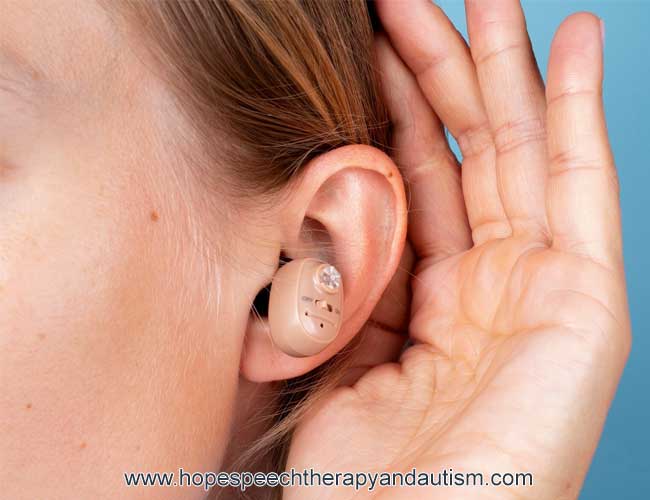
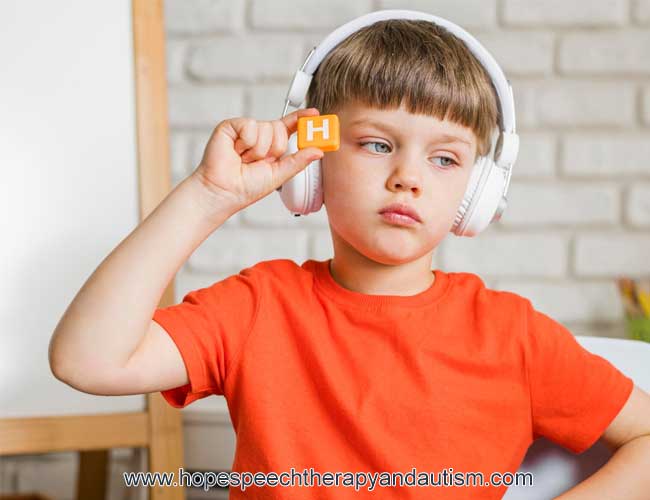

Hope Centre for Speech Therapy and Autism Treatment can help families consider hearing-related needs alongside speech and developmental concerns, helping avoid the mistake of treating communication difficulties without first considering whether hearing may be contributing to them. Appropriate hearing support may involve assessment, device selection, fitting, adjustment, counselling, and ongoing monitoring depending on the individual's situation and the services available through the relevant hearing professional. For families in Puketapapa, this integrated perspective can be especially useful when a child has both communication and developmental concerns. Hearing aids require follow-up because comfort, listening needs, technology settings, and hearing levels can change over time. Professional guidance is therefore more important than simply obtaining a device. If you are concerned about hearing, speech, or listening ability, arranging a proper assessment is a sensible first step before deciding what treatment or technology is appropriate.
Are You Ready to Choose the Right Online Therapy Support in Puketapapa?
Choosing developmental support is easier when families understand exactly what a service is designed to address. Speech therapy can strengthen communication, autism intervention can support functional development and participation, academic therapy can target learning barriers, occupational therapy can address everyday and sensory-motor challenges, CBT can support appropriate emotional and behavioural goals, and hearing services can identify or manage hearing-related barriers to communication. These services do not have to be viewed as isolated treatments. When properly coordinated, they can contribute to a more complete support plan based on the child's individual strengths and needs. Families in Puketapapa can also consider how professional therapy can work alongside education-based learning support and other local services rather than replacing them.
Hope Centre for Speech Therapy and Autism Treatment aims to provide structured, accessible, and individualised support for families seeking professional guidance. If you are searching for an Online Autism Treatment & Speech Therapy Centre in Puketapapa, the best starting point is to discuss the child's current difficulties, previous assessments, school concerns, and therapy goals with the centre. This allows the appropriate service to be considered instead of choosing an intervention based only on a general diagnosis or symptom. Contact Hope Centre to discuss your requirements, understand the available therapy options, and develop a practical plan focused on meaningful progress in communication, learning, behaviour, independence, and everyday participation.