
Are You Looking for an Online Autism Treatment & Speech Therapy Centre in Phoenix?
Finding the right therapy for a child with communication, learning, sensory, behavioural, or hearing needs can feel complicated, especially when families are balancing school, work, appointments, and everyday responsibilities. An online Autism Treatment & Speech Therapy Centre in Phoenix can make professional support more accessible by bringing structured sessions into the child’s familiar home environment. The right approach should not rely on generic exercises. It should begin with an assessment, identify practical goals, involve parents and caregivers, and track progress over time. In Phoenix, families can also consider local systems such as Arizona’s early intervention services and school-based special education support when determining what type of assistance a child may need. This article explains how speech therapy, autism intervention, academic therapy, occupational therapy, CBT, and hearing aid services can work together, while showing how Hope Centre for Speech Therapy and Autism Treatment can support families through individualized, accessible care.
What Is Speech Therapy, and What Symptoms Can It Treat in Phoenix?
Speech therapy addresses difficulties involving speech sounds, language, communication, voice, fluency, and sometimes feeding or swallowing. A child may benefit when they are difficult to understand, use fewer words than expected, struggle to follow directions, have difficulty forming sentences, repeat sounds or words, or find it hard to participate in conversations. A speech-language pathologist first evaluates the child’s communication abilities rather than assuming that every delay has the same cause. Treatment can then target areas such as expressive language, receptive language, articulation, social communication, or fluency. For families searching for Speech Therapy Services in Phoenix, online sessions can be useful when the child is comfortable participating from home. Hope Centre for Speech Therapy and Autism Treatment focuses on individualized communication goals and practical strategies that families can reinforce between sessions.

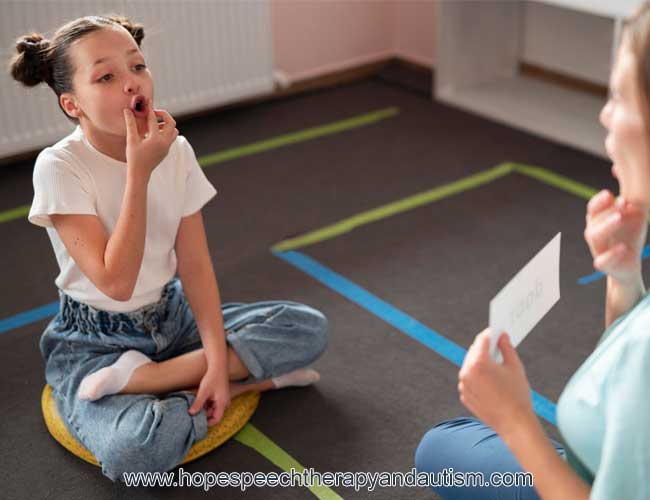
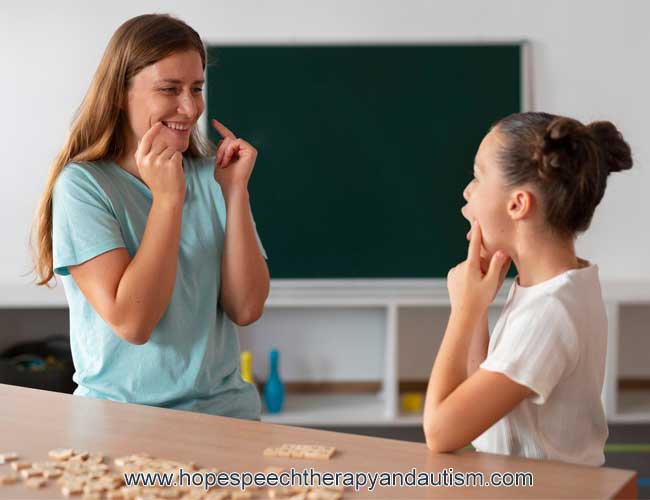
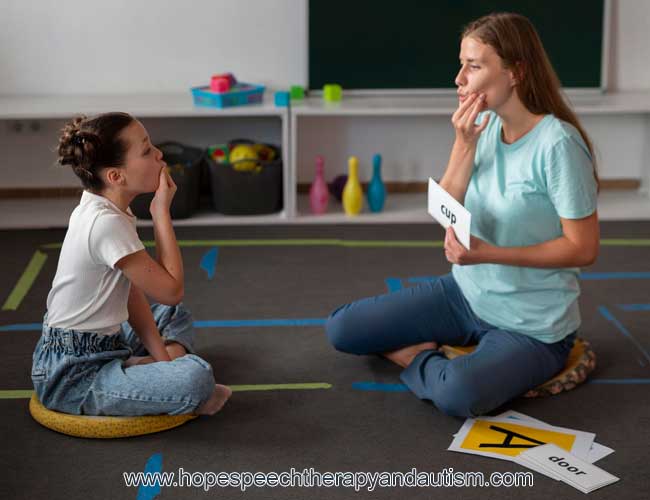
Effective treatment is usually functional and measurable. Instead of simply practising sounds repeatedly, therapy may use conversation, pictures, play, reading, storytelling, or everyday routines depending on the child’s age and needs. A child working on receptive language may practise understanding questions and instructions, while another child may work on clearer pronunciation or social communication. Hope Centre provides a structured environment where therapy goals can be adjusted as abilities develop, and parents can learn techniques that support communication outside the session. For families looking for an online Speech Treatment Centre in Phoenix, this model can reduce travel demands while maintaining regular professional guidance. Consistent attendance, realistic goals, caregiver participation, and periodic reassessment are important parts of determining whether an intervention is helping.
What Is Autism, and What Are Its Symptoms and Treatment Options?
Autism spectrum disorder is a neurodevelopmental condition associated with differences in social communication and interaction, together with restricted or repetitive behaviours, interests, or activities. Signs can include limited eye contact or social reciprocity, difficulty with back-and-forth communication, repetitive movements, intense interests, distress around changes in routine, or unusual sensory responses. Autism varies considerably from person to person, so treatment should never follow a single formula. An evaluation by qualified professionals is important when concerns arise. For families in Phoenix, early identification can help children access appropriate developmental, educational, and therapeutic support. Autism Treatment in Phoenix may involve speech therapy, occupational therapy, behavioural approaches, social communication support, educational intervention, and caregiver training, depending on individual needs. Hope Centre approaches autism support around functional goals, communication, independence, participation, and the child’s existing strengths.
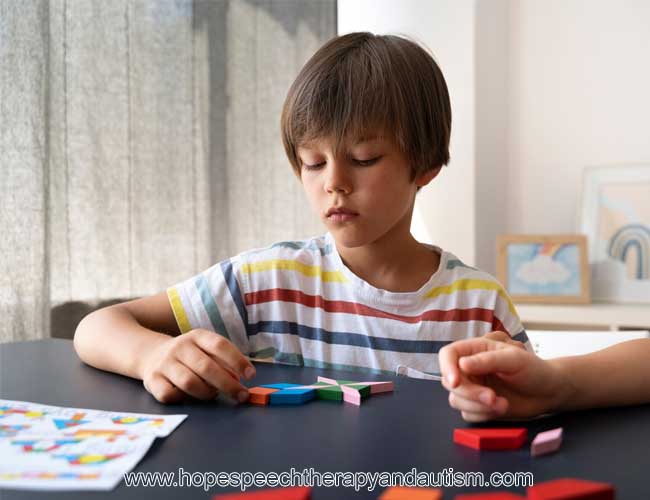
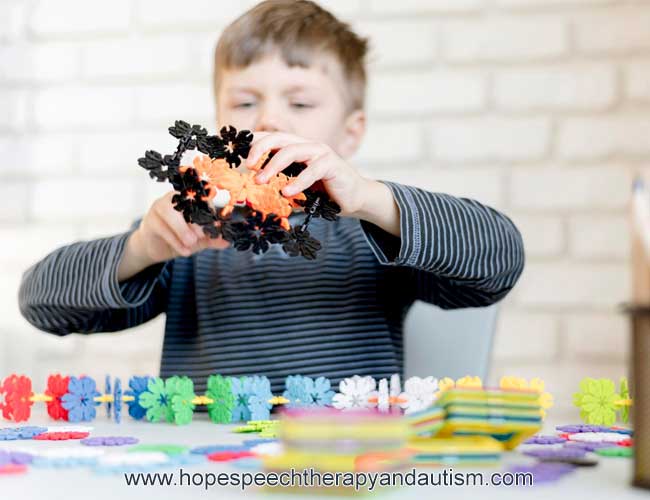
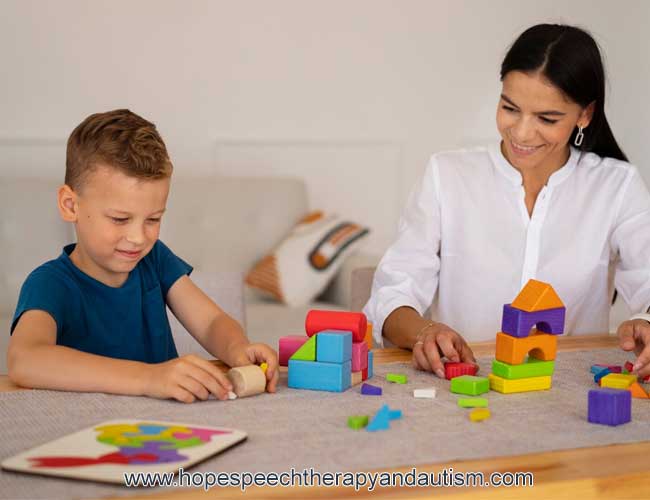
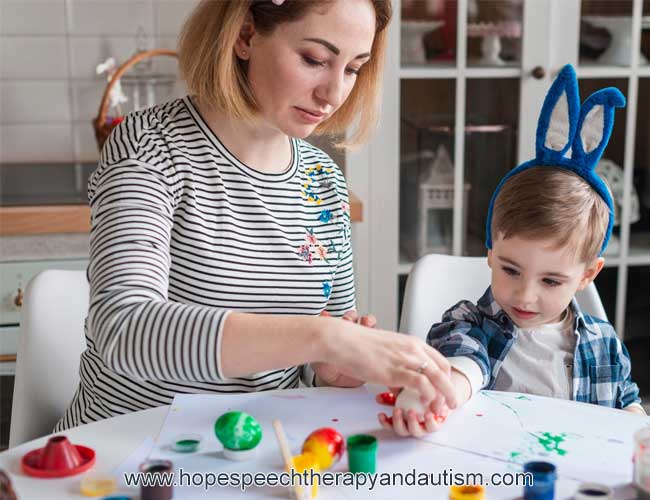
Good autism intervention focuses on skills that matter in daily life rather than trying to change a child’s personality or eliminate harmless differences. Communication goals may include requesting, answering questions, expressing feelings, understanding others, or using alternative communication when appropriate. Therapy can also address transitions, routines, emotional regulation, play, and independence. Hope Centre for Speech Therapy and Autism Treatment supports families with a coordinated approach so that communication and developmental goals can be practised consistently across settings. For an Online Autism Treatment Centre in Phoenix, home-based sessions may also give therapists an opportunity to understand how a child communicates naturally in familiar surroundings. Parents should expect progress to be monitored rather than promised, because outcomes depend on the child’s needs, consistency of intervention, developmental stage, and the suitability of the treatment plan.
What Is Special Education and Academic Therapy, and Who Can Benefit?
Special education provides specially designed instruction and related services for eligible students whose disabilities affect educational performance. In the United States, eligible students receive support under federal requirements such as the Individuals with Disabilities Education Act, commonly known as IDEA. In Arizona, families can work with their child’s school to understand evaluation procedures, Individualized Education Programs, accommodations, and related services. Academic therapy is different from simply giving a child more homework. It provides targeted instruction for specific learning needs, which may involve reading, writing, spelling, mathematics, attention, organization, or study skills. Families seeking Special Education and Academic Therapy in Phoenix should consider both school-based services and additional private support where appropriate. Hope Centre can complement a child’s educational goals by providing individualized academic practice and helping families build consistent learning routines around the child’s abilities.
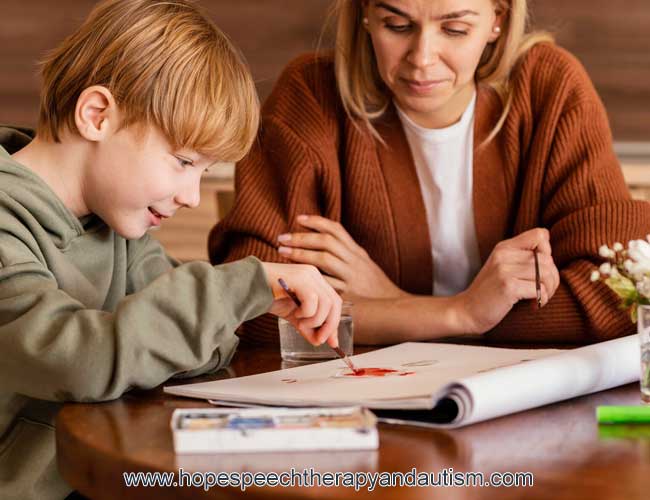
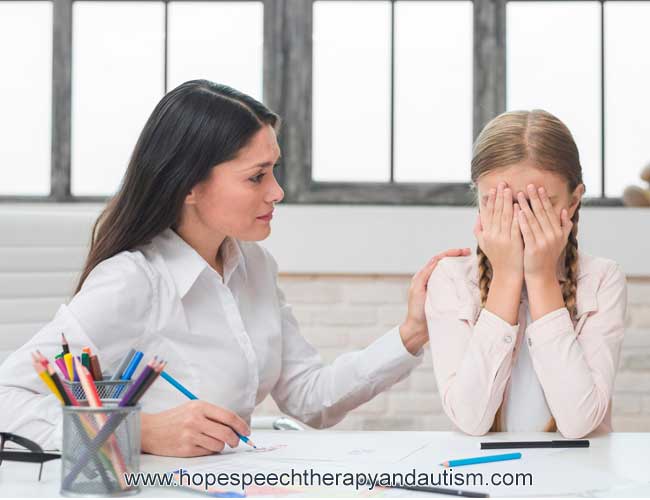
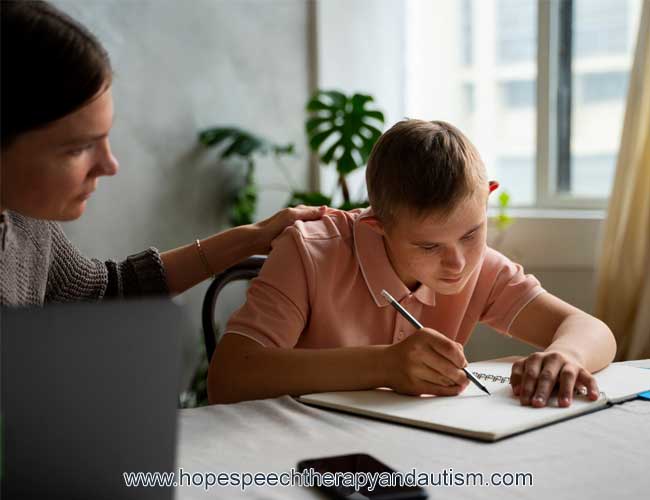
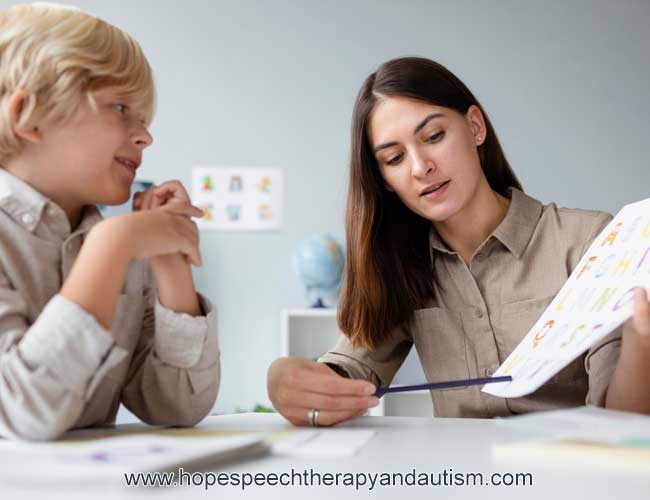
Academic intervention works best when the difficulty is clearly identified and instruction is matched to it. A student struggling with reading may need systematic work on phonological awareness, decoding, fluency, vocabulary, and comprehension, while a student with mathematical difficulties may require explicit teaching of number concepts, calculation strategies, and problem solving. Hope Centre provides focused academic support that can be coordinated with broader developmental goals, including communication, attention, and independence. Online sessions can also make it easier for parents to observe strategies and continue appropriate practice between appointments. An Academic Therapy Centre in Phoenix should not replace a school’s legal responsibilities when a student qualifies for special education, but additional individualized support can help reinforce skills. Clear communication between caregivers, educators, and therapists is especially valuable when several services are involved.
What Is Occupational Therapy and Sensory Integration Therapy, and When Is It Needed?
Occupational therapy helps people participate more effectively in everyday activities. For children, this can include dressing, eating, handwriting, classroom participation, play, fine-motor tasks, and other age-appropriate routines. Some children also experience sensory processing differences, such as becoming overwhelmed by certain sounds, textures, movement, lights, or touch. Occupational therapists may assess these responses and develop individualized strategies to improve participation and regulation. Sensory integration approaches are used within occupational therapy for selected children, but they should be based on professional assessment rather than assuming every behavioural difficulty is sensory in origin. Families looking for Occupational Therapy in Phoenix should ask what functional goals are being addressed and how progress will be measured. Hope Centre can help families work toward practical developmental goals by connecting sensory, motor, attention, and daily-living needs with the child’s broader therapy plan.
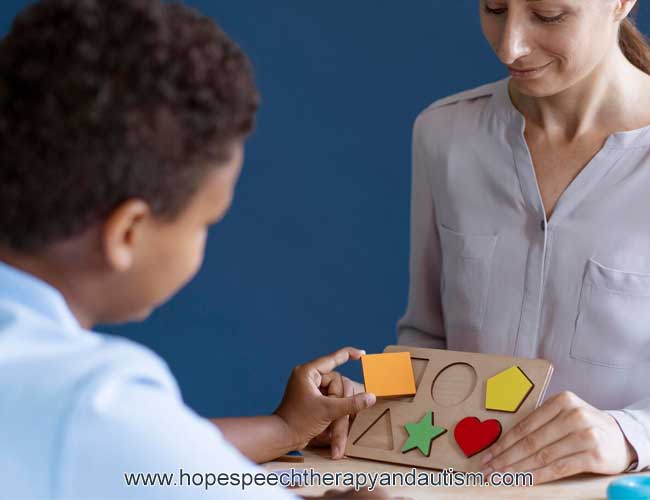
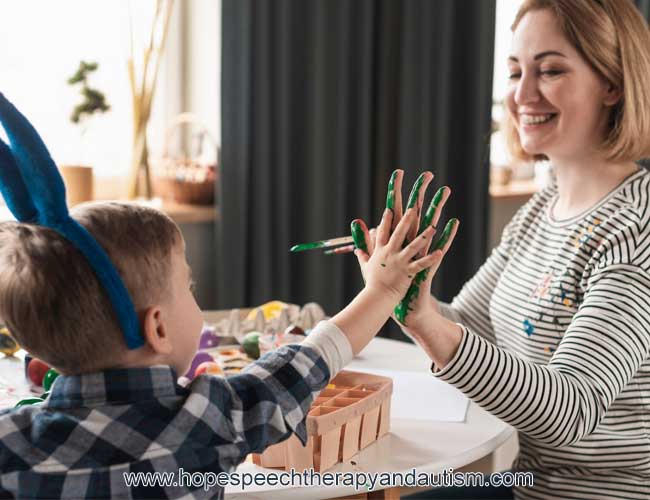

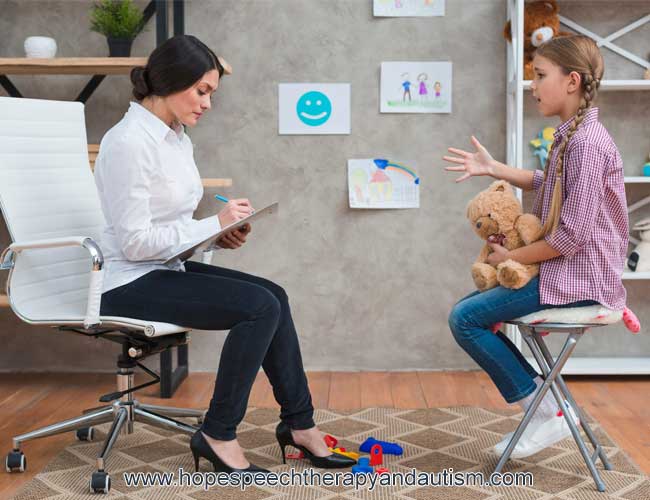
Treatment may include practising fine-motor skills, improving functional hand use, developing self-care routines, supporting classroom participation, or teaching strategies that help a child manage challenging sensory situations. The purpose is not simply to expose a child to sensory activities, but to improve meaningful participation in everyday life. Hope Centre for Speech Therapy and Autism Treatment can provide structured support around the child’s individual functional needs and coordinate therapy goals with communication and academic development. For families considering Sensory Integration Therapy in Phoenix, it is important to understand the specific outcome being targeted and whether the approach is appropriate for the child. Home-based online guidance can also help caregivers understand environmental adjustments and daily routines, although some occupational therapy interventions require direct, hands-on assessment or treatment and may therefore be better suited to in-person care.
What Is CBT, and How Can Cognitive Behavioral Therapy Help?
Cognitive Behavioral Therapy, or CBT, is a structured psychological treatment that examines connections among thoughts, feelings, and behaviours. It is commonly used for conditions such as anxiety and depression and can also address specific behavioural or emotional difficulties when appropriately adapted. For children, CBT often uses age-appropriate language, visual tools, practice exercises, and caregiver involvement. A therapist may help a child recognize anxious thoughts, understand emotional triggers, develop coping strategies, and practise healthier responses. CBT is not an autism treatment by itself, but autistic children and adults may benefit from adapted CBT when they experience difficulties such as anxiety. Families seeking Cognitive Behavioral Therapy in Phoenix should look for a qualified mental health professional with relevant experience and should expect treatment goals to be clearly defined. Hope Centre can support structured therapeutic work focused on practical emotional and behavioural goals while keeping the intervention individualized.

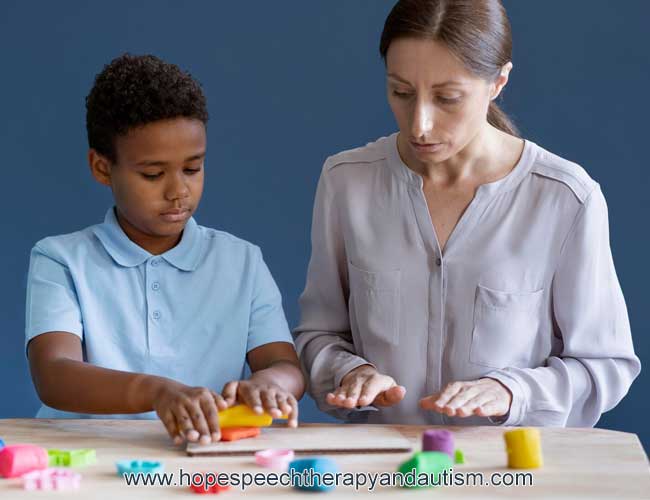
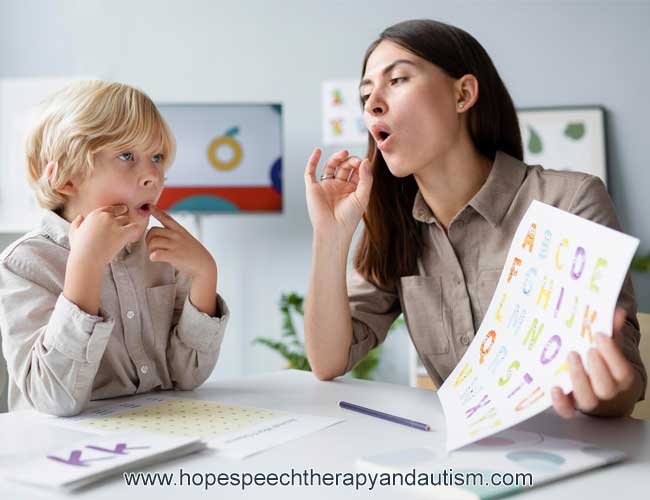

CBT becomes more useful when the therapist connects the techniques to situations the person actually encounters. A child might learn how to manage worry about school, cope with frustration, practise flexible thinking, or gradually approach situations that create anxiety. Therapy can include homework or between-session practice so that new skills are used outside the appointment. Hope Centre for Speech Therapy and Autism Treatment emphasizes practical goals and consistent support, helping families understand how therapeutic strategies can fit into daily routines. When choosing a CBT Centre in Phoenix, families should confirm the therapist’s qualifications, experience with the child’s age and needs, and the specific concerns being treated. For children with developmental or communication differences, adaptations may be necessary so that the language, expectations, and exercises match their cognitive and communication abilities.
What Is Hearing Aid Treatment, and How Can You Find the Best Hearing Aid Centre in Phoenix?
Hearing aid treatment begins with understanding the type and degree of hearing loss rather than simply choosing a device. A comprehensive hearing evaluation can determine whether hearing loss is present, while medical assessment may be needed when there are concerns involving the ear or sudden changes in hearing. Hearing aids are electronic devices that amplify and process sound according to the user’s hearing needs. Children require particular attention because untreated hearing difficulties can affect access to speech and language, learning, and social communication. Families searching for a Hearing Aid Centre in Phoenix should therefore prioritize qualified hearing professionals, appropriate testing, device fitting, verification, counselling, and follow-up care. Hope Centre for Speech Therapy and Autism Treatment can complement hearing support by addressing communication development when hearing difficulties have affected speech or language skills, helping families look at communication as part of the child’s wider developmental needs.


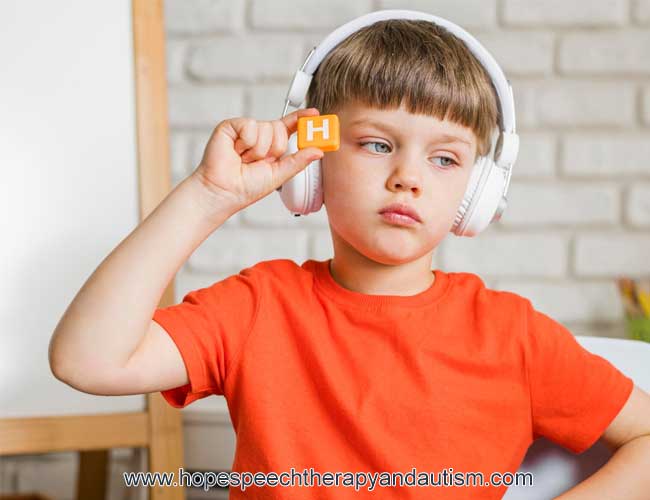

Hearing aids also require adjustment and ongoing follow-up because hearing needs, comfort, device settings, and listening environments can change. For children, consistent device use and regular hearing monitoring are particularly important, alongside speech and language support when indicated. Hope Centre provides a broader communication-focused perspective by helping families address speech, language, and developmental skills alongside appropriate hearing care. For parents comparing a Hearing Aid Treatment Centre in Phoenix, the quality of assessment and aftercare should matter as much as the device itself. A hearing professional can explain available options and determine whether amplification is appropriate. If you notice that a child frequently asks for repetition, does not respond consistently to sounds, struggles to understand speech, or has delayed communication, arranging a professional hearing evaluation is a sensible first step rather than assuming the problem is behavioural.
Are You Ready to Choose the Right Therapy Support in Phoenix?
Children do not develop in identical ways, and effective therapy should reflect that reality. Speech and language difficulties may require communication-focused intervention, while autism support can involve several coordinated services. Academic therapy can strengthen specific learning skills, occupational therapy can improve functional participation, CBT can address appropriate emotional and behavioural concerns, and hearing care can improve access to sound and communication when hearing loss is present. Families in Phoenix can also make use of local educational and developmental systems while seeking additional professional support when appropriate. The most useful starting point is a careful assessment followed by clear goals, regular progress review, and communication between caregivers and professionals. Hope Centre for Speech Therapy and Autism Treatment aims to provide accessible, individualized support that keeps the child’s practical needs at the centre of therapy.
If you are searching for an Online Autism Treatment & Speech Therapy Centre in Phoenix, consider speaking with Hope Centre about your child’s specific communication, developmental, academic, sensory, behavioural, or related needs. A professional consultation can help determine which services may be appropriate and how they can fit into the child’s existing school and home routines. Rather than waiting for difficulties to become more challenging, families can take an informed first step by discussing their concerns, understanding available treatment options, and establishing realistic goals. Contact Hope Centre for Speech Therapy and Autism Treatment to explore suitable therapy support and begin building a structured plan focused on meaningful progress, stronger communication, greater participation, and improved confidence in everyday life.