
Are You Looking for an Online Autism Treatment & Speech Therapy Centre in Otara Papatoetoe?
Finding the right developmental support for a child can feel difficult when speech, learning, behaviour, sensory processing, or hearing concerns appear together. Families in Ōtara and Papatoetoe can access a range of allied-health and child-development services, including speech-language therapy, occupational therapy, developmental assessment, and audiology. The local health system also includes multidisciplinary child-development services, while New Zealand’s speech-language profession provides registered practitioners through recognised directories. This makes it important to choose care based on the child’s actual needs rather than simply selecting a service because it is nearby. An online autism treatment and speech therapy programme can also be useful when the therapy model is appropriate for remote delivery and when families need greater flexibility. Hope Centre for Speech Therapy and Autism Treatment follows a multidisciplinary approach involving speech therapy, occupational therapy, behavioural support, special education, CBT, and hearing-related services, helping families look at communication and development as connected areas rather than isolated problems.
For families in Otara Papatoetoe, early assessment and consistent intervention can make everyday goals more manageable. Speech and language concerns may affect classroom participation, while sensory or motor difficulties can interfere with dressing, writing, eating, play, or attention. Autism support may involve several professionals working toward shared functional goals, and hearing assessment is particularly important when communication development is unexpectedly delayed. Local services such as Kidz First provide multidisciplinary developmental support across the wider Otara Papatoetoe area, while public speech-language services and occupational therapy are also available through Counties Manukau. Hope Centre builds on this multidisciplinary model by providing personalised therapy plans, one-to-one attention, parent guidance, and coordinated developmental support. The aim is not simply to complete therapy sessions, but to help children use communication, learning, emotional, sensory, and daily-living skills more effectively at home, school, and in the community.
What Is Speech Therapy, What Are the Symptoms, and How Is It Treated?
Speech therapy supports communication difficulties involving speech sounds, language understanding, language expression, fluency, voice, social communication, and in some cases feeding or swallowing. A child may benefit from assessment when speech is significantly unclear for their age, vocabulary is limited, instructions are difficult to understand, sentences are not developing as expected, stuttering interferes with communication, or conversation and social interaction are unusually difficult. Hearing should also be considered because reduced access to speech sounds can affect language development. In New Zealand, speech-language therapists may work in public or private settings, and the New Zealand Speech-language Therapists’ Association recommends checking that practitioners meet appropriate professional registration and quality standards. In Otara Papatoetoe, local services include Speech Language Therapy through Counties Manukau and developmental services for eligible children. Early assessment helps identify the actual communication difficulty instead of assuming every late talker has the same cause.
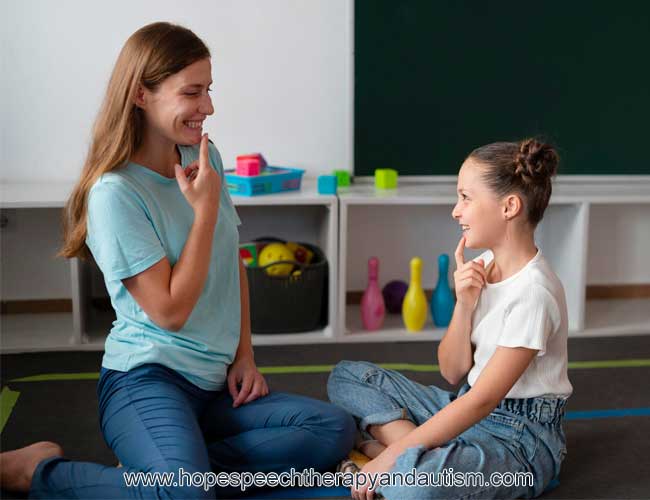
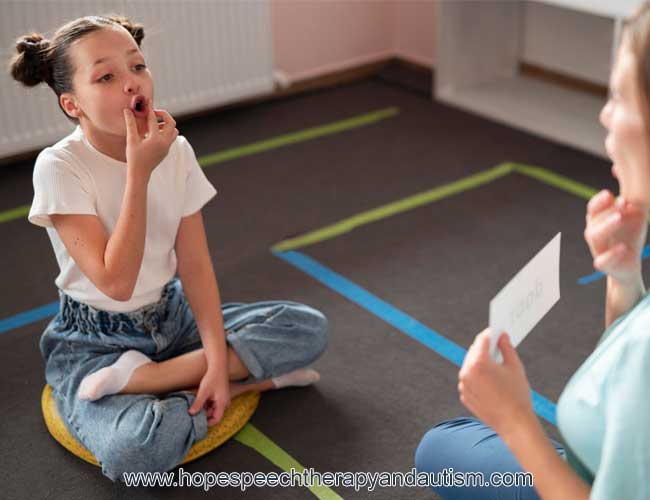
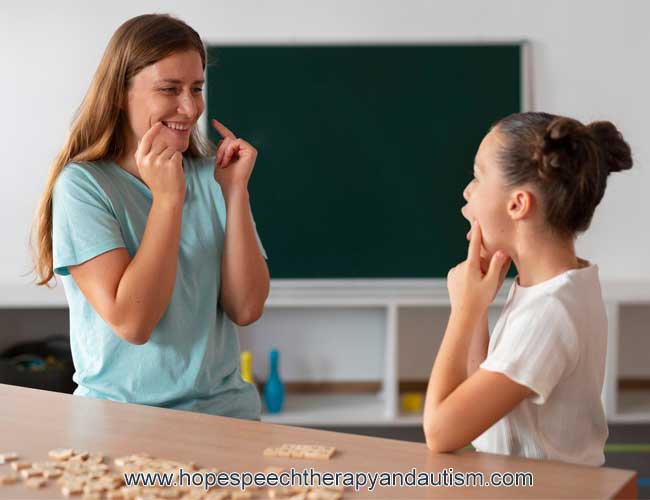
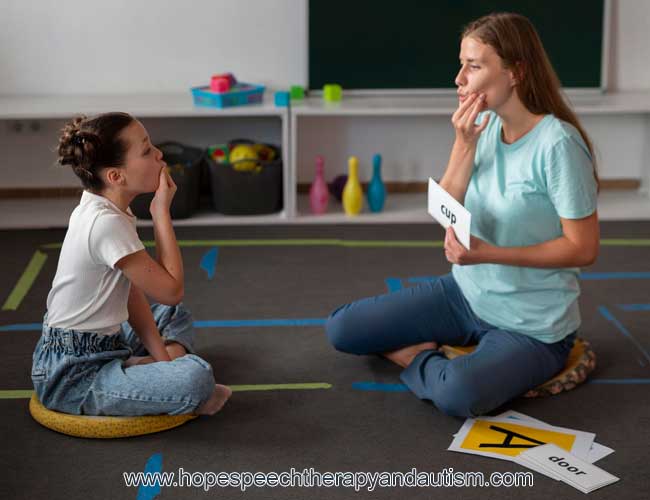
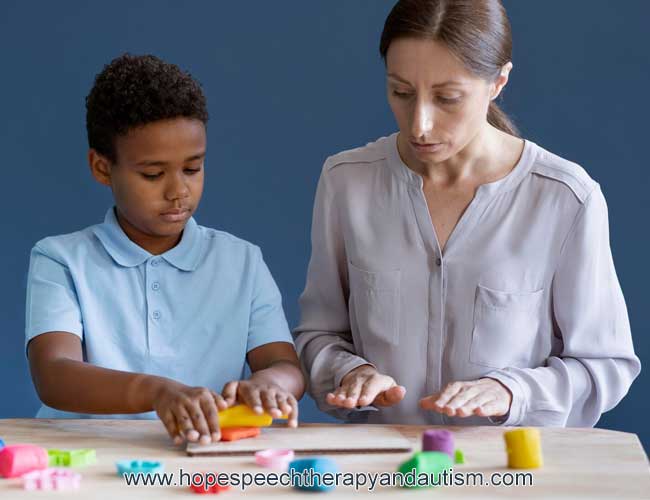
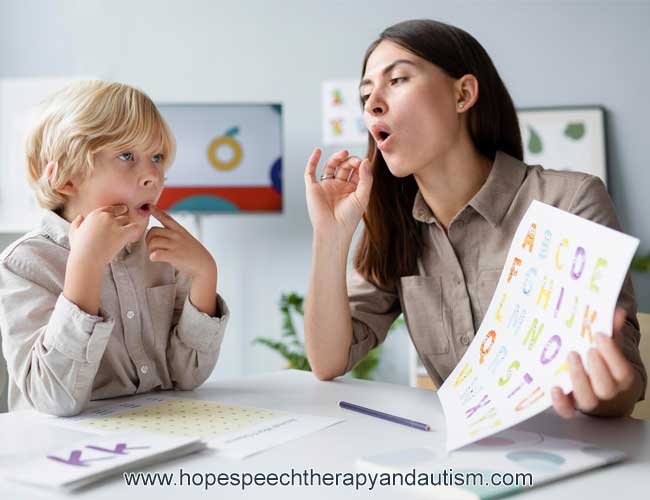
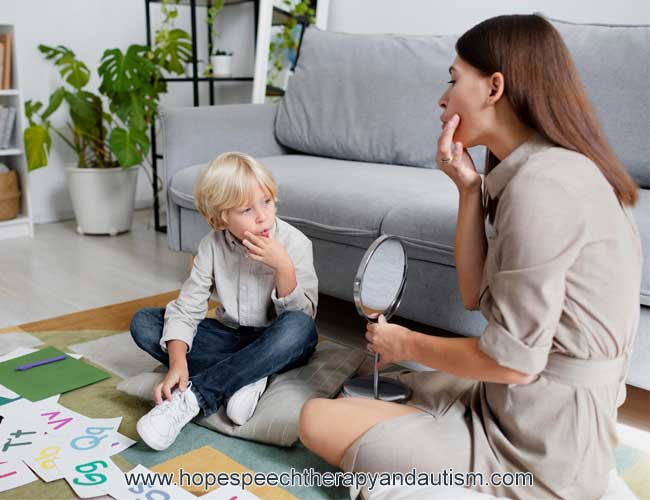
Hope Centre for Speech Therapy and Autism Treatment approaches speech therapy around practical communication goals rather than focusing only on producing individual sounds. Its multidisciplinary model combines speech therapy with other developmental interventions when a child has overlapping needs. Sessions can work on expressive language, receptive language, articulation, fluency, social communication, and functional interaction according to the child’s assessment. For families seeking an Online Autism Treatment & Speech Therapy Centre in Otara Papatoetoe, remote sessions may provide flexibility when the child can participate effectively online, although suitability should be decided individually by the treating professional. Parents can strengthen progress by using recommended communication strategies during everyday routines such as meals, play, reading, and school preparation. Consistent practice matters because communication skills need opportunities to transfer beyond the therapy session into real situations.
What Is Autism, What Are the Symptoms, and How Is It Treated?
Autism spectrum disorder is a neurodevelopmental condition associated with differences in social communication and interaction together with restricted or repetitive behaviours, interests, or activities. Children can have very different profiles, so autism should not be identified from one behaviour alone. Possible signs include differences in responding to names, using gestures, sharing interests, developing language, participating in reciprocal interaction, tolerating changes in routine, or responding to sensory experiences. Some children may speak fluently while still finding social communication difficult, while others may need substantial support with communication and daily activities. Assessment is therefore based on developmental history, observation, communication, behaviour, and other relevant information rather than a single test. In the Otara and Papatoetoe area, Kidz First Outpatient Care provides developmental assessment for children with neurodevelopmental difficulties including autism spectrum disorder and works alongside child-development professionals.
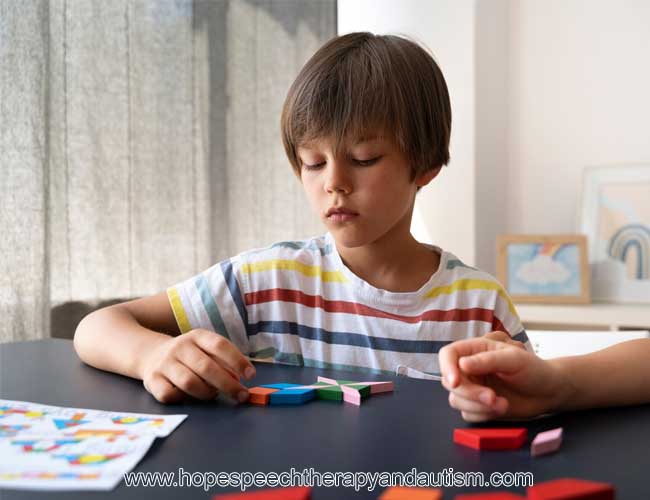
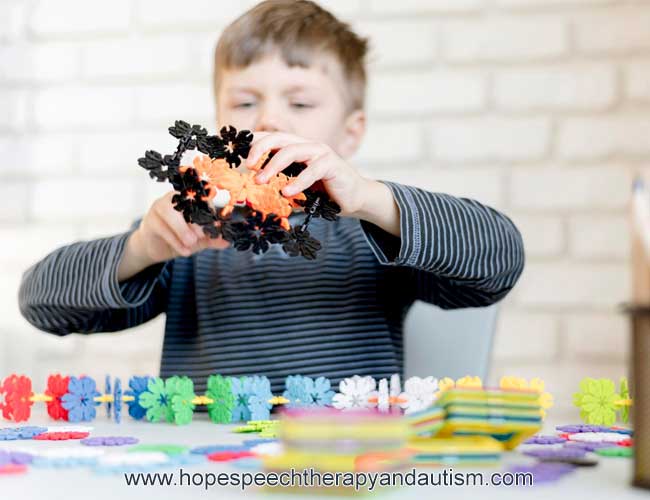
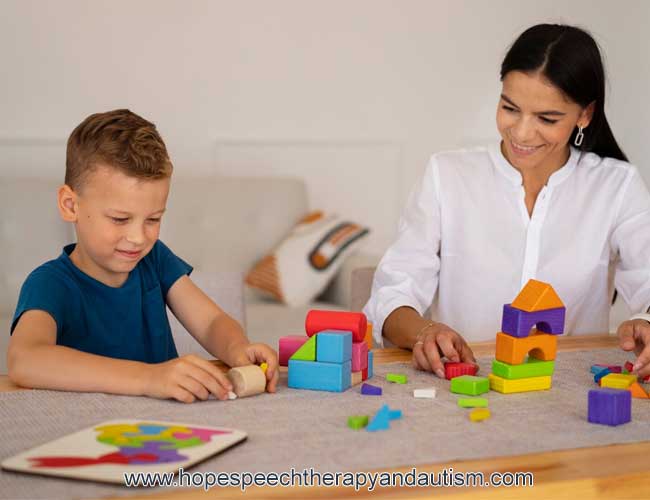
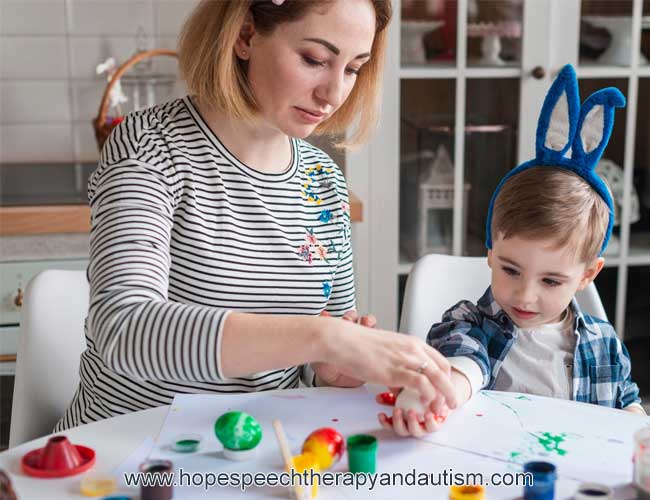
Autism treatment does not mean trying to remove autism or promising a cure. Effective support focuses on improving communication, participation, independence, learning, emotional regulation, and quality of life while respecting the child’s individual strengths. Hope Centre for Speech Therapy and Autism Treatment uses a multidisciplinary approach that brings together autism support, speech therapy, occupational therapy, behavioural approaches, special education, and parent involvement according to individual needs. For one child, communication may be the main priority; another may need support with sensory regulation, learning, social interaction, or daily routines. A useful treatment plan should therefore contain measurable functional goals and be reviewed as the child develops. Families should also expect collaboration with educators and other professionals where appropriate, so strategies used in therapy can be carried into school, home, and community settings.
What Is Special Education and Academic Therapy, and Who Can Benefit?
Special education provides adapted teaching and learning support for children whose developmental, communication, cognitive, behavioural, or learning needs make ordinary classroom approaches insufficient on their own. Academic therapy may focus on foundational skills such as reading, writing, spelling, comprehension, mathematics, attention, organisation, and task completion. The important point is that academic difficulty does not automatically mean a child needs special education; assessment should identify whether the barrier involves language, hearing, attention, specific learning difficulties, developmental differences, teaching methods, or another factor. In New Zealand, schools can work with learning-support professionals and relevant health or education services when a child requires additional assistance. In the wider Otara Papatoetoe community, developmental services can also coordinate with educational providers when appropriate, helping information from home, school, and clinical assessment contribute to a clearer understanding of the child.
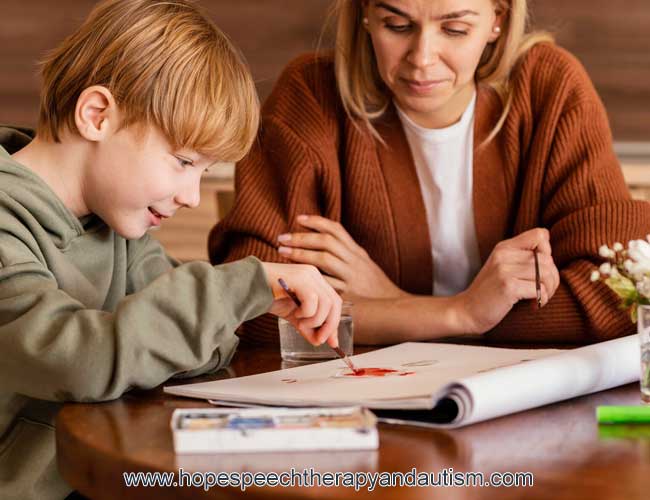
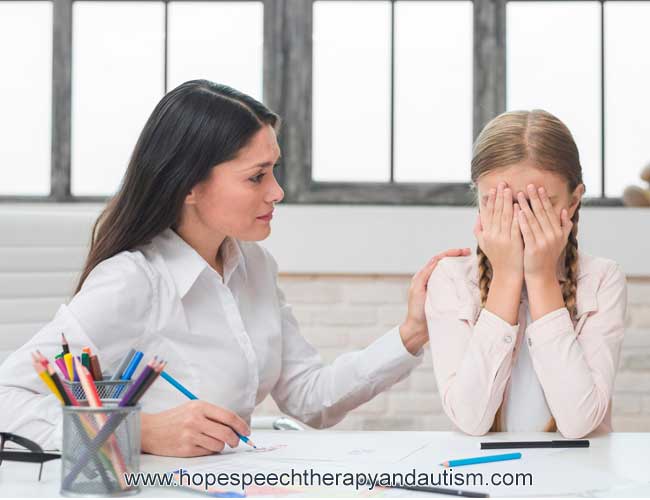
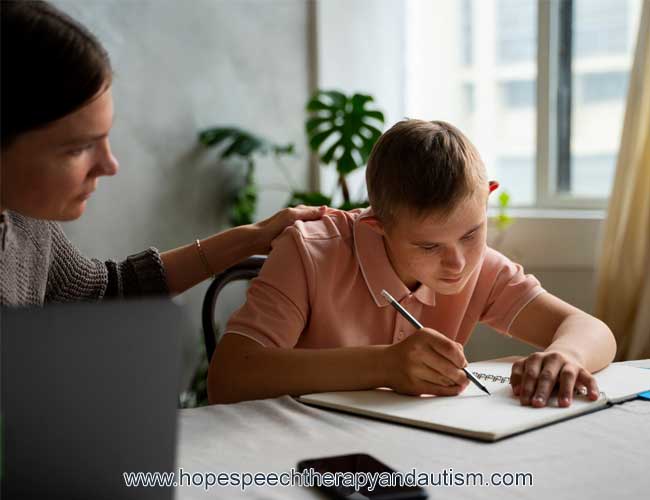
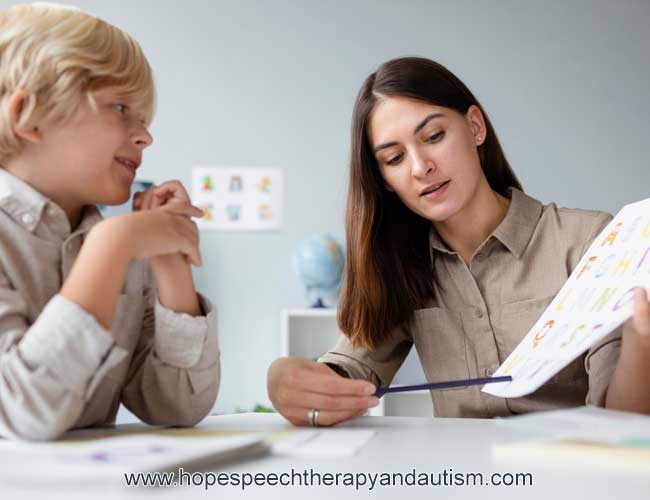
Hope Centre for Speech Therapy and Autism Treatment supports children through individualised special education designed around their current abilities and learning goals. The approach can connect academic learning with communication, attention, behaviour, and functional skills rather than treating schoolwork as a separate issue. For a child with autism, for example, learning may improve when instructions are simplified, visual supports are used, tasks are broken into manageable stages, and communication needs are considered. For children with speech or language difficulties, academic progress may also depend on understanding classroom language and expressing answers clearly. Parents can ask for progress to be documented through specific targets rather than relying only on general impressions. Regular communication between therapists, parents, and teachers can make it easier to identify what is working and adjust the learning programme when the child’s needs change.
What Is Occupational Therapy and Sensory Integration Therapy, and When Is It Needed?
Occupational therapy helps children develop skills needed for everyday participation, including fine motor control, coordination, self-care, play, school activities, and functional independence. Some children also experience differences in how they respond to sensory information such as sound, touch, movement, light, or textures. A child may appear unusually sensitive, seek strong sensory input, struggle with transitions, avoid certain textures, find handwriting difficult, or have trouble managing ordinary daily routines. These signs do not automatically indicate a sensory disorder, so an occupational therapist should assess how the difficulties affect function. In Otara Papatoetoe, Counties Manukau provides occupational therapy through its allied-health services, and the Kidz First Child Development Team includes occupational therapists within its multidisciplinary service. This local availability is particularly relevant for families whose children have developmental disabilities or delays requiring coordinated support.
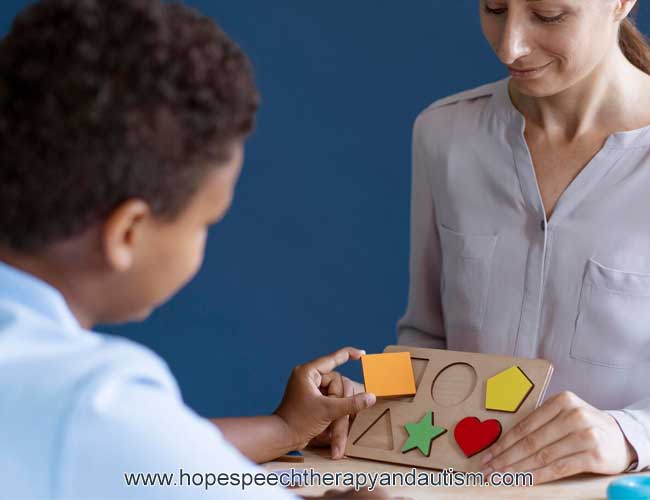
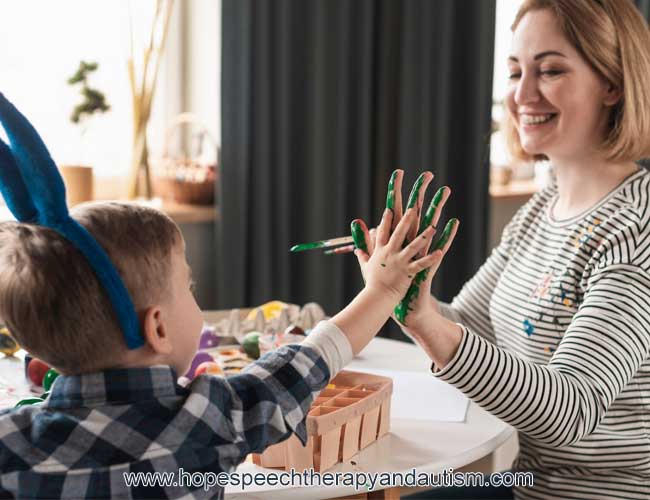

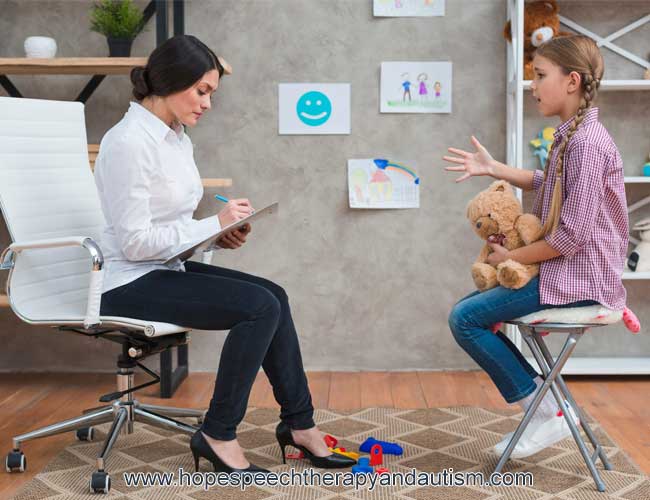
Hope Centre for Speech Therapy and Autism Treatment combines occupational therapy with broader developmental goals when a child needs support with motor skills, sensory regulation, attention, coordination, or independence. Therapy may use purposeful activities that help the child practise skills required in real life instead of focusing only on isolated exercises. A child who struggles with handwriting, for example, may need support with posture, fine motor control, visual-motor coordination, attention, and classroom endurance rather than handwriting practice alone. Similarly, sensory strategies should be selected according to the child’s observed needs and functional goals. Parents can ask therapists how a recommended activity connects to everyday participation and how it should be continued at home. This practical approach helps families judge progress through meaningful changes in dressing, feeding, playing, learning, writing, movement, or participation in family routines.
What Is CBT, What Symptoms Can It Address, and How Can It Help?
Cognitive Behavioral Therapy, commonly called CBT, is a structured psychological therapy that examines connections between thoughts, emotions, and behaviour. It is commonly used for difficulties such as anxiety, low mood, fears, stress, avoidance, anger, and unhelpful patterns of thinking. CBT is not simply a conversation about feelings; it generally involves identifying specific difficulties, learning practical strategies, practising new responses, and reviewing progress. With children, the approach is adapted to developmental level and may use simpler language, activities, visual material, role-play, and parent involvement. CBT should be delivered by an appropriately trained professional, particularly when a child has significant emotional or behavioural concerns. In a multidisciplinary developmental setting, CBT can complement speech, occupational, behavioural, or educational support when emotional regulation or anxiety is interfering with communication, learning, relationships, or participation.
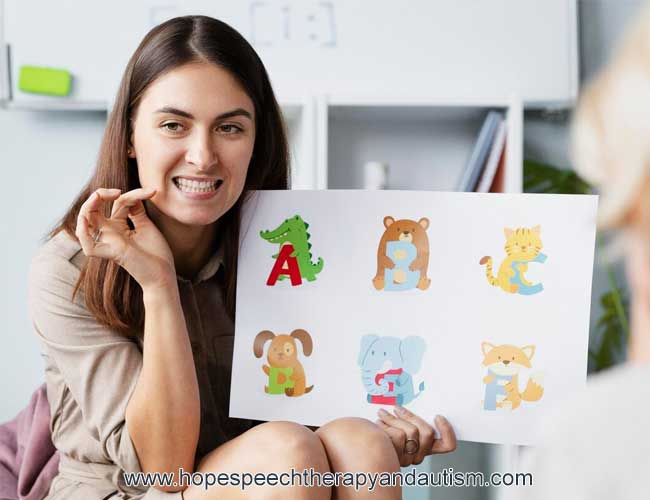
Hope Centre for Speech Therapy and Autism Treatment includes CBT within its multidisciplinary service model and can connect emotional and behavioural support with communication and developmental goals. This can be valuable when anxiety, frustration, rigid thinking, or difficulty coping with change affects a child’s ability to participate in therapy or education. The exact CBT approach should always be matched to the child’s age, communication level, presenting concern, and clinical assessment. For families considering an Online Autism Treatment & Speech Therapy Centre in Otara Papatoetoe, online psychological sessions can sometimes improve access and continuity when the child can engage appropriately through a secure remote format. However, some children benefit more from face-to-face assessment and intervention. A professional should therefore determine whether online or in-person CBT is suitable rather than assuming that one delivery method is best for every child.
What Is Hearing Aid Treatment, What Are the Symptoms, and Where Can Families Find Hearing Support?
Hearing aid treatment begins with identifying the type and degree of hearing loss rather than choosing a device simply because it is popular. Symptoms that may justify hearing assessment include frequently asking for repetition, difficulty understanding speech in noise, inconsistent responses to sounds, delayed speech and language development, turning the television volume up, or appearing not to hear when called. Children with communication or developmental concerns should have hearing considered because untreated hearing loss can affect access to spoken language. In the Otara and Papatoetoe area, local health services include audiology and Kidz First hearing and vision services, while school-based programmes such as Mana Kidz also provide hearing checks and referrals within participating communities. Hearing aids may be appropriate for some types of hearing loss, but treatment can also involve medical management, assistive technology, communication support, or other audiological recommendations depending on the assessment.
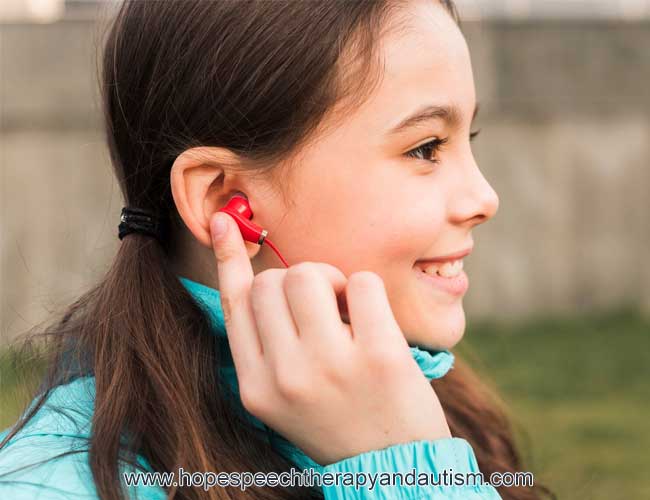
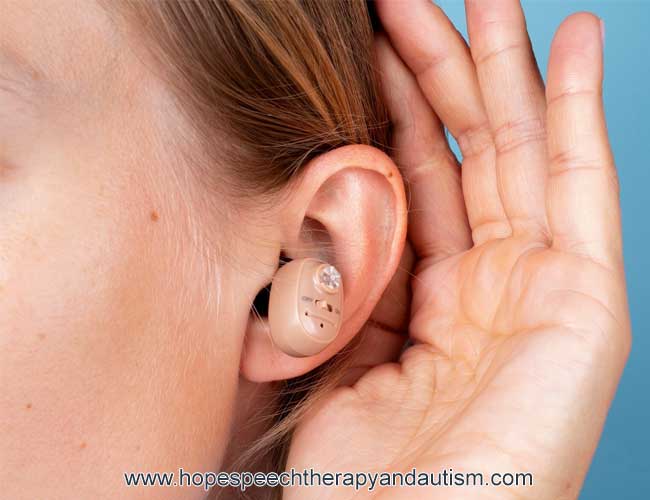
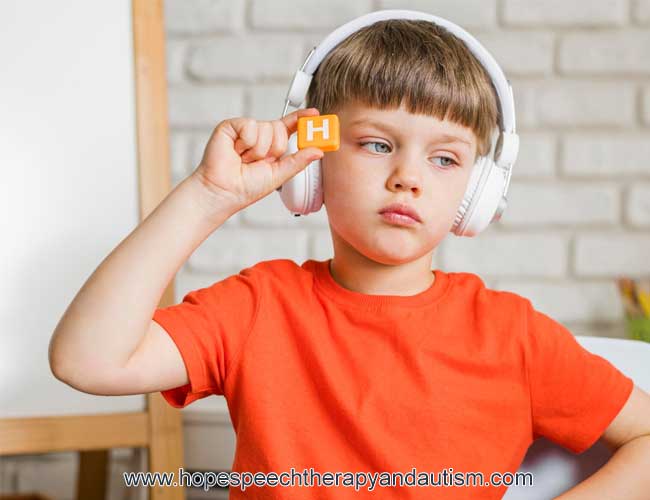

Hope Centre for Speech Therapy and Autism Treatment provides hearing-related support alongside speech and language services, with audiological assessment and hearing-device guidance forming an important part of communication care. When hearing loss is identified, the goal is not simply to supply a hearing aid but to help the individual access sound consistently and use that access effectively for communication and learning. Device selection, fitting, follow-up, maintenance, and rehabilitation all matter. Families should also continue monitoring speech and language development because improved hearing does not automatically resolve an established language delay. For children in Otara Papatoetoe, coordinating hearing care with speech therapy, educational support, and developmental intervention can provide a clearer overall picture of progress. A suitable hearing plan should be based on professional testing and should be reviewed when the child’s hearing, communication needs, or device requirements change.
Are You Ready to Choose the Right Developmental Support for Your Child?
Choosing therapy is easier when the focus remains on the child’s functional needs rather than on a single label or isolated symptom. A child with autism may require speech therapy, occupational therapy, special education, behavioural support, CBT, and hearing assessment at different stages, while another child may need only one or two targeted services. Families in Ōtara and Papatoetoe already have access to a network of public and community-based developmental services, making professional assessment and appropriate referral an important first step. Hope Centre for Speech Therapy and Autism Treatment offers a multidisciplinary model covering speech therapy, autism support, occupational therapy, special education, CBT, and hearing-related care, with individualised planning intended to address the child as a whole. If you are searching for an Online Autism Treatment & Speech Therapy Centre in Otara Papatoetoe, speak with the centre about your child’s concerns, current assessment reports, therapy goals, and whether online or face-to-face support is the most suitable option. Taking that first informed step can help create a clearer and more consistent pathway toward communication, learning, independence, and everyday participation.