
Are You Looking for an Online Autism Treatment & Speech Therapy Centre in Oshawa?
Finding the right developmental support can make everyday communication, learning, behaviour, and independence easier for children and adults who need additional help. An Online Autism Treatment & Speech Therapy Centre in Oshawa can provide structured professional support without requiring families to travel for every session. Online care can be particularly useful for families managing school schedules, work commitments, transportation, or other practical challenges. The right programme should still be based on individual assessment, measurable goals, regular progress reviews, and close communication with caregivers. Hope Centre for Speech Therapy and Autism Treatment supports families through a coordinated approach that brings speech therapy, autism intervention, academic support, occupational therapy, CBT, and hearing-related services together. This can help families understand which areas require attention instead of treating every developmental concern in the same way.
For families in Oshawa and the wider Durham Region, choosing a service means looking beyond convenience and asking whether the programme is appropriate for the person's actual needs. Ontario families may also interact with local education and developmental support systems, making communication between therapists, parents, and schools important. Hope Centre focuses on practical goals such as improving functional communication, participation in learning, emotional regulation, social interaction, and daily living skills. Online sessions can also allow caregivers to observe therapy strategies and practise them between appointments. Whether a child needs help developing speech, understanding social communication, managing sensory challenges, or keeping up academically, a structured plan can provide a clearer path forward.
What Is Speech Therapy, and What Are Its Symptoms and Treatments?
Speech therapy addresses difficulties involving speech sounds, language, communication, fluency, voice, and in some cases feeding and swallowing. Signs that a person may benefit from assessment include unclear speech, limited vocabulary, difficulty understanding instructions, trouble forming sentences, frequent communication breakdowns, stuttering, or difficulty using communication appropriately in social situations. Children with developmental conditions such as autism may have additional challenges with conversational turn-taking, gestures, requesting, answering questions, or understanding non-verbal communication. A speech-language pathologist first assesses the person's communication profile rather than assuming that one treatment fits everyone. Treatment may include language stimulation, articulation practice, fluency strategies, social communication work, and alternative or augmentative communication when appropriate. For families seeking online speech therapy in Oshawa, virtual sessions can provide structured practice while allowing caregivers to participate directly in the therapeutic process.
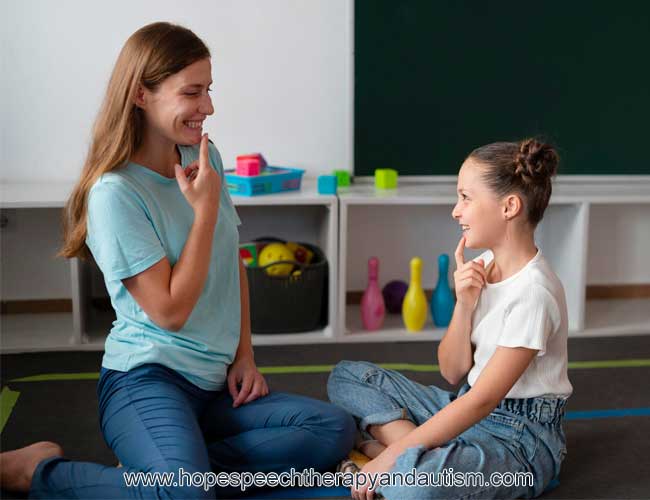
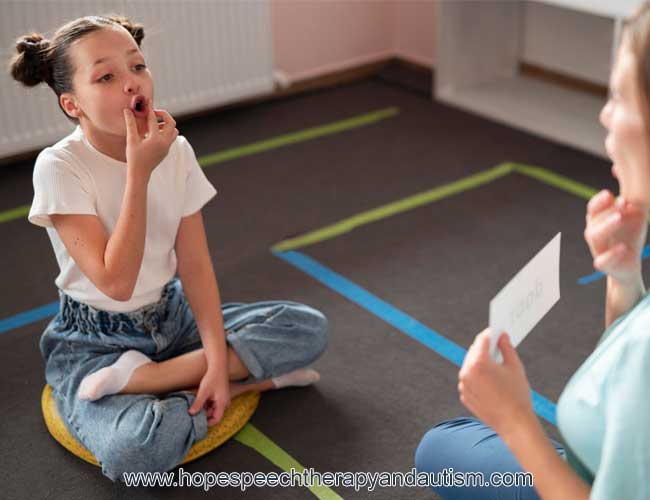
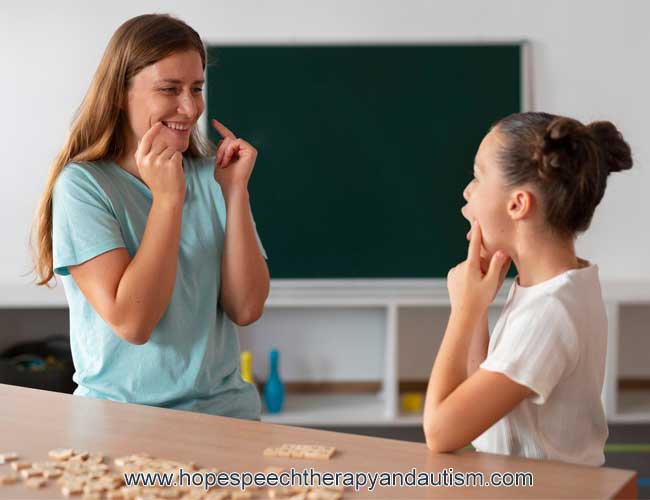
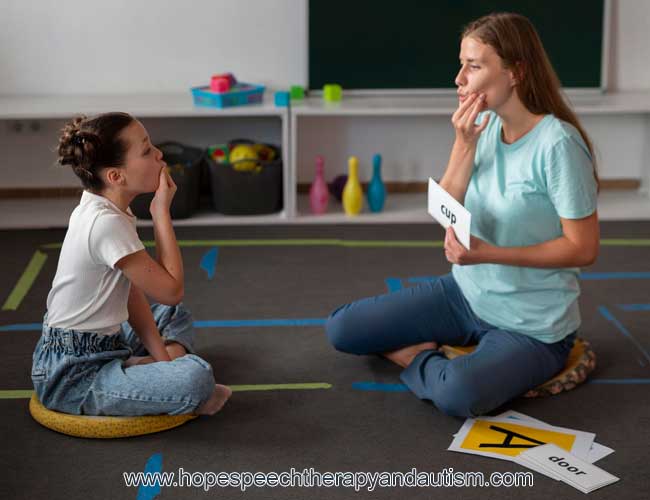
Hope Centre for Speech Therapy and Autism Treatment provides individualized speech and language intervention designed around functional communication goals. Instead of focusing only on producing sounds correctly, therapy can address how effectively a person communicates wants, needs, ideas, questions, and emotions. For younger children, activities may use play, visual supports, repetition, and routines to build communication naturally. For older children, intervention may focus on vocabulary, sentence development, comprehension, conversation, and communication needed at school or home. Families considering an Online Speech Therapy Centre in Oshawa can also receive guidance on how to reinforce therapy targets outside sessions. Consistent practice is important because communication skills develop through repeated use across real-life situations, not only during appointments.
What Is Autism, and What Are Its Symptoms and Treatments?
Autism spectrum disorder is a neurodevelopmental condition associated with differences in social communication and restricted or repetitive patterns of behaviour, interests, or activities. Signs can vary considerably from one person to another. Some children may have delayed spoken language, reduced eye contact, difficulty with reciprocal interaction, repetitive movements, intense interests, resistance to changes in routine, or unusual responses to sensory input. Others may speak fluently while finding social communication and flexible thinking challenging. Autism is not diagnosed through a single test; assessment generally considers developmental history, observed behaviour, communication, adaptive functioning, and other relevant information. Treatment does not mean changing who a person is. Evidence-informed support focuses on functional skills, communication, participation, learning, independence, and quality of life. Early and appropriately targeted intervention can help children build useful skills while respecting individual strengths and needs.
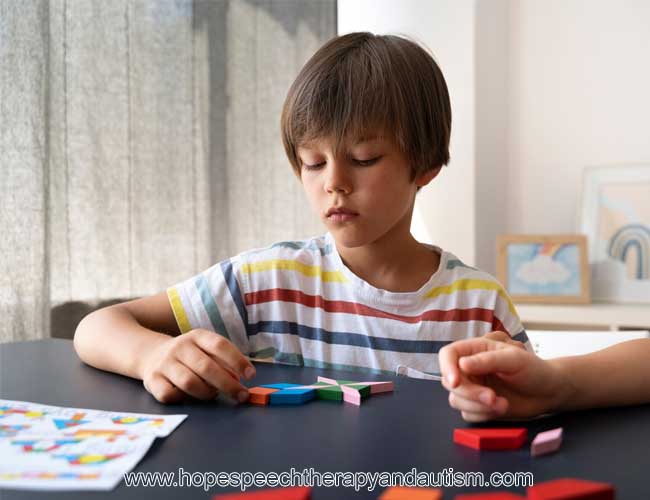
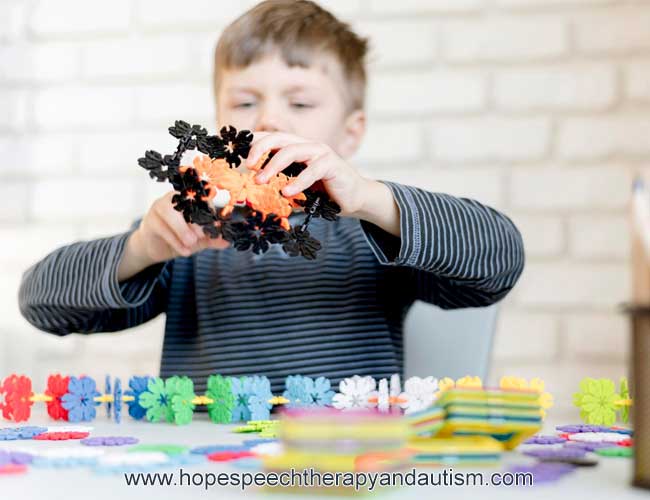
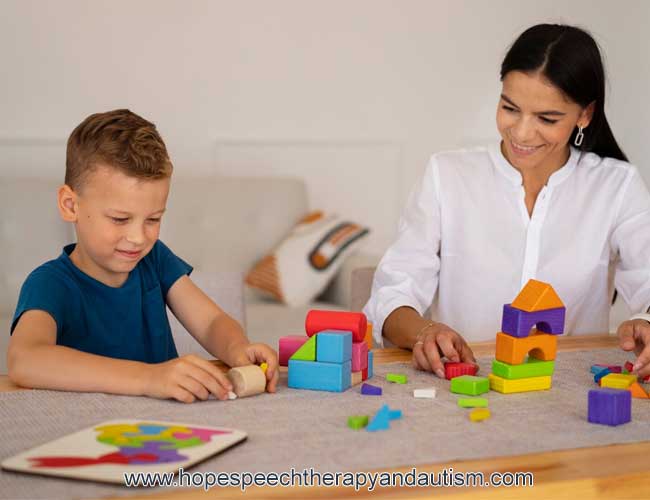
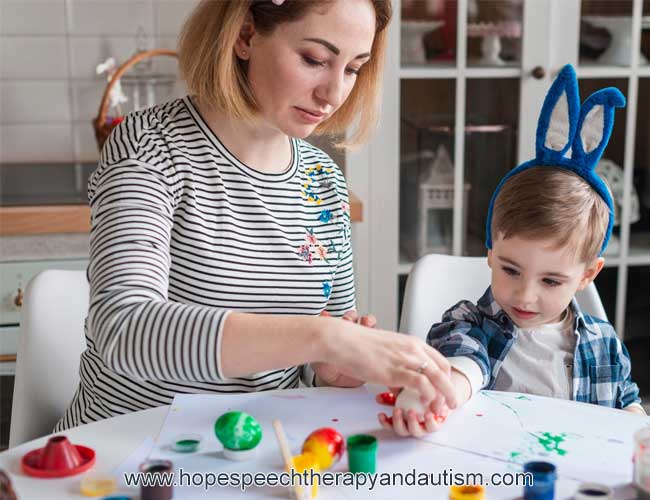
Hope Centre for Speech Therapy and Autism Treatment takes an individualized approach to autism support, recognising that needs can differ greatly between children. Intervention may target communication, social interaction, emotional regulation, adaptive behaviour, attention, and independence according to the person's assessment and goals. Parents can also learn strategies that make communication and routines more predictable at home. For families looking for an Online Autism Treatment Centre in Oshawa, virtual intervention can provide convenient access while keeping caregivers involved in the process. Therapy goals can be reviewed over time as the child develops. A useful programme should measure meaningful progress rather than relying on a generic checklist of skills. The aim is to help the child participate more successfully in family life, education, social situations, and everyday activities.
What Are Special Education and Academic Therapy, and Who Can Benefit?
Special education and academic therapy provide targeted educational support for learners who experience difficulties with reading, writing, mathematics, attention, language processing, executive functioning, or other learning needs. The purpose is not simply to give a student more homework; effective support identifies where the learning process is breaking down and adjusts instruction accordingly. A learner may need explicit teaching of phonological awareness, reading comprehension, spelling, written expression, number concepts, problem-solving, or study skills. Children with autism may also benefit from structured routines, visual schedules, task breakdowns, and teaching methods that make expectations clearer. In Ontario, schools have established processes for supporting students with special education needs, but private academic therapy can complement school-based services when additional individualized practice is required. Online academic therapy can also make it easier for families in Oshawa to maintain consistent sessions around school commitments.
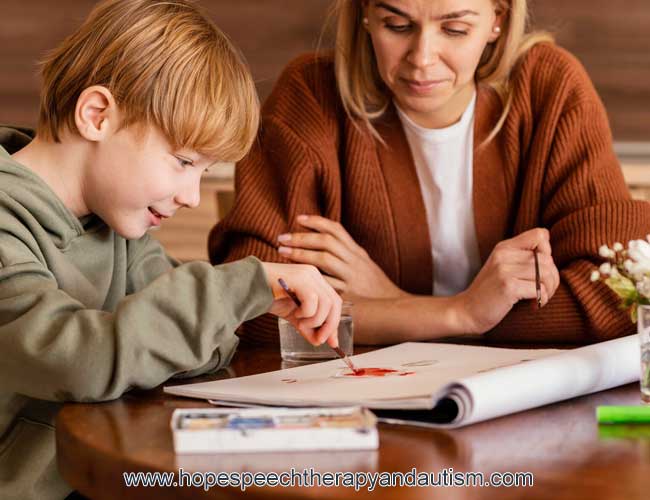
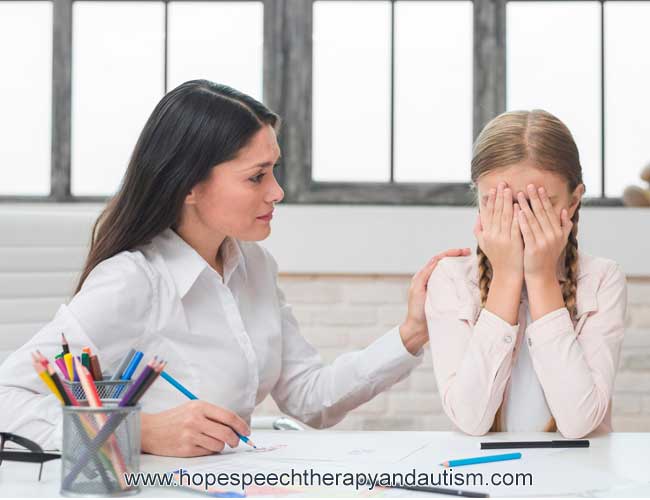
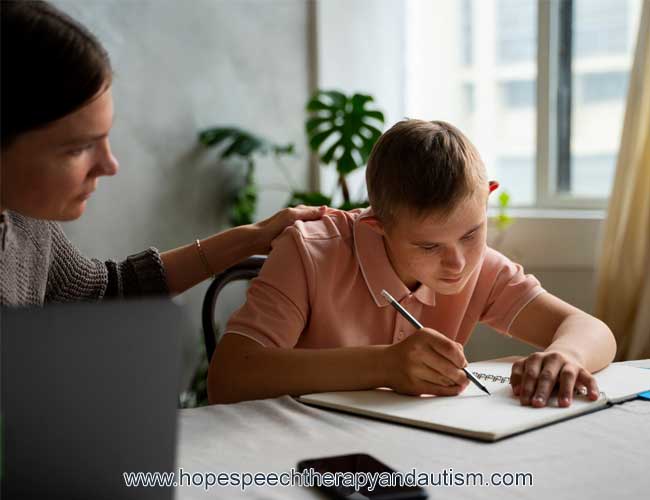
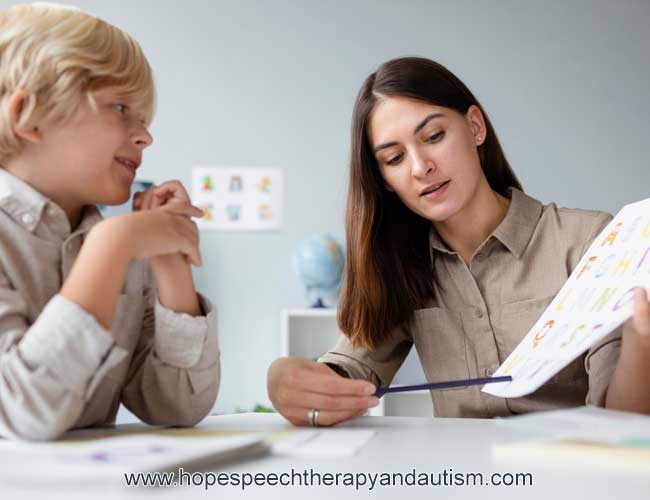
Hope Centre for Speech Therapy and Autism Treatment helps learners work on academic skills at a level and pace suited to their individual profile. Academic intervention can connect language development with classroom learning, which is particularly useful when communication difficulties affect reading comprehension or written work. Sessions can focus on specific areas of weakness while also developing confidence and independent learning habits. For parents searching for Special Education and Academic Therapy in Oshawa, it is useful to bring school observations, previous assessments, and examples of classroom work when available. This information can help therapists understand the learner's current abilities and set realistic goals. Regular communication with parents can further support the transfer of newly learned skills from therapy into homework, classroom activities, and everyday academic tasks.
What Is Occupational Therapy and Sensory Integration Therapy, and What Symptoms Can It Treat?
Occupational therapy helps people develop or improve the skills needed for daily activities, learning, play, self-care, and participation in their environment. Children may be referred for occupational therapy when they struggle with dressing, handwriting, fine-motor tasks, coordination, attention, posture, feeding routines, or other functional activities. Some children also have differences in how they respond to sensory information such as sound, touch, movement, light, or body awareness. Sensory integration approaches may be incorporated into occupational therapy when clinically appropriate, but sensory-based intervention should be connected to meaningful functional goals rather than used as a general treatment for every behaviour. An occupational therapist assesses the individual and determines which activities may support participation. For families in Oshawa, online occupational therapy may include caregiver coaching and home-based strategies when virtual delivery is clinically suitable.
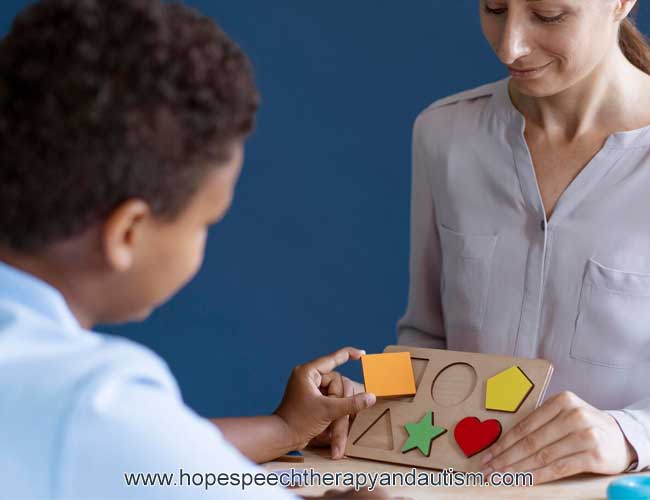
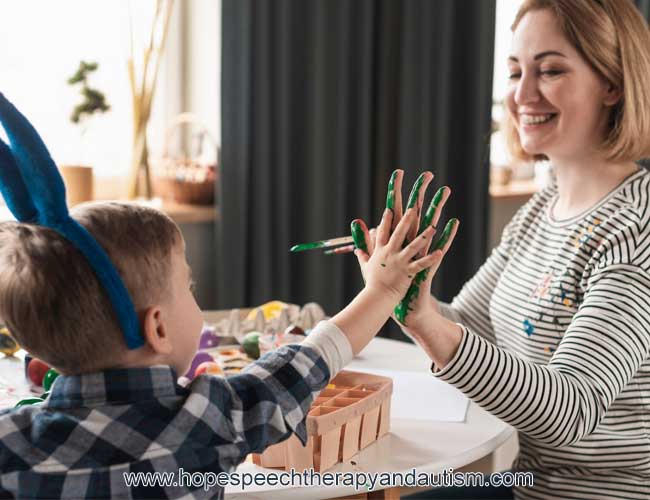

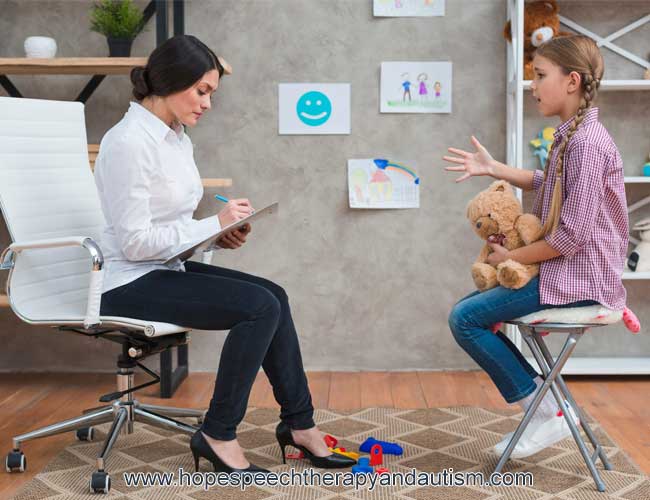
Hope Centre for Speech Therapy and Autism Treatment can help families identify functional difficulties and develop practical strategies around the child's everyday environment. Depending on assessment findings, occupational therapy may support fine-motor development, school participation, self-care, regulation, coordination, or sensory-related challenges that interfere with daily routines. Caregiver education is especially valuable because useful strategies often need to be practised outside therapy sessions. Families considering an Occupational Therapy / Sensory Integration Therapy Centre in Oshawa should ask how goals will be measured and how recommended activities relate to functional outcomes. The focus should remain on helping the person participate more comfortably and independently rather than simply providing sensory activities without a clear purpose. This goal-oriented approach makes therapy more relevant to home, school, and community life.
What Is CBT, and When Can Cognitive Behavioral Therapy Help?
Cognitive Behavioral Therapy, commonly called CBT, is a structured psychological treatment that examines the relationship between thoughts, emotions, and behaviours. It is used for several mental health concerns, including anxiety and mood-related difficulties, and can be adapted for children and young people when developmentally appropriate. A person may benefit from CBT when worry, avoidance, negative thinking, emotional reactions, or specific behavioural patterns interfere with school, relationships, sleep, or everyday functioning. CBT does not treat autism itself, but adapted CBT can help some autistic children and adolescents manage co-occurring anxiety or other emotional difficulties. Treatment commonly teaches people to recognise patterns, understand emotional responses, develop coping strategies, and gradually practise new ways of responding. For families in Oshawa, online CBT can provide access to structured sessions when virtual therapy is appropriate for the individual's age, needs, and clinical situation.
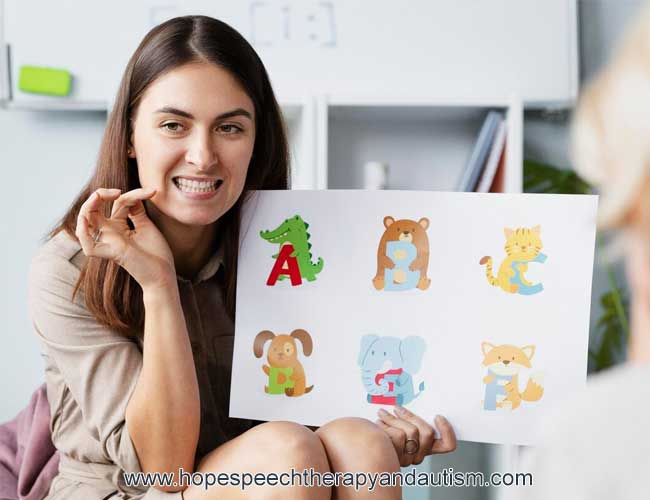
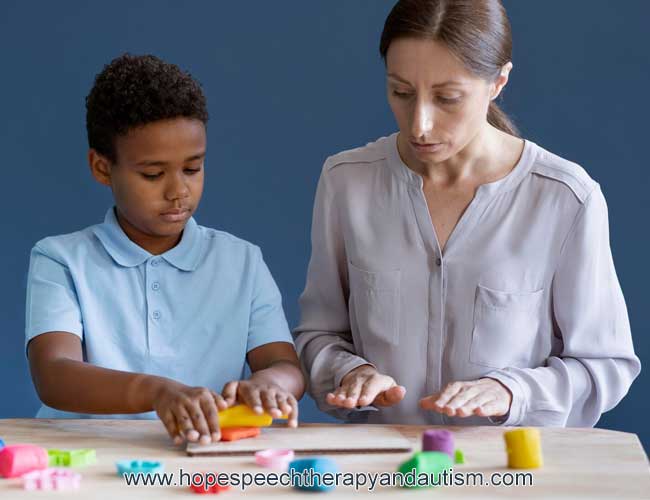
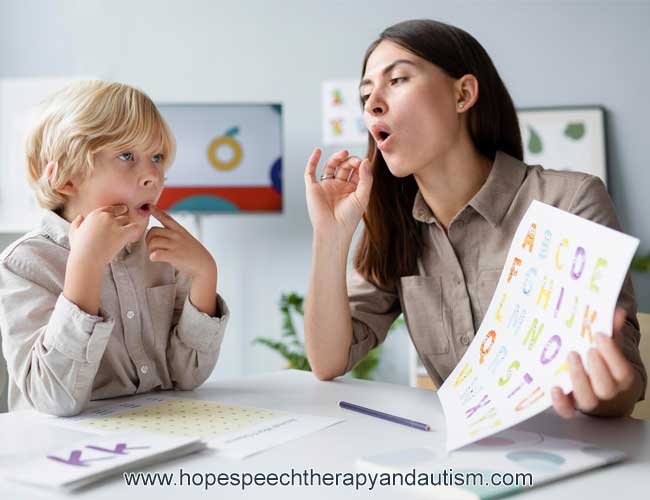
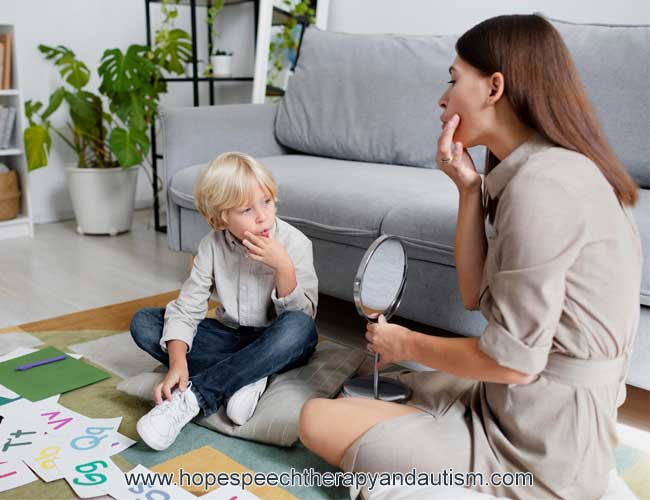
Hope Centre for Speech Therapy and Autism Treatment provides supportive, individualized intervention based on the person's emotional and behavioural needs. For children, CBT strategies may be simplified through visual tools, concrete examples, role-play, and repeated practice. Parents can also learn ways to reinforce coping strategies at home so that skills are not limited to the therapy session. An Online CBT Centre in Oshawa can be particularly convenient for families who prefer appointments from a familiar environment, although suitability for online treatment should be considered individually. Therapy should begin with a clear understanding of the concerns affecting daily life and should include practical goals that can be reviewed over time. When anxiety or emotional difficulties occur alongside developmental or communication needs, coordinated support can help families address the different areas without treating them as unrelated problems.
What Is Hearing Aid Treatment, and Where Can You Find the Best Hearing Aid Centre in Oshawa?
Hearing aid treatment begins with identifying the type and degree of hearing loss rather than simply choosing a device. A proper hearing assessment can determine whether hearing loss is present and whether further medical or audiological evaluation is required. Hearing aids are electronic devices designed to amplify sound for people who may benefit from amplification, but they do not restore normal hearing or work identically for everyone. Symptoms that warrant a hearing assessment can include frequently asking others to repeat themselves, difficulty understanding speech in background noise, increasing television volume, withdrawing from conversations, or noticing that sounds seem unclear. In children, hearing difficulties can affect speech, language, learning, and classroom participation, making early assessment particularly important. Families in Oshawa can seek appropriate hearing evaluation and professional guidance before purchasing or fitting hearing devices.
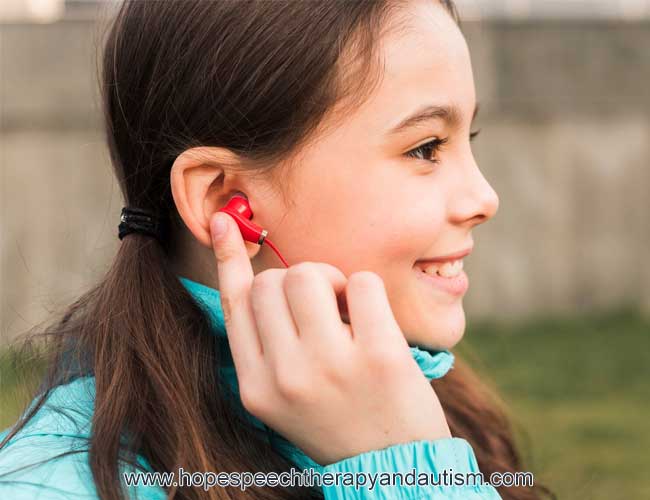
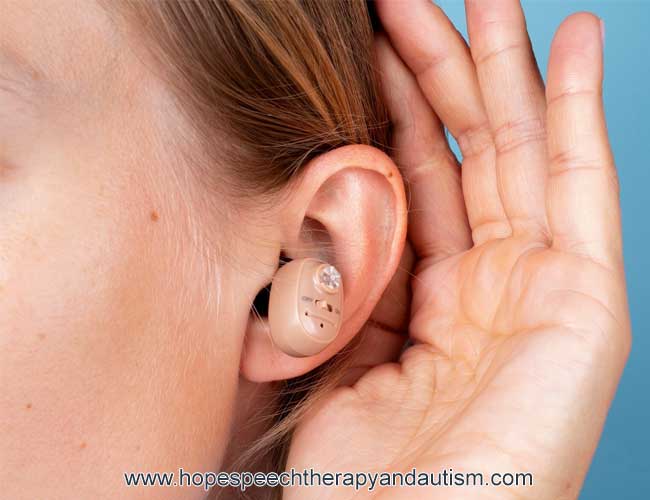
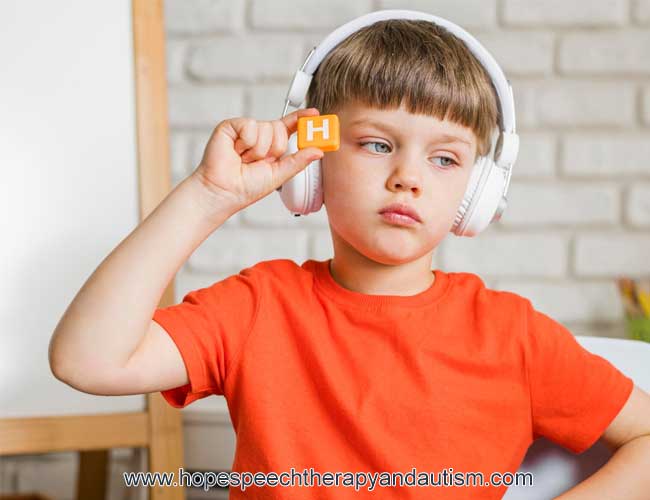

Hope Centre for Speech Therapy and Autism Treatment recognises the close relationship between hearing, communication, and learning. Where hearing-related concerns are identified, families can receive guidance on appropriate assessment and support rather than assuming that communication difficulties are purely developmental. Hearing aid treatment may involve selecting suitable technology, fitting and programming devices, counselling, and follow-up adjustments depending on the individual's hearing profile and professional recommendations. For parents looking for a Hearing Aid Centre in Oshawa, it is important to prioritise qualified assessment and ongoing support instead of focusing only on the device itself. Consistent hearing access can be especially important for children developing speech and language skills. If you notice possible hearing or communication difficulties, arranging an appropriate assessment can help clarify the next step.
Are You Ready to Choose the Right Support in Oshawa?
Choosing developmental or therapeutic support is easier when the focus stays on the person's actual needs, measurable goals, and everyday functioning. Speech therapy, autism intervention, academic therapy, occupational therapy, CBT, and hearing-related services each address different concerns, but they can also complement one another when a person has overlapping needs. For families searching for an Online Autism Treatment & Speech Therapy Centre in Oshawa, convenience should be considered alongside professional assessment, individualised planning, caregiver involvement, progress tracking, and appropriate clinical expertise. Hope Centre for Speech Therapy and Autism Treatment offers a coordinated approach designed to help families work towards practical communication, learning, behavioural, sensory, and developmental goals.
If you are concerned about your child's communication, development, learning, behaviour, sensory needs, emotional wellbeing, or hearing, the first useful step is to discuss those concerns with an appropriate professional and understand what assessment may be required. Hope Centre for Speech Therapy and Autism Treatment can help families explore suitable therapy options and develop a plan based on individual requirements. Contact the centre to discuss your concerns, ask about online services available to families in Oshawa, and take the next step towards consistent, evidence-informed support that can be carried into everyday life.