
Are You Looking for an Online Autism Treatment & Speech Therapy Centre in New Zealand?
Finding the right developmental and learning support can make everyday communication, education and independence easier for children and families. An online Autism Treatment & Speech Therapy Centre in New Zealand can provide structured professional guidance when travelling to a clinic is difficult or when families need access to specialists beyond their immediate area. Speech and language difficulties, autism-related communication differences, learning challenges, sensory needs, emotional difficulties and hearing concerns can overlap, so looking at only one issue may not provide a complete picture. New Zealand also has established learning-support pathways involving teachers, speech-language therapists, psychologists, occupational therapists and other specialists. The Ministry of Education currently supports early intervention and school-based learning support, including specialist assistance for communication, developmental and behavioural needs. This makes coordinated care particularly valuable for families trying to understand what support their child needs and how different services can work together.
Hope Centre for Speech Therapy and Autism Treatment takes a comprehensive approach by bringing different areas of developmental support together around the individual needs of a child or learner. Online sessions can be useful for assessment discussions, therapy guidance, parent coaching, home-based activities and follow-up support, while families can coordinate with local schools and health professionals where necessary. The aim is not simply to provide a session but to build practical skills that can be used at home, during learning and in everyday social situations. For families in New Zealand, this can be especially helpful when they want consistent professional input while managing distance, school schedules or other commitments. Choosing a service should involve asking about professional qualifications, assessment methods, individual treatment goals, progress monitoring and communication with caregivers. A clear plan helps families understand what is being addressed, how progress will be measured and when the programme should be reviewed.
What Is Speech Therapy, What Symptoms May Indicate a Need, and How Is It Treated?
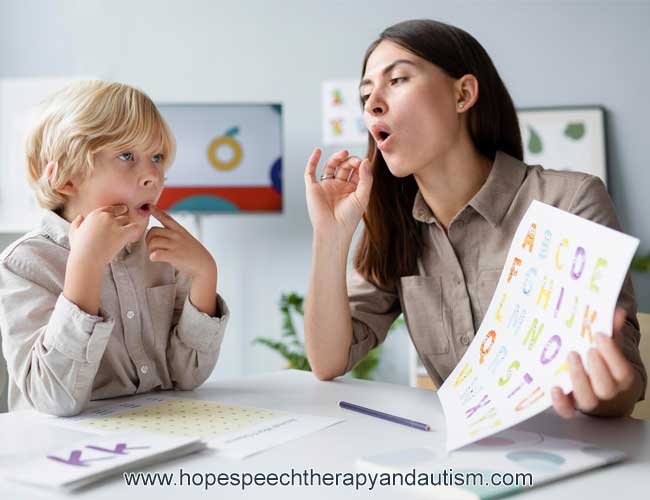
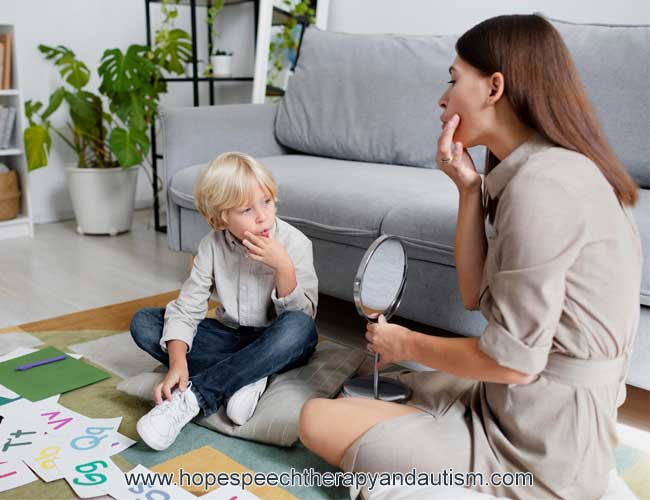
Speech therapy supports people who have difficulties with speech, language, communication, voice or related feeding and swallowing skills. In children, signs that professional assessment may be useful can include speech that is difficult to understand, limited vocabulary, difficulty forming sentences, problems following verbal instructions, trouble participating in conversations, stuttering or an ongoing voice problem. These difficulties can affect classroom participation and social interaction even when a child has good ideas and understands more than they can express. A speech-language therapist normally evaluates the specific communication difficulty rather than assuming that every child needs the same treatment. Therapy may then focus on pronunciation, receptive and expressive language, fluency, social communication or functional communication. In New Zealand schools, speech-language therapists can also work with teachers and families to develop strategies that help a child communicate more effectively across everyday environments.
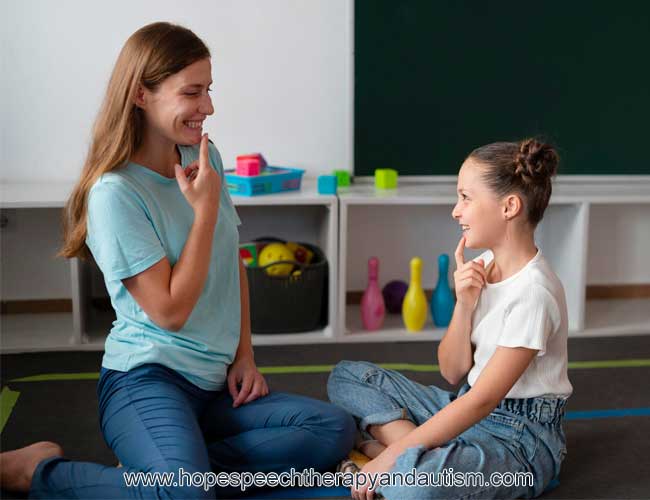
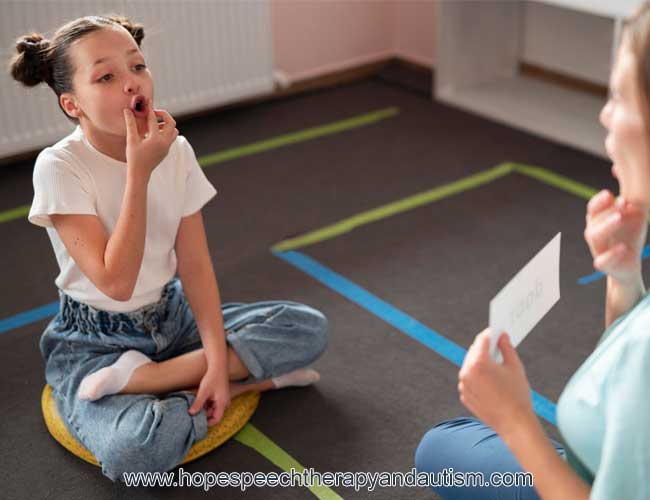
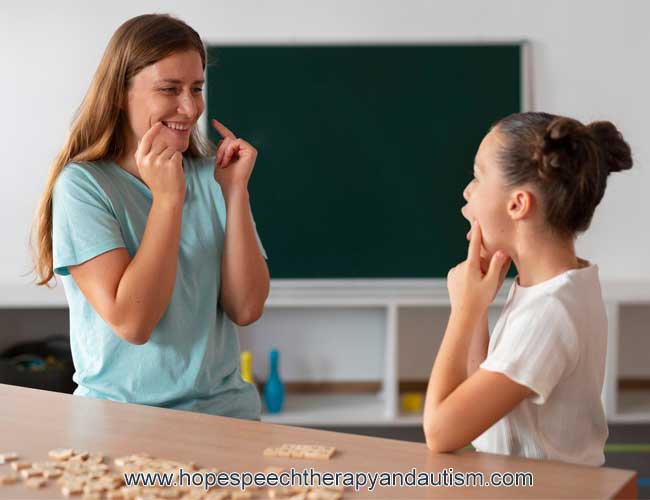
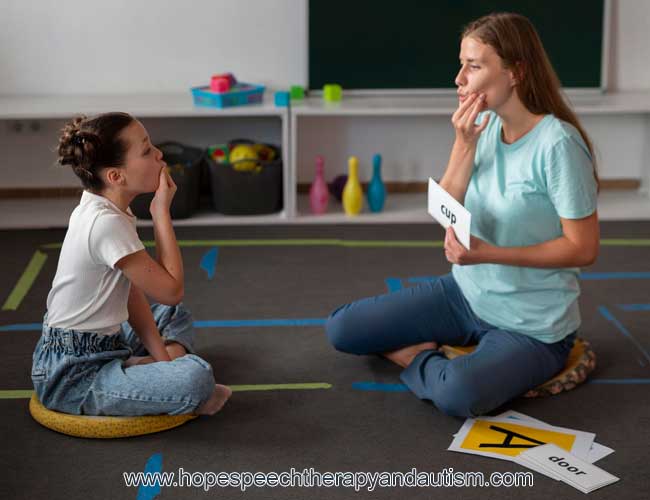
Hope Centre for Speech Therapy and Autism Treatment provides individualized speech and language support based on the learner's communication profile rather than using a one-size-fits-all programme. Online speech therapy can involve structured activities, modelling, repetition, visual supports, caregiver coaching and practice between sessions. For a child who struggles to follow instructions, therapy may target understanding language and responding accurately; for another child, the focus may be on sentence development, speech clarity or functional communication. The centre can also help parents understand how to continue communication practice during normal routines instead of limiting learning to the therapy session. Consistency is important because communication skills develop through repeated opportunities to use them. Families should expect goals to be reviewed as the child develops, with progress discussed in practical terms such as clearer communication, improved participation, better comprehension or greater confidence in everyday interactions.
What Is Autism, What Are Its Symptoms, and How Is It Treated?
Autism is a neurodevelopmental condition associated with differences in social communication and interaction, together with restricted or repetitive patterns of behaviour, interests or activities. The presentation varies considerably from one person to another, which is why treatment should be based on individual needs rather than a fixed autism programme. Some children may have delayed spoken language, while others may speak fluently but find social communication difficult. Differences can also involve repetitive movements, strong interests, difficulty with changes in routine or unusual responses to sensory experiences. Autism itself is not something that can be removed through therapy. Appropriate intervention instead aims to support communication, learning, participation, emotional regulation, independence and quality of life. Early support can be particularly valuable when developmental concerns are identified, and New Zealand's learning-support system includes early intervention for children with additional developmental, communication or behavioural needs.
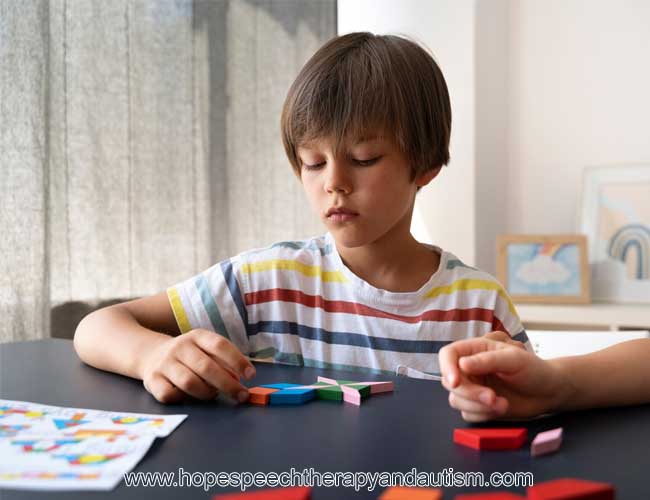
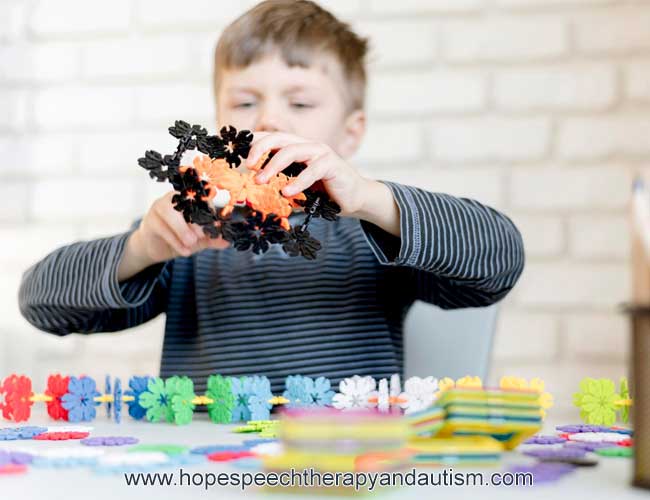
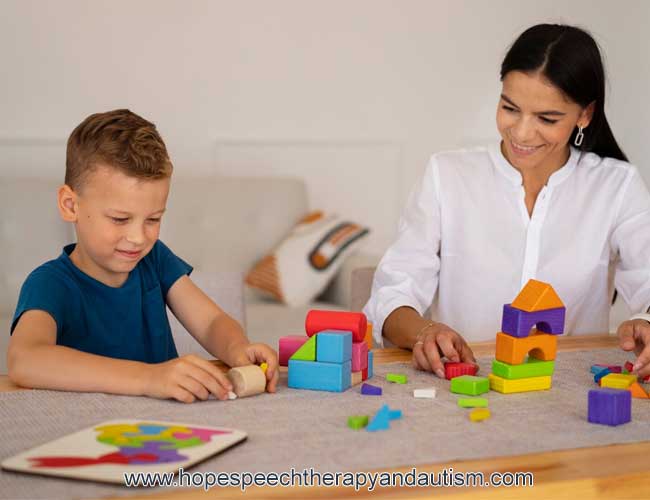
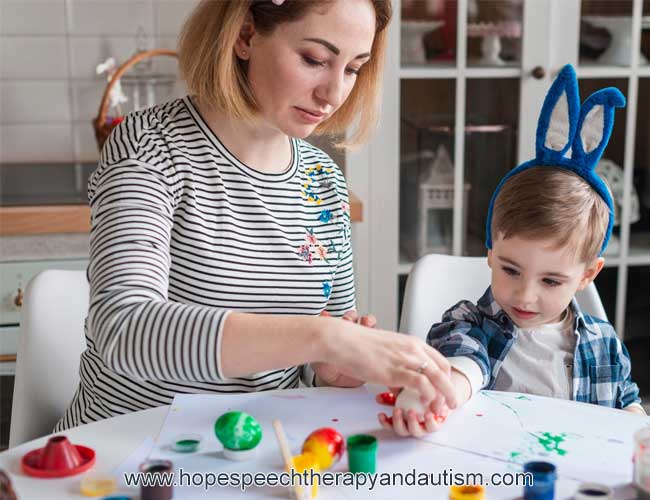
Hope Centre for Speech Therapy and Autism Treatment focuses on practical developmental goals that can make daily life easier for autistic children and their families. Depending on the child's profile, support may include communication development, social interaction, behavioural strategies, emotional regulation, sensory support and parent guidance. The centre's approach can complement local services rather than replace them, allowing families to share relevant goals with educators and other professionals when appropriate. A useful autism intervention plan should identify what the child can already do, what creates barriers and which skills would have the greatest effect on participation. Progress should be reviewed regularly instead of measuring success only through isolated clinical tasks. For families seeking an Online Autism Treatment Centre in New Zealand, remote support can provide continuity between appointments and give parents practical strategies they can use during play, routines, learning activities and social situations.
What Is Special Education and Academic Therapy, and How Can It Support Learning?
Special education and academic therapy provide targeted support when a learner needs more individualized help to access education and develop academic skills. The support may address reading, writing, mathematics, attention, comprehension, study habits, executive functioning or the use of assistive technology. It should be based on the learner's strengths and specific learning barriers rather than simply giving more worksheets. In New Zealand, schools can work with learning support coordinators, specialist teachers, speech-language therapists, psychologists, occupational therapists and other professionals when children need additional assistance. Individual learning or support plans can establish practical goals and strategies that change as the learner develops. The Ministry of Education also provides pathways such as the Ongoing Resourcing Scheme for students with the highest levels of ongoing learning support needs. This broader system shows why academic intervention works best when therapy, teaching and family support are coordinated rather than treated as separate activities.
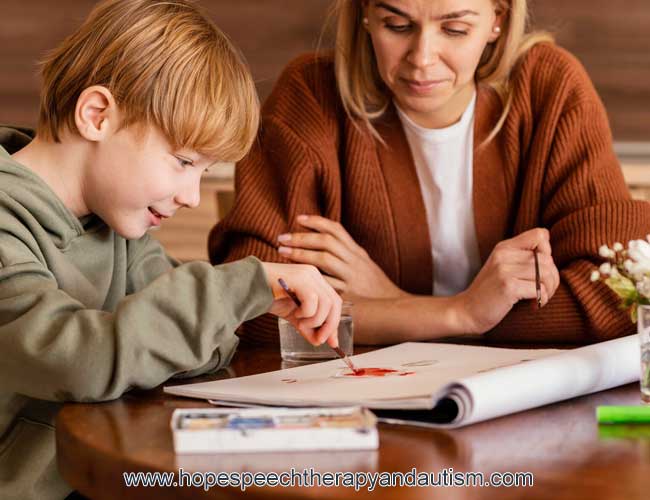
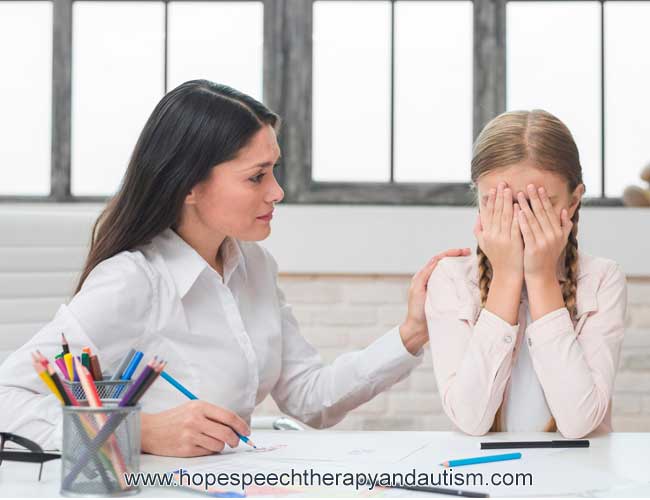
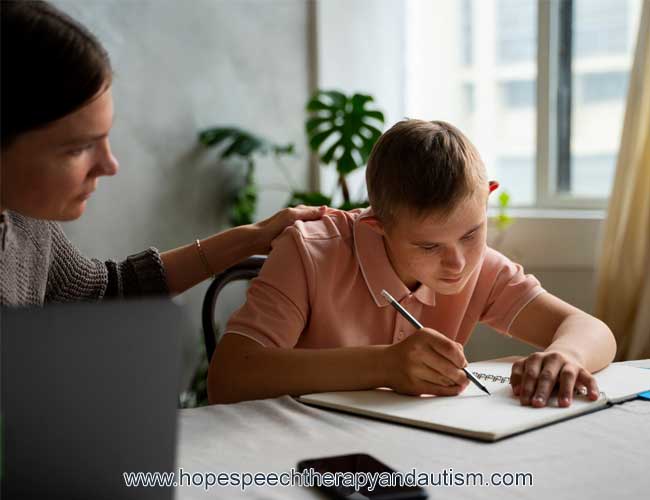
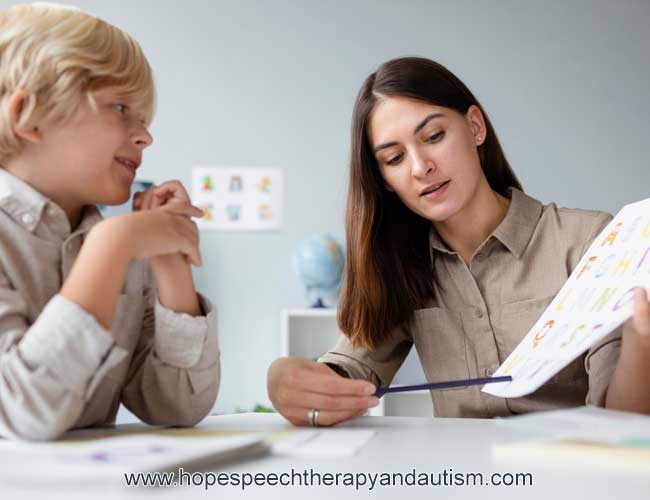
Hope Centre for Speech Therapy and Autism Treatment can support academic development by connecting learning goals with the child's communication, attention and developmental profile. For example, a learner with language difficulties may need help understanding the language used in mathematics questions, while another learner may require structured reading practice, visual learning strategies or support with organizing tasks. Online sessions can make it easier for parents to observe strategies and continue them between appointments. This is particularly useful when the same approach is reinforced at home and, where appropriate, communicated to teachers. The goal is functional progress: better engagement with schoolwork, improved understanding, stronger foundational academic skills and greater independence. Families in New Zealand can also discuss school-based support with their child's teacher or learning support coordinator so that external therapy and classroom strategies work toward compatible goals.
What Is Occupational Therapy and Sensory Integration Therapy, and When Can It Help?
Occupational therapy helps people develop or maintain skills needed for everyday activities, participation and independence. For children, this may include fine-motor skills, handwriting, dressing, feeding routines, play, coordination, attention and participation in classroom activities. Sensory integration approaches may be considered when a child has noticeable difficulties responding to sensory information, such as sounds, touch, movement or visual input. A proper assessment is important because sensory behaviours can have different causes and should not automatically be treated as a sensory disorder. Occupational therapists may examine how sensory, motor, emotional and environmental factors affect functional activities before deciding what intervention is appropriate. In New Zealand, occupational therapists are among the professionals who may work within learning-support teams, particularly when a learner's developmental or participation needs affect education. The emphasis should remain on meaningful daily outcomes rather than using sensory activities simply because a child enjoys them.
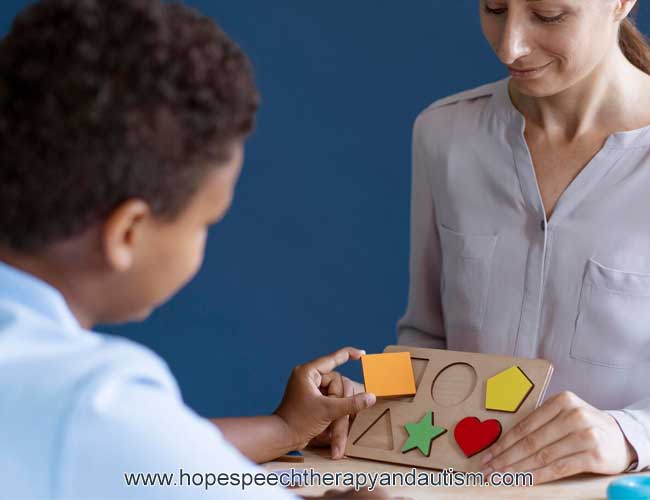
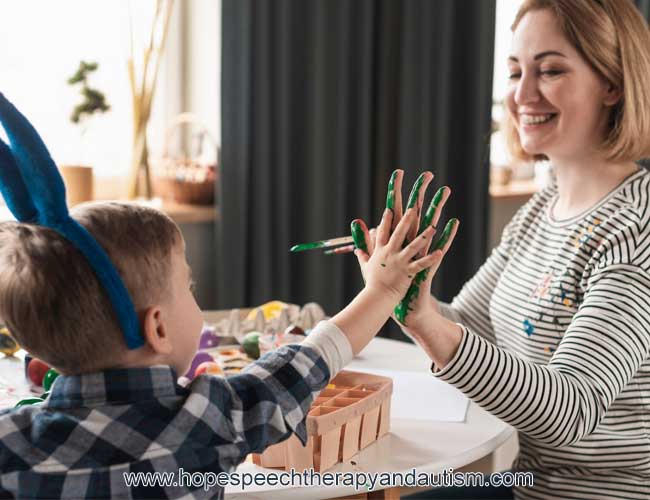

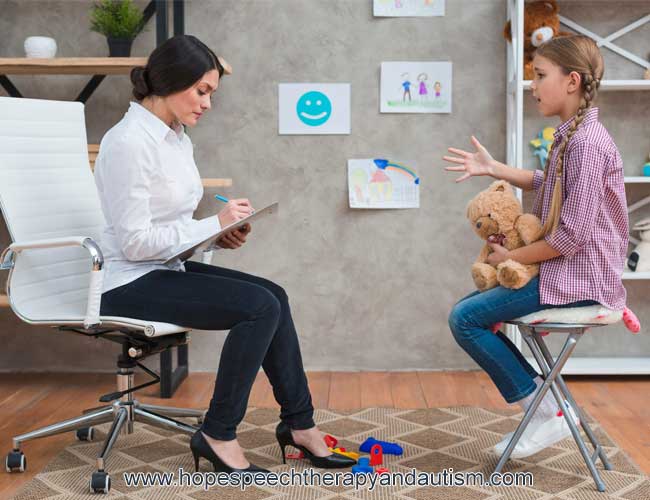
Hope Centre for Speech Therapy and Autism Treatment uses occupational and sensory-focused support to address functional difficulties that can interfere with learning and everyday routines. Intervention may involve activities that develop coordination, fine-motor control, self-care skills, attention, body awareness or tolerance of specific activities, depending on the assessment. For an autistic child, occupational therapy may complement speech therapy by helping the child participate more comfortably in communication and learning tasks. Parents can also receive practical strategies for adapting routines and environments without turning the home into a constant therapy setting. Online occupational therapy can be useful for coaching caregivers and demonstrating activities that can be completed with ordinary household materials, although some children may require face-to-face assessment or intervention. A responsible programme therefore considers the child's circumstances, monitors functional outcomes and recommends local services when an in-person evaluation is clinically necessary.
What Is CBT, and How Can Cognitive Behavioral Therapy Support Children and Families?
Cognitive Behavioral Therapy, commonly called CBT, is a structured psychological approach that examines the relationship between thoughts, emotions and behaviours. It is commonly used for difficulties such as anxiety and other emotional or behavioural concerns, although suitability depends on the individual and the specific problem being addressed. CBT does not treat autism itself, but it may help an autistic person manage a co-occurring difficulty when the therapy is adapted to their communication, developmental level and way of processing information. For children, treatment can involve identifying situations that trigger distress, learning coping strategies, practising gradual responses and helping caregivers reinforce useful skills. Therapy should be delivered by an appropriately trained professional following an assessment. For families in New Zealand, CBT may form one part of a broader support plan alongside developmental, educational, speech or occupational services when several areas affect a child's daily functioning.

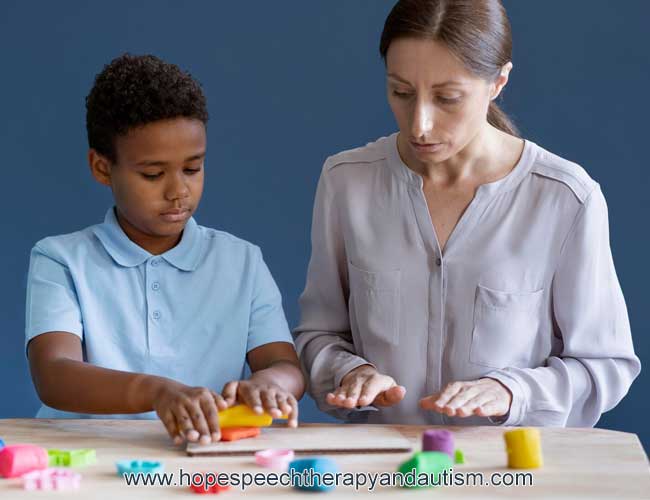
Hope Centre for Speech Therapy and Autism Treatment can incorporate CBT-based strategies when they are appropriate for the person's goals and developmental needs. Sessions can focus on recognizing emotions, understanding patterns that lead to distress, building coping skills and practising more helpful responses to challenging situations. With younger children, caregivers may have an important role in supporting the strategies between sessions, while older children and adolescents may take a more active role in identifying goals and practising skills independently. Online delivery can make parent participation easier and can provide continuity for families who have difficulty attending appointments in person. However, therapy should never rely on generic exercises alone. The professional should assess the presenting concern, adapt communication and expectations, establish measurable goals and review progress. This individualized approach helps ensure that CBT remains a practical intervention rather than simply a collection of relaxation or behaviour-management activities.
What Is Hearing Aid Treatment, What Symptoms Suggest Hearing Loss, and Where Can You Find the Best Hearing Aid Centre in New Zealand?
Hearing aid treatment begins with identifying the type and degree of hearing difficulty rather than choosing a device based only on symptoms. Possible signs of hearing loss can include frequently asking people to repeat themselves, difficulty following conversation in noisy environments, unclear responses to spoken instructions, unusually loud television volume or problems hearing speech at school. In children, hearing difficulties can also affect speech and language development, attention and classroom participation, so hearing should be considered when communication progress is not developing as expected. A hearing assessment by an appropriately qualified hearing professional is important before deciding whether hearing aids are suitable. If hearing aids are recommended, fitting involves selecting appropriate technology, programming the device and checking that it provides useful access to sound. Follow-up is also important because hearing needs and device requirements can change over time, particularly as children grow.
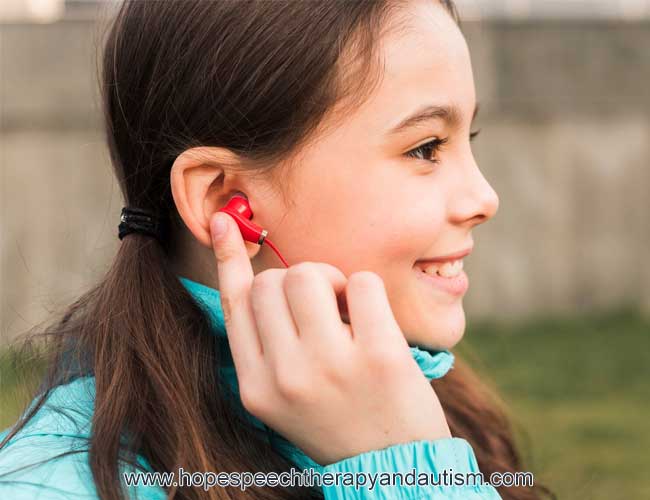
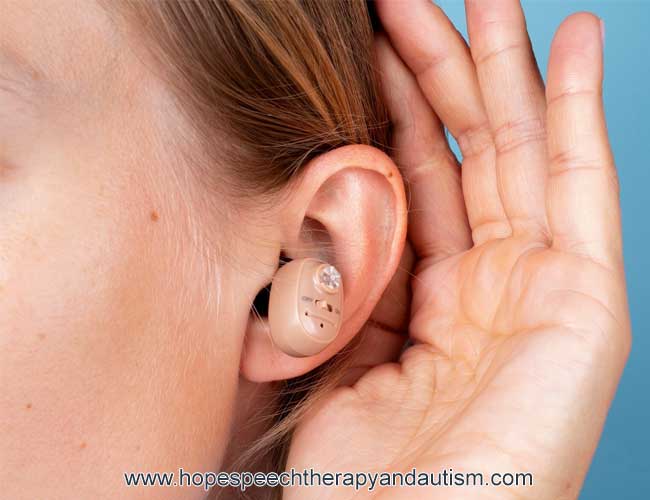
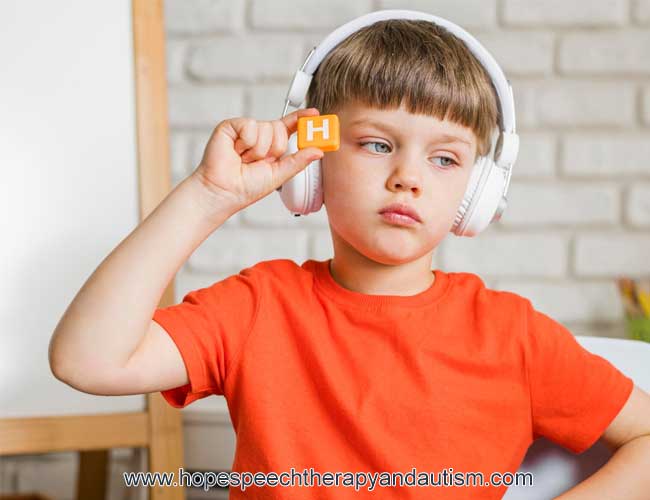

Hope Centre for Speech Therapy and Autism Treatment recognizes that hearing and communication are closely connected, particularly when a child is receiving speech or developmental therapy. Where hearing concerns are identified, families can be guided toward appropriate hearing assessment and device-related support while continuing communication intervention where required. Hearing aids do not automatically restore normal hearing, and effective outcomes depend on correct fitting, consistent use, maintenance and appropriate follow-up. Children may also need communication strategies and educational adjustments alongside amplification. For families searching for the Best Hearing Aid Centre in New Zealand, the most useful choice is one that provides proper assessment, individualized fitting, clear explanations and ongoing review rather than focusing only on the device itself. When hearing, speech, autism, learning or sensory concerns occur together, coordinated professional care can provide a clearer understanding of the child's needs and help families make informed decisions.
Are You Ready to Choose the Right Online Therapy Support in New Zealand?
Choosing therapy is an important decision, especially when several developmental or learning concerns appear at the same time. A strong programme should begin with understanding the individual rather than applying a standard package to every child. Speech therapy can strengthen communication, autism-focused intervention can support participation and independence, academic therapy can address learning barriers, occupational therapy can improve functional skills, CBT can address suitable emotional or behavioural concerns, and hearing assessment can identify problems that may affect communication. These services are most effective when their goals are clear and when parents, therapists, educators and other relevant professionals communicate appropriately. New Zealand families also have access to established learning-support pathways, including early intervention and school-based specialist support. An online service can complement those pathways by providing accessible professional guidance and helping families maintain consistency between formal appointments and everyday routines.
Hope Centre for Speech Therapy and Autism Treatment aims to give families practical, individualized support across communication, autism, education, occupational needs, CBT-based intervention and hearing-related concerns. The focus is on understanding the person's needs, setting meaningful goals and helping families apply useful strategies beyond the therapy session. If you are looking for an Online Autism Treatment & Speech Therapy Centre in New Zealand, start by discussing your child's current challenges, previous assessments, school concerns and therapy goals with a qualified professional. Ask how progress will be measured, how parents will be involved and how the programme can work alongside local education or health services when necessary. Taking that first step can help turn uncertainty into a clearer support plan. Contact Hope Centre for Speech Therapy and Autism Treatment to discuss your requirements and explore an appropriate therapy pathway for your child or family.