
Are You Looking for an Online Autism Treatment & Speech Therapy Centre in Melbourne?
Finding the right therapy for a child or adult with communication, developmental, learning, behavioural, sensory, or hearing needs can feel overwhelming, especially when families are trying to understand which service is actually appropriate. An Online Autism Treatment & Speech Therapy Centre in Melbourne can make professional guidance more accessible by allowing families to connect with therapists without always travelling to a clinic. The important point is that therapy should not be selected simply because it is available online. It should be based on an individual assessment, clear goals, qualified professionals, regular progress reviews, and strategies that can be used in everyday life. In Melbourne, families may also need to understand how private services, schools, health professionals, and the National Disability Insurance Scheme (NDIS) fit together. Hope Centre for Speech Therapy and Autism Treatment provides a multidisciplinary approach covering speech therapy, autism treatment, occupational therapy, CBT, special education, and hearing-related support, giving families a broader framework for addressing several connected needs.
This article explains what each major therapy involves, the signs that may indicate a need for professional assessment, and how structured intervention can support communication, learning, independence, emotional regulation, and participation. Melbourne is a diverse city with families who may need flexible services because of work schedules, school commitments, distance, or difficulty travelling with a child who has additional needs. Online therapy can sometimes be useful for assessment follow-ups, parent coaching, consultation, home programmes, and selected therapeutic activities, although suitability depends on the person and the therapy involved. Hope Centre focuses on individualised intervention and a multidisciplinary model, which can help families look at the child as a whole rather than treating one difficulty in isolation. For families considering an Online Autism Treatment & Speech Therapy Centre in Melbourne, understanding the purpose and limitations of each service is an important first step.
What Is Speech Therapy, and What Are the Symptoms and Treatment Options?
Speech therapy supports people who have difficulties with speech, language, communication, voice, fluency, or related social communication skills. A child may need assessment when speech is difficult to understand for their age, vocabulary is developing slowly, sentences are limited, instructions are difficult to follow, or conversation and turn-taking are challenging. Stammering, unclear pronunciation, voice problems, and communication difficulties associated with autism or developmental conditions can also require professional support. Treatment is not simply about making a child speak more. A speech pathologist identifies the underlying communication difficulty and selects suitable goals, which may include improving speech sounds, understanding language, expressing ideas, using functional communication, or developing social communication. For families seeking speech therapy in Melbourne, online sessions can sometimes support parent coaching and home practice, while face-to-face assessment may be required when direct observation or physical examination is important.

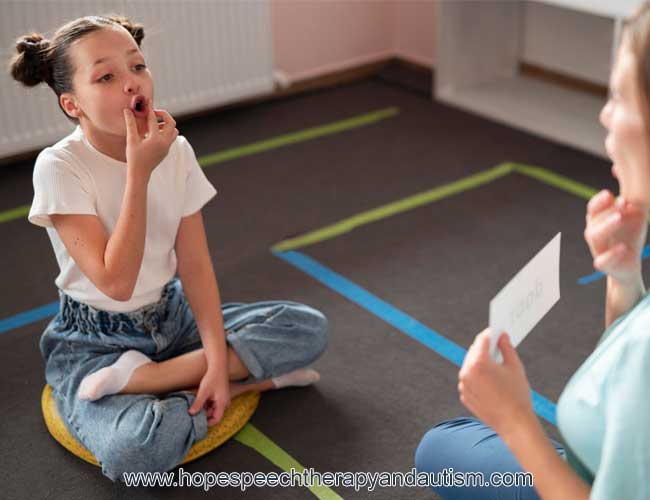
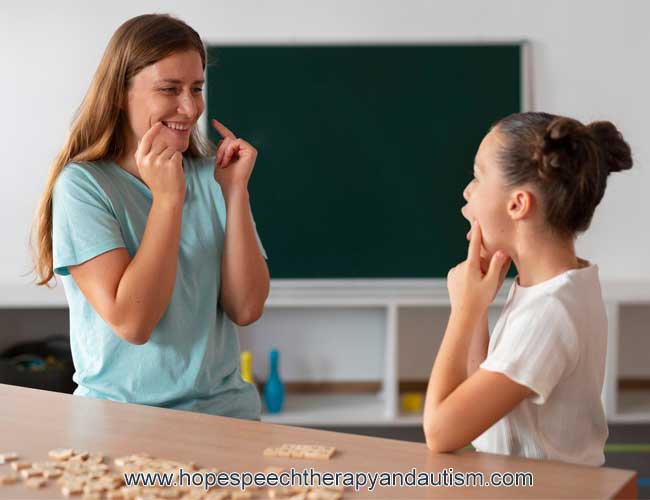
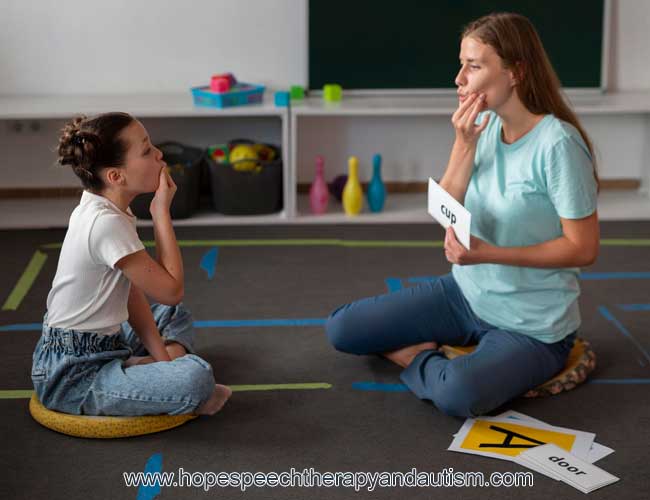
Hope Centre for Speech Therapy and Autism Treatment approaches communication difficulties through individualised therapy rather than using the same programme for every child. Its stated services include speech and language intervention for children with speech delay, pronunciation difficulties, stammering, autism, hearing impairment, and other developmental concerns. A useful treatment plan should include measurable goals and regular review so families can see whether communication is improving in practical situations. For an Online Autism Treatment & Speech Therapy Centre in Melbourne, this may include guided activities that parents can practise at home between sessions. Consistent practice matters because communication skills develop through repeated use across everyday situations, including family conversations, school routines, play, and community activities.
What Is Autism, and What Are the Symptoms and Treatment Options?
Autism is a neurodevelopmental condition that can affect social communication, interaction, behaviour, interests, and sensory processing. It is a spectrum, which means autistic people can have very different strengths, support needs, communication abilities, and patterns of development. Common signs can include differences in eye contact or social interaction, difficulty understanding social cues, repetitive movements or behaviours, strong preferences for routines, focused interests, sensory sensitivities, or differences in spoken and non-spoken communication. These signs do not automatically mean that a person is autistic, and diagnosis should be carried out by appropriately qualified professionals using a comprehensive assessment. In Melbourne, families may encounter paediatricians, psychologists, speech pathologists, occupational therapists, and other professionals as part of assessment and support. Therapy should focus on functional outcomes such as communication, participation, independence, emotional regulation, learning, and quality of life rather than trying to remove a person's identity or individuality.
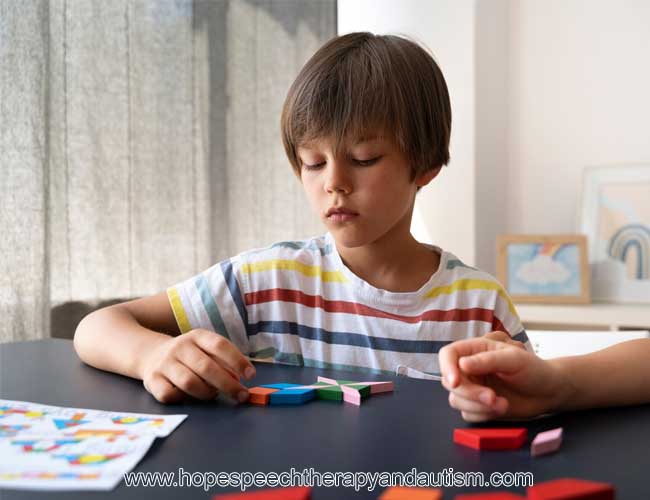
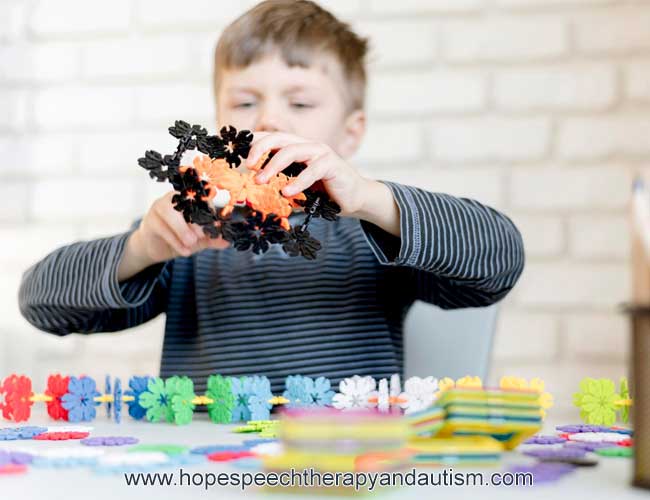
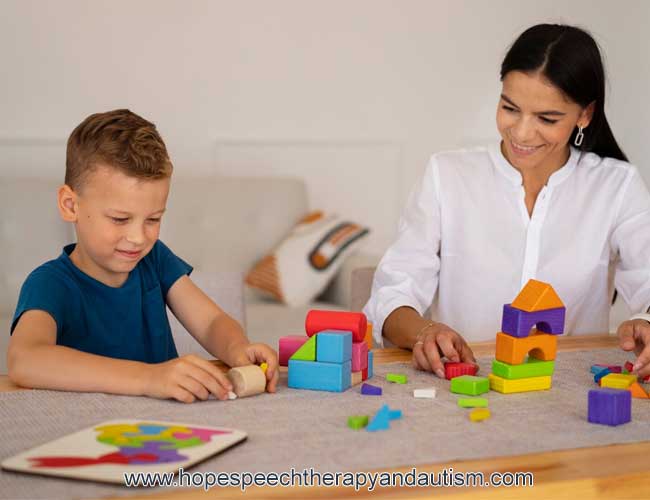
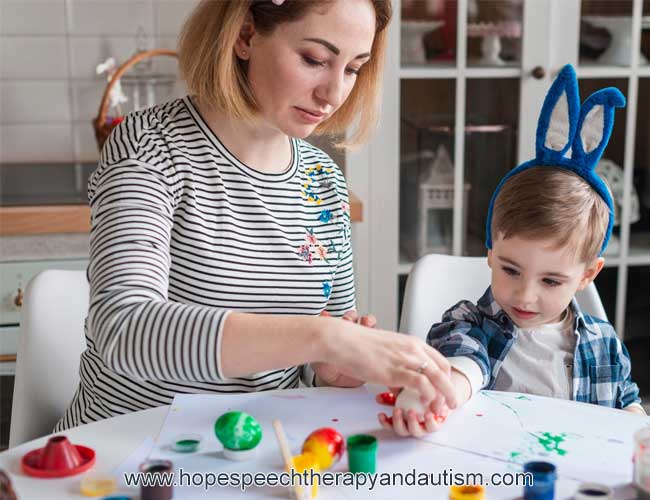
Hope Centre for Speech Therapy and Autism Treatment describes its approach as multidisciplinary, bringing together areas such as speech therapy, occupational therapy, behavioural support, CBT, and special education. This can be valuable when an autistic child has more than one area of difficulty, such as limited communication combined with sensory challenges or academic delays. An effective autism treatment programme should be personalised and adjusted as the person's needs change. For families exploring an Online Autism Treatment & Speech Therapy Centre in Melbourne, online sessions can be useful for parent guidance, communication practice, behavioural strategies, and reviewing progress at home, while some assessments and interventions may be more appropriate in person. Families should also ask providers about professional qualifications, assessment methods, measurable goals, communication with other professionals, and how progress will be documented over time.
What Is Special Education and Academic Therapy, and How Can It Support Learning?
Special education is designed to help learners whose developmental, communication, cognitive, behavioural, sensory, or learning needs make conventional classroom approaches difficult to access. Academic therapy takes this support further by identifying specific learning difficulties and building skills through structured, individualised instruction. A child may need support with early literacy, reading comprehension, writing, numeracy, attention, following instructions, organisation, or classroom participation. The goal is not simply to complete schoolwork for the child. Good intervention breaks complex skills into manageable steps, provides appropriate repetition, uses the learner's strengths, and gradually builds independence. In Victoria, schools have established processes for supporting students with disability and additional learning needs, and some children may also qualify for specialist education depending on their assessed needs. A coordinated approach between families, teachers, therapists, and other professionals can make academic intervention more consistent and useful.


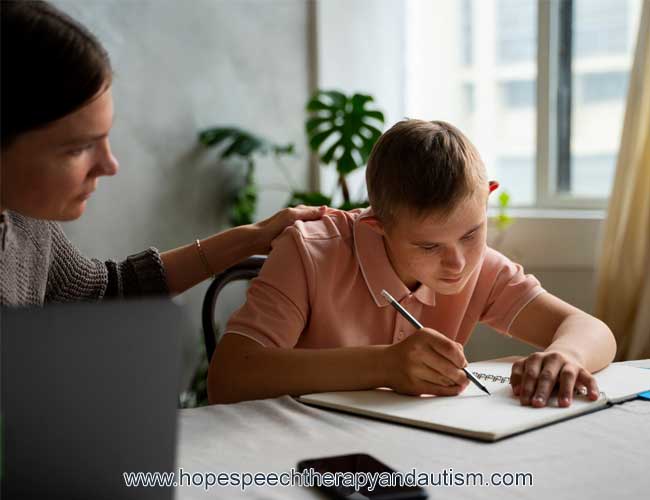
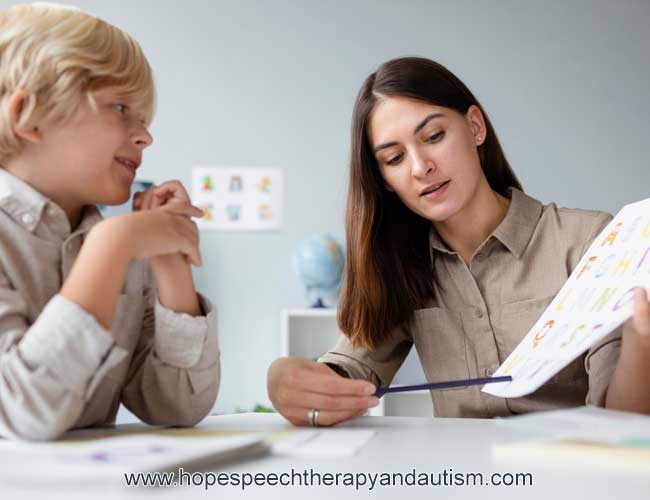
Hope Centre provides special education as part of its broader support model for children who require additional help with learning and development. Its approach is centred on identifying the child's current abilities and working towards functional academic progress rather than expecting every learner to follow the same pace. For families using an Online Autism Treatment & Speech Therapy Centre in Melbourne, academic support can be particularly practical when therapists provide parents with structured activities that can be continued between sessions. The most useful plans connect therapy goals with real academic demands, such as understanding classroom instructions, completing written tasks, communicating needs, improving attention, or developing early reading and numeracy skills. Families should maintain communication with the child's school so that therapeutic strategies complement classroom expectations instead of becoming a separate and disconnected programme.
What Is Occupational Therapy and Sensory Integration Therapy, and Which Centre Can Help?
Occupational therapy helps people develop or improve the skills needed for everyday activities, participation, independence, and functional routines. For children, this can include dressing, feeding, handwriting, classroom participation, coordination, fine motor skills, play, and managing everyday tasks. Sensory-related difficulties may appear when a child is unusually sensitive to sounds, textures, movement, touch, lights, or other environmental experiences, or seeks certain sensory input repeatedly. An occupational therapist assesses how these patterns affect daily functioning before developing an appropriate intervention plan. Sensory integration approaches should be selected carefully and linked to meaningful functional goals rather than used simply because a child appears restless or dislikes certain sensations. Victorian health guidance recognises occupational therapy as an allied health profession, and families can seek appropriately qualified professionals when these difficulties interfere with participation at home, school, or in the community.
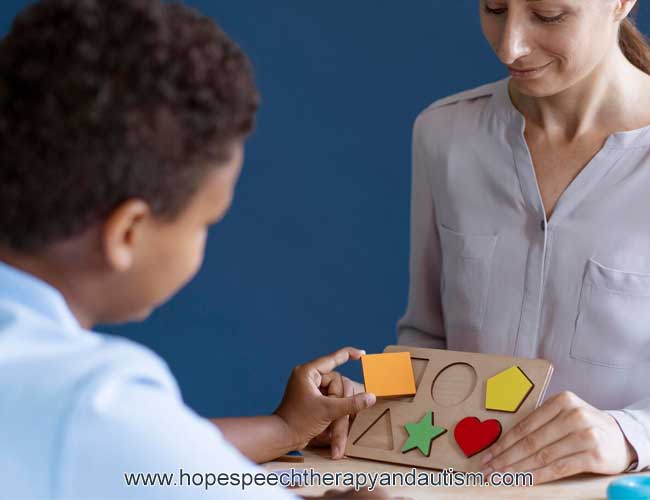
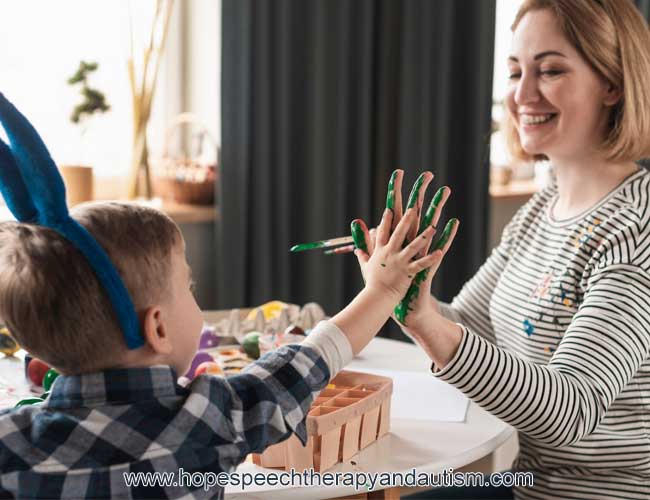


Hope Centre includes occupational therapy within its multidisciplinary model and focuses on difficulties that can affect motor development, daily functioning, and participation. For a family considering an Online Autism Treatment & Speech Therapy Centre in Melbourne, occupational therapy may include parent education and home-based strategies when online delivery is clinically suitable. However, a thorough assessment may require direct observation of movement, coordination, sensory responses, or functional activities, so the therapist should determine whether teletherapy is appropriate. A strong treatment plan should explain what the child is working towards and how success will be measured in daily life. Examples may include completing a morning routine with less assistance, improving classroom participation, managing sensory challenges more effectively, or developing fine motor skills needed for school activities.
What Is CBT, and Which Centre Can Provide Cognitive Behavioral Therapy?
Cognitive Behavioral Therapy, commonly called CBT, is a structured psychological approach that explores the relationship between thoughts, emotions, and behaviours. It is used for a range of difficulties, including anxiety, low mood, fears, avoidance, emotional regulation problems, and certain behavioural patterns. CBT is not a single technique that works identically for everyone. The therapist considers the person's age, communication abilities, cognitive development, goals, and specific concerns when deciding how to adapt the approach. For children with developmental or communication differences, therapy may need visual supports, simple language, parent involvement, role-play, and practical examples. In Melbourne, psychological support may be accessed through different health and disability pathways, but families should confirm that the professional delivering CBT has appropriate qualifications and experience with the individual's needs. Therapy should focus on realistic goals and skills that can be applied outside the session.

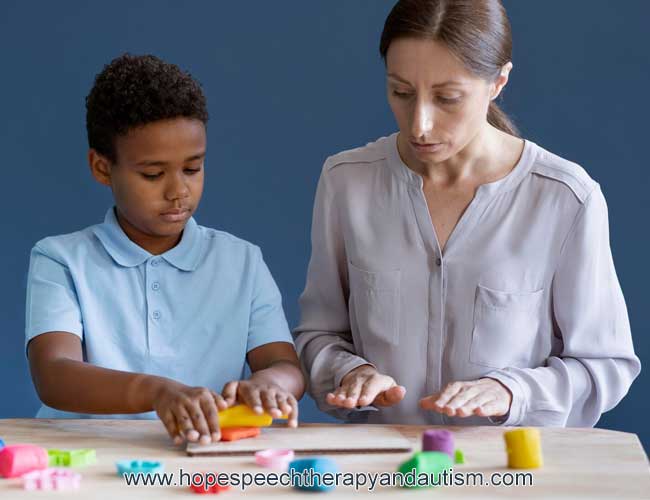


Hope Centre offers CBT within its multidisciplinary service model and aims to connect behavioural and emotional support with the person's broader developmental needs. This can be useful when communication difficulties, autism-related challenges, learning needs, and emotional regulation concerns occur together. For families looking for an Online Autism Treatment & Speech Therapy Centre in Melbourne, online CBT can sometimes be practical because many therapeutic activities involve conversation, guided practice, parent support, and skills that can be applied at home. The therapist should still determine whether online treatment is suitable and whether another professional needs to be involved. A useful CBT programme should give families a clear understanding of the goals, the strategies being taught, and the ways progress will be reviewed rather than relying on vague promises of improvement.
What Is Hearing Aid Treatment, and Which Is the Best Hearing Aid Centre in Melbourne?
Hearing aid treatment begins with identifying the type and degree of hearing loss rather than choosing a device based only on appearance or price. Hearing difficulties can affect speech development, listening, learning, communication, and social participation, particularly when they occur during childhood. An audiologist can assess hearing and determine whether amplification or another form of hearing management is appropriate. Depending on the individual's needs, treatment may involve hearing assessment, device selection, fitting, programming, communication strategies, follow-up, and maintenance. Hearing aids do not restore normal hearing in every case, and their benefit depends on the person's hearing profile, device settings, consistent use, and appropriate rehabilitation. For families in Melbourne, regular professional follow-up is important because hearing needs and device requirements can change. Any child with suspected hearing difficulty should receive an appropriate hearing assessment rather than relying on assumptions about speech or developmental delay.

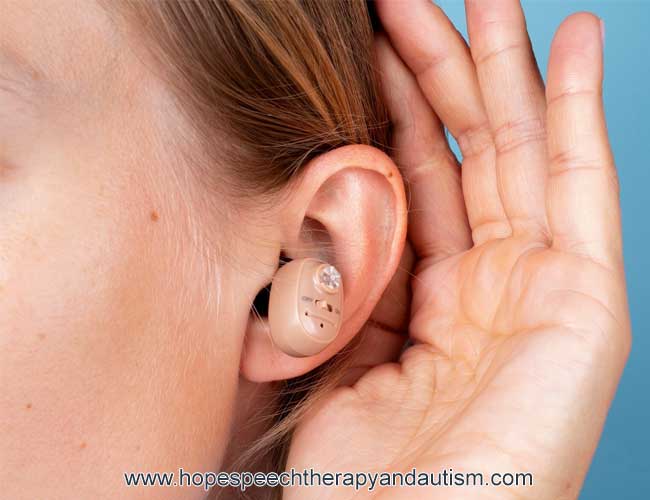
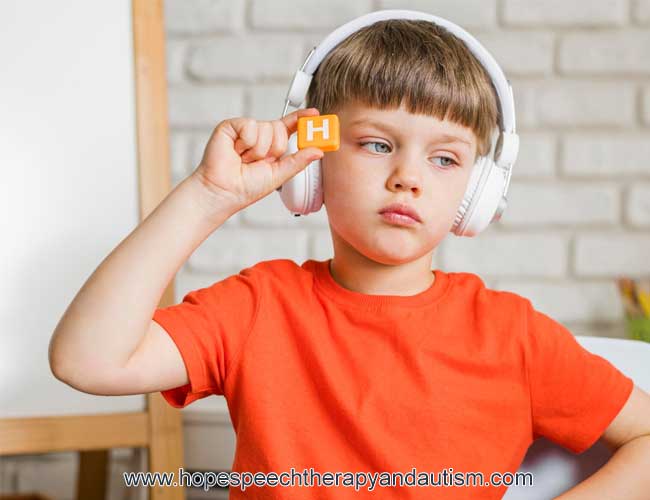

Hope Centre for Speech Therapy and Autism Treatment states that its hearing-related services include hearing assessment, hearing rehabilitation, hearing device fitting, maintenance, and support. This is particularly relevant when hearing concerns overlap with speech and language development because communication therapy may need to consider how well the person can hear speech. For families searching for an Online Autism Treatment & Speech Therapy Centre in Melbourne, online sessions can complement hearing-related care through communication coaching and therapy, but hearing assessment, audiological testing, and device fitting require appropriate professional services and equipment. Families should therefore choose a qualified audiology pathway for hearing diagnosis and device management while coordinating speech and language intervention when needed. This integrated approach can help ensure that a hearing problem is not overlooked when a child is also experiencing delayed communication or learning difficulties.
Are You Ready to Choose the Right Online Autism Treatment & Speech Therapy Centre in Melbourne?
Choosing therapy is an important decision, and the best starting point is a clear understanding of the person's actual needs rather than selecting a service based only on a label such as autism, speech delay, sensory difficulty, or learning difficulty. Speech therapy, autism support, special education, occupational therapy, CBT, and hearing services can address different areas, but they often work best when professionals communicate and build goals around everyday functioning. Melbourne families may also need to consider school requirements, professional assessments, travel, appointment availability, and whether NDIS funding or another pathway applies to their circumstances. An Online Autism Treatment & Speech Therapy Centre in Melbourne can offer useful flexibility when online delivery is clinically appropriate, particularly for parent coaching, follow-up, home programmes, and selected therapy goals.
Hope Centre for Speech Therapy and Autism Treatment offers a multidisciplinary model covering the major areas discussed in this guide, with an emphasis on individualised support and practical development. Families should discuss the person's current difficulties, previous assessments, therapy history, communication abilities, learning needs, and goals before beginning a programme. If you are looking for structured support for speech, autism, learning, sensory needs, emotional or behavioural concerns, or hearing-related communication difficulties, contact Hope Centre to discuss the available services and determine which approach may be appropriate. Starting with a professional assessment and a clear treatment plan can help turn uncertainty into practical next steps and give the individual consistent support towards better communication, learning, independence, and participation.