
Are You Looking for an Online Autism Treatment & Speech Therapy Centre in London?
When a child has difficulty communicating, learning, managing emotions, responding to sensory input or participating confidently in everyday activities, finding the right professional support can make a meaningful difference. Families in London often have to coordinate school support, healthcare appointments and specialist therapies, which can make accessible online services especially useful. An Online Autism Treatment & Speech Therapy Centre in London can provide structured intervention from home while reducing some of the practical difficulties associated with frequent travel. Hope Centre for Speech Therapy and Autism Treatment offers support across speech and language development, autism intervention, special education, occupational therapy, CBT and hearing-related needs. The right therapy should always begin with an understanding of the individual's abilities and difficulties rather than applying one programme to everyone. This guide explains what each service involves, the signs that may indicate a need for assessment and how professional intervention can support communication, learning, independence and participation.
What Is Speech Therapy and When Can It Help?
Speech therapy, also known as speech and language therapy, helps people develop communication skills or manage difficulties affecting speech, language and communication. A person may experience problems with pronunciation, understanding language, using words and sentences, fluency, voice or social communication. Some children have delayed language development, while others may speak but struggle to follow instructions, answer questions, maintain conversations or understand what other people mean. Speech and language difficulties can occur independently or alongside autism, developmental conditions and hearing difficulties. A detailed assessment helps identify the specific area requiring support instead of treating every communication problem in the same way. Families searching for an Online Autism Treatment & Speech Therapy Centre in London can benefit from structured sessions delivered remotely when online therapy is clinically suitable. Hope Centre for Speech Therapy and Autism Treatment focuses on practical communication goals that can be used at home, in education and during everyday social interactions.

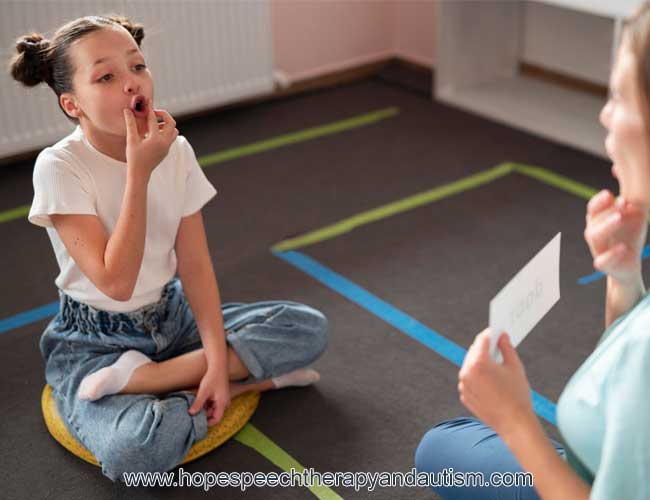
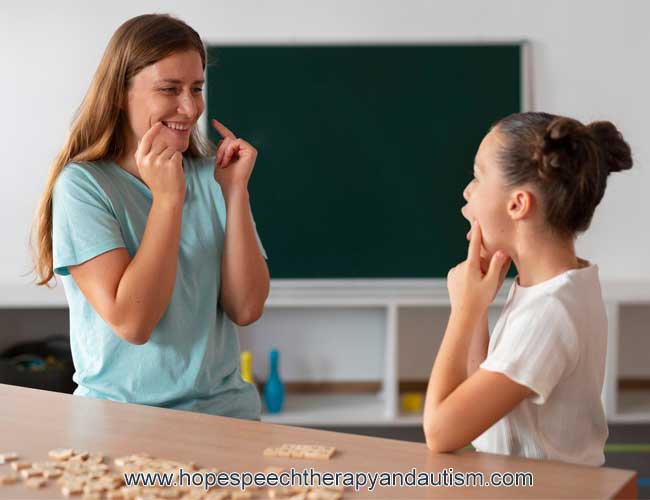
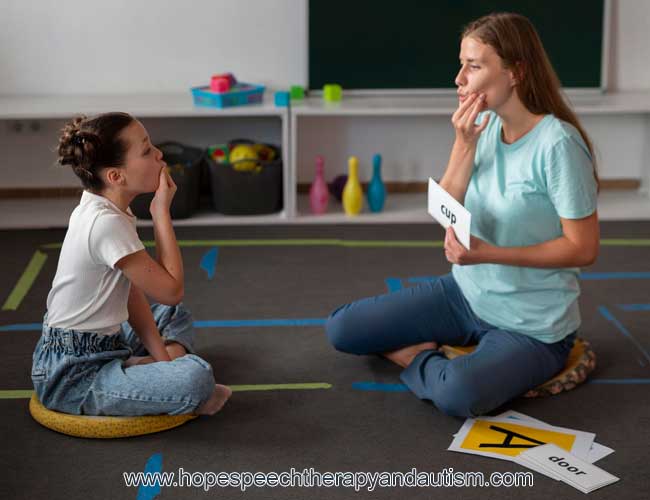
Speech therapy may include activities for speech sounds, vocabulary, sentence development, comprehension, conversation, social communication or alternative and augmentative communication when appropriate. The exact treatment depends on the assessment and the person's developmental stage. For a child, progress is more meaningful when communication skills transfer beyond the therapy session, so parents and caregivers may be given strategies that fit naturally into daily routines. Hope Centre provides individualised speech therapy support with attention to functional outcomes rather than simply completing exercises during appointments. Online sessions can allow children to practise communication in a familiar environment, although an in-person assessment may sometimes be necessary depending on the concern. Families should consider professional assessment when speech or language difficulties persist, affect school participation or make everyday communication noticeably harder. Early support can help a child communicate needs, understand others and participate more confidently in home, educational and social settings.
What Is Autism and How Can Autism Treatment Support Development?
Autism is a lifelong neurodevelopmental condition that can influence communication, social interaction, behaviour, sensory processing and patterns of interests or activities. Autism does not look the same in every person. One child may have limited spoken language, while another may speak fluently but find social communication, flexible thinking or changes in routine difficult. Some autistic children may repeat movements or phrases, have highly focused interests or experience strong reactions to particular sounds, textures, lights or other sensations. These characteristics can vary significantly in their intensity and effect on everyday life. Autism is not caused by poor parenting, and therapy does not aim to change a person's identity. Appropriate autism intervention focuses on useful skills, communication, independence, emotional regulation and participation. Hope Centre for Speech Therapy and Autism Treatment provides personalised autism support based on the individual's developmental profile, helping families understand practical ways to support communication and everyday functioning.
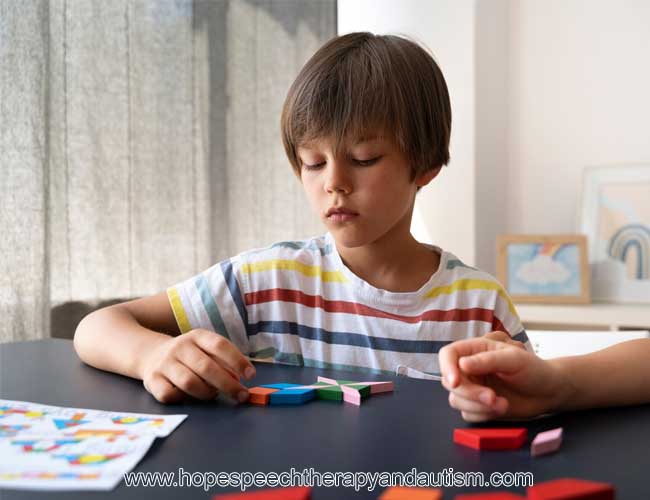
Autism treatment is most useful when goals are specific to the person rather than based solely on the diagnosis. Support may focus on functional communication, social interaction, following routines, coping with transitions, developing daily living skills or participating more successfully in education. Speech therapy, occupational therapy and educational intervention may work alongside autism-focused support when these areas are also affected. In London, families may already be working with schools, NHS services or local authority SEND teams, so private therapy can be considered as additional support where appropriate. Hope Centre provides structured autism therapy that can be adapted to the child's abilities and changing needs. For families considering an Online Autism Treatment & Speech Therapy Centre in London, online sessions can also provide parent guidance and opportunities to practise strategies within familiar routines. A useful treatment plan should be reviewed regularly so that goals remain relevant, measurable and connected to the person's real-life development.
What Is Special Education and Academic Therapy and Who Can Benefit?
Special education and academic therapy provide tailored educational support for learners who experience difficulties with the standard pace or method of teaching. A child may struggle with reading, spelling, writing, mathematics, attention, comprehension, memory, sequencing or organising schoolwork. These difficulties do not necessarily mean that the child cannot learn. Often, the teaching approach needs to be adapted to the learner's communication style, developmental level and specific learning barriers. Children with autism or language difficulties may also need additional support to understand classroom instructions or demonstrate what they know. Special educational support should therefore identify the underlying barrier rather than simply giving a child more work. Hope Centre for Speech Therapy and Autism Treatment provides individualised academic therapy that can complement school-based support. For families in London, this can be particularly useful when parents are trying to connect therapeutic goals with the child's classroom learning and broader educational development.

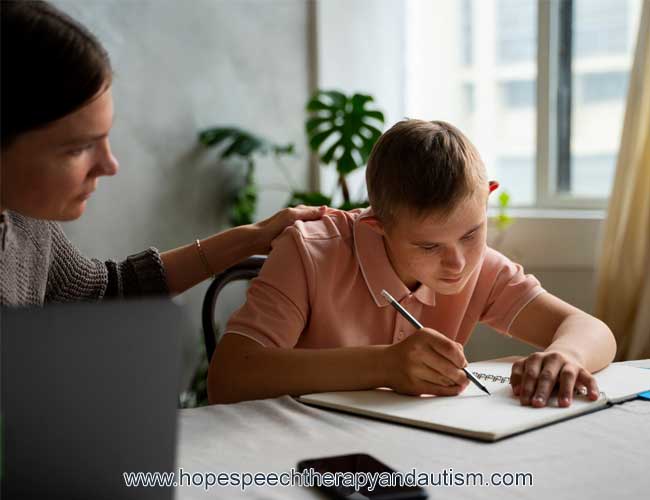
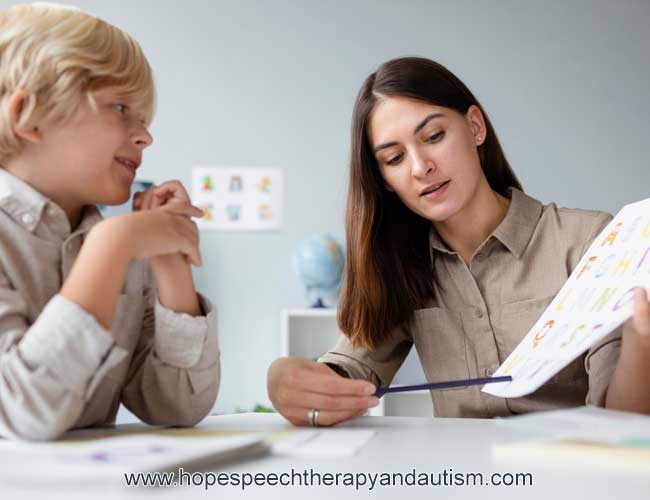
Academic therapy should connect the teaching method with the specific skill that needs development. For example, a child struggling with reading may need support with phonological awareness, decoding, language comprehension or fluency, while difficulties with mathematics may involve number concepts, sequencing, working memory or mathematical language. Hope Centre uses structured and personalised academic intervention to help learners build skills progressively and apply them more independently. This support does not replace a child's school provision, and families in London can continue to work with the school's SENCO and relevant local SEND services where additional educational support is required. Parents should also consider whether a child needs broader assessment when academic difficulties are persistent or occur across several areas. A coordinated approach between home, school and therapy can make goals clearer and reduce conflicting strategies. The purpose of special education is ultimately to help the learner access education more effectively, develop confidence and become increasingly independent.
What Is Occupational Therapy and Sensory Integration Therapy and When Is It Helpful?
Occupational therapy helps people develop the skills required to participate in everyday activities, including dressing, feeding, handwriting, playing, personal care, classroom activities and other age-appropriate tasks. Some children experience sensory processing differences that make ordinary sensations such as noise, touch, movement, textures or visual stimulation unusually difficult to manage. A child may become distressed in busy environments, avoid certain textures, seek particular movements or find it difficult to remain organised during daily activities. Occupational therapists assess how these difficulties affect function and can recommend appropriate strategies. Sensory integration approaches may be used as part of occupational therapy when clinically appropriate, but intervention should remain connected to meaningful functional goals. Families looking for a Top Occupational Therapy / Sensory Integration Therapy Centre in London can consider Hope Centre for support tailored to individual needs. Its approach can address sensory, motor and functional challenges that interfere with participation at home, school and in other environments.
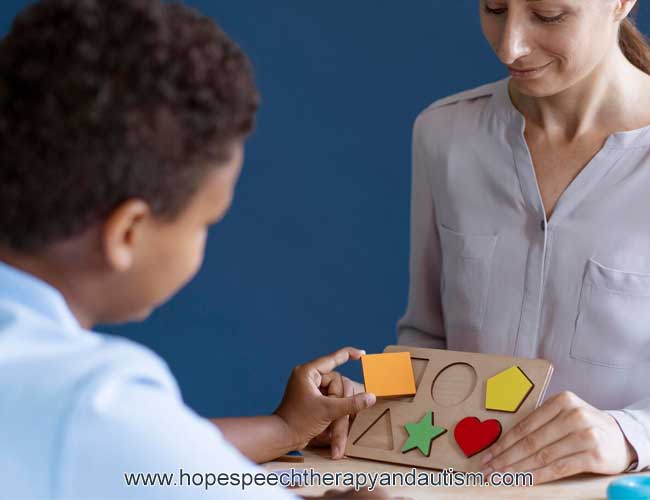
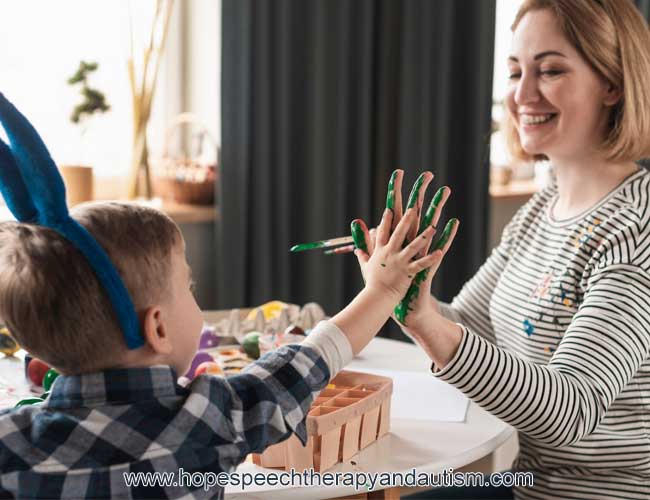

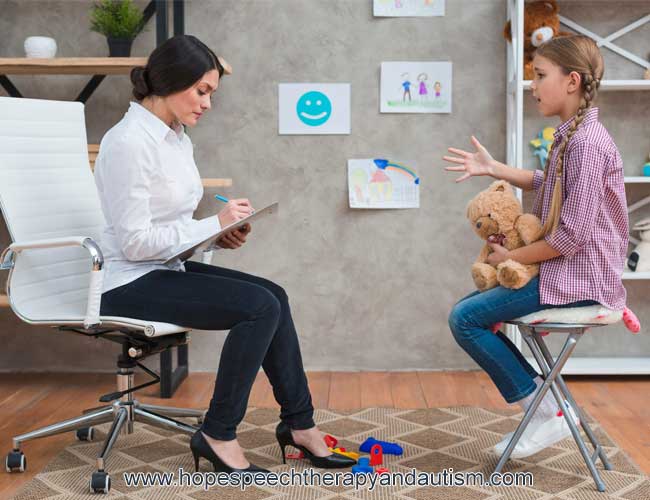
Occupational therapy may work on fine motor coordination, handwriting, self-care, functional movement, attention during tasks and strategies for coping with demanding environments. For a child with autism, these skills can influence school participation and independence, so occupational therapy may be coordinated with speech therapy and academic intervention. Hope Centre provides individualised occupational therapy support with goals linked to practical activities rather than focusing on sensory exercises without a clear purpose. Online sessions can be useful for parent education and home-based strategies, although certain assessments and hands-on interventions may require an appropriate in-person evaluation. Families should also understand that sensory behaviours can have different causes, so assessment is important before choosing a treatment programme. A suitable plan considers the child's environment, routines and functional difficulties and gives caregivers realistic strategies that can be incorporated into everyday life. This can make therapy more meaningful and easier to maintain over time.
What Is CBT and How Can Cognitive Behavioral Therapy Help?
Cognitive Behavioral Therapy, commonly called CBT, is a structured psychological treatment that examines connections between thoughts, feelings, physical responses and behaviour. It is commonly used for difficulties such as anxiety, depression, fears and avoidance, depending on the individual's circumstances and clinical assessment. CBT does not treat autism itself, but adapted CBT can be helpful for some autistic people experiencing co-occurring anxiety or other emotional difficulties. Treatment usually involves identifying specific problems, understanding patterns that maintain them, learning coping strategies and practising those strategies between sessions. Therapy needs to be adapted according to age, communication abilities and cognitive profile, particularly when supporting an autistic child. Hope Centre for Speech Therapy and Autism Treatment provides Cognitive Behavioral Therapy support using structured goals and practical strategies. For families searching for a Cognitive Behavioral Therapy Centre in London, choosing a service that understands developmental differences can be important when determining whether CBT is suitable and how it should be delivered.

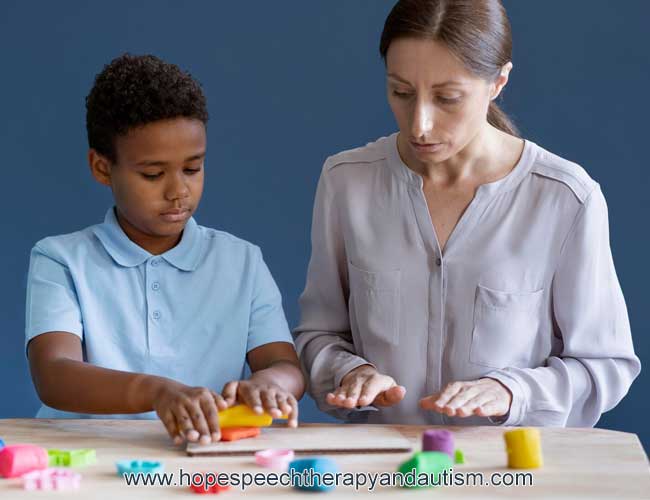
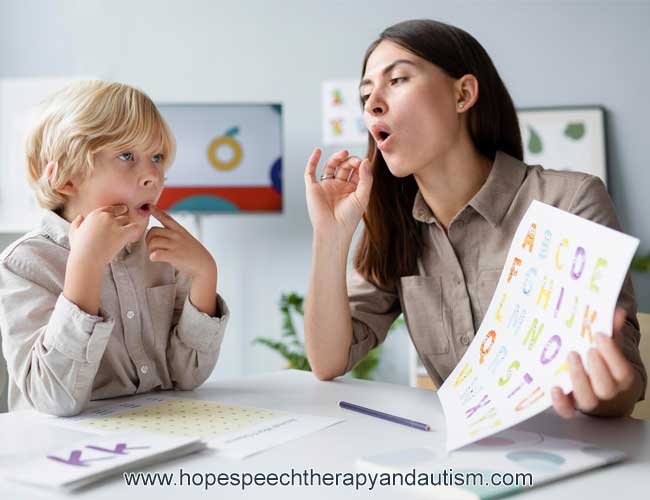

CBT works best when the person can understand the treatment goals and participate actively in learning and practising new strategies. Depending on the problem, sessions may involve recognising unhelpful thought patterns, developing coping techniques, managing avoidance or gradually approaching situations that create anxiety. With children, parents may be involved so that appropriate strategies can be reinforced consistently outside therapy. Hope Centre takes an individualised approach and considers communication and developmental needs when planning psychological support. This is particularly relevant for autistic children, because traditional CBT materials may need changes in language, structure or delivery to make them accessible. Online therapy can provide a convenient option for families in London when remote treatment is clinically appropriate and the child can engage effectively through a digital session. Where emotional symptoms are severe, complex or associated with significant risk, families should also seek appropriate medical or mental health assessment. CBT should be viewed as one part of a suitable care plan rather than a universal solution for every behavioural concern.
What Is Hearing Aid Treatment and How Can You Find the Best Hearing Aid Centre in London?
Hearing aid treatment begins with an appropriate hearing assessment because the right device depends on the type and degree of hearing loss. Hearing difficulties can affect speech understanding, communication, education and social participation, particularly when a person struggles to hear conversations consistently. Hearing aids do not restore normal hearing, but they can amplify and process sound to make speech and other important sounds more accessible. Different hearing aids have different features, styles and levels of technology, so selection should be based on hearing results, communication requirements, lifestyle and professional recommendations. Children require particular attention because access to sound can be important for speech and language development and educational participation. Hope Centre for Speech Therapy and Autism Treatment provides hearing aid treatment support alongside communication-focused services. Families searching for the Best Hearing Aid Centre in London should look beyond the device itself and consider the quality of assessment, fitting, programming, counselling, follow-up and aftercare offered by the provider.

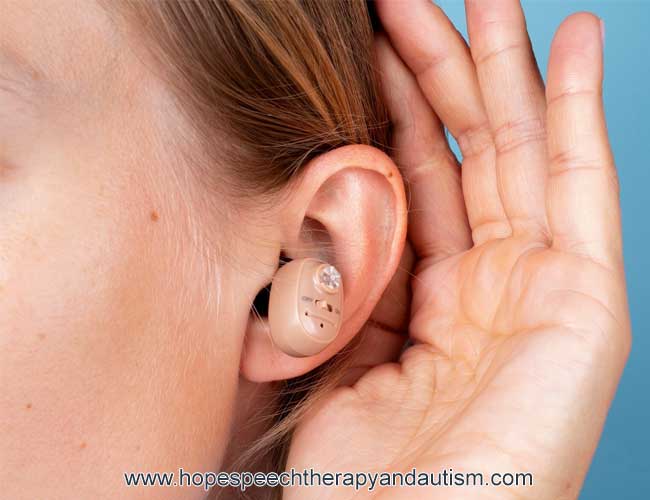
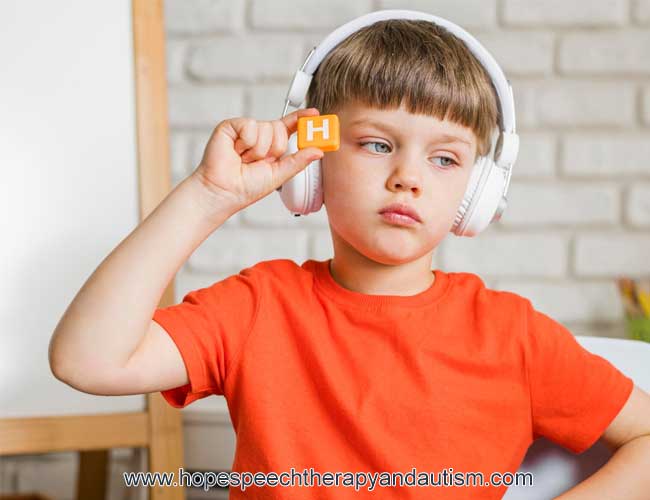

Hearing aid care continues after the initial fitting. New users may need time to adapt to amplified sounds, while follow-up appointments can help determine whether programming or physical adjustments are required. Hearing support can also work alongside speech and language therapy when communication difficulties are connected with reduced access to sound. Hope Centre aims to provide practical hearing-related support while considering the individual's broader communication and developmental requirements. For families in London, hearing concerns should be assessed by an appropriately qualified hearing professional rather than assuming that a hearing aid is automatically the correct solution. Sudden hearing loss, rapidly changing hearing or other concerning symptoms require medical evaluation rather than waiting for routine therapy. A reliable hearing service should explain the assessment results clearly, recommend suitable options, provide fitting support and remain available for follow-up. These steps help ensure that hearing technology is comfortable, appropriate and genuinely useful in everyday communication.
Are You Ready to Find the Right Therapy Support in London?
Choosing therapy is easier when the decision is based on the individual's actual needs, measurable goals and professional assessment. Speech and language difficulties, autism, learning challenges, sensory differences, emotional difficulties and hearing loss can sometimes overlap, which makes coordinated support particularly valuable. An Online Autism Treatment & Speech Therapy Centre in London can give families a convenient way to access structured guidance while maintaining familiar home routines where online intervention is appropriate. Hope Centre for Speech Therapy and Autism Treatment brings together speech therapy, autism support, special education and academic therapy, occupational and sensory integration support, CBT and hearing-related services to address different areas of development. If you are concerned about communication, learning, behaviour, sensory needs or hearing, taking the next step does not have to be complicated. Contact Hope Centre to discuss your concerns, understand which assessment or therapy may be appropriate and begin building a personalised support plan for yourself or your child.