
Are You Looking for an Online Autism Treatment & Speech Therapy Centre in Kitchener?
Finding the right therapy for a child or family member can feel overwhelming, especially when communication, learning, behaviour, sensory needs, or hearing concerns overlap. An Online Autism Treatment & Speech Therapy Centre in Kitchener can make professional support more accessible by allowing families to attend structured sessions from home while maintaining regular communication with therapists. In Ontario, families can also explore established support pathways such as the Ontario Autism Program (OAP), which provides access to services including speech-language pathology, occupational therapy, mental health services, and applied behaviour analysis for eligible children and youth. Kitchener families may also find local autism resources through organizations such as Sunbeam Developmental Resource Centre. The important step is to understand the specific need rather than choosing therapy based only on a diagnosis.
Hope Centre for Speech Therapy and Autism Treatment provides a coordinated approach for children and families who need speech therapy, autism support, special education, occupational therapy, CBT, or hearing-related guidance. Its online model can be particularly useful for families who prefer home-based sessions, flexible scheduling, or continued therapy without frequent travel. The aim is practical progress: improving communication, developing functional skills, supporting learning, strengthening emotional regulation, and helping children participate more confidently at home, school, and in the community. This guide explains what each service involves, what signs may indicate a need for support, and how families in Kitchener can make informed decisions about therapy.
Are You Looking for Speech Therapy for Communication and Language Development?
Speech therapy addresses difficulties with speaking, understanding language, social communication, voice, fluency, and certain aspects of feeding and swallowing. A child may benefit when they use fewer words than expected for their age, struggle to follow directions, have difficulty forming sounds, repeat words without using them meaningfully, or find conversations and social interaction challenging. Speech-language assessment looks beyond pronunciation and considers receptive language, expressive language, vocabulary, sentence formation, pragmatic communication, and functional communication. For children with autism or developmental delays, therapy may also include visual supports, play-based communication, social communication strategies, or augmentative and alternative communication when appropriate. Early and consistent intervention can help children communicate their needs more effectively and participate more successfully in daily routines.
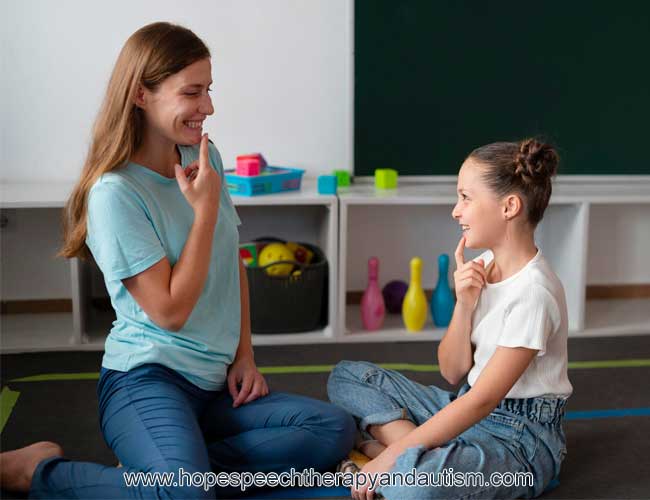
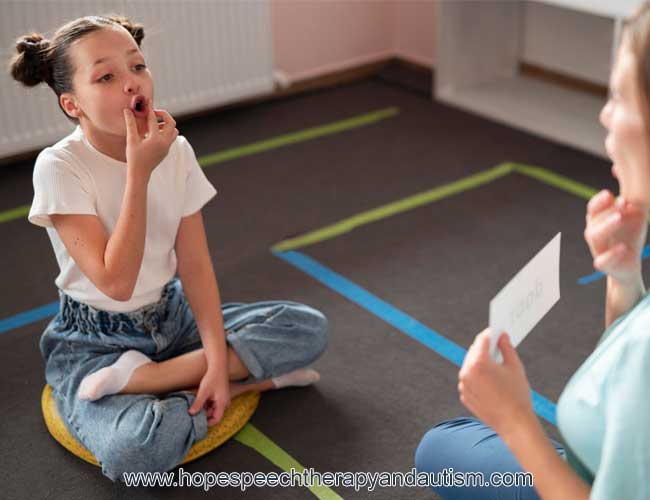
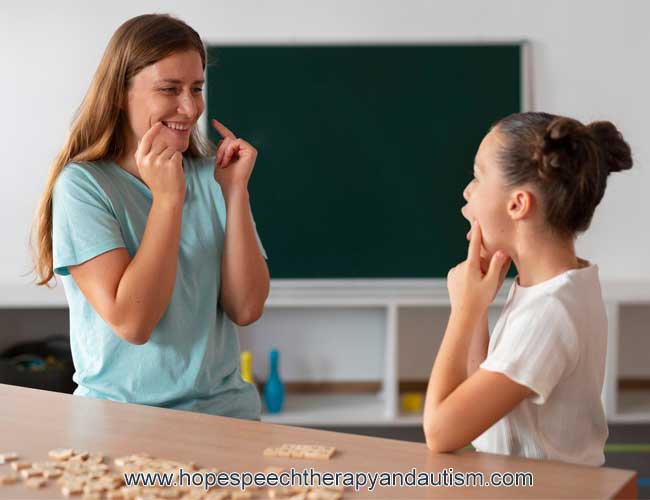
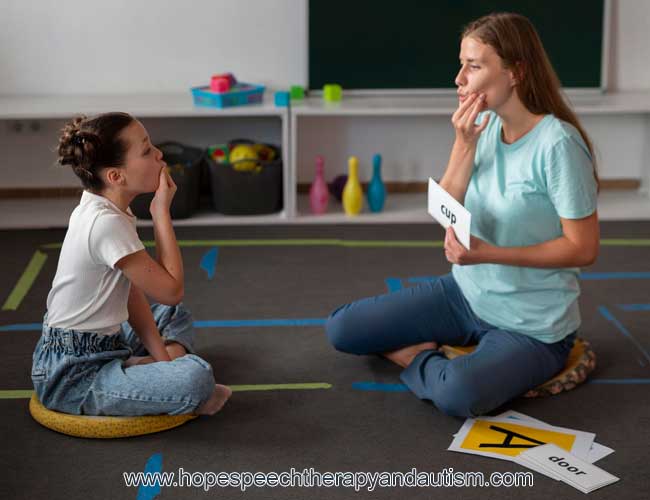
Hope Centre for Speech Therapy and Autism Treatment provides individualized speech-language support based on the child's current communication level and functional goals. Sessions can focus on articulation, receptive and expressive language, vocabulary, sentence development, social communication, and practical ways for parents to reinforce skills between sessions. For Kitchener families using online therapy, the home environment can also become part of the intervention because therapists can observe everyday communication routines and suggest strategies that fit naturally into them. Ontario's Autism Program recognizes speech-language pathology as one of its core clinical services for eligible children and youth, making professional speech support an important part of a broader developmental plan. Families should seek a qualified assessment rather than assuming that every communication difficulty has the same cause.
Are You Looking for Autism Treatment and Developmental Support in Kitchener?
Autism spectrum disorder is a neurodevelopmental condition that can affect social communication, interaction, behaviour, sensory processing, and patterns of interests or activities. Signs can include limited or delayed spoken language, difficulty responding to social cues, reduced back-and-forth interaction, repetitive movements or routines, strong preferences for sameness, or unusual responses to sounds, textures, movement, or other sensory experiences. Autism is a spectrum, so two children with the same diagnosis can have very different strengths and support needs. Treatment does not mean trying to change a child's identity; evidence-informed support focuses on communication, independence, participation, learning, emotional regulation, and quality of life. A proper developmental assessment is important because similar behaviours can occur for different reasons and may require different forms of support.
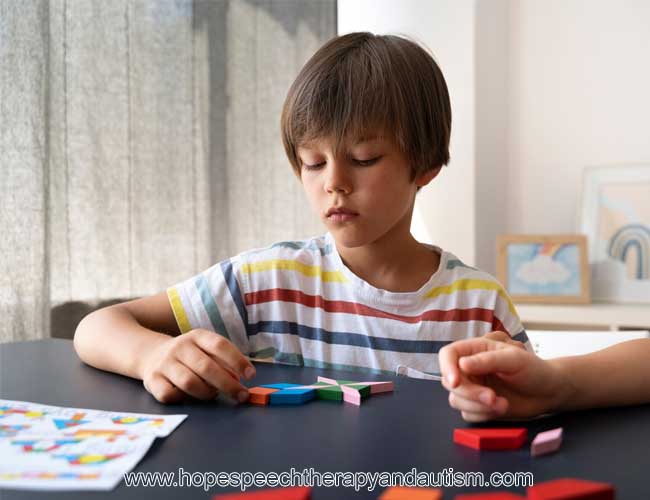
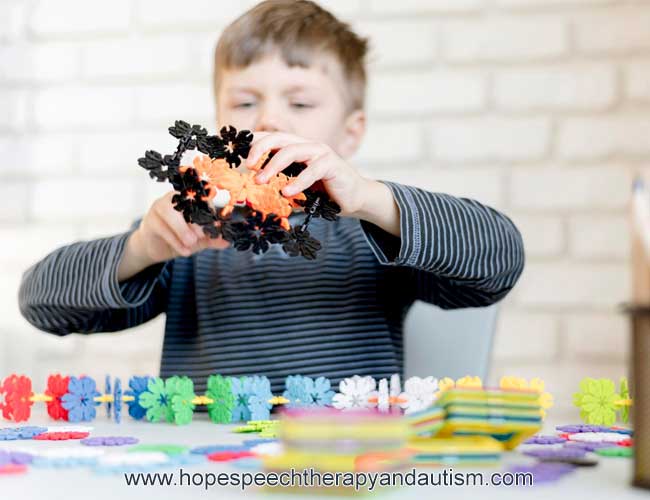
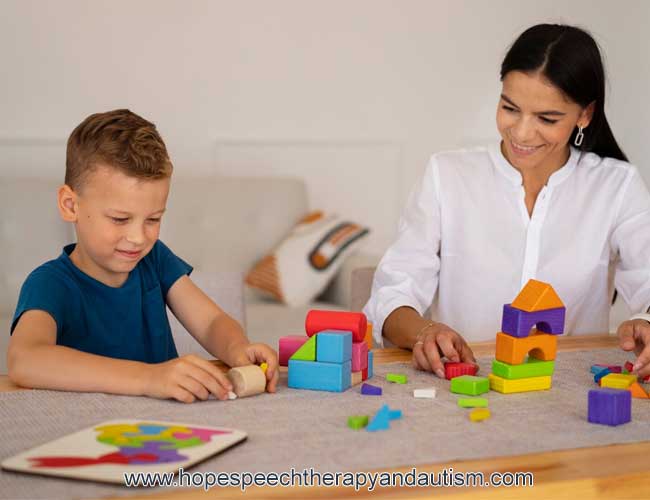
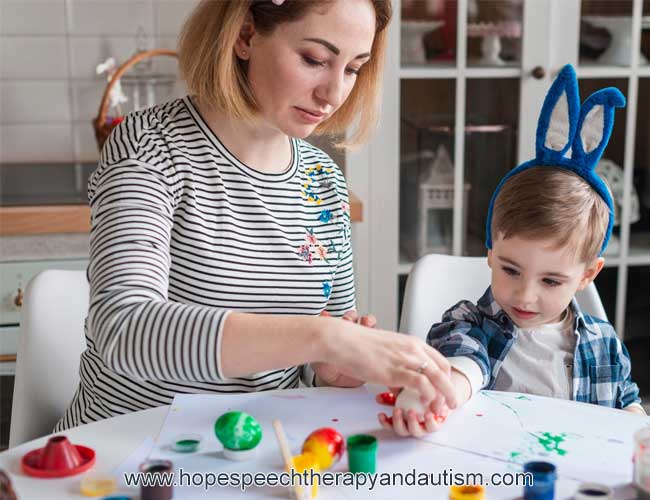
Hope Centre for Speech Therapy and Autism Treatment supports children with autism through individualized intervention that connects communication, behaviour, learning, and everyday independence. The centre can help families identify practical goals, develop consistent strategies, and monitor progress instead of relying on a one-size-fits-all program. This approach is particularly relevant in Kitchener because Ontario's Autism Program offers several pathways, including foundational family services, caregiver-mediated early-years programs, entry-to-school supports, and core clinical services. The OAP also states that eligible core clinical services can include speech-language pathology, occupational therapy, mental health services, and applied behaviour analysis, with services potentially delivered virtually, at home, or in the community. Hope Centre can complement these wider supports by providing structured therapy focused on the individual child's strengths and needs.
Are You Looking for Special Education and Academic Therapy Support?
Special education and academic therapy are designed to address learning needs that may not be fully supported through ordinary classroom instruction alone. A child may require additional help when reading, writing, spelling, mathematics, attention, processing, organization, or following academic instructions becomes consistently difficult. Academic therapy is usually more individualized than ordinary tutoring because the therapist works on the underlying learning skills as well as the academic task itself. For children with developmental differences or autism, teaching may also need to account for communication level, attention span, sensory needs, executive functioning, and preferred learning methods. In Kitchener, school-based supports can form an important part of a child's educational plan, while private academic intervention can provide additional individualized practice outside school.
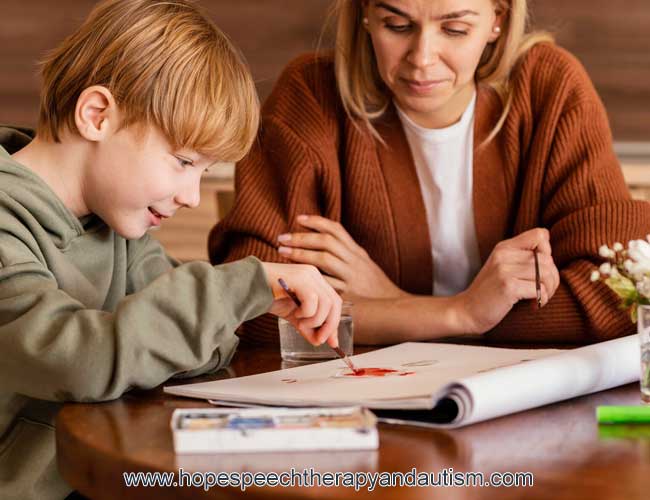

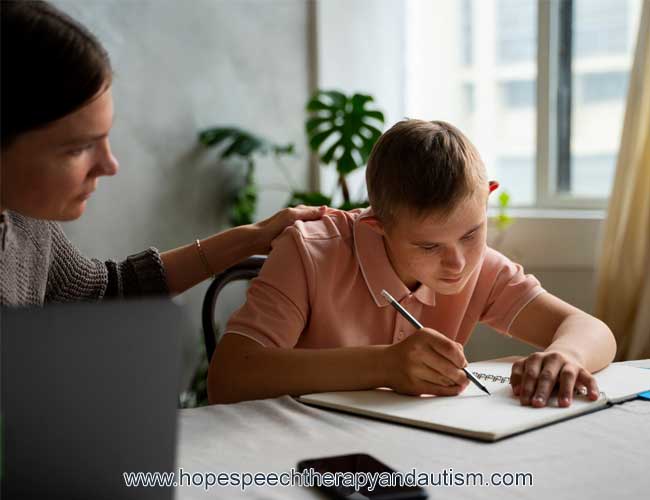
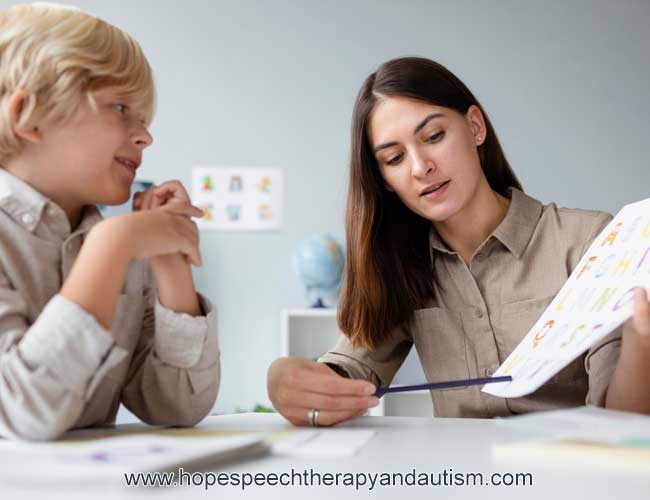
Hope Centre for Speech Therapy and Autism Treatment provides individualized academic support that can be adapted to the learner rather than simply increasing the amount of homework. Sessions may target foundational literacy, numeracy, language comprehension, written expression, attention, study routines, and functional learning skills according to the child's needs. The centre can also work with families to make learning more predictable and manageable at home. Ontario's Special Services at Home program is another resource some eligible families may consider; it can fund certain supports that assist children with developmental or physical disabilities with daily activities, growth, development, and family respite, although families should check current eligibility and eligible expenses before making arrangements. Combining school collaboration with targeted private therapy can give children more consistent opportunities to practise skills and build confidence.
Are You Looking for Occupational Therapy and Sensory Integration Therapy in Kitchener?
Occupational therapy helps children develop the skills required for everyday participation, including dressing, eating, handwriting, play, classroom activities, self-care, coordination, and regulation. Some children also have sensory processing difficulties and may become overwhelmed by noise, touch, movement, lighting, textures, or crowded environments. Sensory integration approaches may be used by occupational therapists as part of an individualized treatment plan when sensory processing affects functional participation. The goal is not simply to expose a child to more sensory input but to understand how the child's sensory responses influence daily activities and then select appropriate strategies. Assessment may consider fine motor skills, gross motor coordination, visual-motor abilities, attention, posture, self-care, and sensory responses. A qualified occupational therapist should determine which interventions are appropriate for the child's specific functional needs.
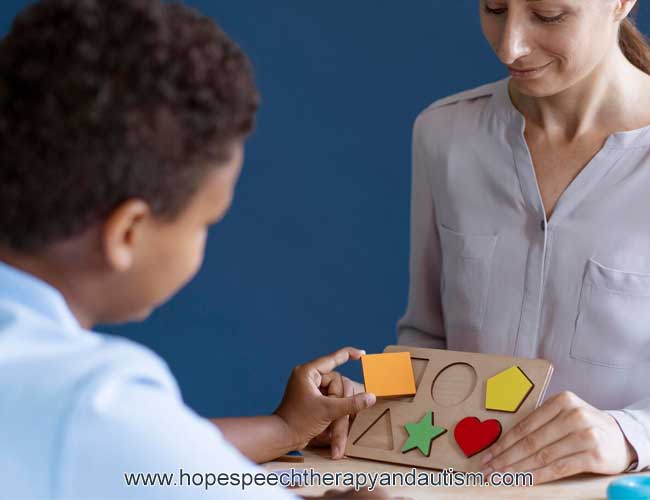
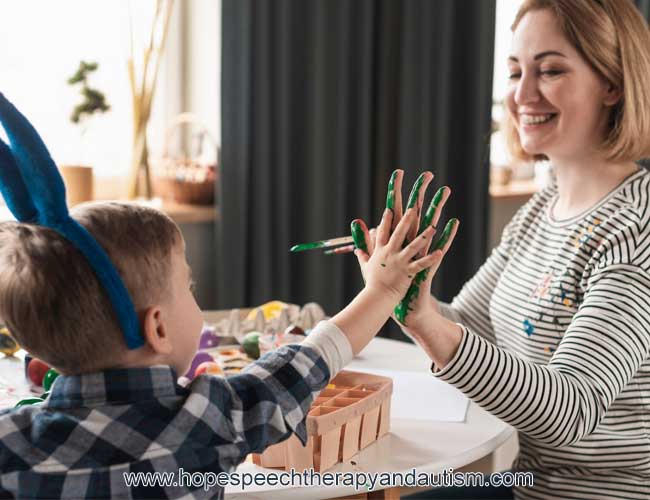

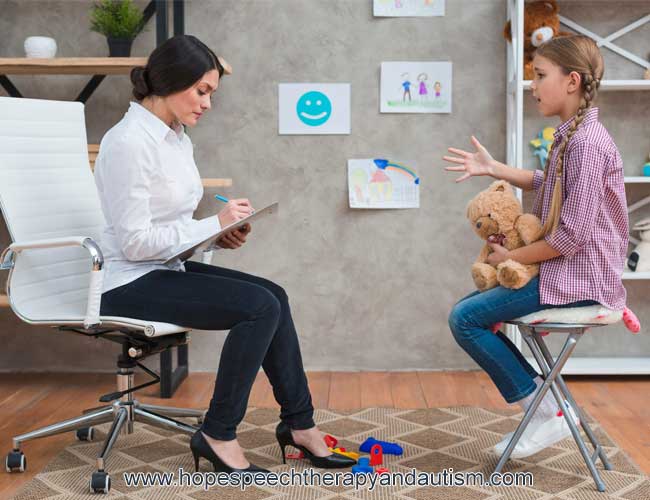
Hope Centre for Speech Therapy and Autism Treatment uses occupational therapy to connect therapeutic goals with real activities that matter to the child and family. Support may focus on fine motor development, functional independence, sensory regulation, classroom participation, or other daily challenges identified through assessment. Online sessions can also involve parents directly, allowing therapists to demonstrate strategies that can be practised during ordinary routines at home. For families in Kitchener, this can make therapy easier to integrate into the child's day rather than treating it as an isolated activity. Occupational therapy is also recognized within Ontario's Autism Program core clinical services for eligible children and youth. Families should remember that sensory difficulties can have different causes, so an individualized occupational therapy assessment is more useful than selecting a sensory program solely because a child dislikes certain sounds, textures, or movements.
Are You Looking for CBT – Cognitive Behavioral Therapy for Emotional and Behavioural Challenges?
Cognitive Behavioral Therapy, commonly called CBT, is a structured psychological approach that explores the connection between thoughts, emotions, and behaviours. It can be useful for children, adolescents, and adults experiencing concerns such as anxiety, low mood, specific fears, emotional distress, or difficulty managing certain behavioural patterns, when a qualified mental health professional determines that CBT is appropriate. Therapy may involve identifying unhelpful thinking patterns, learning coping strategies, practising emotional regulation, gradually approaching manageable challenges, and developing practical problem-solving skills. For autistic individuals, CBT may be adapted to suit communication style, cognitive profile, sensory needs, and concrete learning preferences. The purpose is not to remove autistic traits but to support wellbeing and functional coping. A proper assessment is important because emotional or behavioural changes may have different underlying causes.

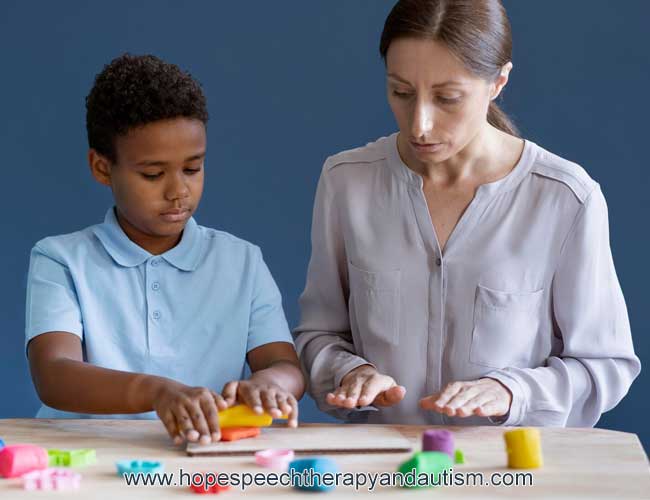
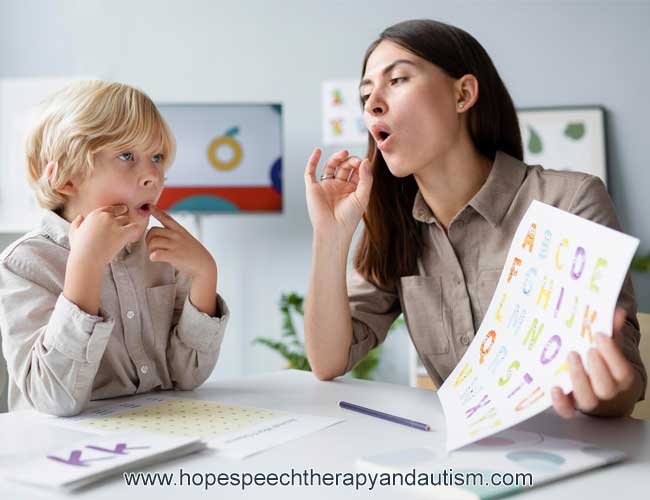

Hope Centre for Speech Therapy and Autism Treatment provides CBT-oriented support with attention to the individual's communication and developmental needs. Therapy can help clients understand emotional triggers, recognize patterns, practise coping strategies, and develop more effective responses to everyday situations. For autistic children and young people, strategies may be presented visually and concretely so that they are easier to understand and apply outside the therapy session. This matters because successful intervention should transfer into family life, education, social situations, and other everyday environments. Ontario's Autism Program includes mental health services, including counselling and psychotherapy, among its core clinical services for eligible children and youth. Families in Kitchener can therefore consider CBT as one component of a broader support plan when clinically appropriate, rather than treating it as a standalone solution for every emotional or behavioural concern.
Are You Looking for Hearing Aid Treatment and a Hearing Aid Centre in Kitchener?
Hearing difficulties can affect communication, language development, classroom participation, social interaction, and confidence, particularly when they are identified during childhood. Signs may include frequently asking for repetition, difficulty hearing speech in noisy environments, unclear responses to spoken instructions, turning one ear toward a speaker, increasing device volume, or delayed communication development. Hearing aid treatment begins with an appropriate hearing assessment rather than simply selecting a device. In Ontario, the Assistive Devices Program can help eligible residents with the cost of hearing aids and other hearing devices. Current Ontario guidance states that eligible applicants generally need to be Ontario residents with a valid health card and a hearing-related disability requiring a device for at least six months. For children, an ADP-registered audiologist assesses the need and helps determine the appropriate hearing aid, while a prescription is required.
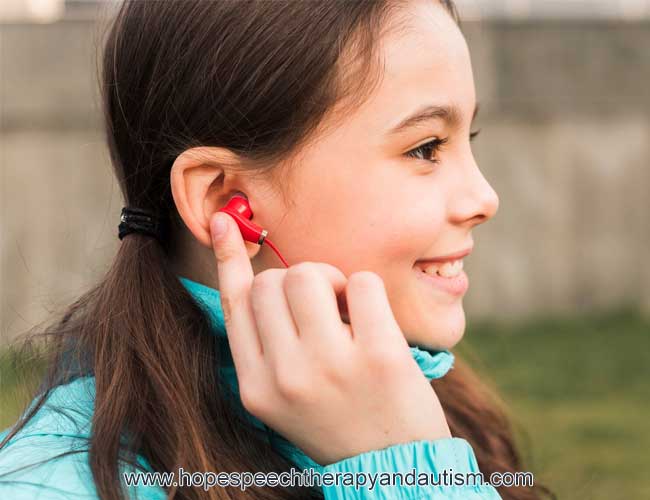
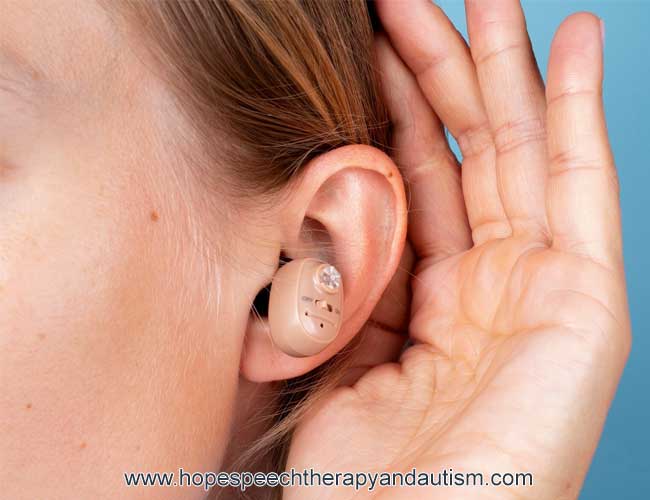
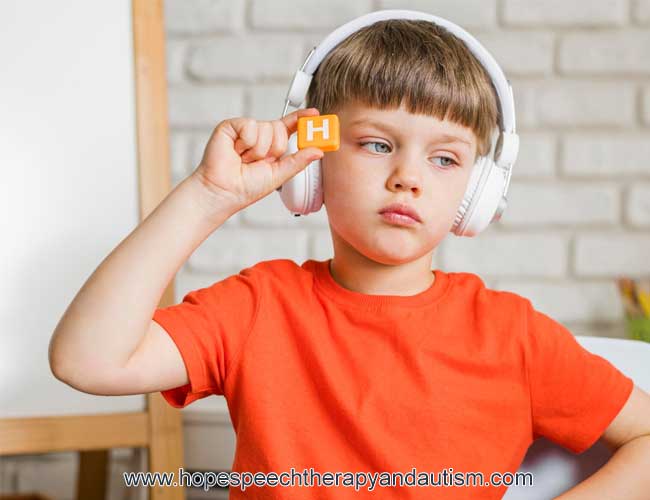

Hope Centre for Speech Therapy and Autism Treatment can help families understand how hearing and communication needs fit into a wider developmental plan, while hearing-device prescription, fitting, and clinical hearing assessment should be completed through appropriately qualified hearing professionals. Ontario's ADP currently provides approved funding for eligible hearing aids up to specified limits, and families should complete the required assessment and authorization steps before purchasing a device because purchases made beforehand may not qualify for coverage. For a child with both hearing and communication concerns, coordinating hearing management with speech-language therapy can be especially valuable because consistent access to sound can affect language-learning opportunities. The focus should remain on functional communication and participation rather than simply wearing a device. A careful assessment can clarify whether hearing technology, communication therapy, or both are needed.
Are You Ready to Choose the Right Therapy Support in Kitchener?
Choosing therapy becomes easier when the decision starts with the child's actual needs rather than a generic treatment package. Speech therapy may be appropriate for communication difficulties, autism intervention can address developmental and social communication needs, academic therapy can strengthen learning skills, occupational therapy can support daily participation and sensory regulation, CBT can help with emotional and behavioural concerns, and hearing services can address hearing-related barriers to communication. For families in Kitchener, these services can also be considered alongside Ontario programs such as the Ontario Autism Program and Special Services at Home, depending on eligibility and individual circumstances. Hope Centre for Speech Therapy and Autism Treatment brings these areas together with individualized support, practical goals, parent involvement, and online accessibility.
If you are searching for an Online Autism Treatment & Speech Therapy Centre in Kitchener, take the next step by discussing your child's needs with Hope Centre for Speech Therapy and Autism Treatment. A professional consultation can help identify the most relevant service, establish realistic goals, and determine how therapy can fit into your family's routine. Early, consistent, and appropriately targeted support can make everyday communication, learning, independence, and participation more achievable. Contact Hope Centre to learn about available online therapy options and begin building a structured support plan suited to your child's needs.