
Are You Looking for an Online Autism Treatment & Speech Therapy Centre in Kelowna?
Finding the right support for communication, learning, behaviour, sensory needs, or hearing can feel difficult when every child develops differently. Families in Kelowna and across British Columbia can benefit from coordinated therapy that focuses on practical skills rather than treating every child in exactly the same way. An online autism treatment and speech therapy service can also make professional guidance more accessible when travel, schedules, or local availability create challenges. This guide explains how speech therapy, autism support, special education, occupational therapy, CBT, and hearing aid treatment can address specific needs. It also explains how Hope Centre for Speech Therapy and Autism Treatment can support families with structured, individualized intervention and ongoing guidance.
For families considering an Online Autism Treatment & Speech Therapy Centre in Kelowna, the important question is not simply whether a service is available, but whether the therapy is appropriate for the child's actual needs. British Columbia is also changing how disability supports are delivered, with new funding and community-based services being introduced during 2026 and 2027. Families therefore need clear information about assessment, therapy goals, communication with schools, and progress monitoring. With an individualized approach, online therapy can complement local resources while helping children build communication, academic, social, emotional, and daily-living skills in a consistent environment.
What Is Speech Therapy and When Can It Help With Symptoms?
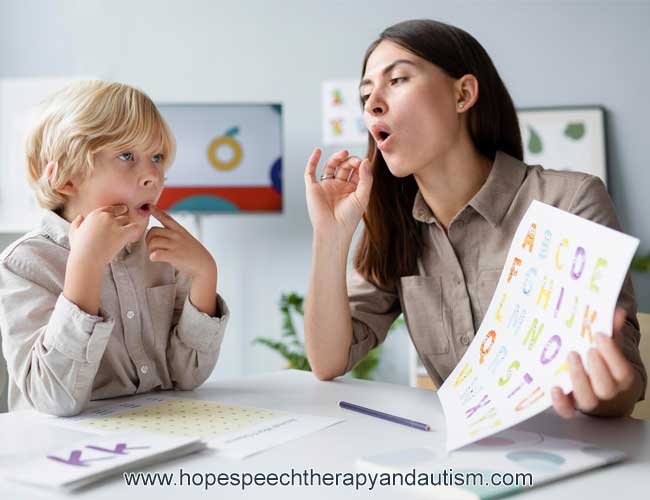
Speech therapy supports children and adults who have difficulty producing speech sounds, understanding or using language, communicating socially, speaking fluently, or managing certain feeding and swallowing difficulties. A speech-language pathologist assesses the person's communication profile before selecting treatment goals. Common signs that may justify an assessment include limited vocabulary, difficulty following instructions, unclear speech, frequent communication breakdowns, delayed language development, stuttering, or difficulty participating in conversations. Speech therapy is not limited to pronunciation. It may also target receptive language, expressive language, social communication, and functional communication strategies. For families searching for Speech Therapy Services Center in Kelowna, the priority should be a plan based on assessment findings, age, developmental level, and everyday communication demands rather than a fixed package of exercises.

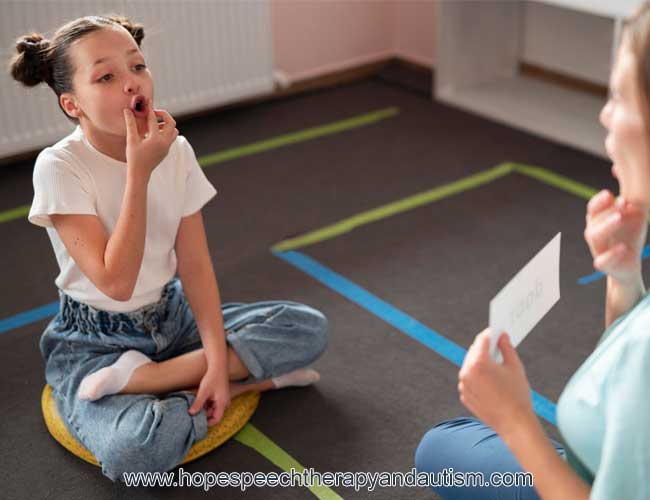
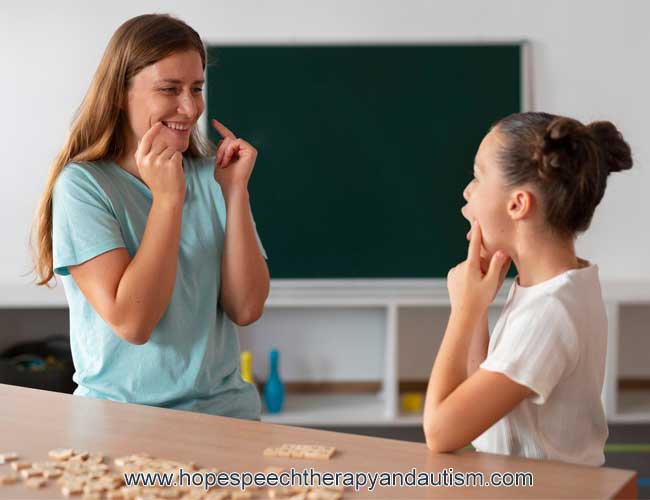
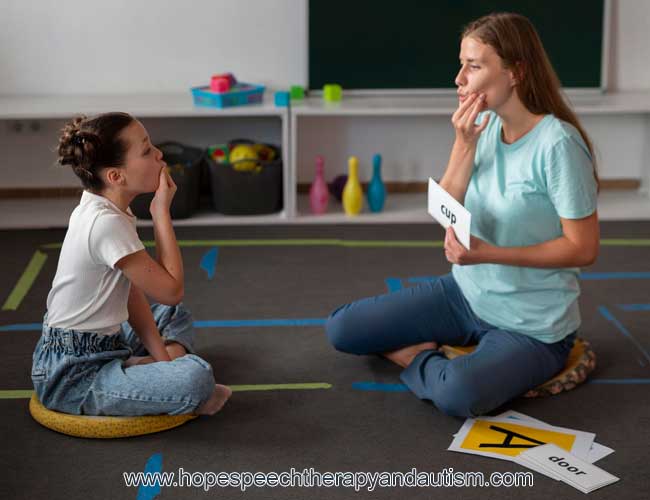
Hope Centre for Speech Therapy and Autism Treatment takes a functional approach by connecting communication goals with situations children experience at home, school, and in social settings. Therapy can focus on clearer speech, vocabulary development, comprehension, conversational skills, or alternative communication strategies when appropriate. Online sessions can also involve parents so that techniques are reinforced between appointments instead of remaining limited to the therapy session. For families seeking a Speech Treatment Centre in Kelowna, this type of individualized support can make goals easier to understand and monitor. Progress should be reviewed regularly, with therapy adjusted when a child gains a skill, encounters a new difficulty, or needs a different level of communication support.
What Is Autism and What Symptoms and Treatment Options Should Families Know?
Autism spectrum disorder is a neurodevelopmental condition associated with differences in social communication and interaction, together with restricted or repetitive patterns of behaviour, interests, or activities. The presentation varies considerably from one person to another. Some children may have delayed spoken language, while others speak fluently but find social communication difficult. Other signs can include repetitive movements, strong preferences for routines, focused interests, unusual responses to sensory input, or difficulty adapting to changes. Autism treatment does not mean changing a child's identity. Effective intervention focuses on functional goals such as communication, independence, emotional regulation, social participation, learning, and daily living. An assessment by appropriately qualified professionals is important because developmental differences can have several possible explanations.
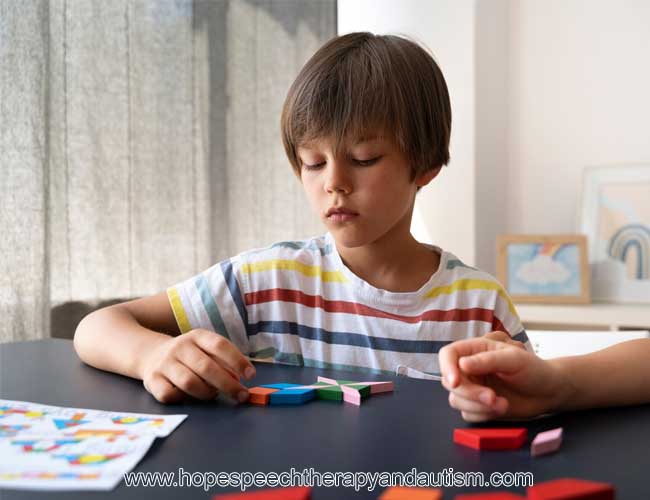
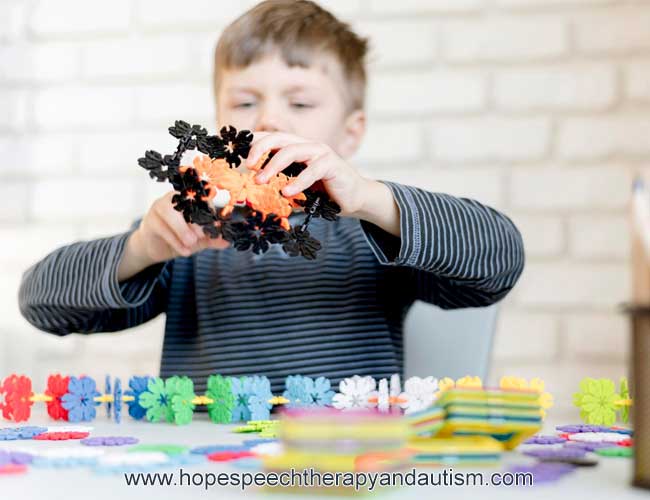
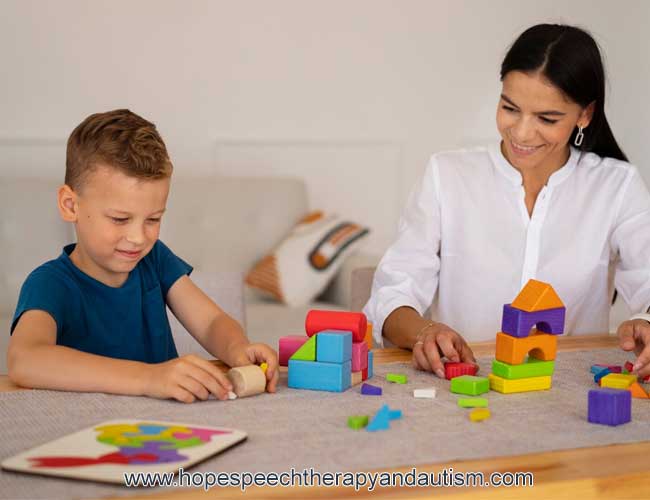
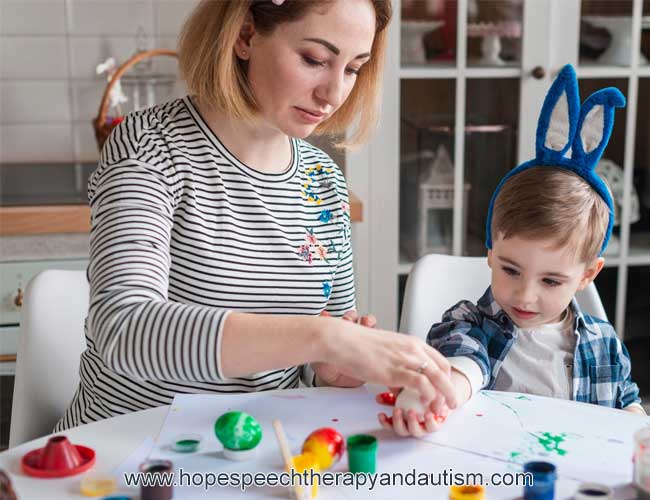
Hope Centre for Speech Therapy and Autism Treatment can support families by developing individualized intervention goals around the child's strengths and areas of need. Depending on the assessment, support may involve communication development, social interaction, behaviour support, academic skills, emotional regulation, and parent coaching. Families in Kelowna should also understand the changing provincial support system. British Columbia began implementing a new Children and Youth Disability Benefit in 2026, while existing autism funding is being transitioned toward a broader disability-support model through 2027. These changes make it especially useful for families to understand both available funding pathways and the child's actual therapy needs. A good Autism Treatment Centre in Kelowna should help families focus on measurable progress while coordinating recommendations with home and school environments.
What Is Special Education and Academic Therapy and Who Can Benefit?
Special education and academic therapy provide structured learning support for students who need teaching methods adapted to their developmental, communication, attention, or learning profile. Academic difficulties may appear as persistent problems with reading, writing, spelling, mathematics, following classroom instructions, organizing work, or completing tasks independently. Support should begin with identifying the specific skill gap rather than assuming that poor academic performance reflects a lack of effort. Intervention may include individualized instruction, repetition, visual supports, language-based strategies, task breakdown, and explicit teaching of study or organizational skills. In Kelowna, families may also need to communicate with their child's school about learning needs and classroom accommodations. Therapy and educational support work best when everyone understands the same goals and uses consistent strategies.
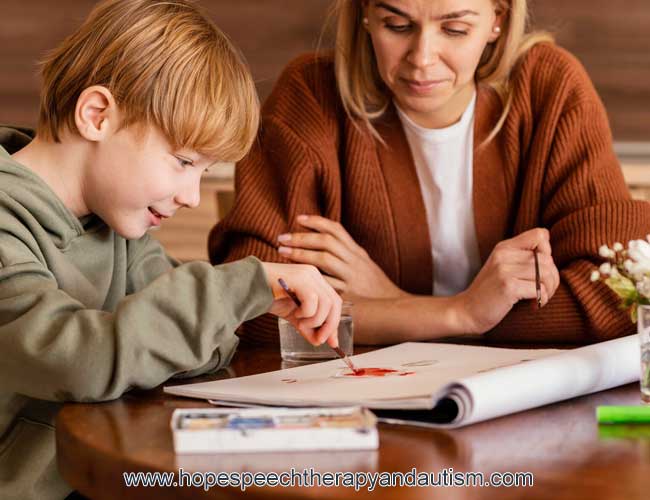

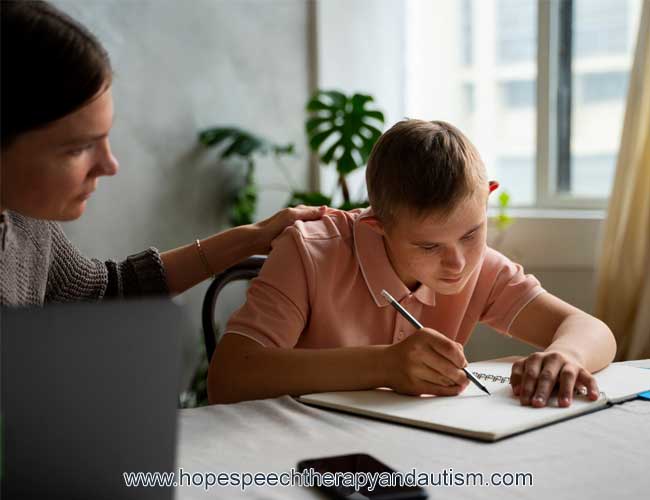
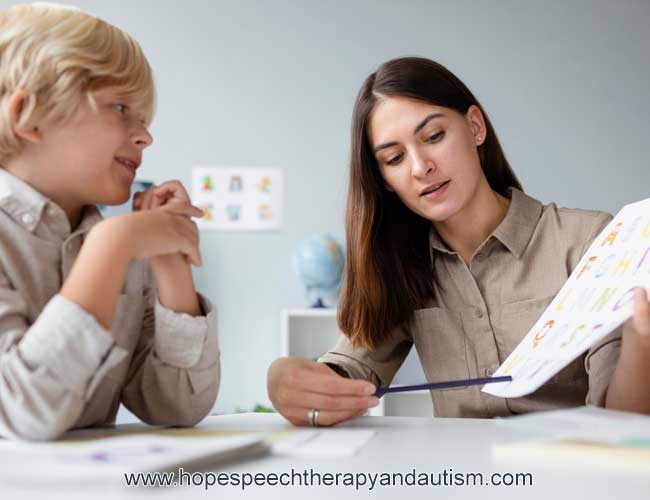
Hope Centre for Speech Therapy and Autism Treatment can make academic intervention more practical by linking educational goals with communication, attention, and functional learning skills. Instead of relying only on worksheets, therapy can break difficult tasks into manageable steps and build skills progressively. For a child with autism or a language-related learning difficulty, academic therapy may also reinforce vocabulary, comprehension, sequencing, memory, and classroom communication. Families looking for a Special Education and Academic Therapy Centre in Kelowna can benefit from asking how progress is measured, how goals are selected, and how parents are updated. Clear objectives allow families to see whether intervention is helping the child become more confident and independent rather than simply completing more exercises.
What Is Occupational Therapy and Sensory Integration Therapy and How Can It Help?
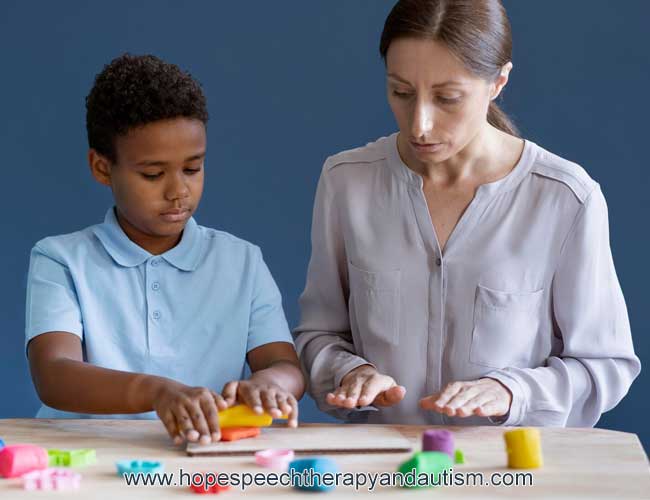
Occupational therapy helps people participate more effectively in everyday activities, including self-care, school tasks, play, fine-motor activities, and routines. For children with sensory processing difficulties, occupational therapists may assess how the child responds to sounds, movement, touch, visual input, or other sensations and how those responses affect participation. Sensory integration approaches are intended to support functional participation rather than simply provide sensory activities without a clear purpose. Signs that an assessment may be useful include significant difficulty with dressing, handwriting, feeding routines, coordination, transitions, attention during tasks, or responses to sensory environments. A qualified occupational therapist should identify functional goals and select interventions based on the individual assessment. This makes Occupational Therapy / Sensory Integration Therapy relevant for children whose sensory or motor difficulties interfere with daily life.
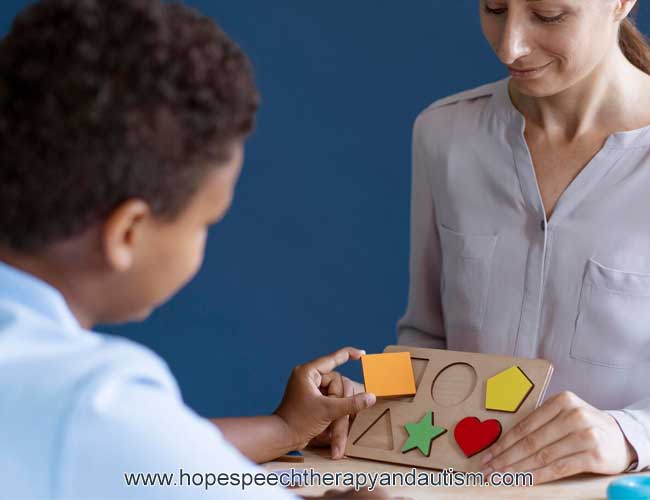
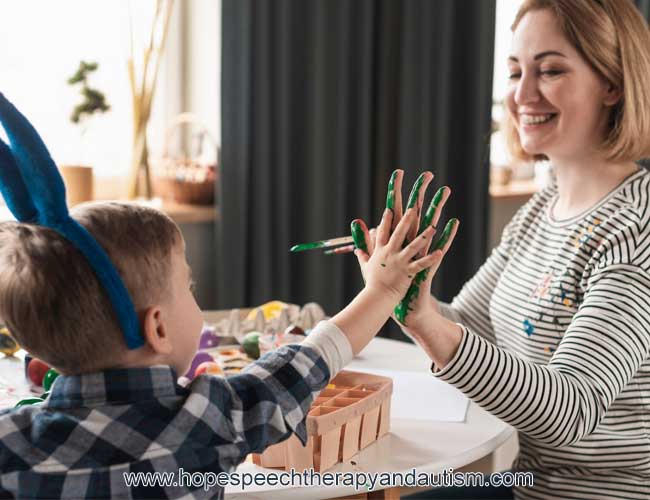


Hope Centre for Speech Therapy and Autism Treatment can support children by connecting occupational goals with real routines at home and school. Therapy may focus on fine-motor development, functional independence, participation in learning activities, or strategies for managing sensory demands. For families searching for a Top Occupational Therapy / Sensory Integration Therapy Centre in Kelowna, individualized assessment is particularly important because two children who appear to have similar sensory behaviours may need very different interventions. Online consultation can also help parents understand environmental modifications and home strategies, while in-person occupational therapy may be recommended when direct physical assessment or hands-on intervention is necessary. The strongest plan is one that explains why each activity is being used and how it relates to the child's everyday functioning.
What Is CBT and How Can Cognitive Behavioral Therapy Help?
Cognitive Behavioral Therapy, commonly called CBT, is a structured psychological treatment that helps people understand connections between thoughts, emotions, and behaviours. It can be adapted for children, adolescents, and adults when difficulties such as anxiety, emotional regulation problems, avoidance, negative thinking patterns, or certain behavioural challenges interfere with daily functioning. CBT is not simply talking about feelings. Depending on the person's age and needs, therapy may teach practical skills such as identifying emotions, recognizing unhelpful thought patterns, developing coping strategies, practising gradual exposure when clinically appropriate, and learning problem-solving techniques. For children with autism, CBT may require additional adaptations, including visual supports, concrete language, repetition, and explicit teaching of emotional concepts. A qualified mental-health professional should determine whether CBT is appropriate for the individual.


Hope Centre for Speech Therapy and Autism Treatment can provide structured support around emotional and behavioural goals by helping families understand what may be triggering a difficulty and which coping strategies can be practised consistently. For a family looking for a Cognitive Behavioral Therapy Centre in Kelowna, the value of therapy should be measured through functional improvements such as better emotional awareness, improved coping, increased participation, or reduced avoidance. CBT should never be presented as a universal solution for every child or every behaviour. Instead, the treatment plan should be based on an assessment and adjusted to developmental level, communication ability, family priorities, and clinical needs. Parent involvement can be especially valuable for younger children because adults help reinforce newly learned strategies between sessions.
What Is Hearing Aid Treatment and Where Can You Find the Best Hearing Aid Centre in Kelowna?
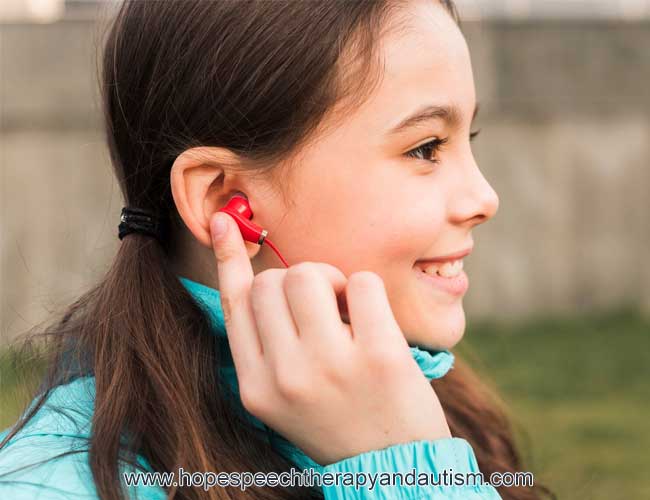
Hearing aid treatment begins with identifying the type and degree of hearing loss through appropriate hearing assessment. Hearing aids are electronic devices designed to amplify and process sound according to an individual's hearing needs, but choosing a device should not be based only on price or appearance. Hearing professionals consider the hearing test, communication environments, technology requirements, comfort, handling ability, and follow-up needs. Children require particular attention because untreated hearing difficulties can affect speech, language, learning, and social participation. Signs that warrant a hearing assessment can include frequently asking for repetition, difficulty understanding speech in noise, delayed responses, unclear speech, turning one ear toward sound, or concerns raised by parents or teachers. Audiology and hearing instrument services are regulated health professions in British Columbia, making professional assessment and appropriate fitting important parts of hearing care.
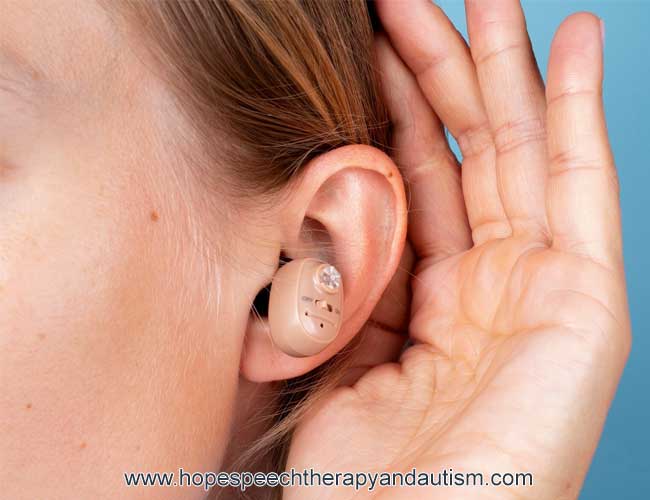
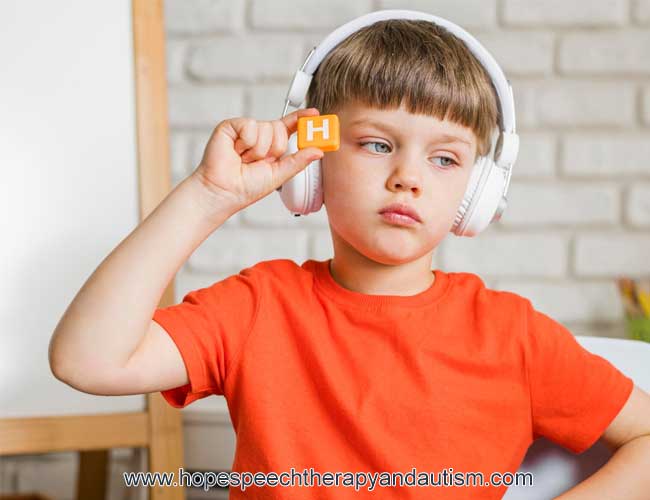

Hope Centre for Speech Therapy and Autism Treatment can help families understand how hearing and communication needs may overlap, particularly when a child has difficulty developing speech or responding consistently to spoken language. Families looking for a Hearing Aid Treatment Centre in Kelowna should make sure that hearing assessment, device selection, fitting, adjustment, and follow-up are handled appropriately. Hearing aids are not a replacement for speech-language therapy when communication difficulties are also present, so coordinated support may be useful when both needs exist. For children, ongoing monitoring is particularly important because hearing needs and communication demands can change as they grow. Combining professional hearing care with appropriate speech and developmental support can give families a clearer picture of what is affecting communication and what intervention may help.
Are You Ready to Choose the Right Therapy Support in Kelowna?
Choosing therapy is an important decision, and the best starting point is a clear understanding of the individual's needs rather than simply selecting the service with the broadest list of treatments. Speech therapy can strengthen communication, autism intervention can address functional developmental goals, academic therapy can support learning, occupational therapy can improve participation and independence, CBT can build emotional and coping skills, and hearing care can address communication barriers related to hearing loss. For families in Kelowna, an integrated approach can make it easier to connect therapy goals across home, school, and everyday life.
Hope Centre for Speech Therapy and Autism Treatment aims to give families practical, individualized support through structured therapy and professional guidance. If your child or family member is experiencing communication, developmental, academic, sensory, emotional, or hearing-related difficulties, take the next step by discussing the concerns with an appropriate professional and identifying clear goals for intervention. Contact Hope Centre to learn which services may be suitable, understand the available support options, and begin a therapy plan focused on meaningful progress and greater independence.