
Are You Looking for an Online Autism Treatment & Speech Therapy Centre in Helsinki?
Finding the right developmental support can make everyday communication, learning, behaviour and independence easier for children and families. An Online Autism Treatment & Speech Therapy Centre in Helsinki can be especially useful for families who need professional guidance without travelling for every appointment. Speech and language difficulties, autism-related communication needs, sensory challenges, learning difficulties and emotional concerns can overlap, so assessment should look at the whole child rather than one isolated symptom. Helsinki already has established public services for speech therapy, occupational therapy, psychological support and learning assistance, making coordinated care an important part of the local support system. A well-planned online programme can complement these services by giving families structured guidance, therapy activities and follow-up support from home.
Hope Centre for Speech Therapy and Autism Treatment provides a multidisciplinary approach designed around the individual needs of the child or adult. Its support can include speech and language intervention, autism-focused therapy, academic assistance, occupational and sensory integration therapy, CBT-based support and hearing-related guidance. The purpose is not simply to provide sessions but to work towards practical improvements in communication, participation, learning and everyday functioning. For families in Helsinki, online appointments can also make regular support easier to fit around school, work and family responsibilities. The following sections explain what each service involves, what symptoms may indicate a need for support and how a structured therapy programme can help.
What Is Speech Therapy, and Which Symptoms Can It Treat?
Speech therapy addresses difficulties involving speech sounds, language, communication, voice and, in some cases, swallowing. Children may need assessment when they have limited vocabulary, difficulty understanding language, problems forming sentences, unclear speech or challenges participating in conversations. Importantly, a late talker does not automatically have a language disorder; the direction and pattern of development matter. In Helsinki, children’s speech therapists assess communication and language development and may use tests, play-based activities, parent interviews and home exercises to understand the child’s needs. Support can also involve communication methods such as augmentative and alternative communication when spoken language is not sufficient. Early assessment is valuable because communication difficulties can affect social interaction and later learning if appropriate support is delayed.

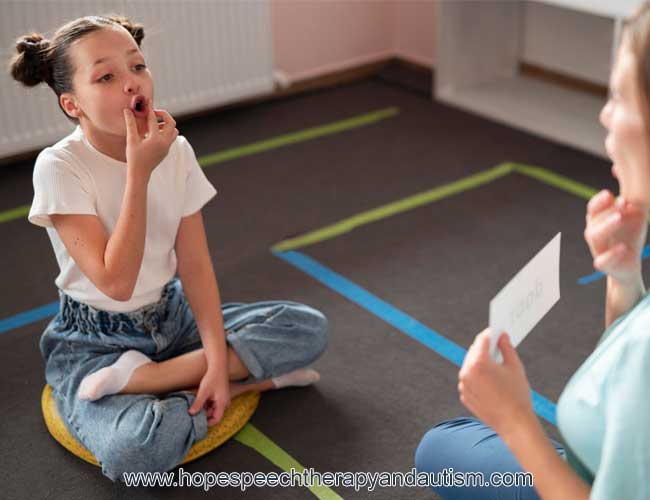
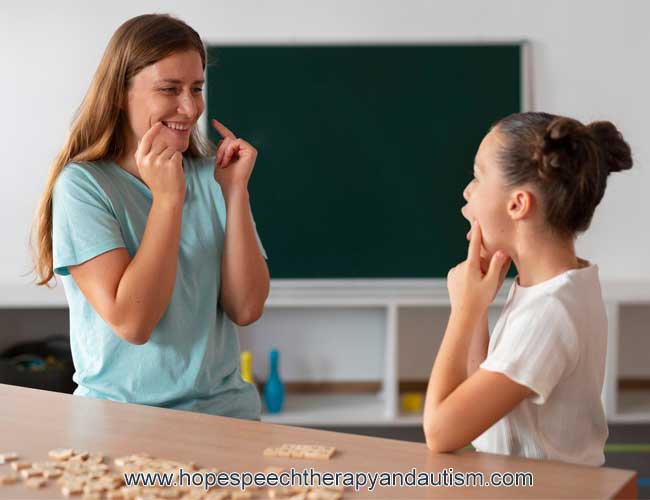
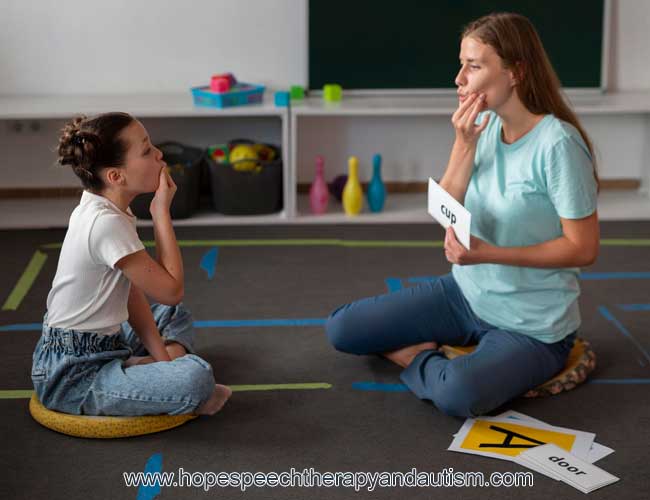
Hope Centre for Speech Therapy and Autism Treatment focuses on functional communication rather than simply practising individual sounds. Therapy may work on understanding instructions, building vocabulary, developing sentences, improving pronunciation, strengthening conversation skills and using alternative communication when appropriate. For children attending school in Helsinki, therapy goals can be linked to practical situations such as classroom participation, answering questions and communicating with peers. Online speech therapy can also involve parents through guided activities that can be practised between sessions. This approach helps therapy continue beyond the appointment itself. Families should seek an assessment when communication difficulties persist or interfere with daily participation, rather than waiting for the child to simply grow out of the problem.
What Is Autism, and How Can Its Symptoms Be Supported?
Autism is a neurodevelopmental condition associated with differences in social communication and interaction, together with restricted or repetitive patterns of behaviour, interests or activities. Presentation varies widely, which is why autism should not be treated through a single standard programme. A child may have difficulty with conversational interaction, flexibility, transitions, sensory experiences or interpreting social situations while having strengths in memory, interests or particular learning areas. Assessment should therefore consider developmental history, communication, behaviour and functioning across environments. In Helsinki, children and families can access support through healthcare, family services, schools and specialised services depending on their individual needs. The most useful intervention is usually based on identified functional needs rather than the diagnosis alone.
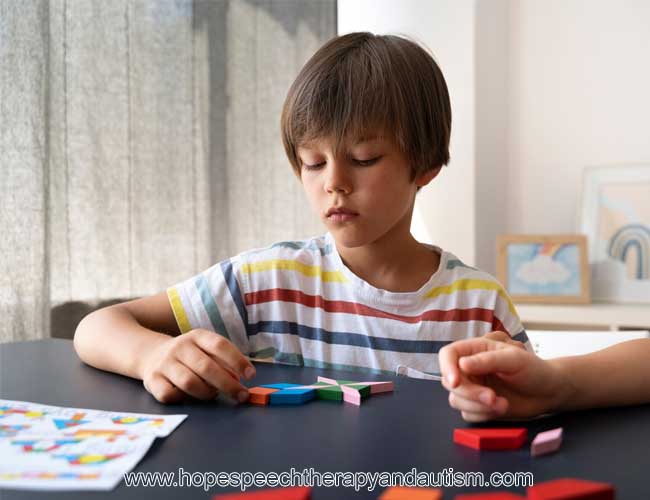
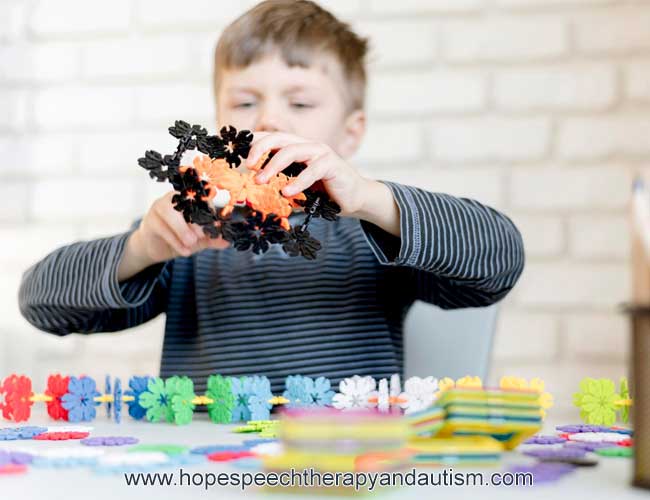
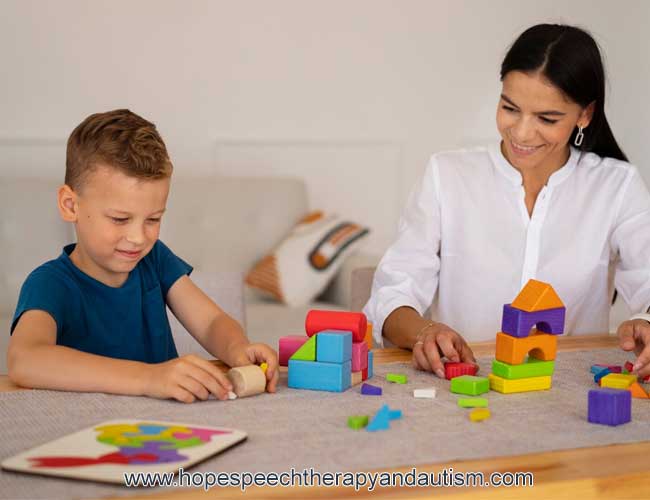
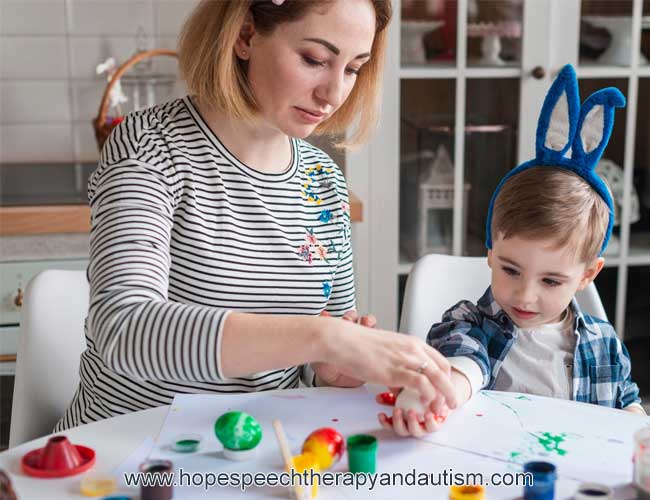
Hope Centre for Speech Therapy and Autism Treatment provides autism-focused support around communication, social participation, learning and daily functioning. Depending on the assessment, therapy may include structured communication activities, social interaction practice, behaviour-support strategies, parent guidance and coordination of goals across home and education settings. The emphasis is on useful skills and meaningful participation rather than trying to change a person’s identity or personality. For families looking for an Online Autism Treatment & Speech Therapy Centre in Helsinki, remote sessions can offer continuity when travel, schedules or distance make frequent in-person appointments difficult. Parents can participate directly, learn how to respond to communication and behavioural needs, and practise strategies consistently in familiar surroundings.
What Are Special Education and Academic Therapy, and Who Can Benefit?
Special education and academic therapy provide targeted support when a student needs more than ordinary classroom instruction to access learning effectively. Difficulties may involve reading, writing, mathematics, attention, language processing, organisation or the ability to follow classroom demands. The aim is not simply to give extra homework but to identify barriers and adapt teaching methods, materials and learning strategies accordingly. Finland has a strong emphasis on learning support, and its current system provides group-based and student-specific support measures when ordinary support is not sufficient. Individualised assistance may include special education, smaller-group instruction, accessible learning environments and augmentative or alternative communication support where required. Effective academic intervention should therefore connect therapeutic goals with the student's actual school tasks.
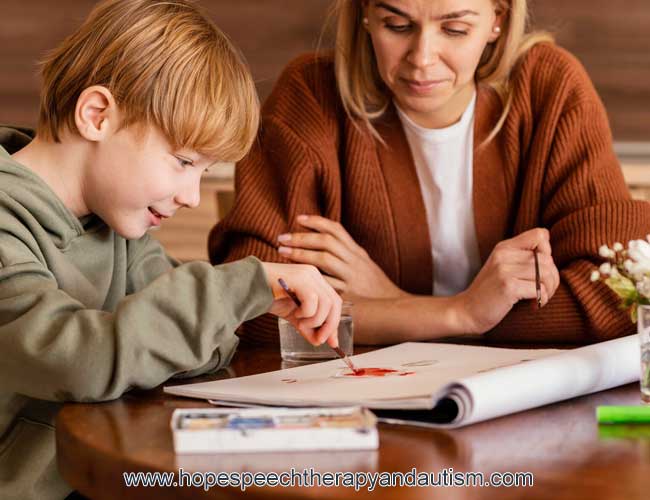
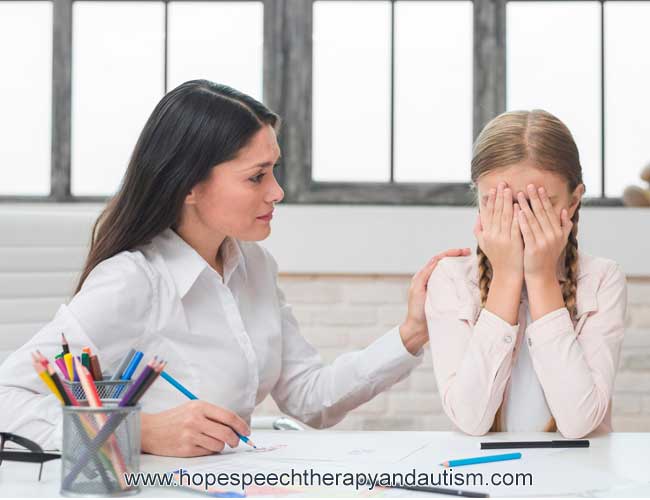
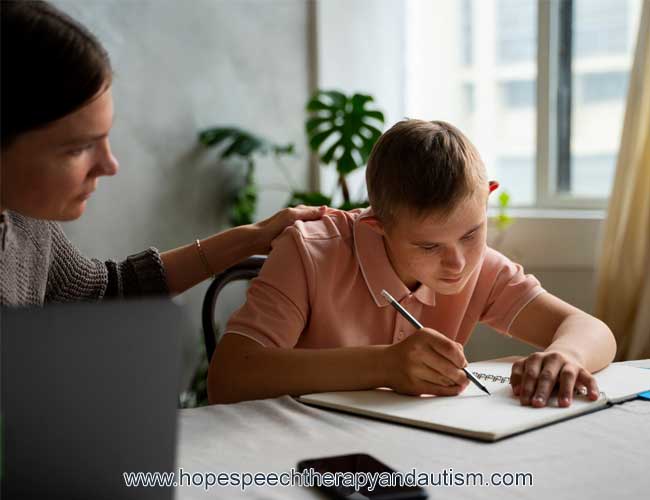
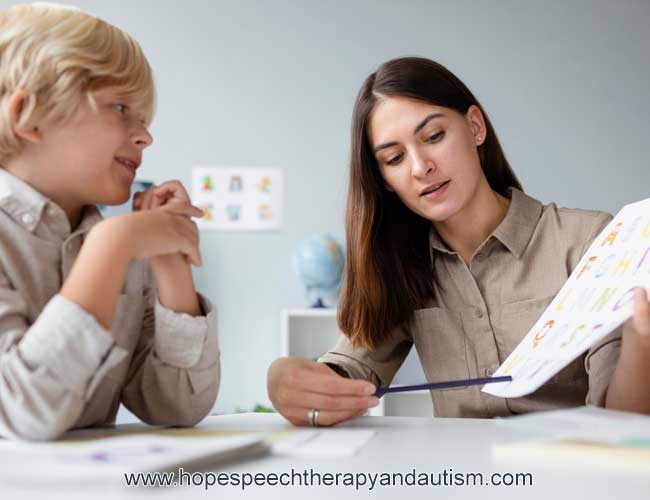
Hope Centre for Speech Therapy and Autism Treatment can support students by combining academic goals with the underlying communication, attention and learning needs that affect performance. Academic therapy may focus on reading comprehension, written expression, basic numeracy, study habits, task completion and confidence with schoolwork. For a child in Helsinki, the programme can be structured around current school expectations while allowing activities to be adjusted to the learner’s pace. Online sessions also allow parents to observe techniques and continue selected exercises at home. The goal is measurable progress in functional learning skills, with regular review of what is working and what needs to change. This makes academic support more purposeful than repeating the same exercises without assessing their effect on real learning.
What Is Occupational Therapy and Sensory Integration Therapy, and When Is It Needed?
Occupational therapy helps people develop or maintain skills needed for everyday activities, including self-care, school participation, play, movement and practical tasks. Some children experience sensory processing difficulties that make ordinary sounds, touch, movement, textures or visual input unusually difficult to manage. Others may have motor coordination, attention or regulation challenges that interfere with dressing, handwriting, eating or classroom activities. Sensory integration approaches are used by occupational therapists as part of broader functional assessment and intervention when appropriate; they should not be presented as a universal treatment for every developmental difficulty. In Helsinki, occupational therapy is included among rehabilitation services, including services available through the Disability Outpatient Clinic for eligible residents. Assessment should identify how the difficulty affects actual daily activities before therapy goals are selected.
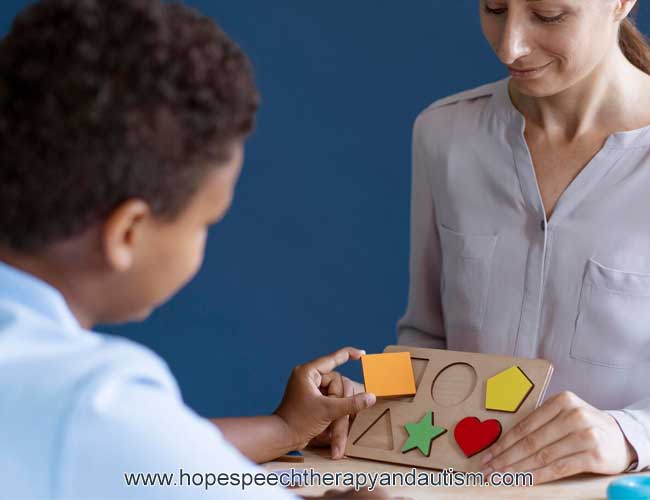
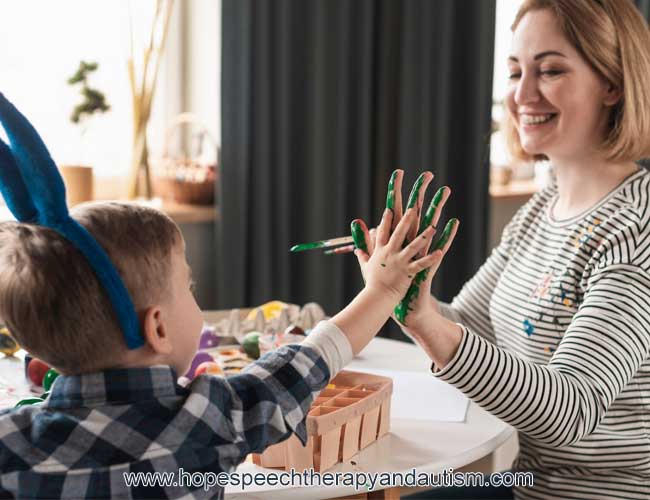

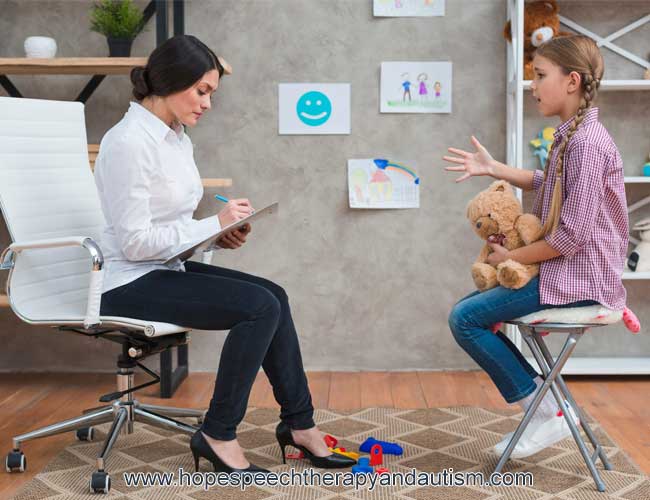
Hope Centre for Speech Therapy and Autism Treatment uses occupational and sensory-focused intervention to connect therapy with practical daily needs. Depending on assessment findings, sessions may address fine-motor control, handwriting readiness, coordination, self-care routines, attention during tasks, sensory regulation and participation in everyday activities. Parents can also receive practical strategies for creating predictable routines and adjusting activities when a child becomes overwhelmed by sensory input. For families seeking Occupational Therapy in Helsinki, online guidance can be useful when therapists need to coach parents in the home environment because the therapist can observe routines and recommend realistic changes. Progress should be judged by functional outcomes, such as improved participation, independence and tolerance of everyday activities, rather than by isolated sensory exercises alone.
What Is CBT, and How Can Cognitive Behavioral Therapy Support Children and Adults?
Cognitive Behavioral Therapy, commonly called CBT, is a structured psychological approach that examines connections between thoughts, emotions and behaviour. It can be useful for concerns such as anxiety, persistent worries, avoidance, low confidence and difficulties managing certain emotional or behavioural patterns. CBT is not a treatment that removes autism itself. Instead, when clinically appropriate, it can help an autistic person or another individual develop practical strategies for managing specific emotional or behavioural difficulties. Effective CBT is adapted to the person’s developmental level, communication style and cognitive abilities. In Helsinki, psychological services may address behaviour, learning and emotional concerns, while specialised professionals can assess cognitive abilities and support needs. A proper assessment is therefore important before deciding whether CBT is suitable.

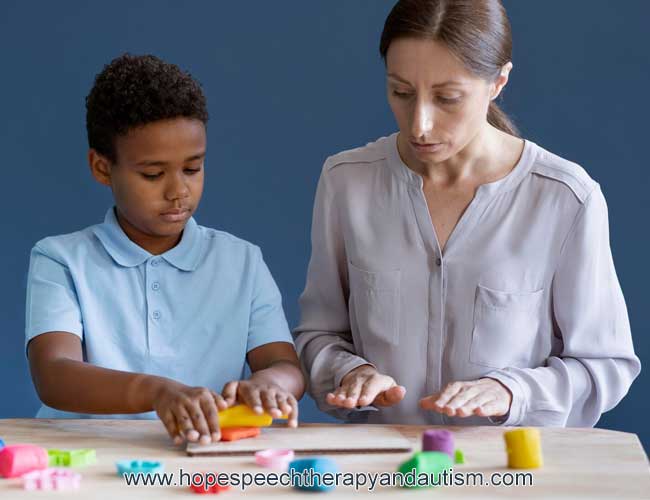
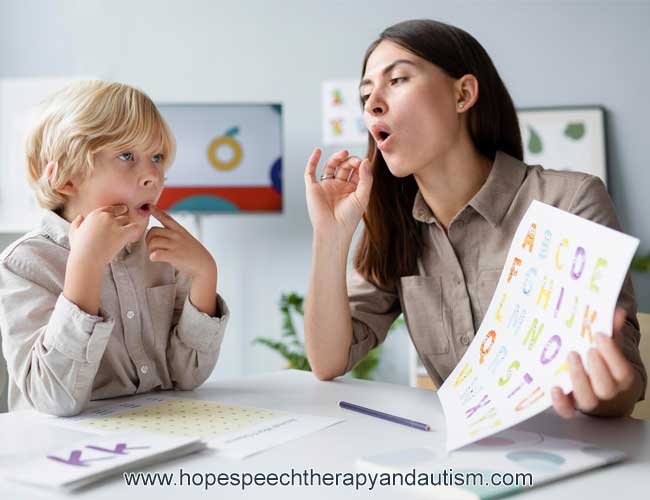

Hope Centre for Speech Therapy and Autism Treatment can incorporate CBT-based strategies when they match the individual’s needs and developmental level. Sessions may focus on recognising emotions, understanding triggers, developing coping responses, challenging unhelpful thinking patterns and gradually building confidence with situations that cause distress. For children, parents may be involved so that strategies can be practised consistently at home rather than remaining limited to therapy sessions. For older children and adults, goals can be connected to school, work, communication and independent living. A structured approach makes it possible to review progress and adjust the intervention when a strategy is not producing useful change. Families should choose qualified professionals and seek an appropriate assessment when emotional or behavioural concerns significantly affect daily life.
What Is Hearing Aid Treatment, and Where Can You Find the Best Hearing Aid Centre in Helsinki?
Hearing aid treatment begins with identifying the type and degree of hearing loss rather than simply choosing a device. A proper hearing assessment can establish whether amplification is appropriate and whether medical or specialist evaluation is needed. Hearing aids work by processing and amplifying sound according to the wearer’s hearing profile, but successful use also depends on fitting, adjustment, communication needs and follow-up. In children, hearing is closely connected with speech, language and educational development, so hearing concerns should be addressed promptly and coordinated with other professionals when communication difficulties are present. Signs that may warrant evaluation include frequently asking for repetition, difficulty following spoken instructions, unusually high television volume or difficulty understanding speech in noisy environments.
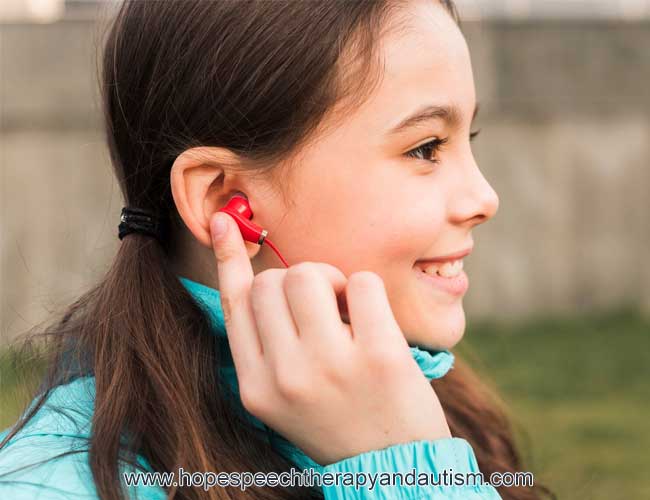
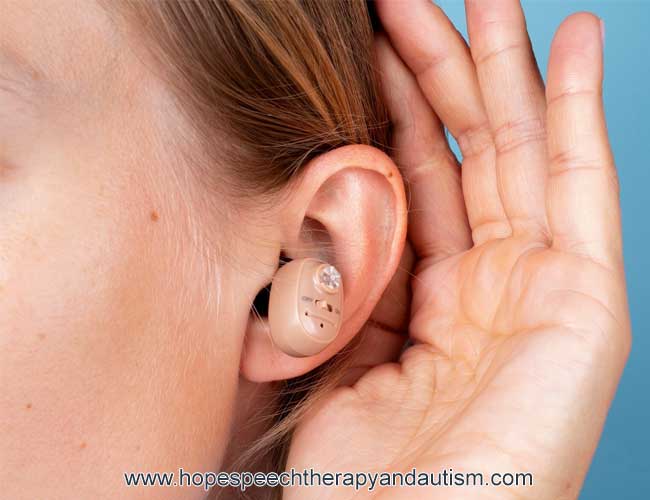
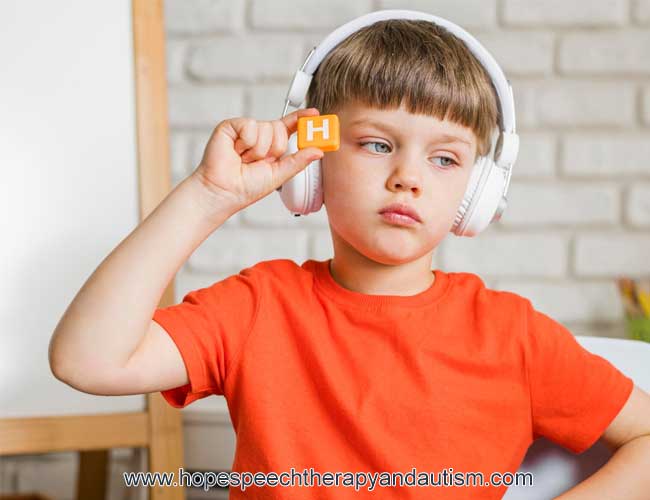

Hope Centre for Speech Therapy and Autism Treatment can help families understand how hearing difficulties may interact with communication, language and learning needs. Where hearing aid support is required, the priority should be appropriate assessment, professional fitting and ongoing follow-up rather than choosing a device based only on price or appearance. For a child receiving speech therapy, hearing status is particularly important because an undetected hearing difficulty can affect how spoken language is understood and learned. Families in Helsinki can use online consultations for guidance and coordination, while hearing testing, device fitting or medical examinations may require an appropriate local provider. This combination helps ensure that communication therapy is based on an accurate understanding of the person’s hearing and developmental needs.
Are You Ready to Choose the Right Therapy Support in Helsinki?
Choosing therapy should begin with the person’s actual needs, not simply the name of a diagnosis. Speech and language difficulties may require communication-focused intervention, while autism support may involve several professionals working towards practical developmental goals. Academic therapy can strengthen access to education, occupational therapy can improve everyday participation, CBT can address specific emotional or behavioural concerns, and hearing support can remove communication barriers caused by hearing loss. Helsinki offers a range of public support pathways, and families should use appropriate healthcare, education and specialist services when assessment or referral is required. Online therapy can add flexibility, particularly when parents want professional guidance that can be incorporated into daily routines at home.
Hope Centre for Speech Therapy and Autism Treatment brings these areas together through a structured, individual-focused approach. If you are searching for an Online Autism Treatment & Speech Therapy Centre in Helsinki, the right first step is to discuss the child’s or adult’s current difficulties, previous assessments, therapy history and practical goals. A suitable programme can then be planned around communication, learning, behaviour, sensory needs or hearing-related concerns instead of relying on a one-size-fits-all model. Contact Hope Centre to discuss the available online support, understand which services may be appropriate and take the next step towards consistent, evidence-informed developmental and therapeutic care.