
Are You Looking for an Online Autism Treatment & Speech Therapy Centre in Hamilton?
Finding the right therapy for a child with communication, developmental, learning, sensory, behavioural, or hearing-related needs can feel overwhelming, especially when families are trying to understand which service is actually appropriate. An Online Autism Treatment & Speech Therapy Centre in Hamilton can make professional support more accessible by connecting children and families with structured therapy from home while maintaining clear goals, regular progress reviews, and parent involvement. Hamilton families also have access to established provincial and local supports, including the Ontario Autism Program and multidisciplinary services connected with McMaster Children’s Hospital. These programs demonstrate why individualized care matters: children may need different combinations of speech-language therapy, occupational therapy, behavioural support, mental health care, and educational assistance depending on their strengths and needs.
Hope Centre for Speech Therapy and Autism Treatment provides a comprehensive approach in which therapy is focused on practical development rather than simply completing sessions. The aim is to help children communicate more effectively, participate in learning, manage everyday activities, build independence, and develop useful social and emotional skills. Online therapy can also be convenient for families who have demanding schedules or difficulty travelling regularly. Whether the concern involves delayed speech, autism, academic difficulties, sensory processing, anxiety, emotional regulation, or hearing-related communication problems, an appropriate assessment should come before treatment planning. The following sections explain the major therapy areas families in Hamilton may consider and how Hope Centre can support children through individualized, family-centred intervention.
What Is Speech Therapy, What Symptoms Does It Address, and How Is It Treated?
Speech therapy helps children and adults develop clearer and more effective communication. A speech-language pathologist may assess speech sound difficulties, delayed language, difficulty understanding language, problems expressing thoughts, stuttering, social communication difficulties, voice concerns, or communication challenges associated with developmental conditions such as autism. Treatment depends on the assessment rather than using one standard exercise for everyone. Therapy may work on pronunciation, vocabulary, sentence formation, comprehension, conversational skills, social communication, or alternative and augmentative communication when spoken communication is limited. For families searching for speech therapy in Hamilton, the local healthcare system also recognizes speech-language pathology as an important school and developmental service. Hamilton Health Sciences provides school-based speech-language pathology alongside occupational therapy and physiotherapy to support participation in publicly funded schools.

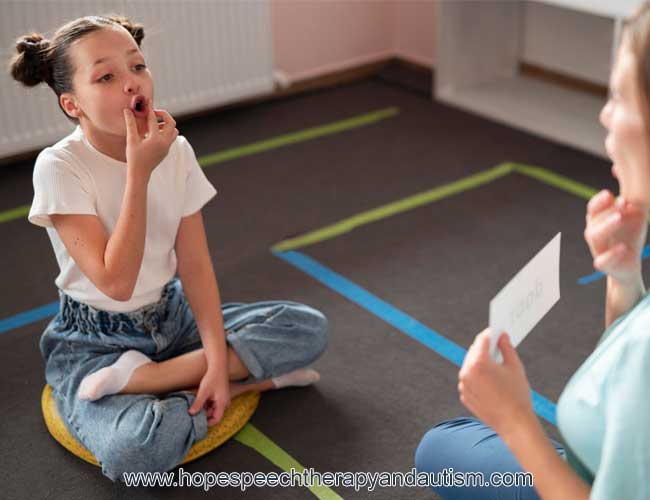
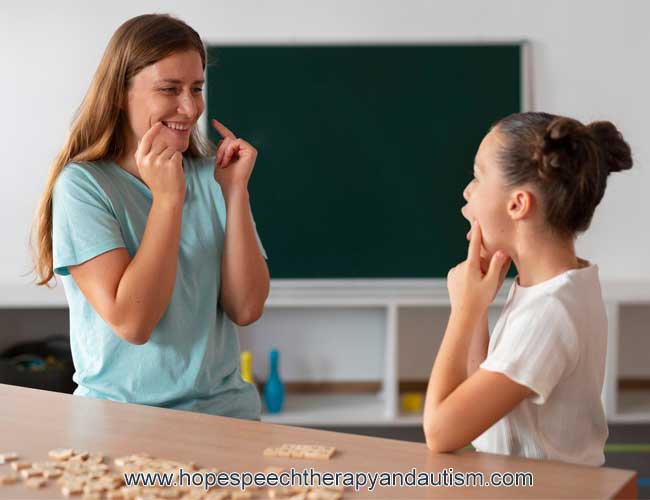
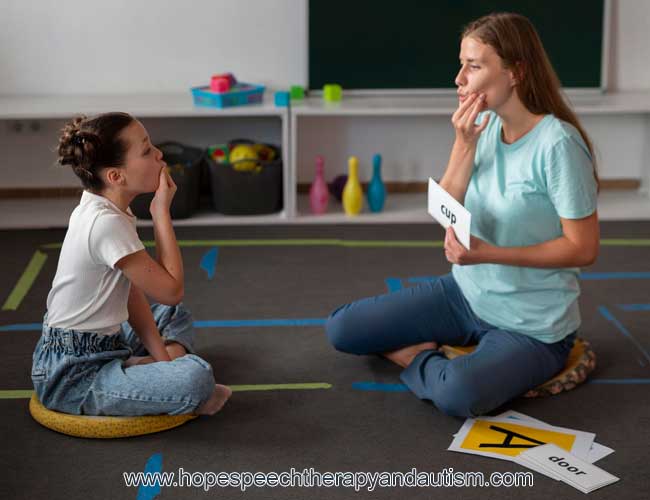
At Hope Centre for Speech Therapy and Autism Treatment, speech intervention can be structured around the child's actual communication goals and daily environment. For an online session, therapists can work with the child while also guiding parents on activities that can be continued between appointments. This is particularly useful when communication needs to be practiced during ordinary routines such as play, meals, schoolwork, or conversations. The centre can focus on functional communication instead of treating speech as an isolated skill. Parents can also receive practical strategies for reinforcing new sounds, words, language patterns, or social communication skills at home. For children with autism or developmental delays, combining speech therapy with other appropriate services can create a more coordinated plan and help communication skills transfer into school, family, and community settings.
What Is Autism, What Are Its Symptoms, and What Treatment Can Help?
Autism spectrum disorder is a neurodevelopmental condition associated with differences in social communication and interaction together with restricted or repetitive behaviours, interests, or activities. The presentation varies considerably from one person to another, so autism should not be approached as a single set of symptoms requiring a single treatment. A child may experience delayed spoken language, difficulty with social interaction, repetitive behaviours, sensory differences, challenges with flexibility, or difficulty managing changes in routine. A proper diagnosis is made by qualified professionals rather than by a therapy centre alone. In Ontario, children under 18 with a written autism diagnosis from a qualified professional may register for the Ontario Autism Program. Hamilton is served through the regional Ontario Autism Program network, with McMaster Children’s Hospital providing a range of autism-related services.
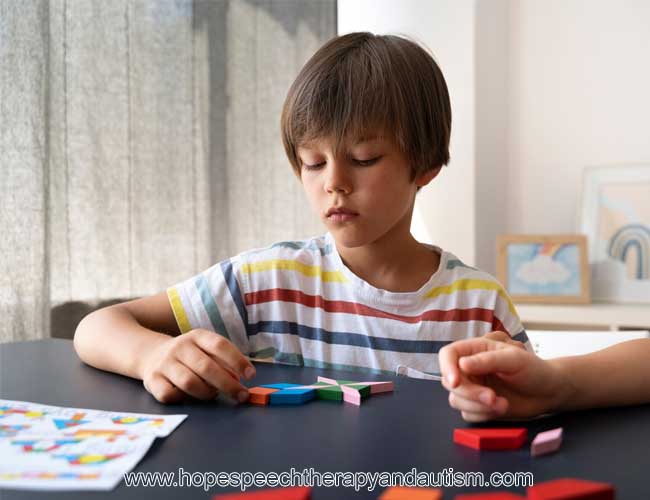
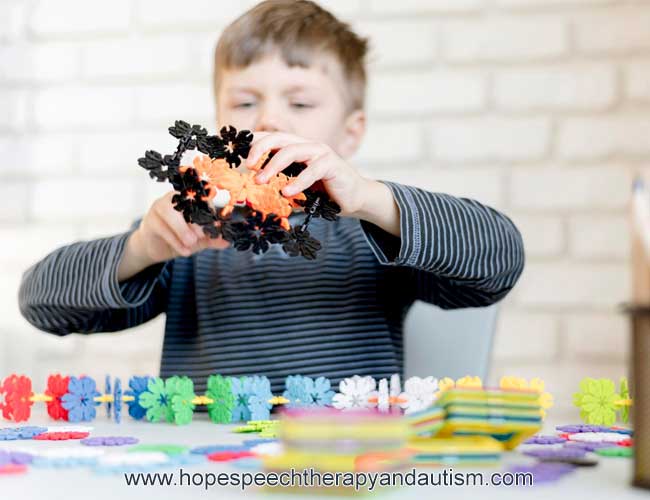
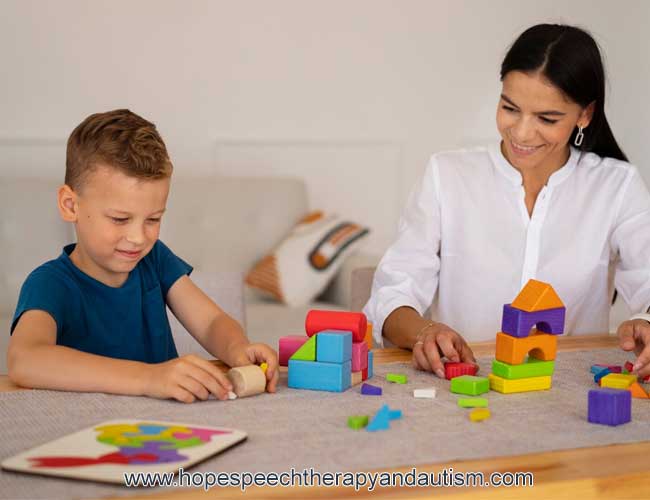
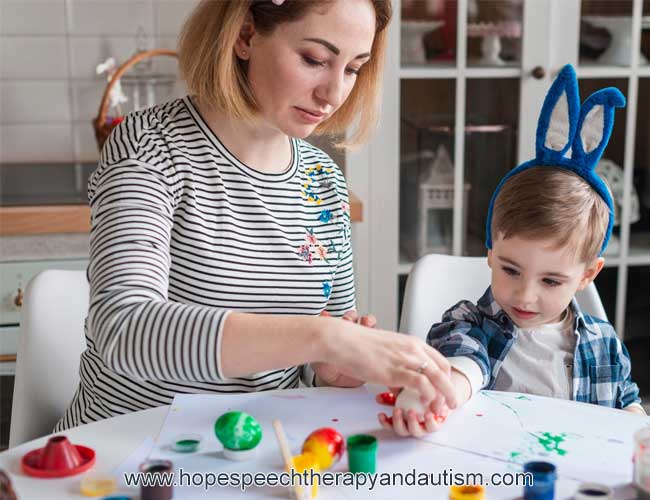
Hope Centre for Speech Therapy and Autism Treatment takes an individualized approach to autism treatment by considering communication, learning, behaviour, sensory needs, daily living abilities, and family priorities together. The purpose of therapy is not to make every child behave in the same way, but to build useful skills, increase participation, reduce barriers, and support greater independence. Depending on assessed needs, intervention may involve speech therapy, occupational therapy, behavioural strategies, academic support, or cognitive behavioural approaches. Hamilton families may also benefit from understanding local OAP pathways, including foundational family services, school supports, and entry-to-school programming. For young children entering school, Ontario's current program includes foundational skill development and transition support involving multidisciplinary professionals, making coordination between families, educators, and therapists especially valuable.
What Is Special Education and Academic Therapy, and How Can It Support Learning?
Special education and academic therapy are designed to address learning needs that may not be adequately supported through a standard classroom approach. A child may struggle with reading, writing, mathematics, attention, processing information, following instructions, organizing schoolwork, or applying skills independently. Academic therapy should begin with identifying the specific barrier rather than assuming that a child simply needs more practice. Special education may involve individualized instruction, classroom accommodations, specialized teaching strategies, educational assistants, or coordinated professional support. In Hamilton, the Hamilton-Wentworth District School Board has an Autism and Neurodevelopmental Services team that works with students, parents or guardians, educators, and community partners. The team includes professionals such as speech-language pathologists, communicative disorders assistants, itinerant teachers, educational assistants, child and youth care practitioners, and behaviour specialists.
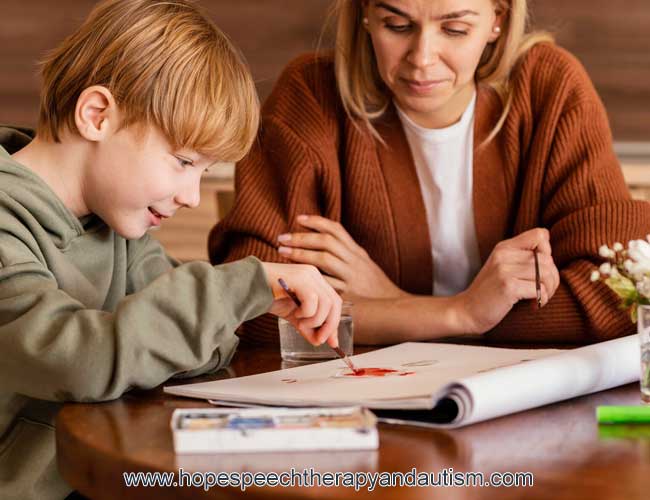
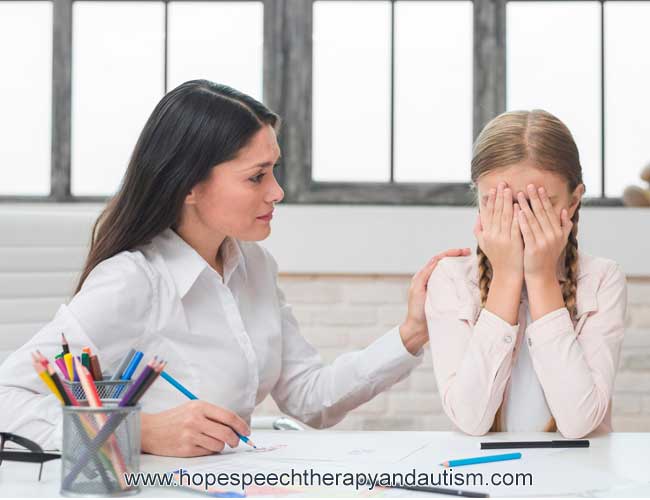
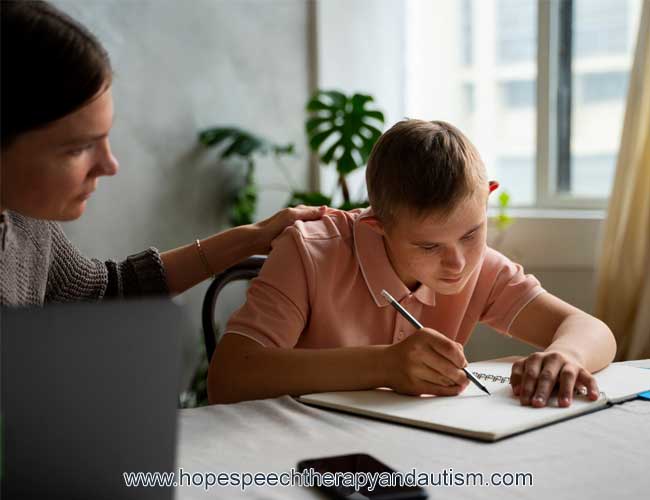
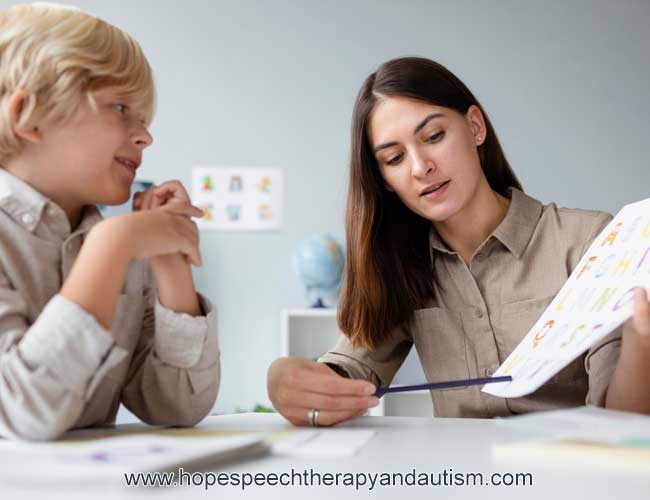
Hope Centre for Speech Therapy and Autism Treatment supports academic development by connecting learning goals with the child's underlying communication, attention, executive functioning, and developmental needs. Rather than focusing only on homework completion, academic therapy can help a child understand instructions, organize information, develop foundational literacy and numeracy skills, and become more confident when approaching school tasks. Online sessions can be particularly practical when parents can provide the child's current school materials and therapists can observe how the child approaches real assignments. Progress should be measured through clearly defined goals and regular review. When appropriate, the centre can also encourage communication between families, therapists, and educational professionals so that strategies used during therapy are more consistent with the child's school environment and everyday learning requirements.
What Is Occupational Therapy and Sensory Integration Therapy, and What Symptoms Can It Treat?
Occupational therapy helps children participate more successfully in everyday activities by addressing functional skills, motor development, self-care, regulation, and other barriers to participation. Sensory integration approaches may be considered when a child has difficulty responding to sensory information such as sound, touch, movement, visual input, or body-position information. Possible signs include strong reactions to particular textures or sounds, difficulty remaining regulated, challenges with fine motor tasks, problems with dressing or feeding routines, poor coordination, or difficulty participating in age-appropriate activities. Assessment is important because sensory behaviours can have different causes and should not automatically be labelled as a sensory disorder. In Hamilton, occupational therapy is part of both autism and school-based rehabilitation services. McMaster Children’s Hospital describes OT support in areas including sensory processing, self-regulation, self-care, and fine and gross motor development.
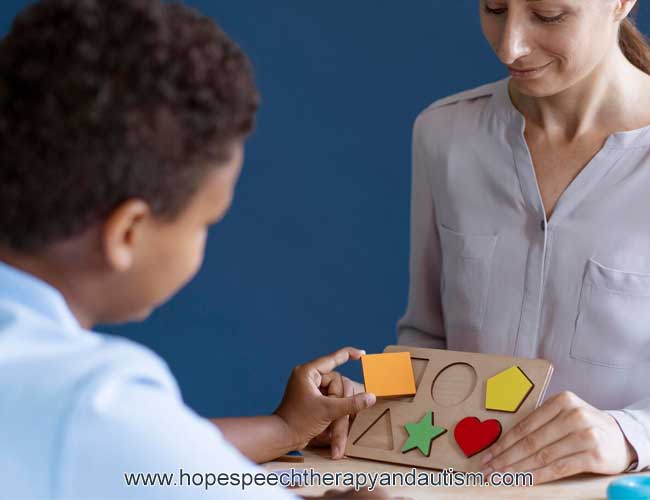
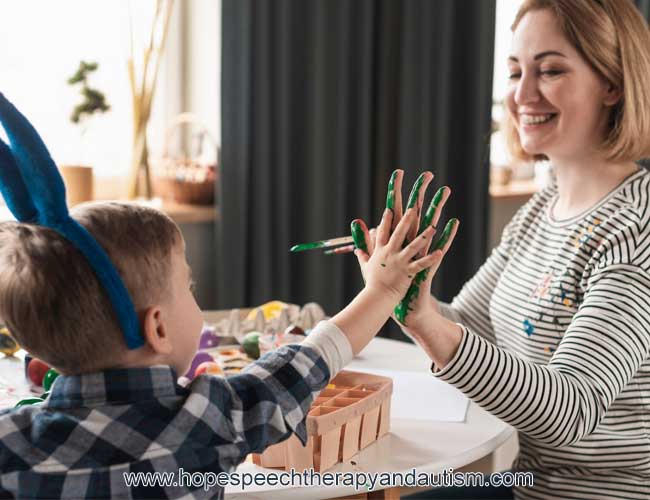

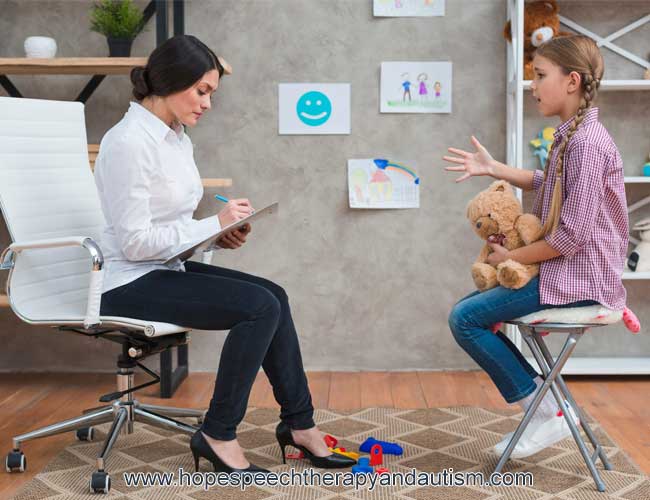
Hope Centre for Speech Therapy and Autism Treatment uses occupational therapy to help children build practical independence rather than focusing only on isolated exercises. Treatment may address fine motor control for handwriting, dressing skills, participation in routines, self-regulation, coordination, or strategies for managing sensory challenges that interfere with learning and daily life. For children receiving online therapy, parents can help therapists understand the child's behaviour during ordinary routines and implement recommended activities safely at home. A useful therapy plan should identify measurable functional goals and explain how the family can practice skills between sessions. Occupational therapy can also complement speech therapy and academic support when communication, sensory regulation, motor skills, and learning difficulties overlap. This integrated approach can be especially valuable for children with autism or other developmental conditions who need support across more than one area of daily functioning.
What Is CBT, How Can Cognitive Behavioral Therapy Help, and Where Can Families Seek Support?
Cognitive Behavioral Therapy, commonly called CBT, is a structured psychological approach that helps people understand connections between thoughts, feelings, behaviours, and situations. For children and young people, CBT can be adapted to developmental level and may be used for concerns such as anxiety, excessive worry, fears, low mood, avoidance, or difficulties managing emotional responses. It is not simply a conversation about feelings; evidence-based CBT typically involves learning specific skills and practicing them between sessions. In Hamilton, mental health services are included among the core clinical services available through the Ontario Autism Program, and McMaster Children’s Hospital's autism program also describes caregiver-supported CBT strategies such as recognizing anxious feelings, challenging unhelpful thinking, and gradually facing fears. This highlights the importance of involving parents or caregivers when the child's age and needs make family participation useful.

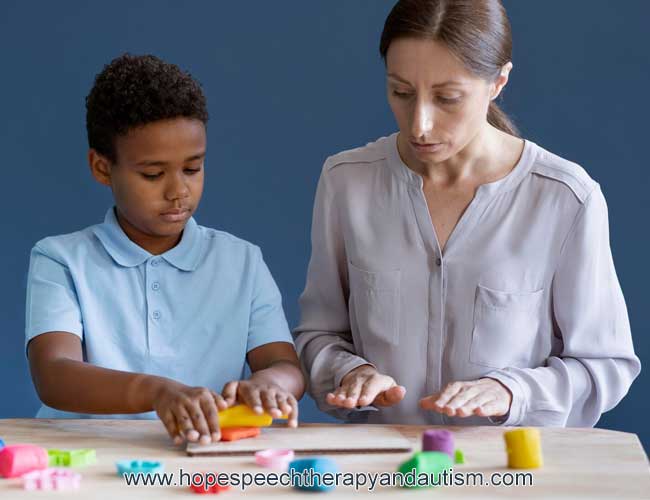
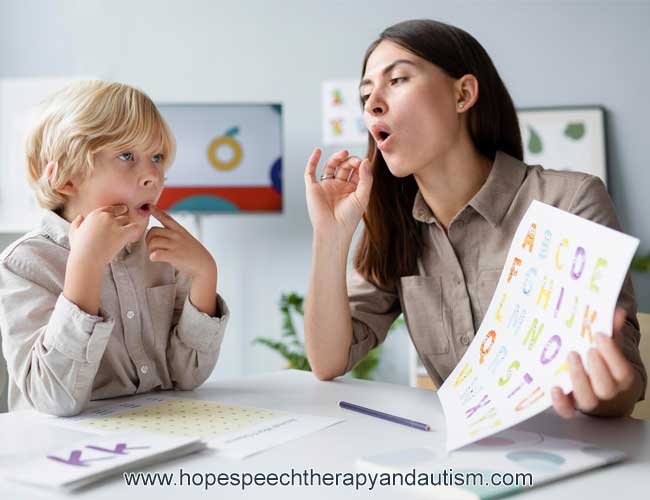

Hope Centre for Speech Therapy and Autism Treatment can make CBT more practical by connecting therapeutic goals with situations that a child actually experiences at home, in school, and in social settings. Depending on the assessment, therapy may help a child recognize anxious thoughts, understand emotional triggers, develop coping strategies, practice problem-solving, and gradually approach situations that have become difficult because of fear or avoidance. Parents can be shown how to reinforce these strategies without turning everyday family interactions into constant therapy sessions. For children with autism, CBT may require appropriate adaptations to communication style, cognitive level, and individual strengths. The goal is meaningful improvement in emotional regulation and daily participation, with progress reviewed over time. Families should seek appropriately qualified mental health professionals when psychological symptoms are persistent, significantly interfere with functioning, or require formal assessment and treatment.
What Is Hearing Aid Treatment, What Symptoms Indicate Hearing Loss, and What Is the Best Hearing Aid Centre in Hamilton?
Hearing aid treatment begins with identifying the type and degree of hearing loss through appropriate hearing assessment rather than selecting a device based only on symptoms. Possible signs of hearing difficulty include frequently asking others to repeat themselves, difficulty understanding speech in noisy environments, turning the volume unusually high, missing spoken instructions, delayed speech and language development in children, or appearing not to respond consistently when spoken to. Hearing aids are electronic devices that amplify and process sound according to an individual's hearing needs, but they are not suitable for every type of hearing problem. Children with suspected hearing loss should receive appropriate audiological assessment because hearing ability is closely connected with speech, language, communication, and learning. In Hamilton, hearing and speech concerns can intersect with developmental services, making coordination between hearing professionals and speech-language professionals especially useful when communication development is affected.
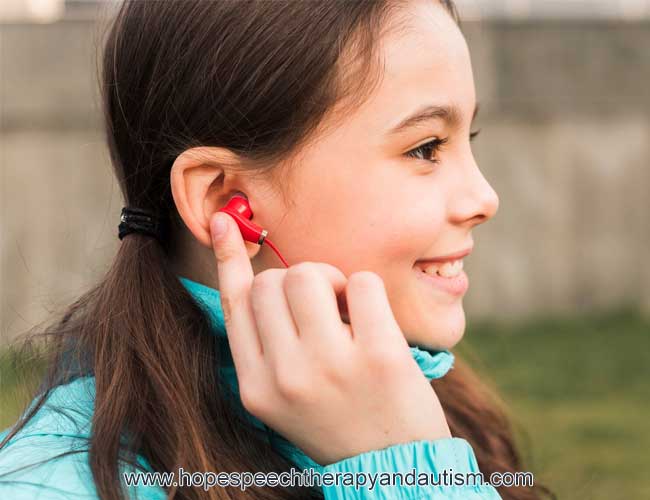
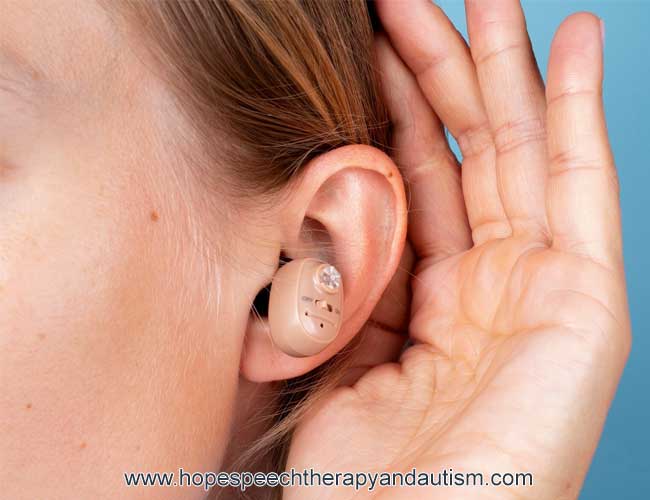
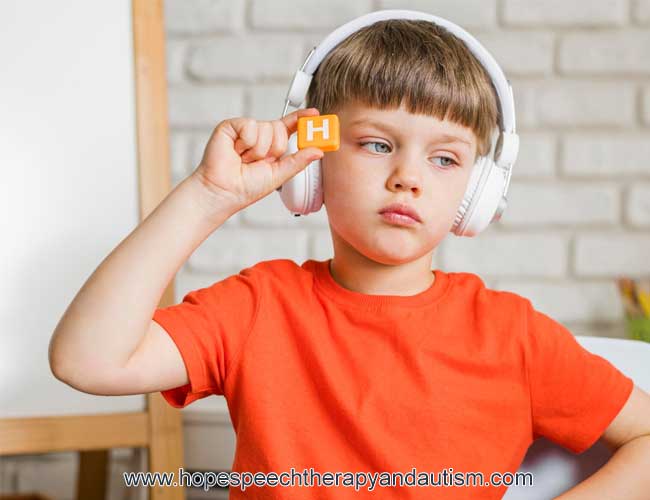

Hope Centre for Speech Therapy and Autism Treatment can help families understand how hearing and communication concerns may affect a child's development and when additional assessment may be appropriate. While hearing aid fitting itself should be carried out by appropriately qualified hearing professionals, speech and language therapy can be valuable before and after hearing intervention to strengthen communication skills. For a child using hearing technology, therapy can focus on listening, understanding spoken language, vocabulary development, pronunciation, and functional communication according to the child's individual profile. Online sessions may also provide families with practical guidance for communication activities at home. The most suitable hearing support is therefore not simply the device with the most features; it is the solution that matches the person's hearing assessment, lifestyle, communication requirements, and professional recommendations. Early attention to hearing concerns can prevent avoidable communication barriers from becoming larger learning difficulties.
Are You Ready to Choose the Right Therapy Support in Hamilton?
Choosing therapy should begin with the child's individual needs rather than with a generic list of services. Speech and language difficulties may require a speech-language assessment, while autism-related needs can involve communication, behaviour, sensory regulation, learning, emotional wellbeing, and daily living skills. Academic challenges may benefit from specialized educational support, occupational therapy can address functional and sensory barriers, CBT can support appropriate emotional and behavioural goals, and hearing concerns require proper audiological assessment. Hamilton families can also explore established provincial pathways such as the Ontario Autism Program and local school-based rehabilitation services when eligibility requirements apply. These resources can work alongside private or online therapy rather than replacing the need for individualized professional planning.
Hope Centre for Speech Therapy and Autism Treatment is committed to providing practical, individualized support that helps children and families move from concern to measurable progress. Online access can make regular therapy easier to fit into family routines while allowing parents to participate actively in the treatment process. If your child is experiencing speech delay, autism-related challenges, learning difficulties, sensory concerns, anxiety, or communication problems associated with hearing loss, the next step is to discuss the concerns with a qualified professional and identify the most appropriate assessment and therapy pathway. Contact Hope Centre for Speech Therapy and Autism Treatment to discuss your child's needs, understand the available therapy options, and develop a focused plan designed around meaningful everyday outcomes.