
Are You Looking for an Online Autism Treatment & Speech Therapy Centre in Hamilton?
Finding the right support for communication, learning, behaviour, hearing, or sensory needs can be difficult, especially when families are trying to understand which therapy is actually appropriate. An Online Autism Treatment & Speech Therapy Centre in Hamilton can make professional support more accessible by allowing children and families to participate in structured sessions from home while working toward practical goals. Hope Centre for Speech Therapy and Autism Treatment provides an integrated approach that connects speech and language development, autism intervention, academic support, occupational therapy, CBT, and hearing-related services according to individual needs. This matters because developmental concerns rarely fit neatly into one category. A child who struggles to communicate may also have difficulty participating in school, managing sensory input, or expressing emotions. This guide explains what each service involves, what signs may indicate a need for assessment, and how families in Hamilton can approach therapy in a more informed way.
What Is Speech Therapy, and What Symptoms Can It Treat?
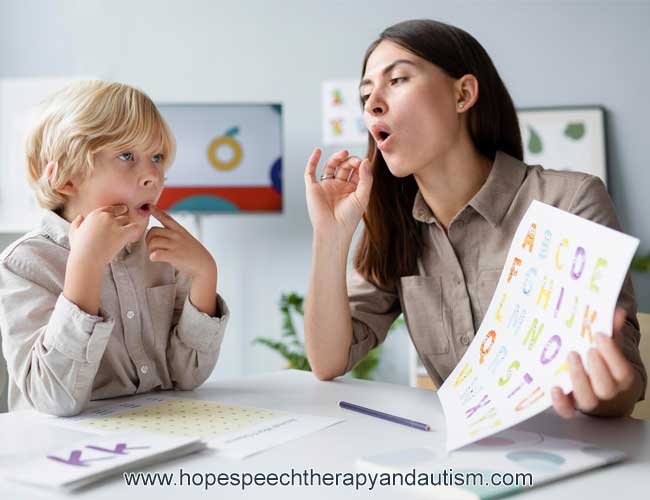
Speech therapy supports children and adults who have difficulties with communication, speech sounds, language, fluency, voice, or social communication. Common signs that may justify an assessment include unclear speech beyond the expected developmental stage, difficulty understanding instructions, limited vocabulary, trouble forming sentences, frequent repetition, difficulty answering questions, or challenges participating in conversations. Speech-language pathologists assess the individual's communication profile rather than relying on one symptom alone. Treatment may involve articulation practice, language-building activities, communication strategies, fluency techniques, or support for social communication. For children with developmental differences, goals are usually functional, such as helping the child request something, follow classroom instructions, tell a story, participate in play, or communicate more independently. Families searching for a Speech Therapy Centre in Hamilton can benefit from services that connect assessment findings with measurable goals instead of using the same programme for every child.

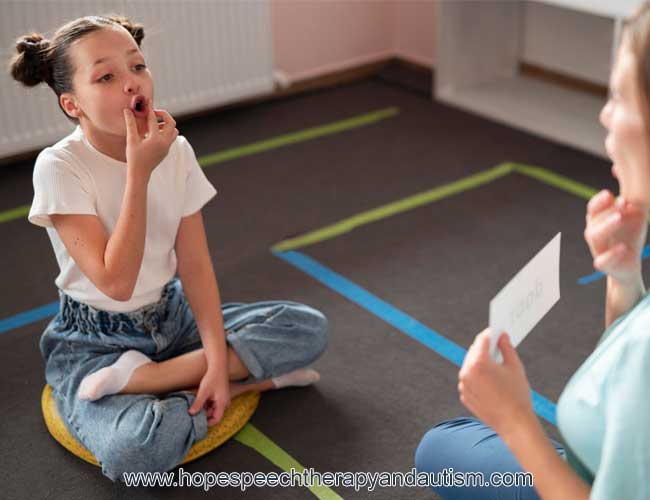
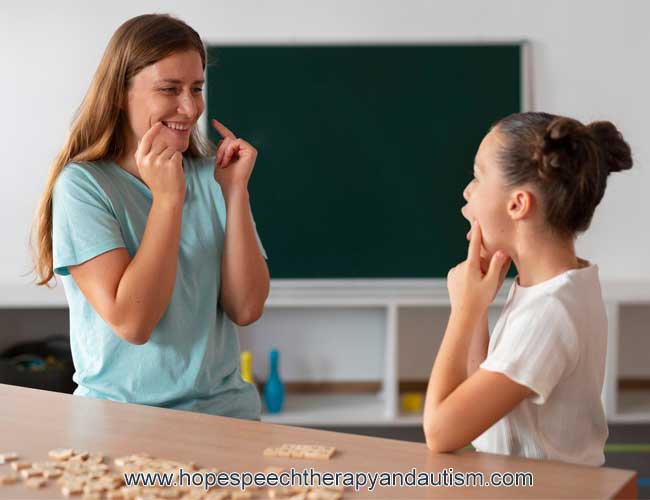
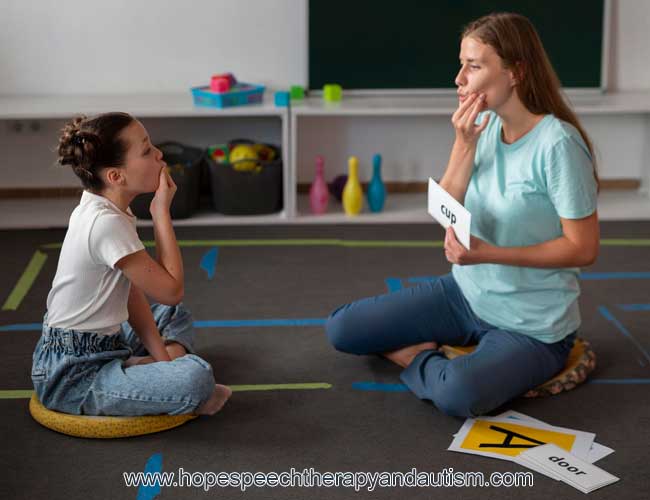
Hope Centre for Speech Therapy and Autism Treatment focuses on practical communication outcomes through individualized intervention. Online sessions can be particularly useful when a child responds well to familiar surroundings, and therapists can also guide parents so that communication strategies continue between sessions. For families in Hamilton, online access can reduce travel demands and make it easier to maintain consistency when schedules are busy. The approach can include activities designed around the child's interests and everyday routines rather than isolated exercises alone. When speech difficulties occur alongside autism, developmental language differences, or learning challenges, coordination between professionals becomes especially valuable. Hope Centre aims to provide structured speech and language support that builds communication skills progressively, while families can discuss assessment findings and goals with the treating professional to determine whether ongoing therapy, further evaluation, or another type of support is appropriate.
What Is Autism, and What Are the Symptoms and Treatment Options?
Autism spectrum disorder is a neurodevelopmental condition associated with differences in social communication and interaction, together with restricted or repetitive behaviours, interests, or activities. Signs can vary considerably between individuals. Some children may have delayed spoken language, difficulty with back-and-forth conversation, reduced use of gestures, difficulty understanding social cues, repetitive movements, strong preferences for routines, or unusually intense interests. Sensory differences can also occur, although sensory symptoms alone do not establish an autism diagnosis. Autism is diagnosed through developmental history and clinical assessment rather than a single blood test or scan. Treatment therefore needs to reflect the person's strengths, needs, age, communication level, and goals. In Ontario, families may also encounter the Ontario Autism Program, which provides supports for eligible children and youth, making it important to understand the difference between publicly funded programmes, private therapy, and clinical assessment when planning care in Hamilton.
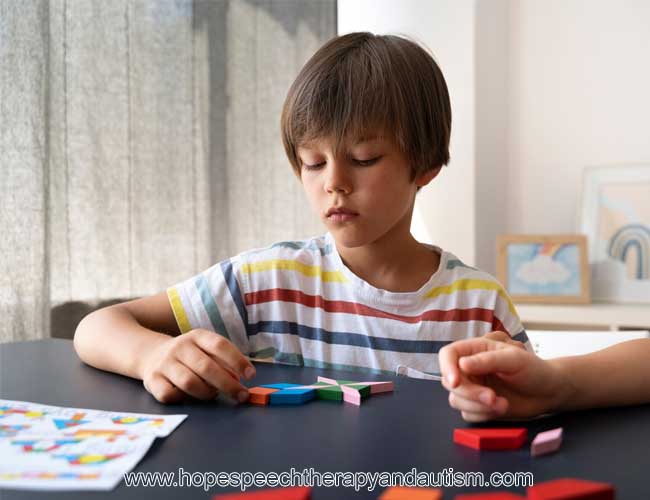
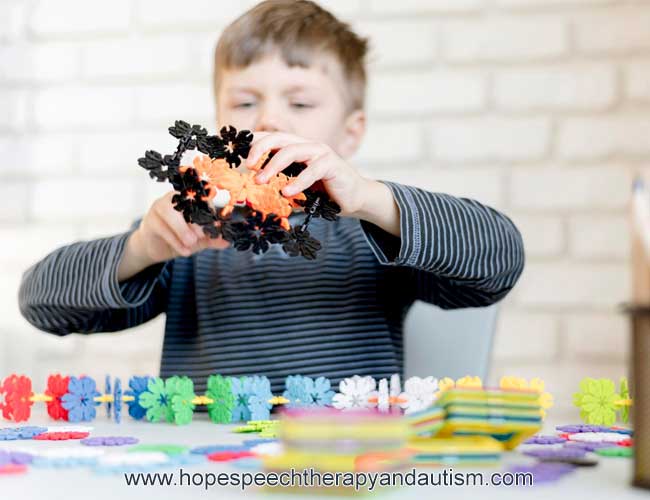
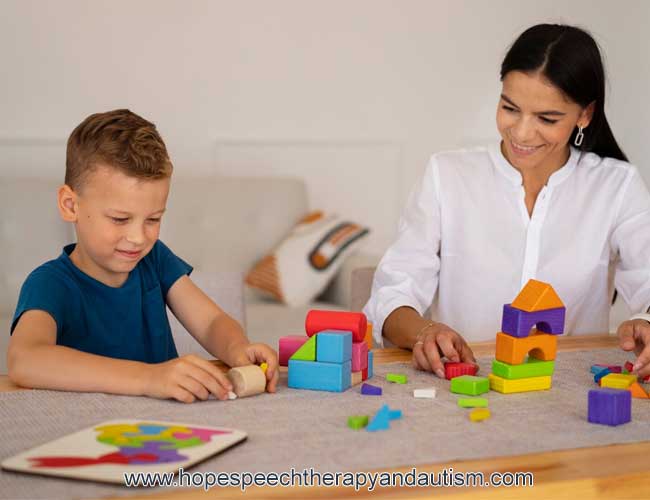
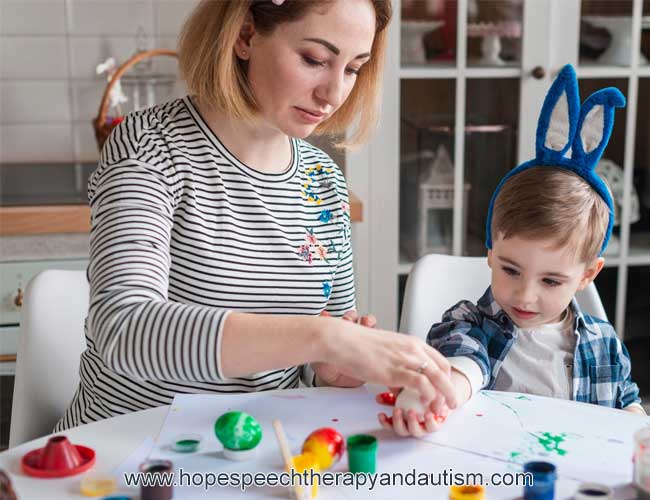
Autism treatment is not about changing a person's identity; effective support focuses on communication, participation, independence, learning, emotional regulation, and quality of life. Hope Centre for Speech Therapy and Autism Treatment develops individualized intervention plans based on the child's current abilities and functional needs. Depending on the assessment, support may involve communication development, social interaction, behaviour strategies, parent coaching, academic assistance, or coordination with other therapies. An Online Autism Treatment Centre in Hamilton can also make regular parent involvement easier because caregivers are present during or around sessions and can practise strategies in daily routines. Consistent intervention is important, but progress should be reviewed rather than assuming that one method will work indefinitely. Families should expect clear goals, regular communication about progress, and adjustments when a child's needs change. This practical and individualized approach helps therapy remain relevant to school, home, and community life.
What Are Special Education and Academic Therapy, and Who Can Benefit?
Special education provides individualized educational support for students whose learning needs require additional strategies, accommodations, modifications, or specialized instruction. Academic therapy is more targeted and may address specific difficulties with reading, writing, spelling, mathematics, attention to academic tasks, or study skills. A child may need support because of a learning disability, developmental difference, language difficulty, autism, attention-related challenges, or another factor affecting educational participation. In Ontario schools, parents may be involved in processes such as an Identification, Placement and Review Committee assessment and an Individual Education Plan when applicable. These school-based supports are different from private academic therapy, but they can complement one another. A useful academic programme should identify where the learner is currently performing, understand why a task is difficult, and select instruction that directly addresses the underlying skill rather than simply giving more worksheets or extra practice.


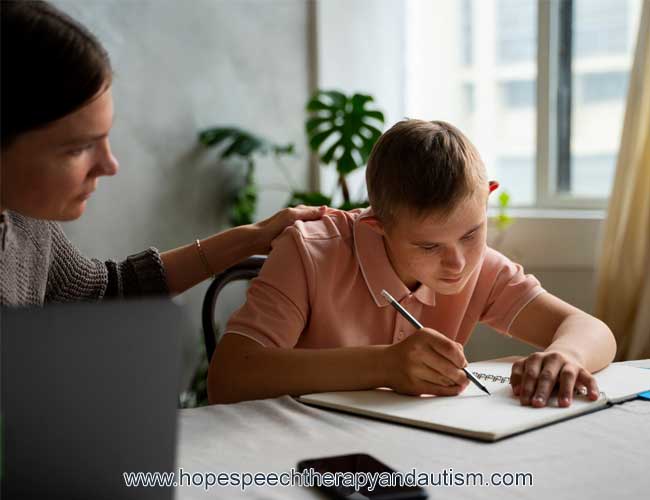
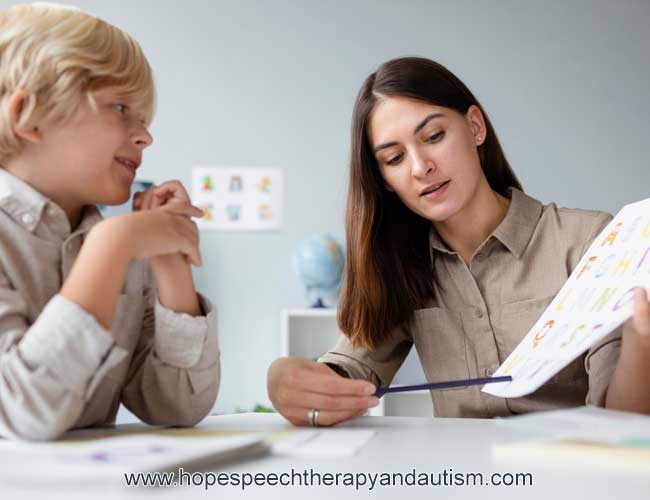
Hope Centre for Speech Therapy and Autism Treatment helps learners by connecting academic goals with their communication and developmental profile. Instead of treating school performance as a single issue, academic support can examine skills such as comprehension, expressive language, phonological awareness, reading accuracy, written expression, working habits, and task completion. This is particularly useful when a child understands a concept verbally but struggles to demonstrate it in written work or classroom activities. Families looking for Special Education and Academic Therapy in Hamilton can use individualized sessions to reinforce skills being taught at school while maintaining realistic expectations for progress. Therapists can also help parents understand which skills should be prioritized first and how practice can be incorporated into ordinary routines. The goal is not simply to complete homework faster; it is to strengthen the underlying abilities that help a student become more confident and independent in learning.
What Is Occupational Therapy and Sensory Integration Therapy, and How Can They Help?
Occupational therapy helps people develop or maintain skills needed for everyday activities, including self-care, school participation, play, fine motor tasks, and functional independence. Children may benefit from an occupational therapy assessment when they have difficulty with handwriting, using classroom tools, dressing, feeding routines, coordination, motor planning, or completing age-appropriate daily activities. Sensory integration approaches may be considered when a child has significant difficulty responding to sensory information, such as sound, touch, movement, or visual input, and these differences interfere with daily participation. Importantly, sensory preferences are common and do not by themselves mean that a child has a disorder. A qualified occupational therapist should identify whether sensory or motor difficulties are actually affecting function. For families seeking Occupational Therapy in Hamilton, the focus should therefore remain on meaningful activities and participation rather than sensory exercises performed without a clear functional purpose.
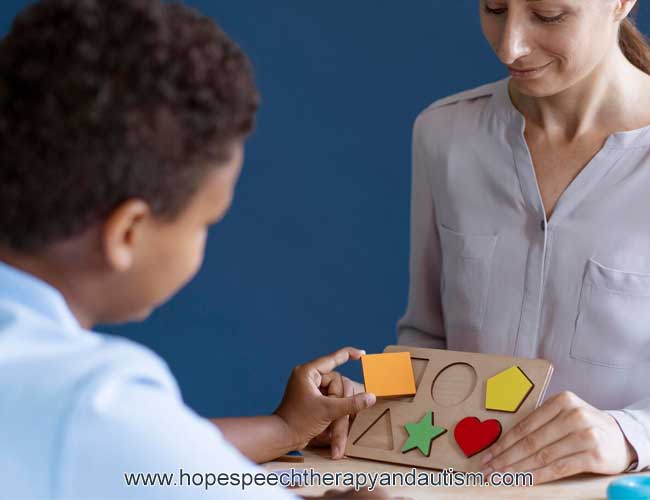
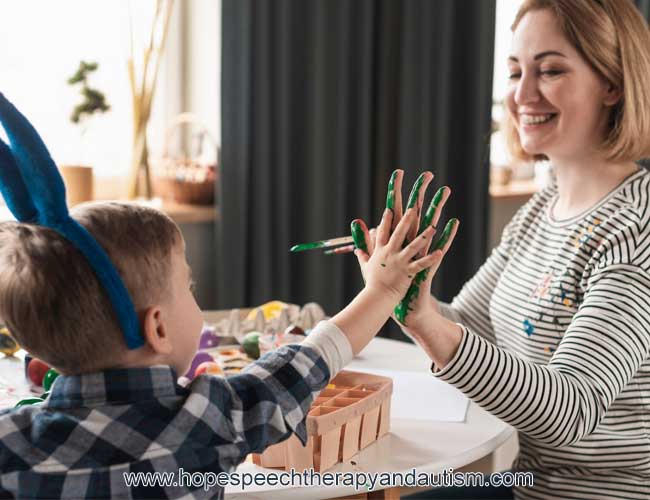


Hope Centre for Speech Therapy and Autism Treatment provides occupational therapy support that can be tailored to the child's functional goals. For one child, the priority may be fine motor control and handwriting; for another, it may be tolerating everyday sounds, improving dressing skills, or participating more successfully in classroom routines. Where sensory processing differences contribute to these difficulties, intervention can be structured around the activities the child actually needs to perform. Online therapy can also involve parent coaching, environmental adjustments, and home-based strategies when these are clinically appropriate. Families searching for a Sensory Integration Therapy Centre in Hamilton should look for an approach that explains the reason behind each intervention and measures whether it improves participation. Hope Centre emphasizes individualized planning so that occupational therapy is connected to practical outcomes rather than being treated as a collection of unrelated sensory activities.
What Is CBT, and When Can Cognitive Behavioral Therapy Help?
Cognitive Behavioral Therapy, commonly called CBT, is a structured psychological treatment that examines the relationship between thoughts, feelings, and behaviours. It is used for several concerns, including anxiety and mood-related difficulties, and can be adapted for children and young people when developmentally appropriate. CBT does not mean simply telling someone to think positively. A therapist may help a person recognize patterns that contribute to distress, learn coping strategies, gradually approach situations that cause excessive fear when appropriate, and practise more helpful responses. For children with autism, CBT may be adapted using concrete language, visual supports, predictable routines, and examples connected to the child's communication style and daily experiences. Families considering CBT in Hamilton should ensure that the practitioner is appropriately qualified and that the treatment is based on an assessment of the individual's needs rather than assuming that every emotional or behavioural challenge requires the same intervention.

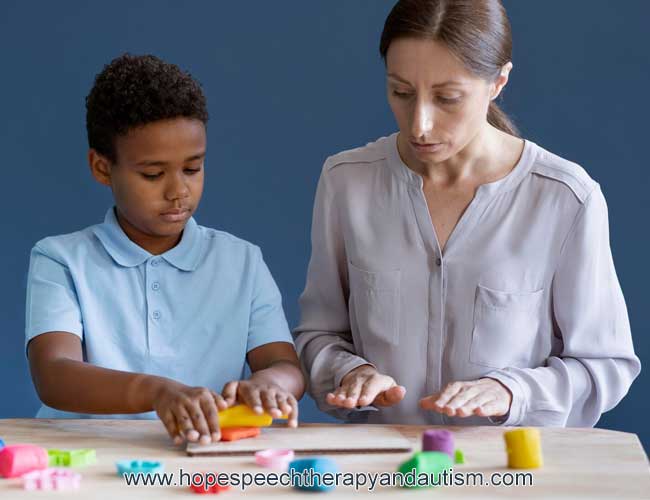

Hope Centre for Speech Therapy and Autism Treatment approaches CBT with attention to communication ability, developmental level, and the situations that are actually causing difficulty. A child may need help identifying emotions, understanding the connection between a thought and a reaction, handling changes in routine, managing worries, or developing practical coping strategies. Sessions can be structured so that skills are practised repeatedly and then transferred into home and school situations. Online CBT can be convenient for families in Hamilton because therapy takes place in a familiar environment, although suitability should always be discussed with the treating professional. Hope Centre aims to provide supportive, goal-oriented intervention rather than relying on generic advice. Progress can be reviewed through observable changes in coping, participation, emotional understanding, and day-to-day functioning, helping families see whether the selected strategies are producing useful results.
What Is Hearing Aid Treatment, and How Can You Find the Best Hearing Aid Centre in Hamilton?
Hearing aid treatment begins with identifying the type and degree of hearing loss through appropriate hearing assessment. Hearing aids are electronic devices that amplify and process sound according to an individual's hearing needs, but they are not a universal solution for every type of hearing difficulty. Symptoms that warrant a hearing evaluation can include frequently asking others to repeat themselves, difficulty understanding speech in noisy places, turning the television volume unusually high, missing sounds, or experiencing difficulty following conversations. In children, inconsistent responses to speech or sound can also affect communication and learning and should be professionally assessed. In Ontario, eligible residents may receive assistance toward hearing devices through the Assistive Devices Program, subject to programme criteria. Families should therefore consider both clinical suitability and available funding when exploring Hearing Aid Treatment in Hamilton, particularly when treatment is being considered for a child whose hearing may affect speech and language development.
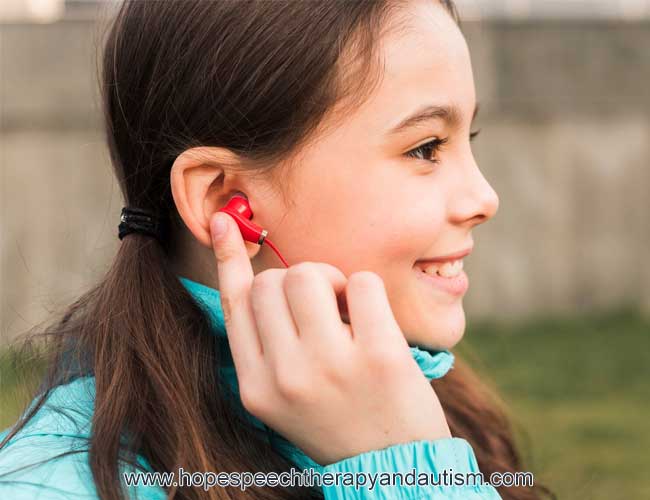
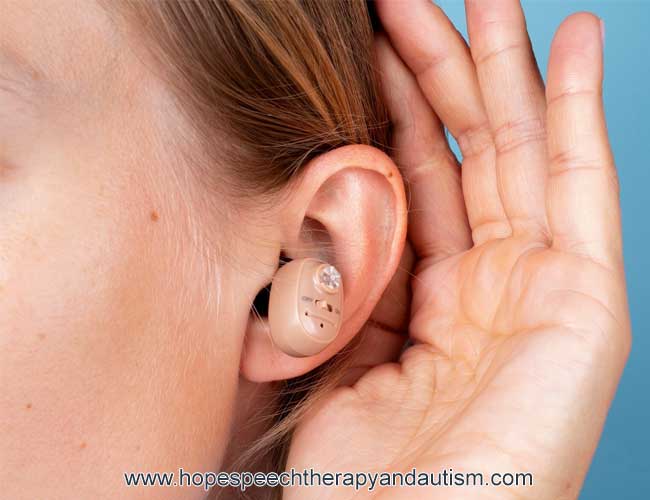
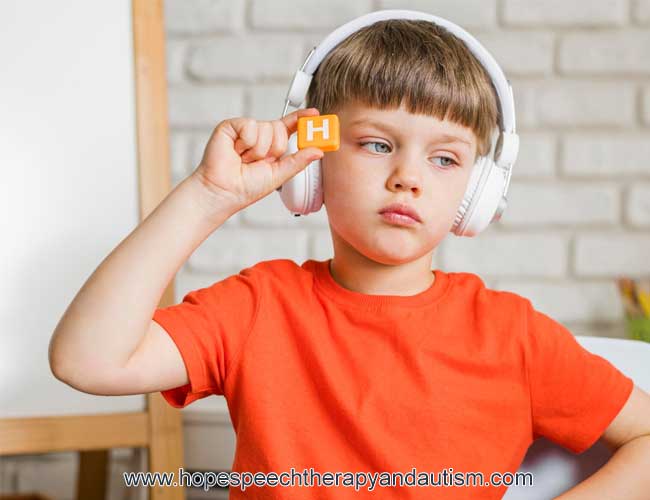

Hope Centre for Speech Therapy and Autism Treatment understands that hearing and communication can be closely connected, particularly for children who are developing speech and language skills. The centre can help families understand the importance of hearing assessment and the relationship between hearing access, communication practice, and educational participation. When hearing aids are recommended by an appropriately qualified hearing professional, successful treatment involves more than selecting a device; fitting, adjustment, follow-up, and consistent use are important parts of the process. Families searching for a Hearing Aid Centre in Hamilton should also ask about assessment, device options, aftercare, and how hearing support can be coordinated with speech therapy when needed. Hope Centre's integrated perspective allows communication goals to remain part of the wider support plan, helping families address hearing-related needs alongside speech, language, learning, and developmental concerns when appropriate.
Are You Ready to Choose the Right Therapy Support in Hamilton?
Choosing therapy is easier when the decision is based on a clear understanding of the individual's needs rather than on a list of services alone. Speech therapy can address communication difficulties, autism intervention can support development and participation, academic therapy can strengthen learning skills, occupational therapy can improve functional independence, CBT can build practical coping strategies, and hearing services can address hearing-related barriers to communication. For families in Hamilton, online access can add flexibility while still allowing structured professional guidance and parent participation. Hope Centre for Speech Therapy and Autism Treatment brings these areas together with individualized planning and a focus on meaningful everyday outcomes. If you are concerned about speech, communication, learning, behaviour, sensory needs, or hearing, taking the next step can begin with discussing the person's current challenges and goals with an appropriate professional. Contact Hope Centre for Speech Therapy and Autism Treatment to explore suitable assessment and therapy options for your family.