
Are You Looking for an Online Autism Treatment & Speech Therapy Centre in Dublin?
Finding the right support for communication, learning, behaviour, sensory needs, or hearing can be difficult when families are trying to understand several therapy options at once. An Online Autism Treatment & Speech Therapy Centre in Dublin can make specialist guidance more accessible, particularly for families who prefer flexible appointments from home. Effective therapy should not be based on a one-size-fits-all programme. A proper assessment should identify the person's current abilities, challenges, communication style, learning needs, and practical goals before treatment begins. In Dublin, families may also need to understand how private therapy can complement existing services and supports available through Ireland's health and education systems. Hope Centre for Speech Therapy and Autism Treatment provides structured online support across speech therapy, autism intervention, academic therapy, occupational and sensory integration therapy, CBT, and hearing-related guidance, helping families work towards practical improvements that can be carried into everyday life.
What Is Speech Therapy, and What Symptoms Can It Treat?
Speech therapy addresses difficulties involving speech sounds, language, communication, fluency, voice, and social communication. A child may need assessment when they have limited vocabulary, difficulty forming sentences, unclear speech, trouble understanding instructions, frequent communication breakdowns, or difficulty using language appropriately with others. Adults can also benefit when communication changes after neurological conditions or other difficulties. A Speech Treatment Centre in Dublin should begin with an individual assessment rather than assuming that every communication delay has the same cause. Treatment may include language-building activities, articulation practice, vocabulary development, comprehension work, fluency strategies, or alternative and augmentative communication when appropriate. The therapist should also consider hearing, developmental history, family concerns, and the person's everyday communication environment when planning goals.


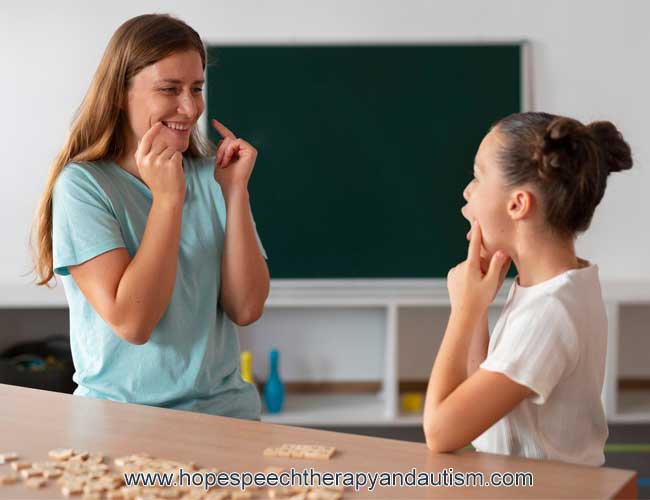
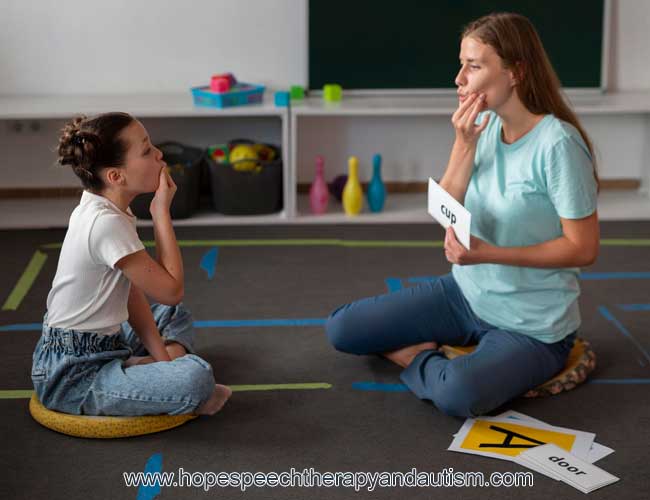
Hope Centre for Speech Therapy and Autism Treatment focuses on functional communication rather than simply completing exercises during a session. Its speech therapy approach can target expressive and receptive language, pronunciation, communication confidence, and social interaction according to the person's individual needs. Online sessions can also help parents observe techniques and understand how to practise communication skills naturally during meals, play, schoolwork, and daily conversations. For families searching for Speech Therapy Services in Dublin, this format can reduce travel demands while maintaining regular professional input. Consistent practice is important because communication skills develop through repeated use across different settings, not only during therapy appointments. Progress should therefore be reviewed against clear goals, with strategies adjusted when the person's needs or abilities change.
What Is Autism, and What Symptoms and Treatments Should Families Understand?
Autism is a neurodevelopmental condition associated with differences in social communication and interaction, together with restricted or repetitive patterns of behaviour, interests, or activities. Signs vary considerably between individuals. Some children may have delayed spoken language, difficulty with back-and-forth interaction, repetitive movements, intense interests, distress around changes, or unusual responses to sounds, textures, or other sensory experiences. Some autistic people have strong language and academic abilities while still experiencing substantial difficulties with social communication or sensory regulation. Autism is not diagnosed from a single symptom or online checklist. A qualified multidisciplinary assessment considers developmental history and observed behaviour. An Autism Treatment Centre in Dublin should therefore focus on individual strengths and support needs rather than trying to make every autistic person behave in the same way.

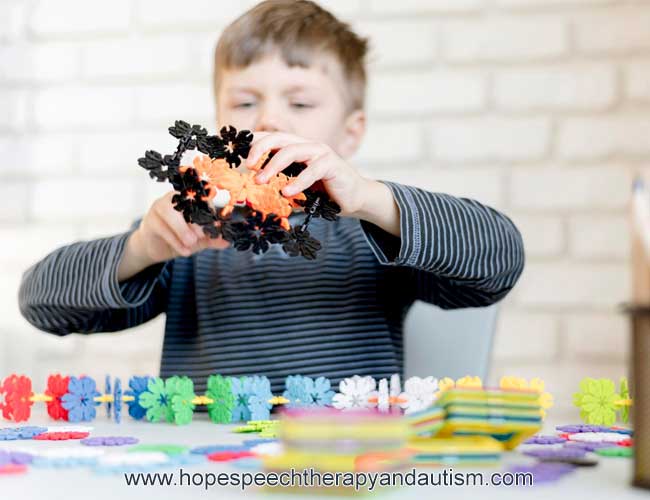
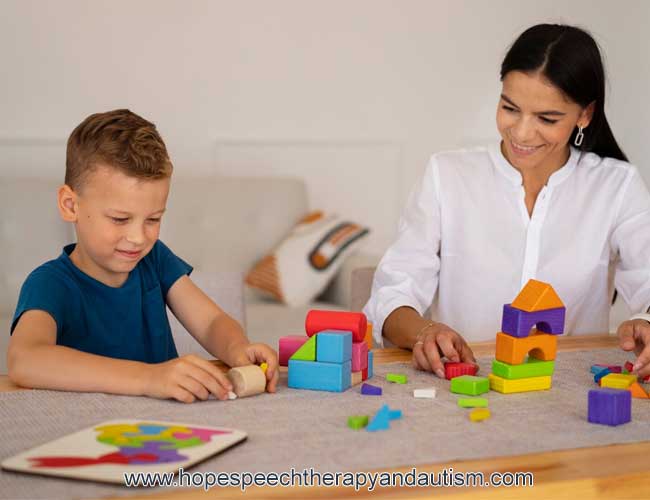
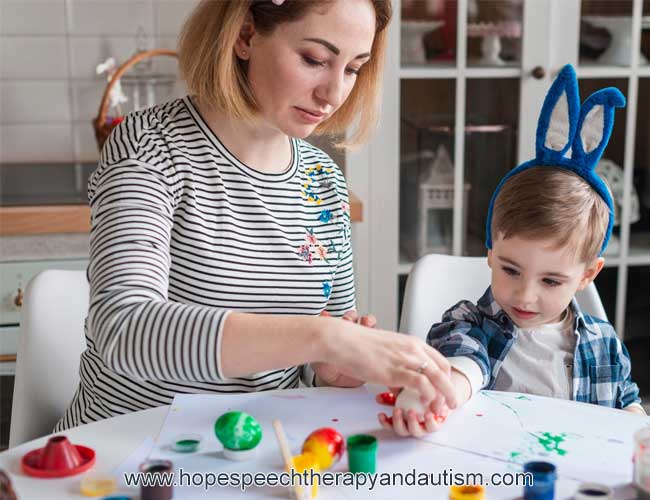
Hope Centre for Speech Therapy and Autism Treatment provides structured intervention designed around the child's communication, learning, independence, and participation goals. Autism support may combine speech and language therapy, behavioural strategies, academic assistance, occupational therapy, sensory approaches, and parent guidance when these services are appropriate. The aim is not to remove autistic identity but to develop useful skills, reduce barriers, and support greater independence and participation in family, school, and community life. For families seeking Autism Therapy Services in Dublin, online sessions can provide continuity when attending appointments in person is difficult. Parents can also learn practical ways to support communication, routines, emotional regulation, and skill development between sessions, making therapy more consistent with the child's everyday environment.
What Are Special Education and Academic Therapy, and Who Can Benefit?
Special education and academic therapy provide targeted educational support when a learner has difficulty accessing or progressing through ordinary classroom instruction. The focus can include reading, spelling, writing, mathematics, attention, study skills, comprehension, organisation, and other academic abilities. The right approach depends on the learner's profile rather than simply their school year or age. In Ireland, children may receive educational supports through their schools and the wider special education system, while families may also seek private therapeutic or academic assistance for specific learning needs. A Special Education and Academic Therapy Centre in Dublin can complement these arrangements by identifying areas of difficulty and providing structured, individualised teaching. Assessment is particularly useful because academic struggles may arise from different factors, including language difficulties, learning differences, attention challenges, or gaps in foundational skills.
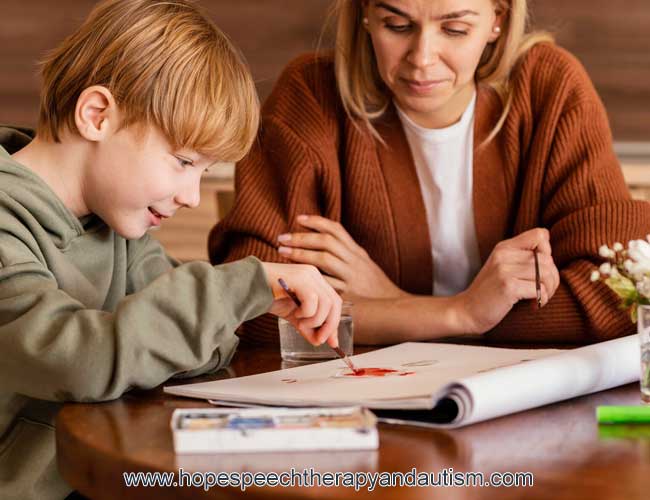

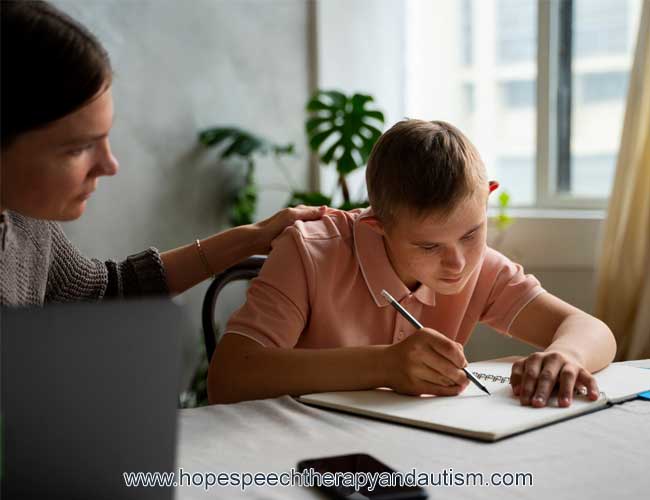
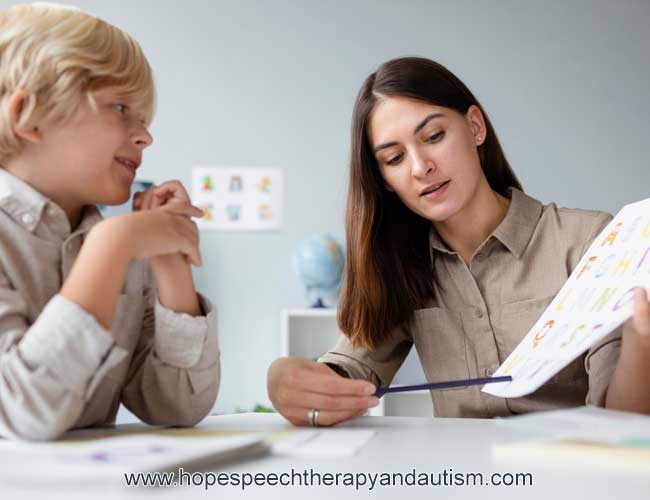
Hope Centre for Speech Therapy and Autism Treatment can support learners through individualised academic goals and carefully paced instruction. Instead of concentrating only on marks, academic therapy can work on the underlying skills needed for successful learning, such as understanding instructions, building language, developing literacy foundations, improving concentration, and completing tasks independently. This is especially valuable when a child's communication or developmental needs affect classroom participation. Families looking for Academic Therapy in Dublin can use online sessions as an additional source of structured practice alongside school-based education. Regular communication between parents, therapists, and educators can help ensure that strategies are realistic and consistent. The strongest programmes also monitor progress over time, allowing teaching methods and goals to be changed when a learner responds differently than expected.
What Is Occupational Therapy and Sensory Integration Therapy, and When Can They Help?
Occupational therapy helps people develop the skills needed to participate more independently in everyday activities. For children, this may involve dressing, feeding, handwriting, classroom participation, play, motor coordination, or managing daily routines. Sensory integration approaches may be considered when a person has significant difficulties processing or responding to sensory information, such as sounds, movement, touch, or visual input. Sensory differences are common, but not every sensory preference requires therapy, so assessment should connect intervention to meaningful functional difficulties. A Top Occupational Therapy / Sensory Integration Therapy Centre in Dublin should look at how sensory, motor, attention, and environmental factors affect real activities. Treatment may then involve graded activities, environmental adaptations, motor practice, and strategies that help the person participate more effectively at home, school, or work.
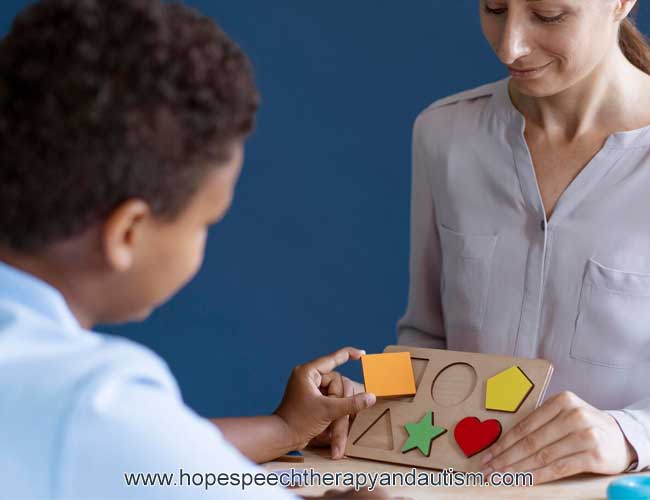
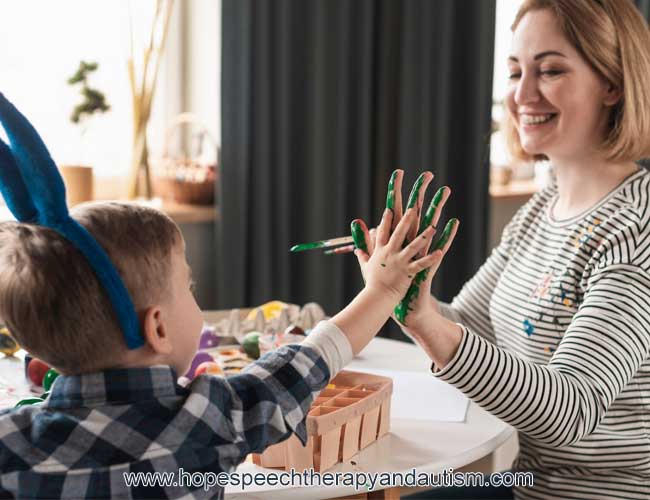


Hope Centre for Speech Therapy and Autism Treatment takes a practical approach by connecting therapy goals with the person's everyday functioning. Occupational therapy may help children work on fine motor skills, coordination, self-care, classroom readiness, and participation, while sensory strategies can be introduced when assessment indicates that sensory processing is affecting daily activities. For families considering Occupational Therapy in Dublin, online guidance can also be useful for teaching parents how to structure activities and adapt routines at home. The therapist can demonstrate exercises or strategies and help families understand how to use them safely and consistently. Progress should be judged by functional changes, such as improved participation in dressing, school tasks, play, or other daily activities, rather than by completing sensory activities for their own sake.
What Is CBT, and When Can Cognitive Behavioral Therapy Help?
Cognitive Behavioral Therapy, commonly called CBT, is a structured psychological treatment that examines connections between thoughts, feelings, behaviours, and situations. It is commonly used for concerns such as anxiety and other emotional or behavioural difficulties, although suitability depends on the individual and the specific problem being addressed. CBT can teach practical skills for recognising unhelpful thinking patterns, managing emotional responses, approaching difficult situations gradually, and developing healthier coping behaviours. For children and young people, therapy is usually adapted to their developmental level, communication abilities, and understanding. A Cognitive Behavioral Therapy Centre in Dublin should therefore assess the person's needs before selecting techniques. When autism or communication differences are also present, the therapist may need to adapt language, visual supports, pacing, and examples so that the intervention is genuinely accessible.

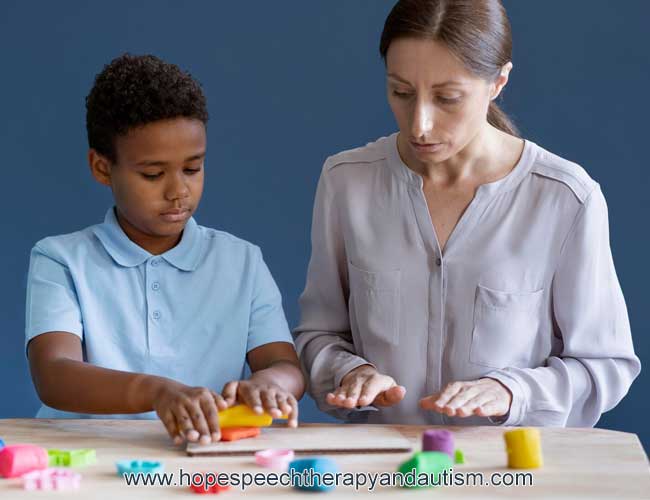
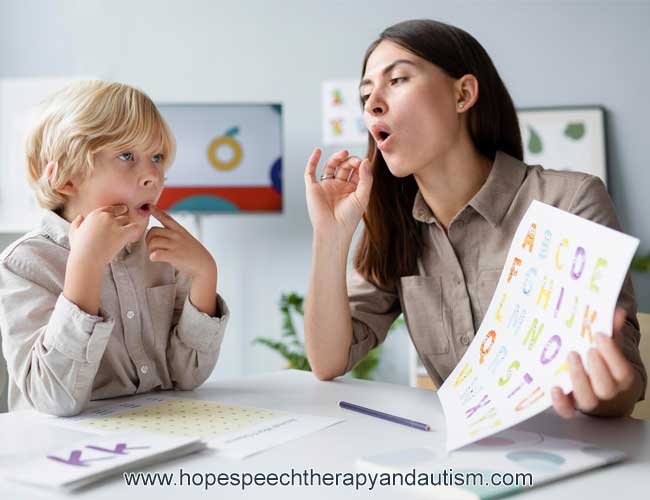

Hope Centre for Speech Therapy and Autism Treatment provides CBT-informed support with an emphasis on practical coping and emotional regulation skills where clinically appropriate. Sessions can be adapted to the person's age, communication profile, and ability to understand abstract ideas, using straightforward explanations and structured activities when helpful. For people searching for Cognitive Behavioral Therapy in Dublin, online sessions may offer a convenient way to maintain continuity while practising strategies in the environment where challenges actually occur. CBT is not simply positive thinking; effective treatment involves identifying specific patterns, practising evidence-based strategies, and reviewing whether those strategies are helping. When emotional difficulties are complex or require medical assessment, appropriate referral to qualified mental health or medical professionals remains an important part of responsible care.
What Is Hearing Aid Treatment, and Where Can You Find a Hearing Aid Centre in Dublin?
Hearing aid treatment begins with identifying and measuring hearing loss rather than selecting a device based only on symptoms. A comprehensive hearing assessment can determine the type and degree of hearing difficulty and whether referral to an audiologist, ENT specialist, or other hearing professional is required. Hearing aids are electronic devices that amplify and process sound according to the user's hearing needs, and modern devices can be adjusted to improve listening in different environments. Symptoms that may indicate a need for hearing assessment include frequently asking others to repeat themselves, difficulty following conversations in background noise, turning the television volume higher than others prefer, or struggling to hear certain sounds. A Hearing Aid Treatment Centre in Dublin should provide appropriate assessment, device selection, fitting, follow-up, and guidance rather than treating hearing aids as a simple one-time purchase.
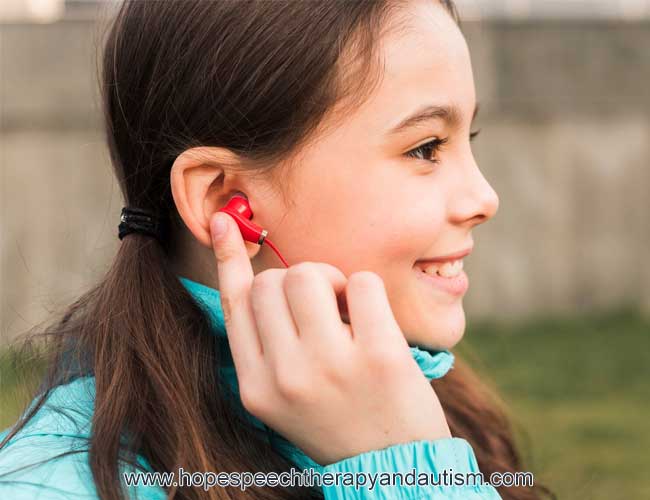
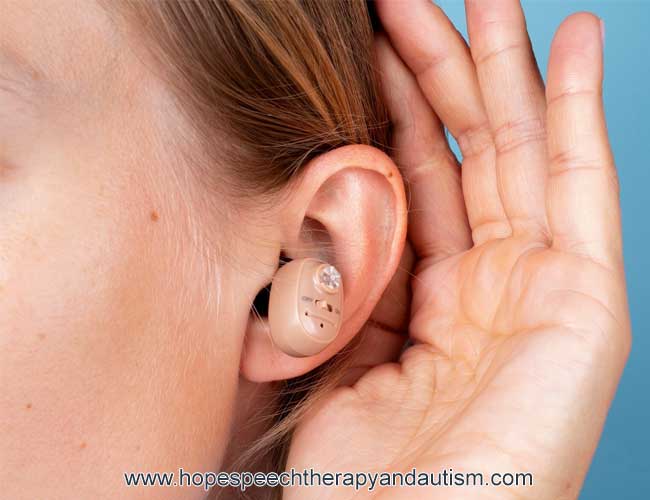
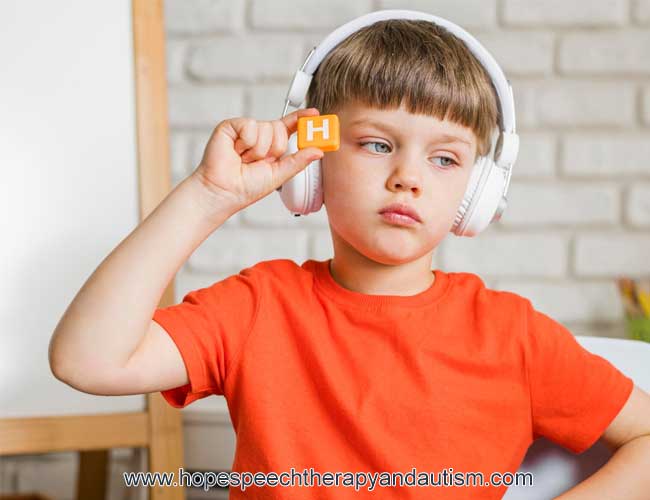

Hope Centre for Speech Therapy and Autism Treatment recognises that hearing and communication are closely connected, particularly for children whose speech or language development may be affected by reduced access to sound. The centre can provide guidance around hearing-related needs and help families understand when specialist hearing assessment or device-based support should be pursued. For families looking for a Hearing Aid Centre in Dublin, it is important to choose qualified hearing professionals for diagnostic testing, fitting, programming, and follow-up care. Children with hearing difficulties may also benefit from coordinated speech and language support after their hearing needs are addressed. Consistent monitoring matters because hearing needs can change over time, and a hearing aid that was suitable initially may require adjustment as the user grows or listening environments change.
Are You Ready to Choose the Right Therapy Support in Dublin?
Choosing therapy becomes easier when families focus on the person's actual needs rather than searching for a single solution that promises to address everything. Speech and language difficulties may require communication-focused intervention, while autism support can involve several complementary therapies. Academic therapy can strengthen learning skills, occupational therapy can improve participation in daily activities, CBT can support emotional and behavioural coping, and hearing services can address barriers caused by hearing loss. These services work best when goals are specific, progress is reviewed, and parents or caregivers understand how to continue useful strategies outside sessions. Hope Centre for Speech Therapy and Autism Treatment brings these areas of support together through structured programmes designed around individual needs. If you are searching for an Online Autism Treatment & Speech Therapy Centre in Dublin, contact Hope Centre to discuss your concerns, understand the available therapy options, and take the next practical step towards appropriate support.