
Are You Looking for an Online Autism Treatment & Speech Therapy Centre in Columbus?
Finding the right support for communication, learning, behaviour, sensory needs, and hearing can be difficult when several services are needed at the same time. Families in Columbus can access a broad network of developmental and therapeutic services, but the most useful approach is one that begins with an individual assessment and connects therapy goals with everyday life. An Online Autism Treatment & Speech Therapy Centre in Columbus can make professional guidance more accessible while helping families maintain regular routines at home. Speech-language therapy, autism-focused intervention, academic support, occupational therapy, CBT, and hearing care may all play different roles depending on the person’s needs. This article explains what each service involves, what signs may indicate a need for support, and how Hope Centre for Speech Therapy and Autism Treatment can provide structured, personalised assistance for families seeking practical and consistent care.
Columbus also has established local services that demonstrate the importance of multidisciplinary care. For example, Nationwide Children’s Hospital provides speech-language evaluation and treatment for children through age 21 and addresses areas including articulation, receptive and expressive language, fluency, autism, hearing, feeding, and alternative communication. Local autism providers also combine speech, occupational therapy, educational support, behavioural services, and family involvement rather than treating every difficulty in isolation. Hope Centre follows the same practical principle by focusing on the individual rather than relying on a one-size-fits-all programme. With online access, families can work on clearly defined goals, practise recommended activities between sessions, and maintain communication with professionals without making every appointment dependent on travel.
What Is Speech Therapy, What Are Its Symptoms and How Is It Treated?
Speech therapy is professional assessment and treatment for difficulties involving speech, language, communication, voice, fluency, and related functions. A child may need assessment because of unclear pronunciation, limited vocabulary, difficulty understanding instructions, delayed language, stuttering, difficulty forming sentences, or problems using communication appropriately with other people. Some children with autism may also have difficulty with social communication, conversational turn-taking, gestures, or understanding non-literal language. Treatment is not limited to teaching someone to pronounce sounds correctly. A speech-language pathologist may work on receptive and expressive language, articulation, fluency, social communication, voice, oral-motor or feeding concerns, and augmentative or alternative communication when appropriate. In Columbus, specialised speech services illustrate the value of comprehensive assessment rather than assuming that every communication difficulty has the same cause.

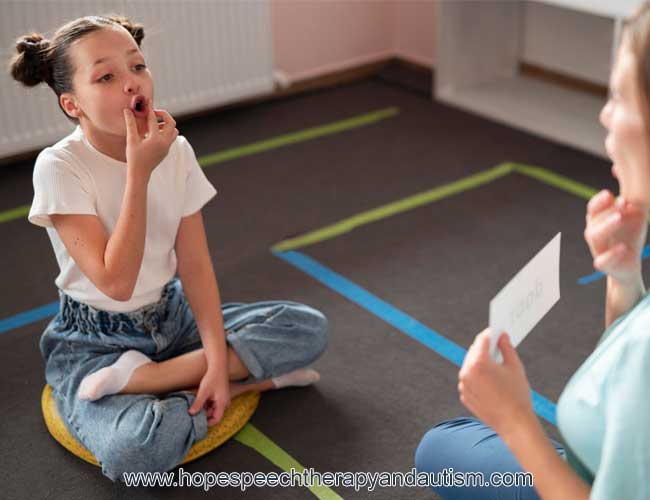
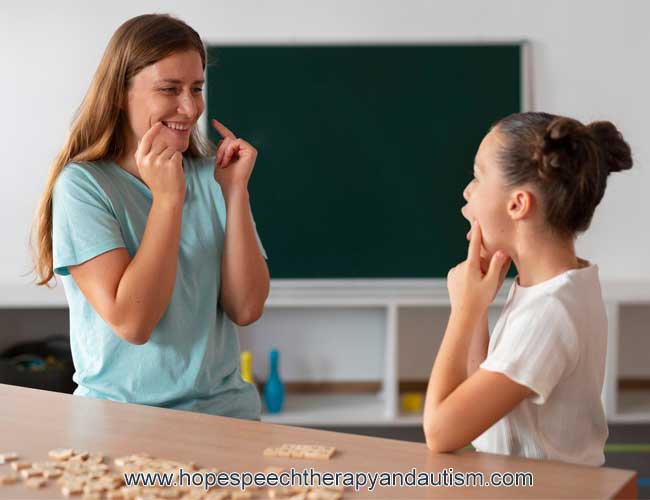
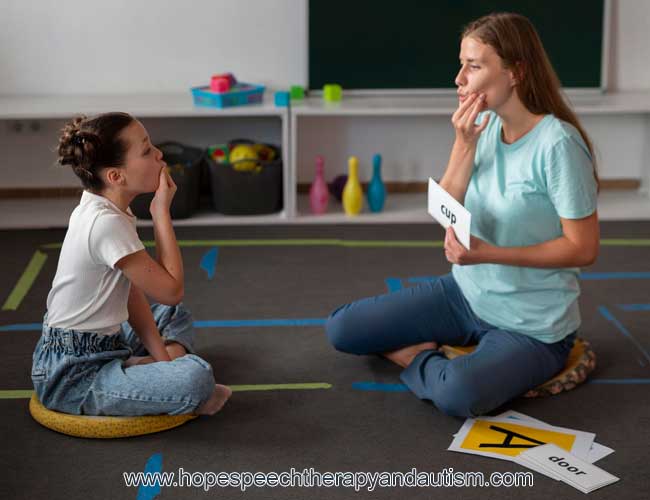
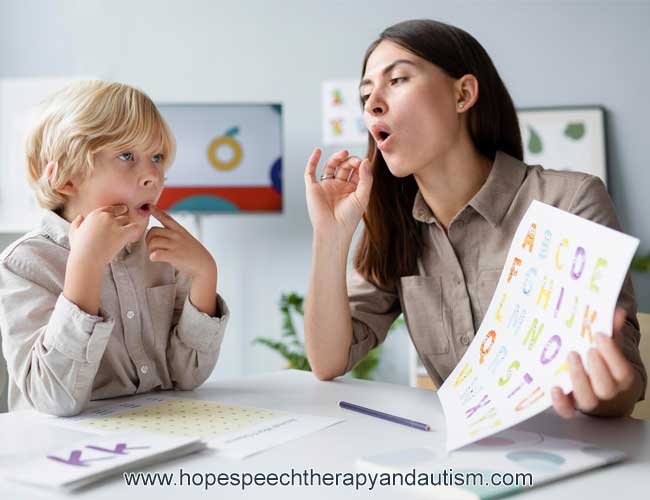
Hope Centre for Speech Therapy and Autism Treatment uses speech therapy to turn assessment findings into functional communication goals. Depending on the individual, sessions may address pronunciation, vocabulary, comprehension, sentence development, social interaction, conversational skills, or communication through an appropriate AAC system. Online therapy can also be useful when a child can participate effectively through a secure video session and a caregiver can support activities between appointments. The important measure is not simply how many exercises are completed during a session, but whether communication becomes more effective at home, in education, and in the community. Families can also benefit from clear home strategies so that therapy continues beyond the scheduled appointment and skills are practised naturally throughout the week.
What Is Autism, What Are Its Symptoms and How Is It Treated?
Autism, or autism spectrum disorder, is a neurodevelopmental condition associated with differences in social communication and interaction together with restricted or repetitive behaviours, interests, or activities. Signs vary considerably from one person to another. A child may have delayed spoken language, difficulty responding to social cues, challenges with back-and-forth interaction, repetitive movements, intense interests, a strong preference for routines, or unusual responses to sensory input. Autism is not identified from one behaviour alone, and an online therapy session should not be confused with a diagnostic assessment. Proper diagnosis requires evaluation by qualified professionals using developmental history, observation, and appropriate assessment methods. Treatment is therefore best understood as individual support for identified needs rather than an attempt to change a person’s identity. Columbus has multidisciplinary autism programmes that combine behavioural, speech, occupational, educational, and mental-health services for children and young adults.


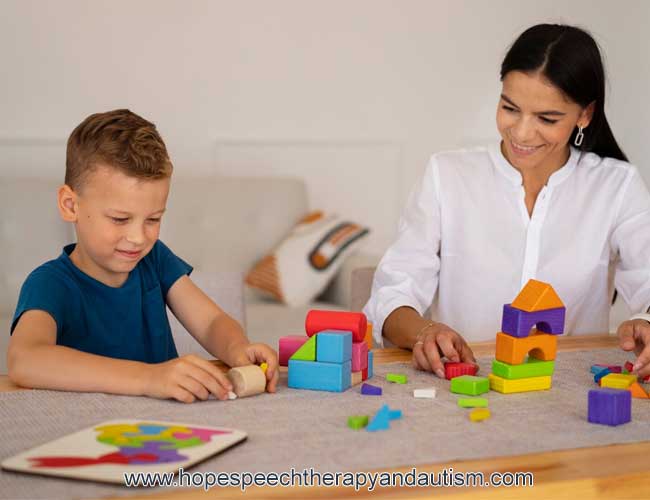
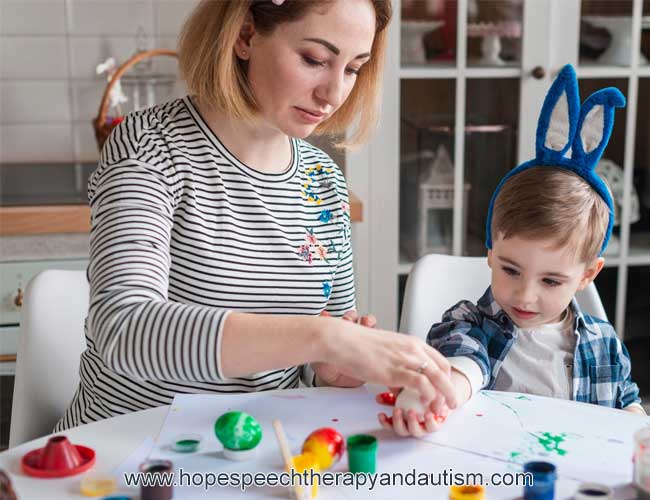
Hope Centre for Speech Therapy and Autism Treatment focuses on practical goals that can improve participation and independence. Support may include communication development, social interaction, behaviour support, emotional regulation, daily routines, caregiver coaching, and coordination with educational goals. For a child who finds transitions difficult, the plan may concentrate on predictable routines and communication strategies; for another child, the priority may be functional language or social communication. This individualised approach matters because autism does not look the same in every person. Families in Columbus can also see the value of programmes that connect services across settings, including home, school, and community environments. Effective support should respect strengths while addressing challenges that interfere with learning, communication, relationships, or everyday independence.
What Is Special Education and Academic Therapy?
Special education provides specially designed instruction and related services for students whose disability affects their educational needs, while academic therapy focuses more directly on the skills required for learning and school participation. A student may need support with reading, writing, mathematics, attention, language processing, organisation, executive functioning, or classroom communication. The Individualized Education Program, commonly called an IEP, is an important part of special education in the United States because it establishes individual educational goals and the services required to support the student. Academic intervention should therefore be based on the learner’s actual difficulties rather than simply giving additional worksheets. In Columbus, specialised programmes demonstrate how educational instruction can be combined with speech, occupational therapy, behavioural support, and transition planning for students with developmental needs.

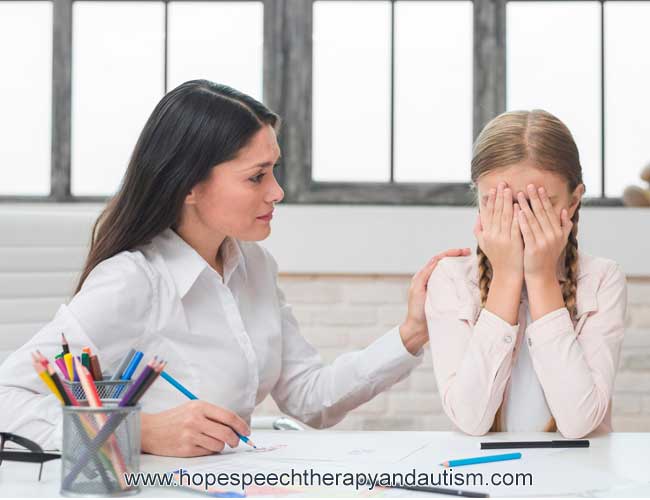
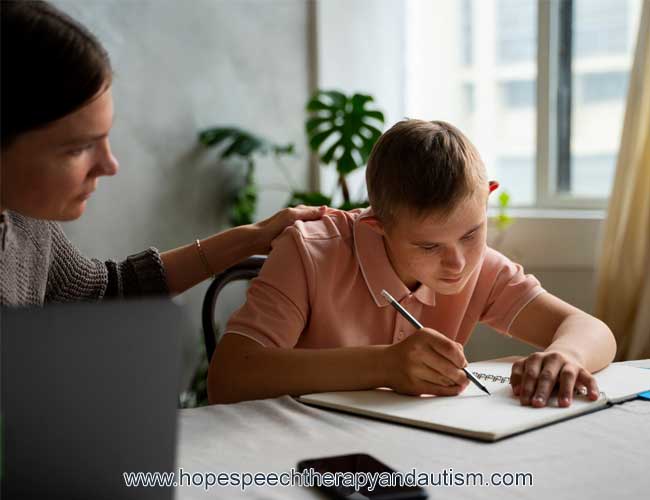
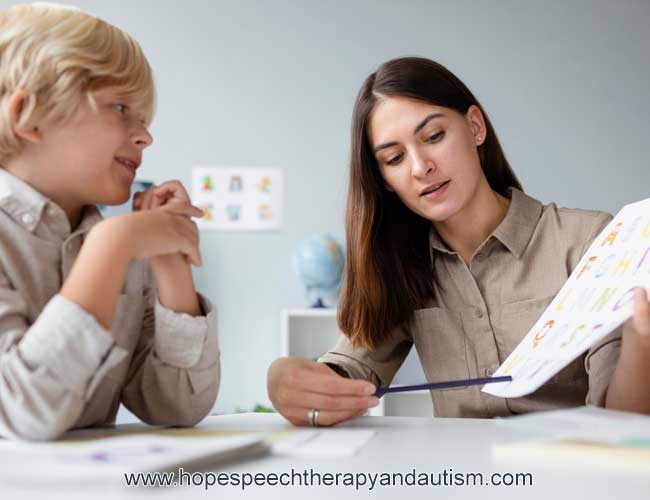
Hope Centre for Speech Therapy and Autism Treatment can support academic development by connecting therapeutic goals with practical learning needs. A child who struggles to follow verbal instructions may need language support alongside academic teaching, while a student with weak fine-motor skills may need occupational strategies that make writing and classroom tasks easier. Academic therapy can also reinforce foundational literacy, numeracy, attention, organisation, and study routines according to the learner’s assessed needs. The aim is not to replace a school’s responsibilities but to provide focused support that complements educational planning. Families can share relevant reports and school goals with therapists so that intervention remains coordinated and measurable. This approach gives parents a clearer picture of progress and helps the child practise useful skills across therapy, home, and educational environments.
What Is Occupational Therapy / Sensory Integration Therapy, What Are Its Symptoms and How Is It Treated?
Occupational therapy helps people develop or improve the skills needed to participate in everyday activities. For children, this may include dressing, feeding, handwriting, play, fine-motor tasks, school routines, self-care, and functional participation. Some children also experience sensory processing differences, such as becoming overwhelmed by sounds, touch, movement, lights, or busy environments, while others may seek particular sensory experiences. These signs can interfere with attention, regulation, learning, or daily routines, but they should be assessed in context rather than assuming that every sensory behaviour requires the same intervention. Occupational therapists evaluate functional performance and develop goals around meaningful activities. Columbus providers offer OT alongside speech and other developmental services, reflecting the benefit of multidisciplinary care for children with communication, sensory, motor, and developmental needs.
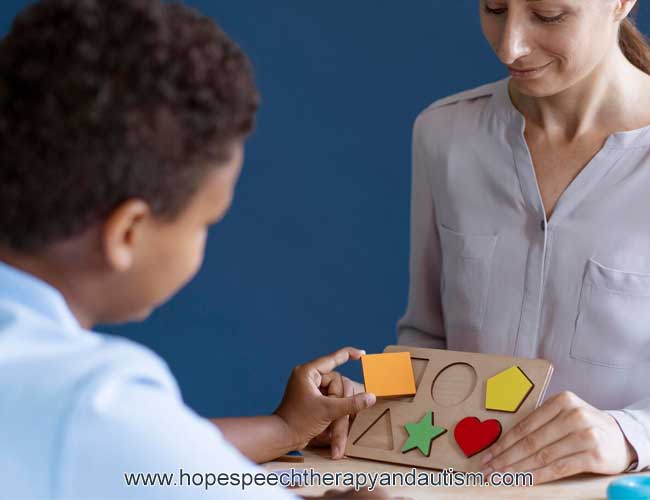
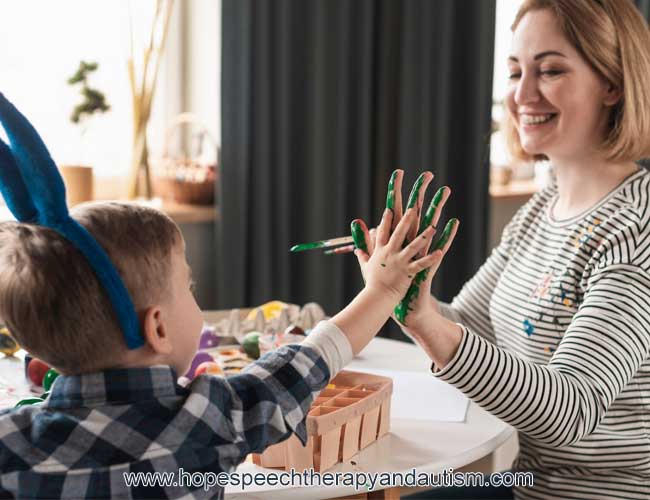


Hope Centre for Speech Therapy and Autism Treatment approaches occupational therapy around functional outcomes rather than isolated exercises. Depending on the assessment, intervention may address fine-motor control, handwriting readiness, self-care, attention during tasks, motor planning, sensory regulation, or participation in everyday routines. Sensory strategies should be selected according to the individual’s needs and monitored for their effect on real-life participation. Online occupational therapy may involve caregiver coaching, environmental adjustments, activity demonstrations, and structured home practice when the individual can safely and effectively participate remotely. For families in Columbus, this can be particularly useful when therapy goals need to be reinforced between professional sessions. The strongest plans are specific, measurable, family-supported, and connected to activities the child actually needs to complete.
What Is CBT – Cognitive Behavioral Therapy, What Are Its Symptoms and How Is It Treated?
Cognitive Behavioral Therapy, commonly known as CBT, is a structured psychological treatment that examines the relationship between thoughts, emotions, and behaviours. It is commonly used for conditions such as anxiety and depression and can also help people develop practical coping and problem-solving skills when appropriately adapted. A child may show signs such as persistent worry, avoidance, difficulty managing frustration, negative thought patterns, emotional outbursts, or distress around particular situations. CBT does not treat autism itself, but adapted CBT may help autistic children, adolescents, and adults address co-occurring anxiety or emotional difficulties. The treatment normally involves identifying specific patterns, learning alternative coping strategies, practising skills, and reviewing progress. A careful assessment is important because communication level, developmental stage, sensory needs, and cognitive profile can affect how therapy should be delivered.

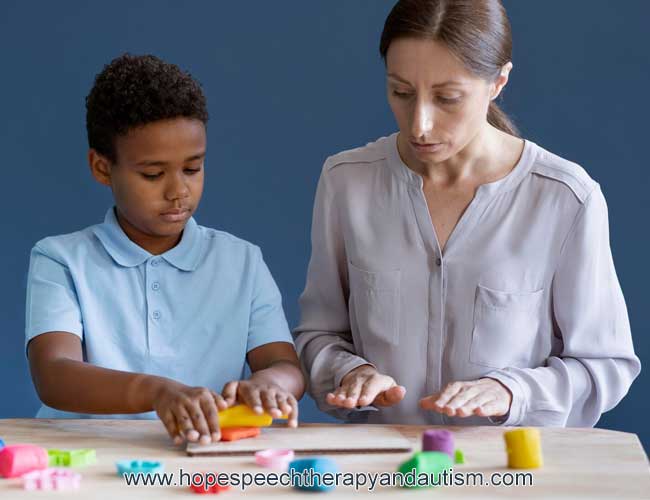

Hope Centre for Speech Therapy and Autism Treatment can make CBT more practical by connecting emotional goals with situations that occur in daily life. For example, therapy may help an individual recognise anxious thoughts, understand physical signs of stress, practise calming strategies, prepare for changes in routine, or gradually develop confidence in situations that trigger avoidance. When CBT is provided online, the therapist can work with caregivers and the individual to practise strategies in familiar environments rather than discussing every situation only inside a clinic. The plan should remain personalised and developmentally appropriate, with progress reviewed over time. Where significant mental-health symptoms are present, families should seek assessment from an appropriately licensed mental-health professional so that CBT and any additional support are selected according to the person’s clinical needs.
What Is Hearing Aid Treatment, What Are Its Symptoms and How Can You Find the Best Hearing Aid Centre in Columbus?
Hearing aid treatment begins with identifying the type and degree of hearing loss rather than simply choosing a device. Common signs of hearing difficulty can include frequently asking others to repeat themselves, difficulty understanding speech in background noise, increasing television volume, delayed responses to spoken instructions, or difficulty following conversations. A hearing evaluation by a qualified audiologist is essential because hearing aids are selected and programmed according to an individual’s hearing profile. Hearing rehabilitation may also include counselling, communication strategies, follow-up adjustments, and other assistive options when appropriate. Columbus has established audiology resources that provide hearing evaluations, hearing-aid services, and cochlear implant-related care. Columbus Speech and Hearing, for example, reports audiology evaluation and treatment services as part of its local programme.
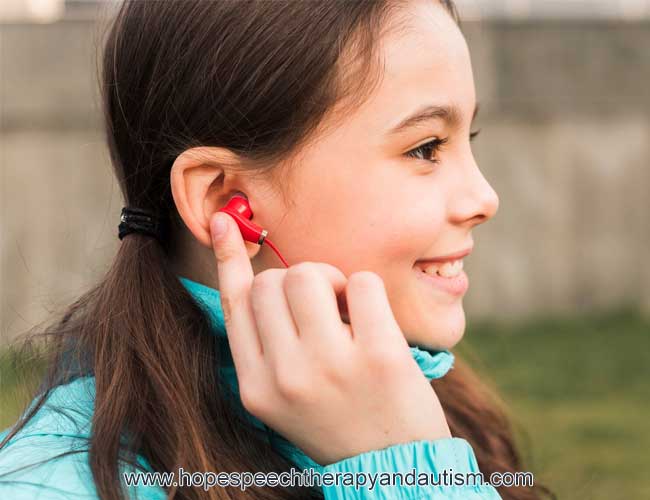
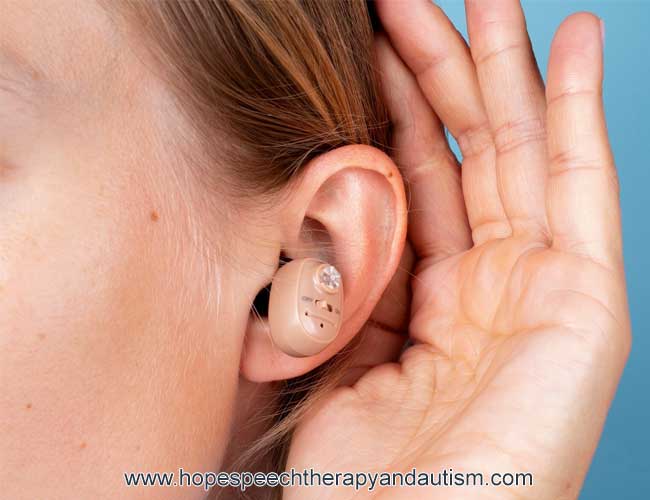
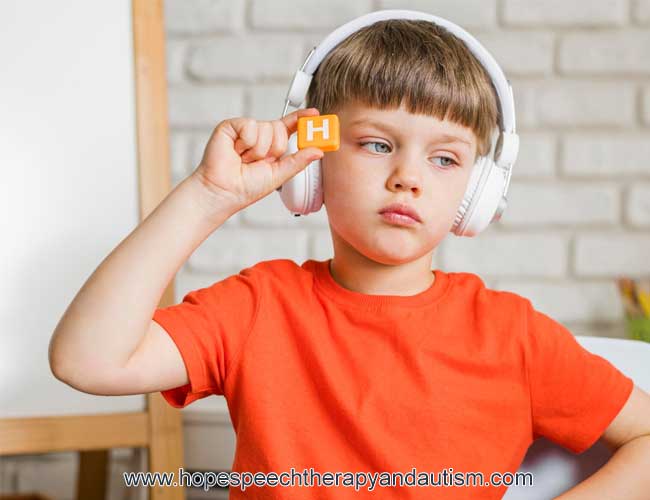

Hope Centre for Speech Therapy and Autism Treatment recognises that hearing and communication are closely connected, particularly for children who are developing language and learning skills. Appropriate hearing support can make it easier for a child to access spoken communication, participate in therapy, and engage with educational instruction. However, hearing aids should always be recommended, fitted, and monitored following a professional hearing assessment. Families in Columbus looking for an Online Autism Treatment & Speech Therapy Centre in Columbus can use online consultation to discuss communication concerns, therapy needs, and next steps, while in-person audiology services may still be required for hearing testing and device fitting. Hope Centre can help families understand which services may be appropriate and coordinate therapy goals around communication, learning, and everyday participation.
Are You Ready to Choose the Right Online Autism Treatment & Speech Therapy Centre in Columbus?
Choosing therapy is not simply about finding the longest list of services. Families should look for qualified professionals, individual assessment, clear treatment goals, regular progress reviews, appropriate caregiver involvement, and communication between different areas of care. Columbus already has a strong ecosystem of developmental services, including programmes that combine speech therapy, occupational therapy, education, behavioural support, and mental-health services. Hope Centre for Speech Therapy and Autism Treatment builds on this multidisciplinary principle by providing personalised support designed around the individual’s communication, developmental, educational, behavioural, sensory, and functional goals.
If you are searching for an Online Autism Treatment & Speech Therapy Centre in Columbus, the next step is to discuss your child’s or family member’s specific concerns rather than waiting for difficulties to become more complicated. Hope Centre for Speech Therapy and Autism Treatment can help you understand the available therapy options, identify appropriate goals, and develop a practical path forward. Contact Hope Centre to discuss your requirements, ask about online therapy suitability, and take the first step toward consistent, personalised support that can be incorporated into everyday life.