
Are You Looking for an Online Autism Treatment & Speech Therapy Centre in Charlotte?
Finding the right therapy for a child or adult is not simply about choosing the nearest provider. Families in Charlotte often need coordinated support for communication, learning, sensory regulation, emotional wellbeing, and hearing, especially when several developmental needs overlap. Charlotte has a strong network of therapy and educational resources, including speech-language, occupational, autism, psychological, and special education services. Charlotte-Mecklenburg Schools also provides Exceptional Children services, including autism supports, speech and hearing services, occupational therapy, and individualized education planning.
An Online Autism Treatment & Speech Therapy Centre in Charlotte can be particularly useful for families who need flexible access to professional guidance without making every appointment a journey across the city. Hope Centre for Speech Therapy and Autism Treatment can support families through individualized therapy planning, structured sessions, caregiver guidance, and coordinated developmental care. The emphasis should remain on practical progress: improving communication, building independence, strengthening learning skills, supporting emotional regulation, and helping therapy strategies carry over into everyday life at home, school, and in the community.
What Is Speech Therapy, and What Symptoms Can It Treat?
Speech therapy is a clinical service that evaluates and treats difficulties involving speech sounds, language, communication, fluency, voice, and related feeding or swallowing concerns. A child may need assessment when speech is difficult to understand, vocabulary is significantly behind expected development, instructions are difficult to understand, sentences are limited, or social communication is challenging. Charlotte-Mecklenburg Schools provides speech-language services for eligible students with concerns involving speech production, language expression and comprehension, fluency, and voice, with services connected to the child’s Individualized Education Program when applicable. For families seeking an Online Autism Treatment & Speech Therapy Centre in Charlotte, online sessions can provide a practical way to continue communication work from home while maintaining structured therapeutic goals.




Hope Centre for Speech Therapy and Autism Treatment can make speech intervention more functional by connecting therapy goals with real communication needs. Sessions may focus on articulation, receptive and expressive language, social communication, functional communication, or alternative communication strategies according to the individual assessment. The important measure is not simply whether a child completes an exercise during a session, but whether communication becomes easier in everyday situations. Charlotte providers also demonstrate that speech services can be delivered in clinic, school, home, or teletherapy settings depending on the provider and individual needs.
What Is Autism, and What Symptoms and Treatments Should Families Know About?
Autism spectrum disorder is a neurodevelopmental condition associated with differences in social communication and interaction, along with restricted or repetitive behaviours, interests, or activities. Signs can include differences in reciprocal interaction, difficulty using or understanding social communication, repetitive movements or routines, strong interests, and unusual responses to sensory experiences. Autism is a spectrum, so support needs can vary considerably from one person to another. Treatment therefore should not follow a single template. In Charlotte, autism support may involve speech therapy, occupational therapy, behavioural intervention, psychological services, parent training, and educational support. Local providers describe coordinated therapy models that combine several disciplines and tailor goals to individual strengths and needs.

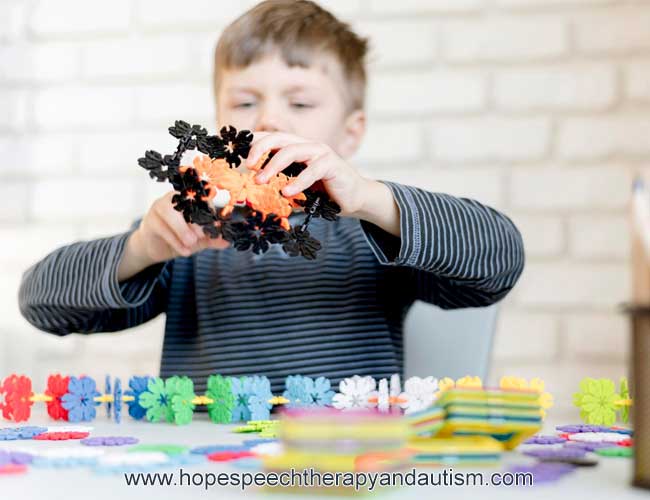
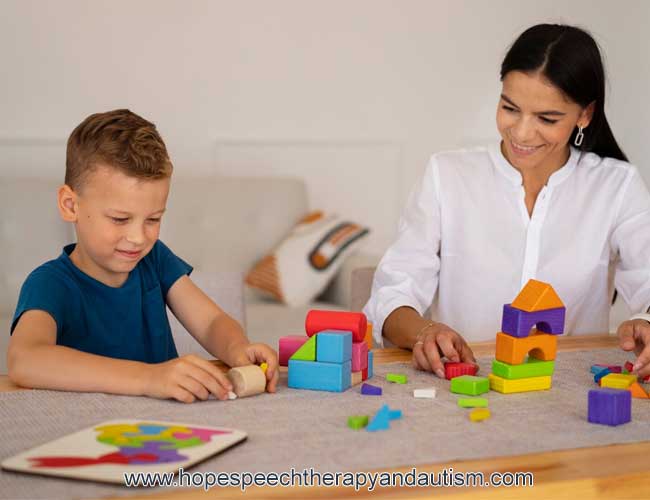
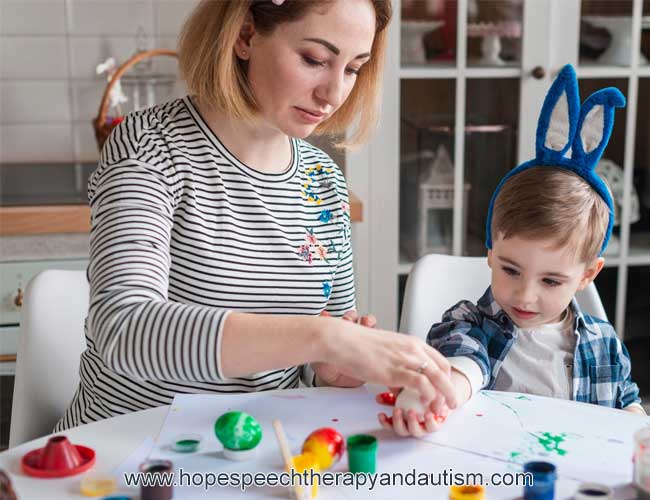
Hope Centre for Speech Therapy and Autism Treatment can help families move from uncertainty toward a structured care plan by looking at communication, behaviour, learning, sensory needs, and daily functioning together. The goal is not to change who an autistic person is, but to develop useful skills, reduce barriers, and increase independence and participation. Early and individualized support can be especially valuable when communication or developmental concerns are already affecting daily routines. Families can also benefit from caregiver coaching so strategies used during therapy are reinforced naturally at home. This coordinated approach fits the broader Charlotte model, where multidisciplinary teams increasingly work across communication, occupational, behavioural, and family-support needs.
What Is Special Education and Academic Therapy, and How Can They Help?
Special education provides specially designed instruction and related services for students whose disabilities affect educational performance. Academic therapy is more targeted toward learning difficulties and may address areas such as reading, written language, mathematics, attention, organization, or study skills. In Charlotte, families have a defined pathway through Charlotte-Mecklenburg Schools when they suspect a child may have developmental, academic, speech-language, motor, social-behavioural, or self-help delays. CMS Child Find allows families to request an evaluation, and eligible students may receive an Individualized Education Program based on documented needs.



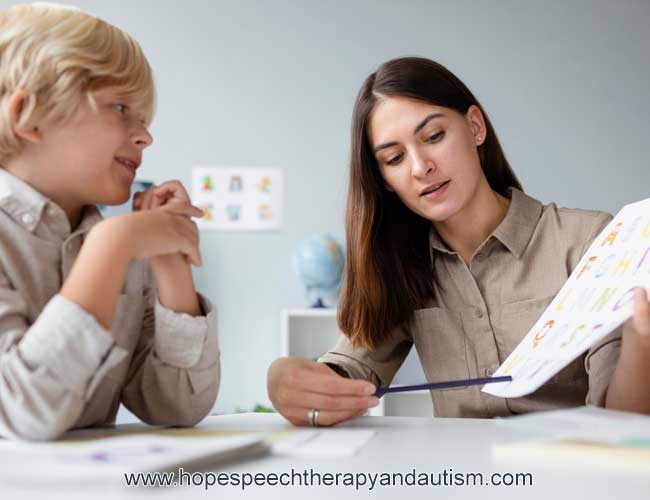
Hope Centre for Speech Therapy and Autism Treatment can complement school-based support by helping families understand where academic difficulties are occurring and by developing practical learning strategies around the learner’s individual profile. This may be useful for children who struggle with reading readiness, comprehension, written expression, attention, organization, or applying skills independently. CMS also offers specialized autism support across general education, resource, separate classroom, and other educational settings, with data-based problem solving and support around communication, adaptive skills, behaviour, and academics. When private therapy and school services are coordinated appropriately, families can work toward consistent goals rather than treating academic challenges in isolation.
What Is Occupational Therapy and Sensory Integration Therapy, and When Is It Needed?
Occupational therapy helps people participate more effectively in everyday activities. For children, this can include fine-motor development, handwriting, self-care, visual-motor coordination, attention, play, feeding, and sensory processing. Sensory-related concerns may appear as strong reactions to sounds, textures, movement, touch, or changes in routine, while some children may seek intense sensory input or have difficulty regulating their level of alertness. Charlotte resources describe occupational therapy as addressing sensory processing, fine-motor skills, self-care, motor planning, and school participation. A proper occupational therapy evaluation is important because sensory behaviours can have different underlying causes and should be assessed individually.
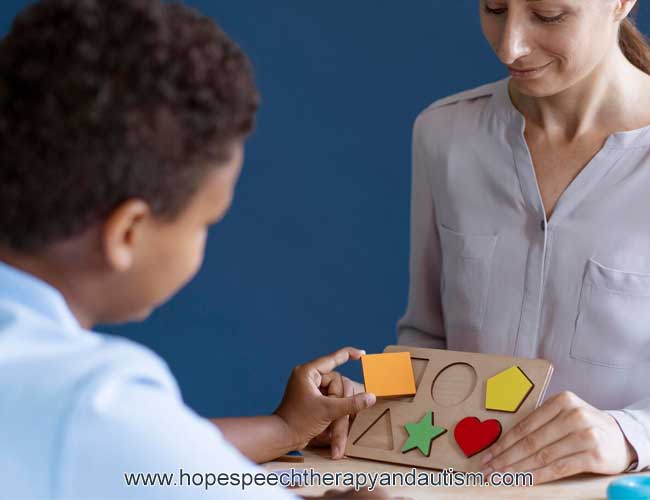
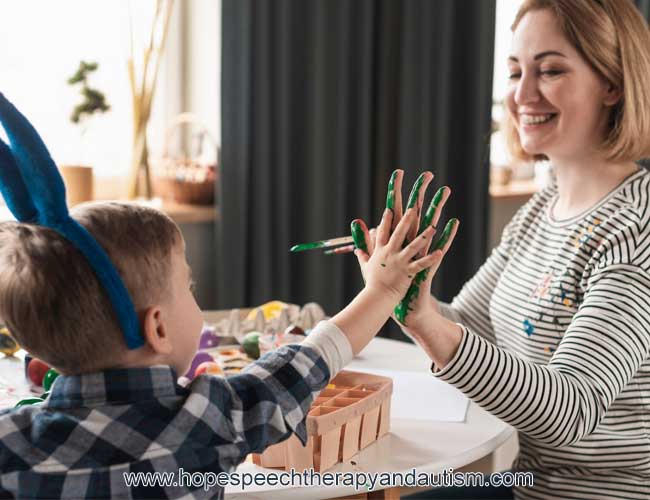


Hope Centre for Speech Therapy and Autism Treatment can use occupational therapy to connect functional goals with everyday participation rather than focusing only on isolated exercises. For example, a child who becomes overwhelmed during classroom activities may need support with sensory regulation, attention, motor planning, or environmental adaptations. A child struggling with dressing, handwriting, feeding, or play may need a different intervention plan. Charlotte providers also offer sensory-informed occupational therapy and school-based or telehealth models, showing how care can be adapted to the setting where difficulties occur. The strongest plan is one based on assessment, measurable goals, and strategies that caregivers and educators can realistically use.
What Is CBT, and How Can Cognitive Behavioral Therapy Help?
Cognitive Behavioral Therapy, or CBT, is a structured psychological treatment that helps people identify connections between thoughts, feelings, and behaviours and then develop healthier ways to respond to difficult situations. Depending on age and individual needs, CBT may be used to address anxiety, low mood, emotional regulation, stress, avoidance, negative thinking patterns, or behaviour associated with emotional difficulties. CBT is not a treatment that removes autism itself. Instead, when clinically appropriate, it can support autistic children, adolescents, or adults with co-occurring emotional or behavioural challenges. Charlotte providers include psychological and behavioural services within broader developmental care, making individualized assessment important before selecting CBT or another therapeutic approach.




Hope Centre for Speech Therapy and Autism Treatment can incorporate psychological support into a broader developmental plan when emotional or behavioural concerns interfere with communication, learning, relationships, or daily routines. Effective CBT should be adapted to developmental level, communication style, cognitive abilities, and the person’s actual concerns. For children, caregiver involvement can make skills more useful outside therapy sessions, while older children and adults may work more directly on recognizing thought patterns, managing anxiety, building coping strategies, and approaching situations that have become difficult. A comprehensive Online Autism Treatment & Speech Therapy Centre in Charlotte can therefore provide a connected pathway where communication and developmental needs are considered alongside emotional wellbeing rather than being treated as completely separate issues.
What Is Hearing Aid Treatment, and How Can You Find the Best Hearing Aid Centre in Charlotte?
Hearing aid treatment begins with identifying the type and degree of hearing loss and determining whether amplification is appropriate. Hearing difficulties can affect speech development, listening, classroom participation, social interaction, and communication, so hearing assessment is particularly important when a child also has speech or developmental concerns. The FDA recognizes two main categories of hearing aids: over-the-counter hearing aids for adults aged 18 and older with perceived mild-to-moderate hearing loss, and prescription hearing aids for broader hearing needs and age groups. Children require prescription hearing aids rather than OTC devices. Charlotte also has established speech and hearing resources that provide hearing evaluations and individualized hearing services.
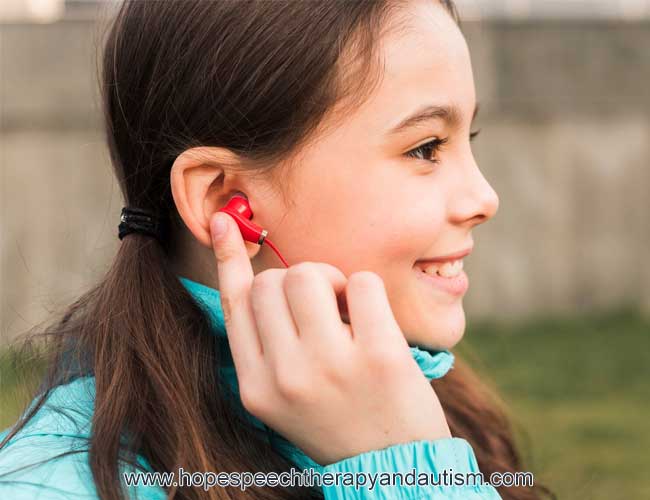
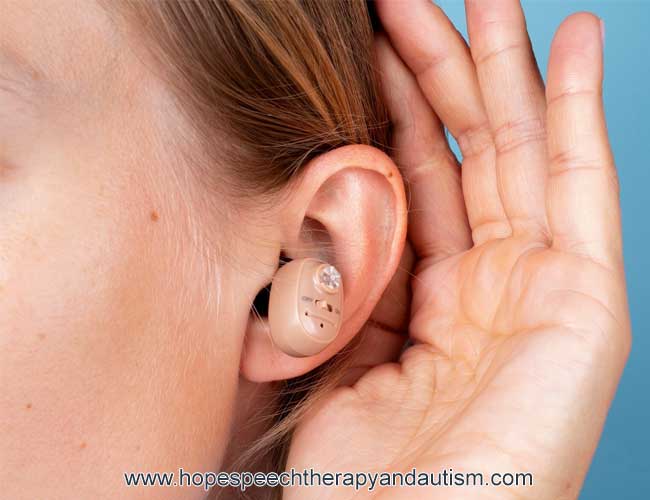
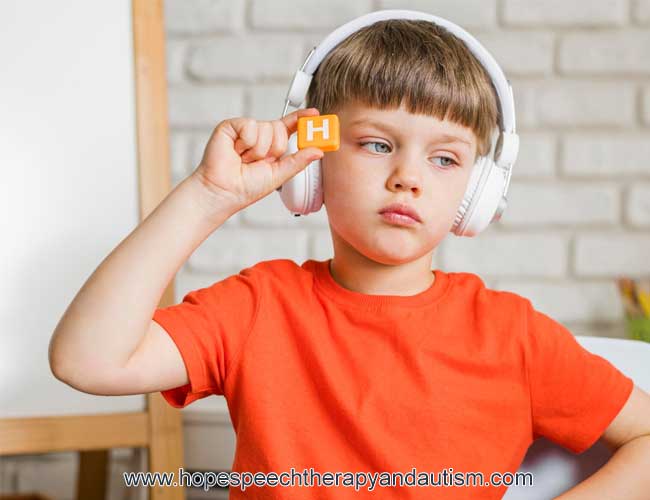

Hope Centre for Speech Therapy and Autism Treatment can help families understand how hearing and communication are connected by encouraging appropriate assessment and coordinated intervention. Hearing aids are not simply devices that make sound louder; prescription devices can be programmed according to an individual’s hearing needs, while ongoing professional support can help determine whether the technology is working effectively. The FDA recommends consultation with a hearing health professional when hearing loss may be more severe or when medical causes need to be considered. For families in Charlotte, combining hearing care with speech-language support can be especially valuable when hearing difficulties are contributing to delayed communication or difficulty accessing spoken information.
Are You Ready to Choose the Right Therapy Support in Charlotte?
Choosing therapy should begin with the person’s actual needs rather than a generic list of services. Speech therapy can strengthen communication, autism intervention can address individualized developmental goals, academic therapy can support learning, occupational therapy can improve participation and regulation, CBT can address emotional and behavioural challenges, and hearing treatment can remove barriers to effective communication. Charlotte already has a broad ecosystem of school and clinical resources, including CMS Exceptional Children services and community-based multidisciplinary providers. The right combination depends on assessment, age, goals, diagnosis, functional needs, and the level of support required.
If you are searching for an Online Autism Treatment & Speech Therapy Centre in Charlotte, Hope Centre for Speech Therapy and Autism Treatment can be a practical starting point for discussing your concerns and identifying an individualized path forward. The focus should be on clear goals, consistent therapy, family participation, measurable progress, and skills that transfer into everyday life. Contact Hope Centre to discuss the individual’s needs, understand the available therapy options, and take the next step toward more confident communication, learning, independence, and participation.