
Are You Looking for an Online Autism Treatment & Speech Therapy Centre in Canberra?
Finding the right support for communication, learning, behaviour, sensory needs, or hearing can make everyday life more manageable for children, teenagers, and adults. An Online Autism Treatment & Speech Therapy Centre in Canberra can provide structured professional support without making every appointment dependent on travel, which can be particularly useful for families managing school schedules, work commitments, or multiple therapies. Canberra families also have access to local developmental pathways, including the ACT Government Child Development Service, which provides developmental checks and autism assessments for eligible children. The ACT also has a growing focus on early support, with the Thriving Kids program planned to begin delivering services from October 2026 for children aged 0 to 8 with developmental delay or autism and low to moderate support needs.
Hope Centre for Speech Therapy and Autism Treatment supports families through a coordinated approach that can include speech therapy, autism-focused intervention, special education and academic therapy, occupational therapy, sensory integration, CBT, and hearing-related support. The aim is not simply to provide sessions but to identify practical goals and work consistently towards communication, independence, learning, emotional regulation, and participation. Where appropriate, online sessions can also complement local assessments, school support, allied health services, and other professional care. Families using NDIS supports should confirm eligibility and funding arrangements because the NDIS recognises services such as speech pathology, occupational therapy, psychology, audiology, and developmental education when they meet its funding requirements and are delivered by appropriately qualified professionals.
What Is Speech Therapy, What Are the Symptoms, and How Is It Treated in Canberra?
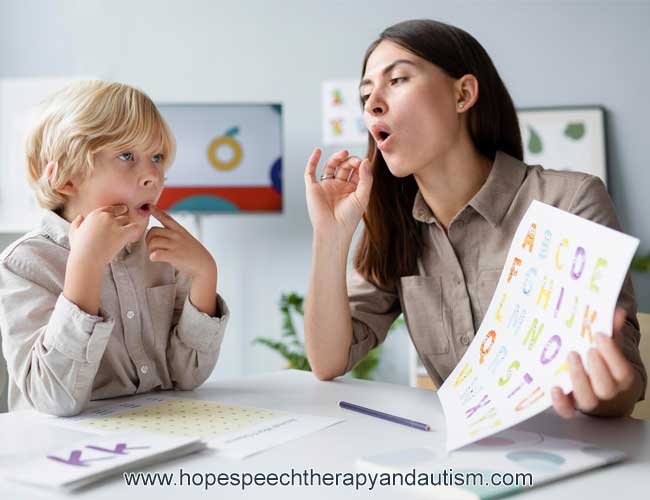
Speech therapy, more accurately called speech pathology in Australia, addresses difficulties involving communication, speech sounds, language, fluency, voice, and in appropriate clinical settings, swallowing and feeding. A child may need assessment when they have difficulty understanding instructions, using words or sentences, being understood by others, participating in conversations, or developing age-appropriate social communication. Stuttering, unclear speech, limited vocabulary, and difficulty communicating needs can also indicate that an assessment would be useful. In Canberra, the ACT Child Development Service provides developmental checks for eligible children aged 6 years or younger, including assessment of communication skills such as talking, understanding language, stuttering, and social interaction.
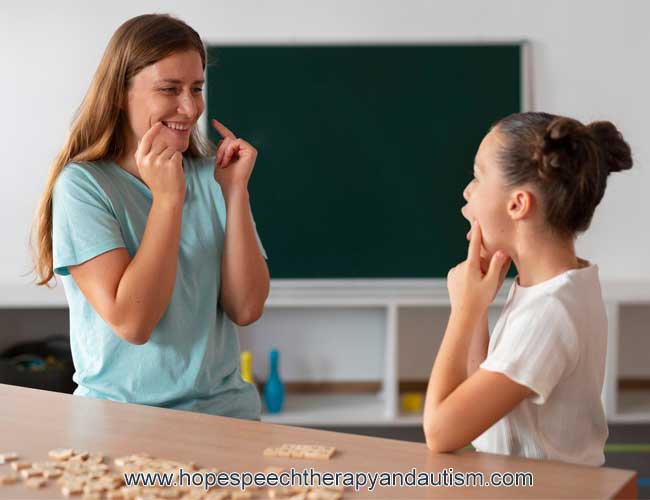
Hope Centre for Speech Therapy and Autism Treatment uses individualised goals to help clients develop practical communication skills rather than relying on a one-size-fits-all program. Therapy may focus on speech clarity, receptive and expressive language, functional communication, social communication, vocabulary, conversation, or communication strategies suited to the person's developmental level. For children with autism or developmental differences, speech therapy can be coordinated with other interventions so that communication goals are reinforced across home and learning environments. Online sessions can be particularly useful when families need continuity and flexible scheduling. ACT schools also have access to speech pathologists and other allied health professionals who support evidence-based strategies and reasonable adjustments, creating opportunities for therapy goals to connect with educational participation.



What Is Autism, What Are the Symptoms, and What Treatment Can Help in Canberra?
Autism is a neurodevelopmental condition that can affect social communication, interaction, behaviour, sensory processing, and patterns of interests or activities. The presentation is different from one person to another, so assessment should consider the individual's developmental history and functioning rather than relying on one visible characteristic. Possible signs can include differences in social communication, difficulty with flexible routines, repetitive behaviours, unusual sensory responses, or challenges with interaction and everyday participation. In Canberra, children under 12 who meet the referral requirements can receive a free autism assessment through the ACT Child Development Service. The assessment pathway may consider developmental and family history, school and home information, medical and academic records, and standardised tools such as the ADI-R and ADOS-2.
Hope Centre for Speech Therapy and Autism Treatment provides structured intervention designed around the person's actual strengths, needs, and functional goals. Autism support may involve communication development, social interaction, emotional regulation, behaviour support, daily living skills, learning strategies, and parent guidance. The objective is not to change a person's identity but to develop useful skills, reduce barriers to participation, and improve independence and quality of life. Early and consistent support can be especially valuable when communication or developmental difficulties are affecting home, school, or social participation. For Canberra families, online intervention can also provide continuity alongside local assessment pathways, school-based support, and eligible NDIS services. The NDIS confirms that therapy supports must meet its funding requirements and be delivered by appropriately qualified professionals.

What Is Special Education and Academic Therapy, and How Can It Support Canberra Students?
Special education and academic therapy provide targeted educational support when a learner needs more than conventional classroom instruction. Difficulties may involve reading, spelling, writing, mathematics, attention, processing information, following instructions, completing tasks, or applying skills independently. Academic therapy is different from simply giving a student more homework because it focuses on identifying the underlying learning difficulty and teaching strategies that match the learner's needs. In Canberra, schools can develop individual learning plans for students who require adjustments, with families, teachers, school leaders, and relevant support professionals contributing to the process. ACT schools also have access to health professionals including speech pathologists and occupational therapists who can support evidence-based strategies and reasonable adjustments.
Hope Centre for Speech Therapy and Autism Treatment combines educational understanding with individual learning goals to help students build practical academic skills. Support can focus on foundational literacy, comprehension, written expression, numeracy, attention to tasks, organisation, communication, and confidence in learning. For children with autism, developmental delays, or communication difficulties, academic intervention can be coordinated with speech and occupational therapy so that the learner is not receiving disconnected strategies from different professionals. Online academic therapy can also make it easier for families to maintain regular sessions around Canberra school schedules. The focus remains measurable progress, with therapy adapted according to the learner's current abilities, educational expectations, and everyday challenges.
What Is Occupational Therapy and Sensory Integration Therapy, and What Treatment Is Available in Canberra?
Occupational therapy helps people develop or maintain the skills needed for everyday activities, participation, and independence. For children, this can include dressing, eating, using pencils, playing, managing routines, and responding to everyday sensory experiences. Sensory processing difficulties may appear as strong reactions to sounds, touch, movement, textures, lights, or other environmental experiences, although assessment is needed to understand what is actually affecting the person. The ACT Child Development Service includes occupational therapy within its developmental checks for eligible young children, while the ACT education system also has occupational therapists who can contribute to school-based strategies and reasonable adjustments. For adults, Canberra Health Services provides community occupational therapy to eligible ACT residents, demonstrating the broader role of occupational therapy across different stages of life.
Hope Centre for Speech Therapy and Autism Treatment uses occupational therapy and sensory-based strategies according to individual functional needs rather than treating sensory differences in isolation. Intervention may address fine motor skills, daily routines, self-care, attention, participation, coordination, and strategies for managing environments that feel overwhelming. Where sensory challenges are affecting learning or communication, occupational therapy can be coordinated with speech therapy, autism intervention, and academic support. This integrated approach can help families work towards practical outcomes that matter at home, school, and in the community. For Canberra families choosing an Online Autism Treatment & Speech Therapy Centre in Canberra, online guidance can complement appropriate in-person assessments and services where hands-on evaluation is required.

What Is CBT, How Can Cognitive Behavioral Therapy Help, and Where Can You Find Support in Canberra?
Cognitive Behavioral Therapy, commonly known as CBT, is a structured psychological approach that explores the relationship between thoughts, feelings, and behaviours. It can be used for a range of emotional and behavioural difficulties, depending on the individual's assessment and treatment needs. CBT may help a person recognise unhelpful thinking patterns, understand emotional triggers, develop coping strategies, and practise more useful responses to challenging situations. For children and young people, therapy may need to be adapted to their developmental level and communication style. In Australia, access to psychological services can involve different pathways depending on diagnosis, referral requirements, age, treatment goals, and funding arrangements. Canberra families should therefore discuss the appropriate clinical pathway with a qualified psychologist or relevant medical professional.
Hope Centre for Speech Therapy and Autism Treatment can incorporate structured behavioural and emotional strategies into a broader support plan when CBT is clinically appropriate. The work can focus on practical skills such as emotional identification, coping with frustration, managing anxious thoughts, problem-solving, flexibility, and responding more effectively to everyday challenges. For autistic children or individuals with communication difficulties, strategies need to be adapted carefully rather than applying a standard adult CBT format. The centre's multidisciplinary approach allows psychological goals to be considered alongside communication, learning, sensory, and functional needs. This can make intervention more coherent for families who are already coordinating several forms of support and want clear, realistic goals that can be practised beyond the therapy session.


What Is Hearing Aid Treatment, What Are the Symptoms, and Which Hearing Aid Centre Can Help in Canberra?
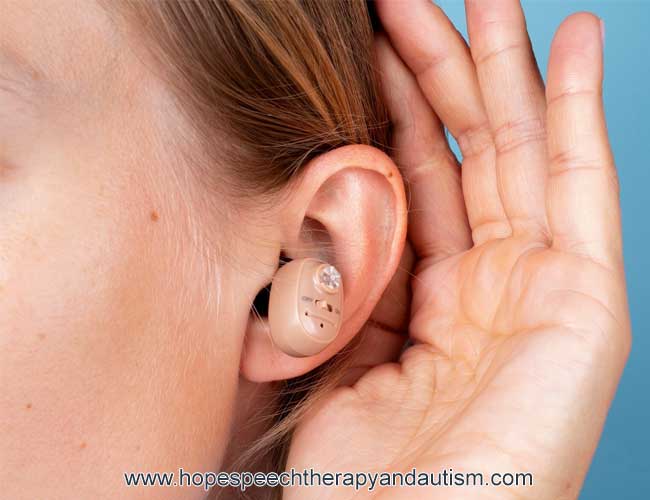
Hearing aid treatment begins with identifying and measuring hearing loss rather than selecting a device based only on symptoms. Signs can include difficulty understanding speech, frequently asking people to repeat themselves, increasing television volume, struggling in noisy environments, or appearing not to respond consistently to spoken communication. For children, hearing assessment is especially important when speech, language, learning, or developmental concerns are present. Canberra Health Services provides a Children's Hearing Service for children aged 18 months to 18 years, with assessment covering hearing history, ear canals and eardrums, middle-ear function, and hearing levels. Hearing assessment may also form part of the referral information required for some children undergoing an autism assessment through the ACT Child Development Service.
Hope Centre for Speech Therapy and Autism Treatment recognises that hearing and communication are closely connected, so hearing concerns should be investigated when they may be influencing speech, language, learning, or social participation. Hearing aid treatment itself should be based on appropriate audiological assessment and professional recommendations, followed by fitting, adjustment, and ongoing review where required. The centre can support families in understanding how hearing difficulties may interact with communication and developmental goals while encouraging appropriate audiological care. Canberra families can also access recognised hearing services through local health pathways, and NDIS rules distinguish hearing services provided through the Hearing Services Program from other disability supports. A coordinated approach helps ensure that hearing loss is assessed properly rather than being mistaken for a speech, attention, or behavioural problem.

Are You Ready to Choose the Right Online Autism Treatment and Speech Therapy Support in Canberra?
Choosing therapy is easier when the service is based on clear assessment, qualified professionals, practical goals, and regular communication with families. Canberra already has established public pathways for developmental checks, autism assessment, school support, occupational therapy, and hearing assessment, while NDIS-funded therapy may provide additional options for eligible participants. Hope Centre for Speech Therapy and Autism Treatment brings multiple areas of support together so families can work towards communication, learning, emotional, sensory, and everyday functional goals through a coordinated plan. If you are looking for an Online Autism Treatment & Speech Therapy Centre in Canberra, contact Hope Centre to discuss your concerns, understand which services may be appropriate, and develop a structured path forward for the child, teenager, or adult you are supporting.