
Are You Looking for an Online Autism Treatment & Speech Therapy Centre in Brussels?
Finding the right support for speech, communication, learning, behaviour, sensory needs, or hearing concerns can feel overwhelming, especially when families are trying to understand which therapy is actually appropriate. An Online Autism Treatment & Speech Therapy Centre in Brussels can make professional guidance more accessible by connecting children and families with structured therapy from home. Brussels is a multilingual and diverse city, so communication needs may involve more than speech alone, including language development, social communication, comprehension, and participation in school and everyday situations. This article explains six important areas of support: speech therapy, autism treatment, special education and academic therapy, occupational and sensory integration therapy, cognitive behavioural therapy, and hearing aid treatment. Hope Centre for Speech Therapy and Autism uses a multidisciplinary approach involving services such as speech therapy, occupational therapy, CBT, ABA and special education to address individual developmental needs.
Good therapy begins with proper assessment rather than assuming that every child needs the same intervention. A therapist may consider communication abilities, developmental history, learning skills, behaviour, sensory responses, hearing, and everyday functioning before recommending a plan. For families in Brussels, online sessions can also be useful when travel, scheduling, or access to a suitable specialist is difficult. Hope Centre for Speech Therapy and Autism focuses on individualized support and works across several therapy areas so that children can receive coordinated intervention rather than disconnected services. Whether the concern is delayed speech, difficulty communicating, autism-related challenges, learning difficulties, sensory regulation, emotional behaviour, or hearing loss, the aim is to identify practical goals and work consistently toward better communication, independence, participation, and quality of life.
What Is Speech Therapy, and What Symptoms and Treatments Can It Address?
Speech therapy supports people who have difficulty producing speech sounds, using language, understanding communication, speaking fluently, or using communication effectively in daily life. Common concerns include delayed first words, unclear pronunciation, limited vocabulary, difficulty forming sentences, stammering, voice problems, and challenges with understanding or expressing language. In children, assessment is important because a speech delay can have different causes and does not automatically indicate autism. A speech-language professional may assess receptive language, expressive language, articulation, fluency, social communication, and functional communication before selecting treatment. For families seeking an Online Autism Treatment & Speech Therapy Centre in Brussels, online sessions can provide structured practice while allowing parents to observe techniques and continue appropriate activities between appointments. Hope Centre for Speech Therapy and Autism provides speech therapy as part of its multidisciplinary approach, with therapy designed around the individual communication needs of the child.

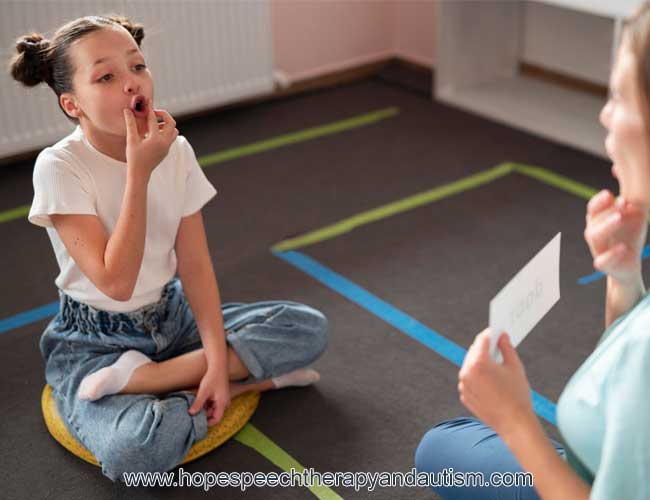
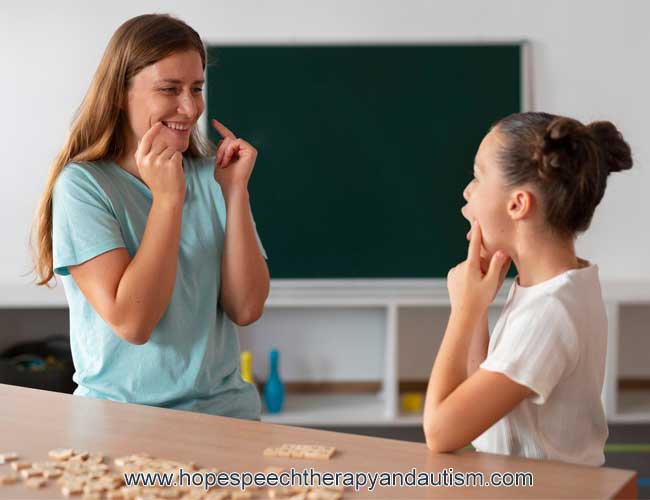
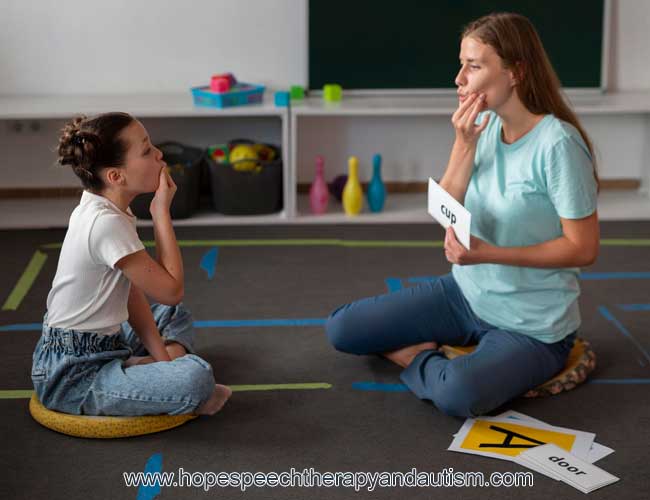
Treatment may include sound production exercises, vocabulary development, sentence building, comprehension activities, fluency strategies, social communication practice, and alternative communication methods when appropriate. The exact programme depends on the assessment and the person's goals rather than following a fixed routine. This is particularly relevant for children who speak more than one language, because multilingual development should be considered carefully rather than treating normal differences between languages as a disorder. Hope Centre for Speech Therapy and Autism combines speech therapy with other developmental services when required, which can be useful when communication difficulties occur alongside autism, learning difficulties, or sensory and behavioural concerns. Families looking for an Online Autism Treatment & Speech Therapy Centre in Brussels can discuss the child's history, current communication level, school situation, and therapy goals before beginning regular sessions.
What Is Autism, and What Symptoms and Treatments Can Support a Child?
Autism spectrum disorder is a neurodevelopmental condition associated with differences in social communication and interaction together with restricted, repetitive, or highly focused patterns of behaviour, interests, or activities. Signs can include differences in eye contact, social reciprocity, pretend play, response to name, conversational interaction, flexibility, repetitive movements, intense interests, or responses to sensory input. Symptoms vary considerably, which is why autism cannot be diagnosed from one behaviour or a short online checklist. A proper developmental assessment considers the child's history and behaviour across different situations. An Online Autism Treatment & Speech Therapy Centre in Brussels can provide therapy support after assessment, but therapy should not be presented as a cure for autism. The practical goal is to strengthen communication, learning, independence, participation, and everyday functioning according to the individual's needs.
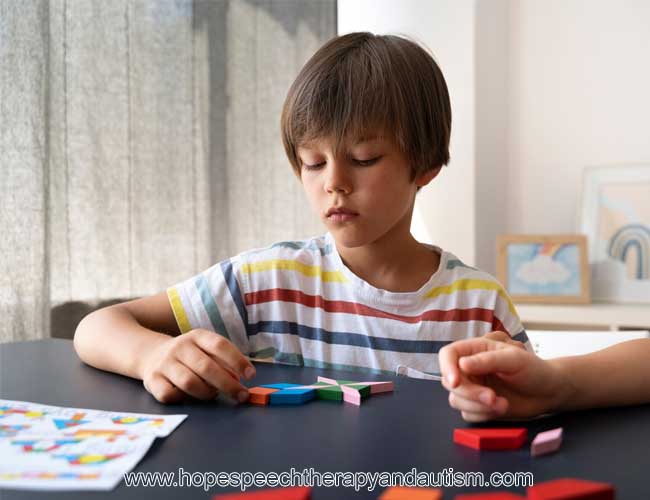
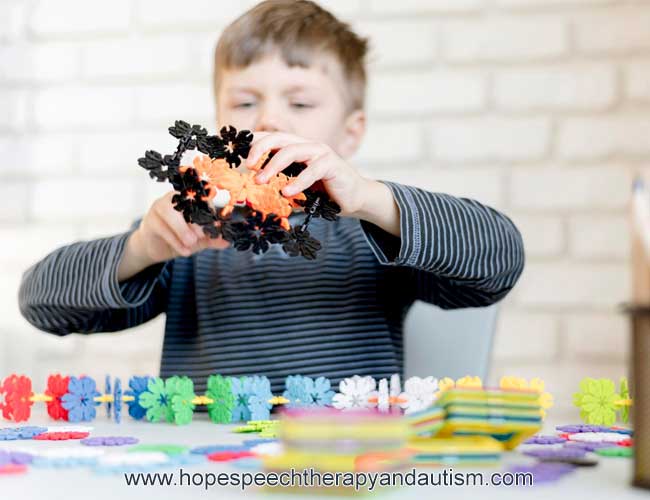
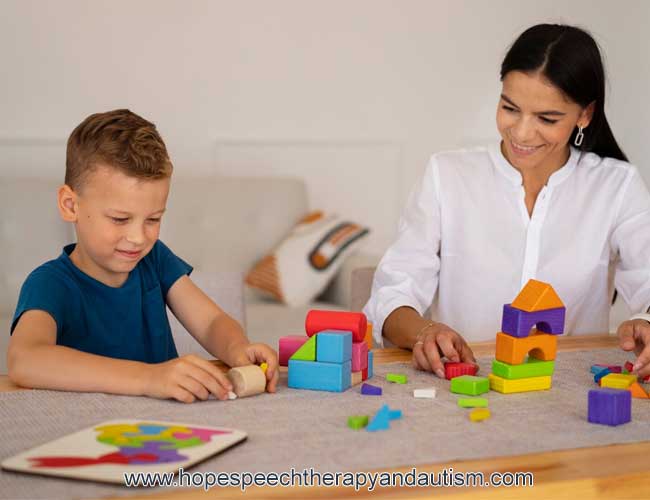
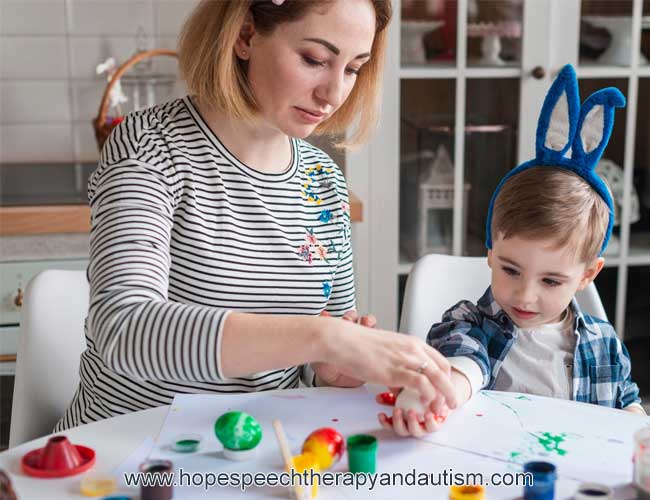
Support for autism may involve several interventions rather than one universal treatment. Speech therapy can address functional communication, occupational therapy can support daily living and sensory needs, behavioural approaches can teach useful skills, and special education can adapt learning activities to the child's strengths and difficulties. Parent involvement is also important because skills need opportunities to be practised outside therapy sessions. Hope Centre for Speech Therapy and Autism follows a multidisciplinary model involving areas such as speech therapy, occupational therapy, CBT, ABA, and special education, allowing therapy goals to be considered together. For families using an Online Autism Treatment & Speech Therapy Centre in Brussels, online support can be particularly useful for parent coaching, communication practice, structured routines, and reviewing progress while maintaining regular professional supervision.
What Is Special Education and Academic Therapy, and How Can It Help?
Special education is individualized educational support designed to help a learner access curriculum, develop academic skills, and participate more effectively in school. Academic therapy may focus on areas such as reading, writing, spelling, mathematics, attention, comprehension, organization, and study strategies, depending on the child's assessed needs. A child may understand a concept but struggle to demonstrate it because of language processing, attention, memory, motor coordination, or learning difficulties. That distinction matters when deciding how support should be delivered. An Online Autism Treatment & Speech Therapy Centre in Brussels can provide structured academic sessions and parent guidance, but educational planning should also be coordinated with the child's school whenever possible. In Brussels, where families may navigate different language and education environments, understanding the child's actual learning demands is particularly important when setting realistic academic goals.
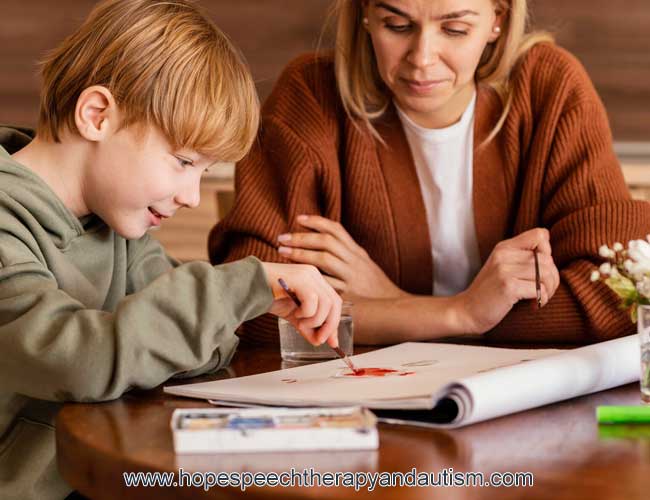
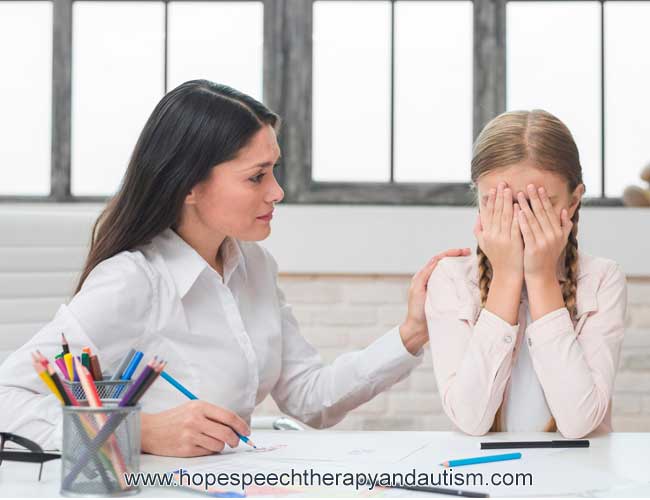
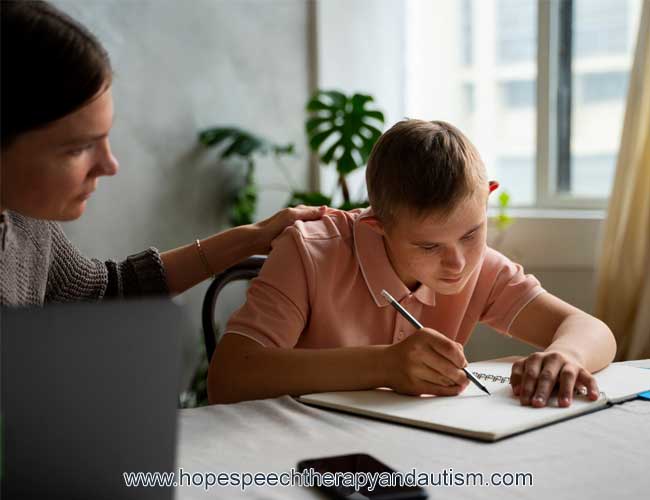
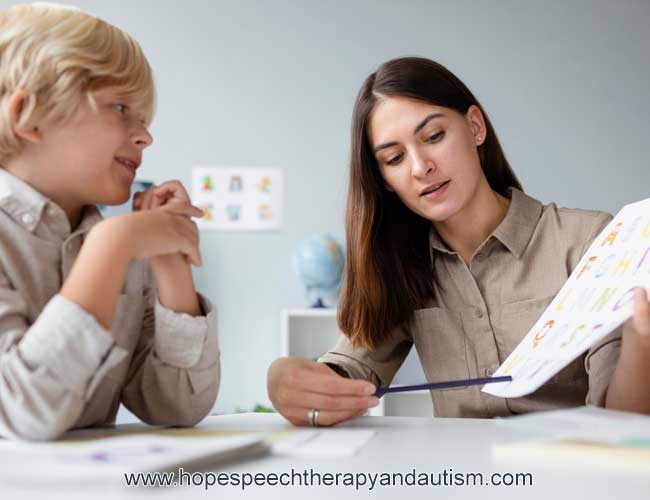
Effective academic therapy should be measurable. Instead of simply completing worksheets, a therapist can identify a specific skill, establish the child's current level, teach the skill using an appropriate method, and monitor whether performance improves. Hope Centre for Speech Therapy and Autism provides special education as one part of its wider developmental service model, supporting children who may have autism, dyslexia, speech and language difficulties, or other learning needs. The centre's multidisciplinary approach can help connect academic goals with communication, behaviour, and functional skills rather than treating school performance in isolation. Families considering an Online Autism Treatment & Speech Therapy Centre in Brussels can use online sessions to reinforce school learning, practise targeted skills, and receive guidance on how to create consistent learning routines at home.
What Is Occupational Therapy and Sensory Integration Therapy, and When Is It Needed?
Occupational therapy helps people develop or maintain the skills needed for everyday activities, including dressing, eating, handwriting, classroom participation, play, self-care, and other age-appropriate tasks. For children with developmental differences, occupational therapy may also address motor planning, coordination, attention, and sensory processing. Sensory integration approaches focus on how a person responds to sensory information such as movement, touch, sound, or visual input and how these responses affect participation. However, sensory behaviours should be assessed in context rather than automatically labelled as a sensory disorder. An Online Autism Treatment & Speech Therapy Centre in Brussels can use parent observation and functional assessment to identify practical difficulties and establish goals. The aim is not simply to make a child tolerate sensations, but to help the child participate more successfully in meaningful daily activities.
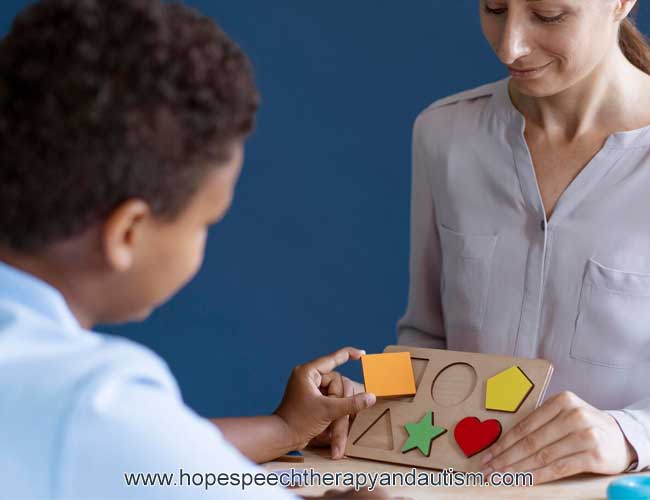
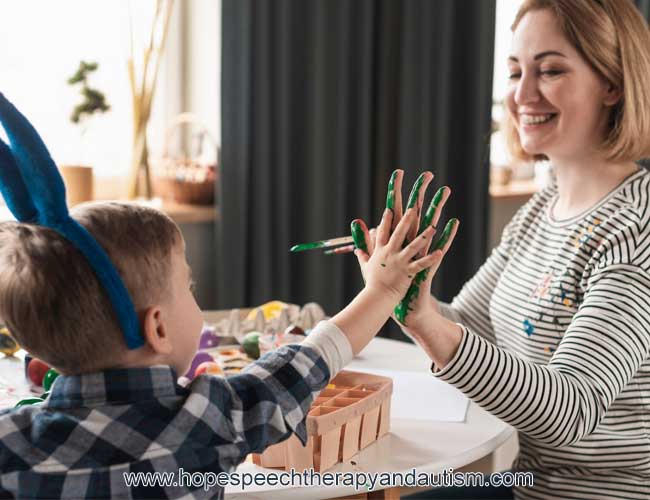

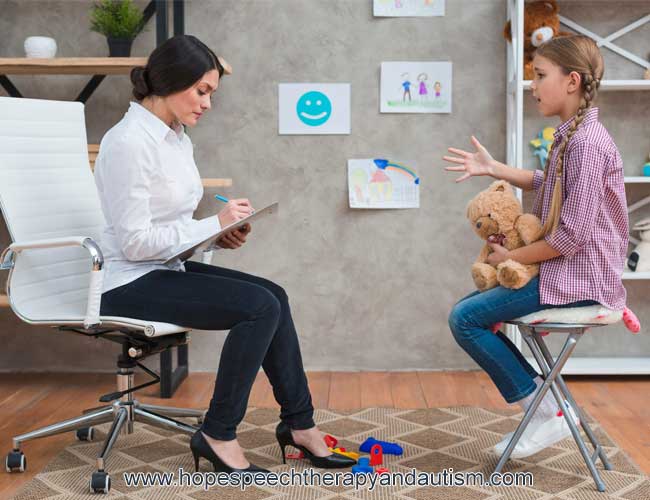
Occupational therapy can be particularly useful when developmental challenges affect several areas of life at the same time. For example, a child who has difficulty with fine motor skills may struggle with handwriting, while sensory or attention difficulties may make classroom routines harder to manage. Hope Centre for Speech Therapy and Autism includes occupational therapy within its multidisciplinary services and works toward practical improvements in daily functioning and independence. Therapy may involve play-based activities, motor exercises, functional practice, and strategies that can be continued at home. When families choose an Online Autism Treatment & Speech Therapy Centre in Brussels, therapists can also guide parents through suitable home activities and explain how environmental adjustments may support participation between professional sessions.
What Is CBT, and How Can Cognitive Behavioral Therapy Support Children?
Cognitive Behavioral Therapy, commonly called CBT, is a structured psychological approach that examines the relationship between thoughts, emotions, and behaviours. It is commonly used for concerns such as anxiety, low mood, fears, stress, and certain behavioural difficulties, although suitability depends on the individual's age, communication abilities, cognitive development, and specific needs. CBT is not simply telling a child to think positively. A therapist may teach emotional identification, coping strategies, problem-solving, gradual exposure where appropriate, and ways to respond to unhelpful thought patterns. For children with developmental or communication differences, CBT may need to be adapted using visual supports, simpler language, concrete examples, and parent involvement. An Online Autism Treatment & Speech Therapy Centre in Brussels can offer structured online sessions when the child can engage effectively through a digital format.

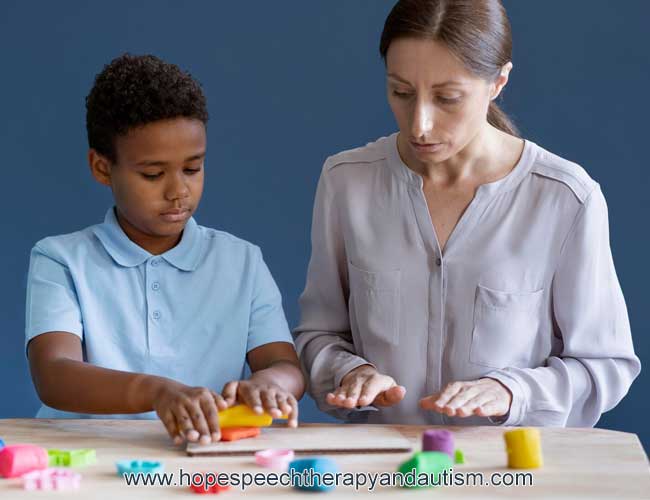
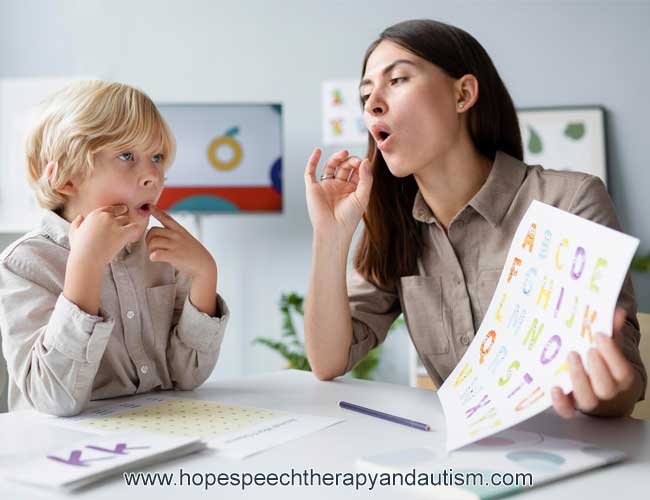

Hope Centre for Speech Therapy and Autism provides CBT as part of its broader multidisciplinary therapy approach, allowing behavioural and emotional needs to be considered alongside communication, learning, and developmental goals. A useful CBT plan should have clear objectives and should be reviewed as the child progresses rather than continuing indefinitely without measuring change. Parents can also play an important role by reinforcing coping strategies and maintaining predictable routines at home. For families searching for an Online Autism Treatment & Speech Therapy Centre in Brussels, online CBT may be convenient when the child is comfortable communicating through video and the therapist determines that remote delivery is appropriate. Where a child has significant mental health concerns, assessment by an appropriately qualified mental health professional remains important.
What Is Hearing Aid Treatment, and Where Can You Find the Best Hearing Aid Centre in Brussels?
Hearing aid treatment begins with identifying the type and degree of hearing loss rather than selecting a device based only on age or symptoms. A proper hearing assessment may include behavioural or objective hearing tests, depending on the person's age and ability to respond reliably. Hearing aids are electronic devices that amplify and process sound according to the user's hearing needs, but successful use also depends on fitting, programming, follow-up, maintenance, and adjustment. Children require particular attention because untreated hearing difficulties can affect speech, language, learning, and social communication. An Online Autism Treatment & Speech Therapy Centre in Brussels can provide guidance and coordinate communication-focused support, but hearing assessment and hearing-aid fitting should be handled by appropriately qualified hearing professionals. Early identification is valuable because access to clear sound can support communication development and participation.
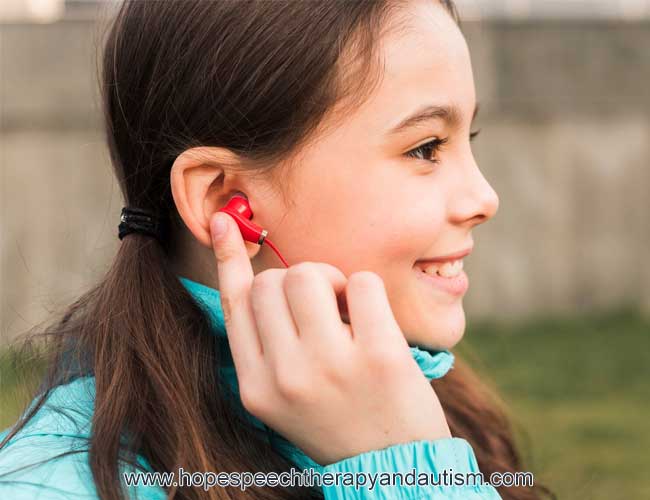
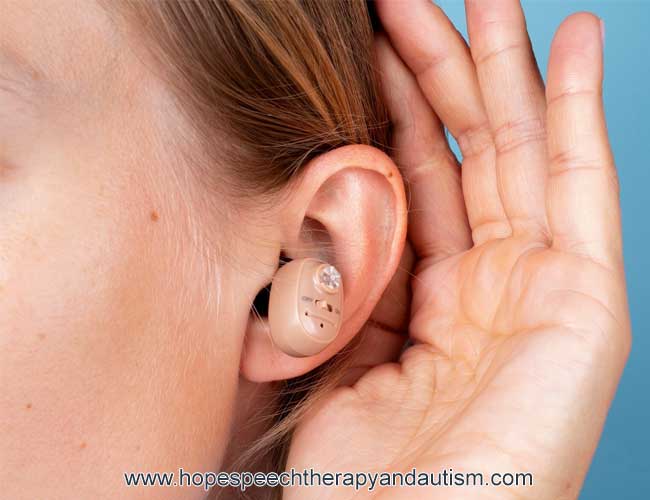
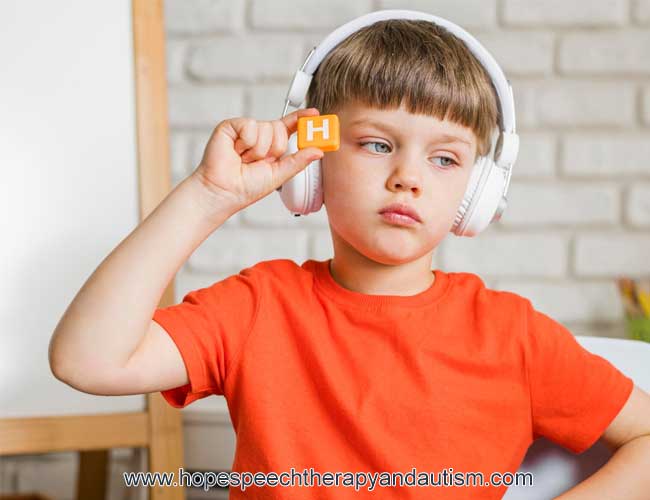

Hope Centre for Speech Therapy and Autism includes hearing aid services alongside speech, autism, occupational, CBT, and special education support. This broader approach can be valuable when hearing difficulties and communication delays occur together because speech and language goals should take the person's hearing access into account. Families should also expect ongoing hearing follow-up because hearing aids may require programming changes as hearing needs, listening environments, or device requirements change. For people considering an Online Autism Treatment & Speech Therapy Centre in Brussels, online communication therapy can complement locally arranged hearing assessments and device services. The right choice is not simply the centre with the most services, but a provider that assesses the individual's needs carefully, explains the treatment plan clearly, monitors progress, and works with the family toward practical communication and everyday goals.
Are You Ready to Choose the Right Online Autism Treatment & Speech Therapy Centre in Brussels?
Choosing therapy becomes easier when the focus stays on the person's actual needs rather than a label or a single symptom. Speech therapy can strengthen communication, autism support can address functional development, special education can improve access to learning, occupational therapy can build everyday independence, CBT can develop coping and emotional skills, and hearing services can address barriers to communication caused by hearing loss. These areas may overlap, which is why a multidisciplinary approach can be useful for children with more than one developmental need. Hope Centre for Speech Therapy and Autism brings several of these services together and emphasizes individualized intervention across speech, autism treatment, occupational therapy, CBT, special education, and hearing aid support.
If you are searching for an Online Autism Treatment & Speech Therapy Centre in Brussels, start with a proper assessment and discuss your child's communication, learning, behaviour, sensory, hearing, and everyday needs with qualified professionals. Ask what goals will be measured, how parents will participate, how progress will be reviewed, and whether online therapy is suitable for the specific concern. Hope Centre for Speech Therapy and Autism can help families understand available therapy options and develop a structured support approach based on individual requirements. Contact the centre to discuss your concerns, arrange an assessment or consultation, and take the next practical step toward stronger communication, learning, independence, and everyday participation.