
Are You Looking for an Online Autism Treatment & Speech Therapy Centre in Bristol?
Finding the right support for speech, communication, learning, behaviour, sensory needs or hearing can be challenging, especially when several areas overlap. An Online Autism Treatment & Speech Therapy Centre in Bristol can make specialist support more accessible by connecting families with structured therapy without making every appointment dependent on travel. Bristol already has a broad support network for children and young people with special educational needs and disabilities, including its SEND Local Offer, autism support and health services. The Bristol Autism Team also supports children and young people aged 4 to 18 with autism, suspected autism, and social, communication and interaction needs within education settings. These local pathways make coordinated care particularly important for families seeking practical and consistent intervention. Hope Centre for Speech Therapy and Autism Treatment provides a range of therapy-based support designed around individual needs, helping families work towards clearer communication, stronger learning skills, improved independence and better participation at home, school and in everyday life.
What Is Speech Therapy, and What Symptoms Can It Treat?
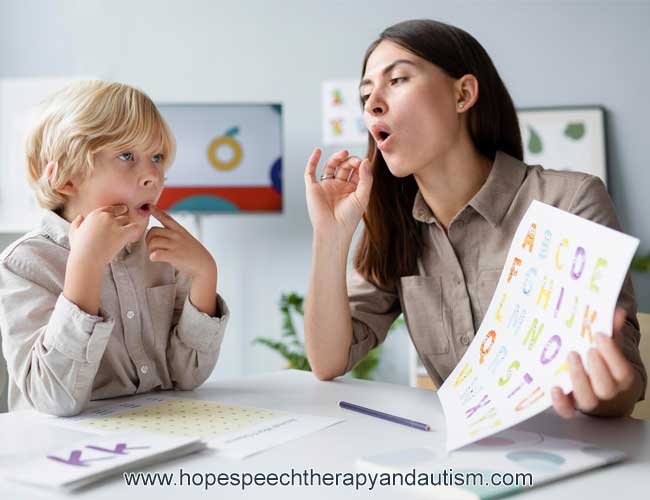
Speech therapy focuses on difficulties involving speech, language, communication and, where appropriate, related feeding or oral-motor skills. A child may need support because they have limited vocabulary, difficulty understanding instructions, problems forming sounds, unclear speech, stammering or challenges using language socially. The assessment should look beyond individual sounds and consider how the child understands language, expresses ideas and communicates with other people. Bristol identifies speech and language therapists as part of its health support for children and young people with SEND, including help for communication difficulties, language impairment and speech disorders. Hope Centre for Speech Therapy and Autism Treatment can provide structured speech and language intervention based on the person's communication profile, using practical activities that encourage functional communication rather than focusing only on repetition. For families searching for an Online Speech Therapy Centre in Bristol, online sessions can also provide a convenient way to maintain regular professional support.

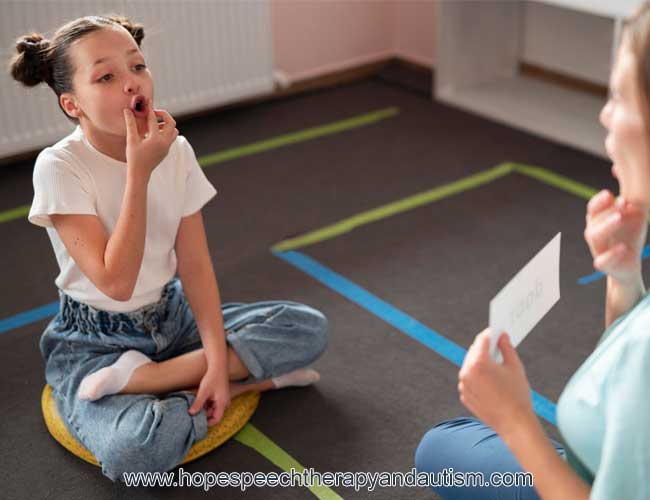
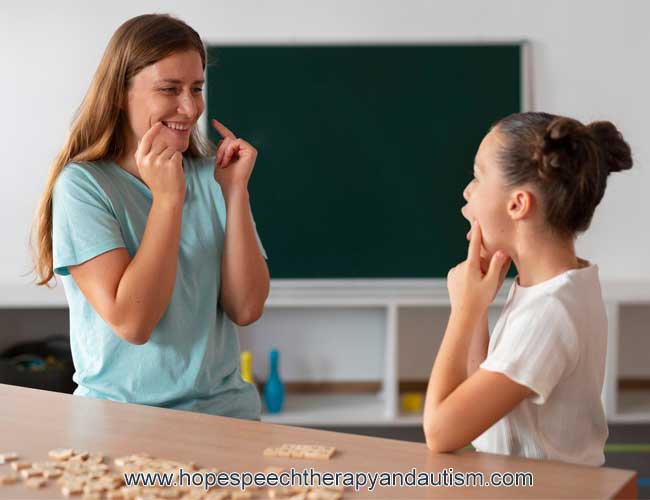
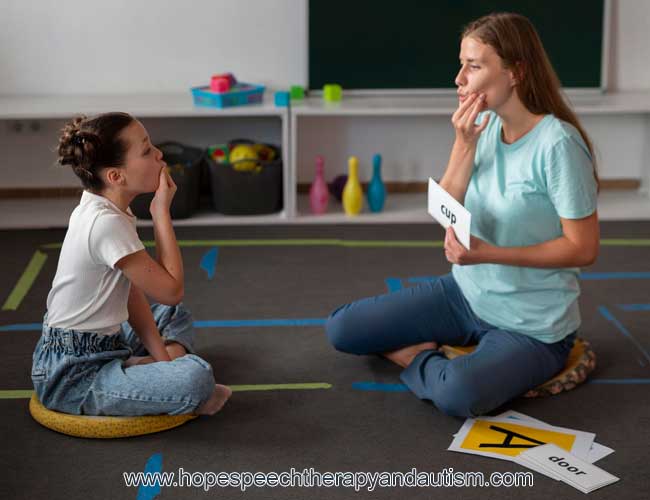
Effective speech therapy should have clear goals that can be practised outside the therapy session. Depending on the assessment, intervention may work on pronunciation, receptive and expressive language, vocabulary, sentence development, social communication, fluency or alternative communication strategies. Hope Centre can involve parents and caregivers so that useful communication techniques become part of everyday routines instead of remaining limited to scheduled sessions. This approach is particularly valuable when communication difficulties occur alongside autism, developmental differences or learning needs. Progress should be reviewed regularly, with goals adjusted according to the person's response rather than following an identical programme for everyone. Families in Bristol can also consider how private or online therapy fits alongside existing school and NHS support, ensuring that different professionals understand the child's priorities and work towards compatible outcomes.
What Is Autism, and What Are Its Symptoms and Treatment Options?
Autism is a lifelong neurodevelopmental difference that can affect social communication, interaction, behaviour, sensory processing and patterns of interests or activities. Signs vary considerably between individuals, so autism should not be judged from one behaviour alone. Some children may have differences in eye contact, conversation, flexibility, play, social understanding or response to sensory experiences, while others may communicate fluently but struggle with social situations or change. Bristol provides autism support for children and young people who have a diagnosis, are on the autism pathway or have social, communication and interaction needs. The Bristol Autism Team works with mainstream education settings and can provide specialist advice based on strengths and needs. Hope Centre for Speech Therapy and Autism Treatment takes an individualised approach to Autism Treatment in Bristol, focusing on functional goals such as communication, independence, learning readiness, emotional regulation and participation rather than trying to make every autistic person behave in the same way.
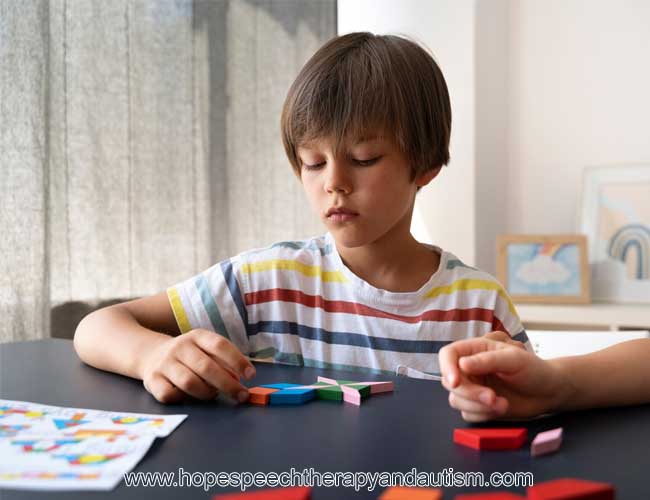
There is no single treatment that removes autism, and appropriate support depends on the person's needs, age, communication style and environment. Helpful intervention may include speech and language therapy, occupational therapy, educational support, psychological approaches and parent coaching. In Bristol, the Local Offer also provides information about autism support, specialist provision, EHC plans and related services, giving families a useful starting point when coordinating education and care. Hope Centre can complement these wider arrangements by providing targeted therapy that addresses specific functional difficulties and by helping families practise strategies consistently at home. For children, early support can be particularly useful when communication or developmental concerns are already affecting participation, although meaningful support remains valuable at every age. The goal is to build skills, reduce barriers and increase independence while respecting the individual's strengths and needs.
What Is Special Education and Academic Therapy, and Who Can Benefit?
Special education provides tailored educational support when a learner's needs cannot be fully met through standard teaching approaches. Academic therapy is more targeted, addressing specific barriers that may affect reading, writing, spelling, mathematics, attention, comprehension, organisation or learning strategies. A child does not need to have the same profile as another learner to benefit from individualised teaching. Bristol's SEND Local Offer provides information for children and young people aged 0 to 25 and includes specialist provision, EHC plans, school support and education-related services. Bristol also has an Early Intervention Fund designed to help mainstream settings provide additional support for children and young people with emerging SEND needs. Hope Centre for Speech Therapy and Autism Treatment can support academic development through structured, individualised learning activities that connect educational goals with the learner's communication, attention and developmental profile. This makes Special Education and Academic Therapy in Bristol particularly useful when conventional classroom strategies are not producing enough progress.

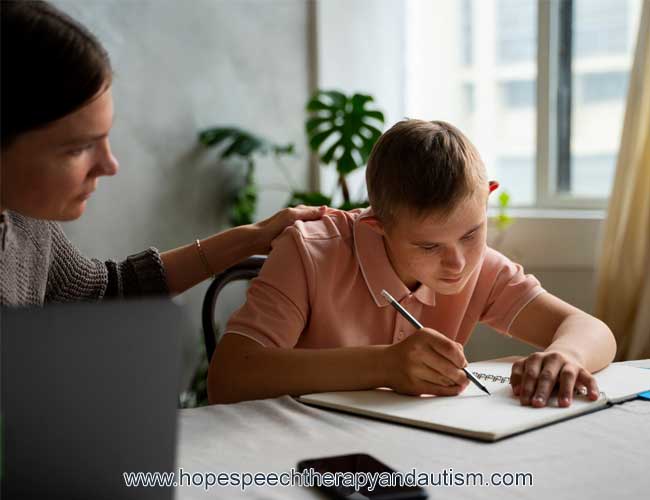
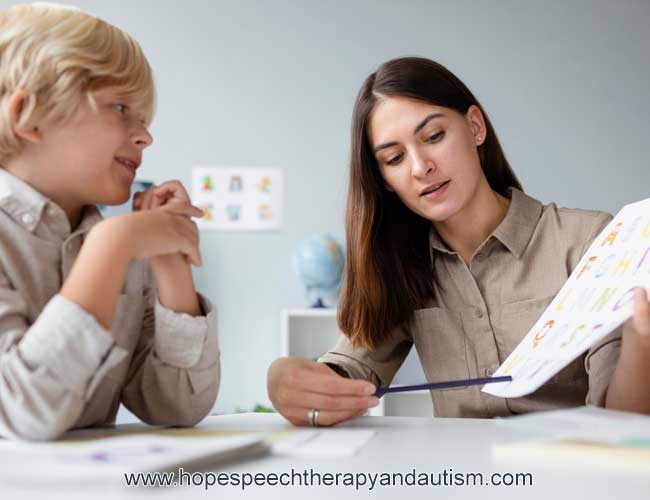
A useful academic programme begins with understanding exactly where the learner is struggling instead of simply increasing the amount of schoolwork. Hope Centre can identify practical learning targets and break difficult tasks into manageable stages, while reinforcing communication, attention and independent working skills alongside academic progress. This can be especially relevant for children with autism, language difficulties, learning differences or developmental delays. Parents can also share school observations and existing educational targets so therapy is connected to real classroom expectations. Where a child has an EHC plan or is receiving SEND support, private academic therapy should complement rather than replace statutory educational provision. Bristol's education system uses a graduated approach to SEND support, making communication between families, schools and professionals important. A consistent plan can help the learner transfer newly developed skills from therapy sessions into homework, classroom activities and everyday learning.
What Is Occupational Therapy and Sensory Integration Therapy, and When Is It Needed?
Occupational therapy helps children and young people develop greater independence in everyday activities when physical, sensory, developmental or cognitive needs create barriers. Difficulties may appear during dressing, eating, handwriting, sitting, playing, moving around, using classroom materials or managing everyday routines. Sensory differences can also affect how a person responds to sounds, touch, movement, visual input or other sensations, although sensory needs vary widely. Bristol's children's occupational therapy services recognise the role of occupational therapy in activities such as writing, playing, sitting and dressing, while social care occupational therapists may assess everyday functioning and recommend equipment or adaptations. Hope Centre can provide Occupational Therapy and Sensory Integration Therapy in Bristol with activities selected around the individual's functional needs. Rather than treating sensory behaviour in isolation, a well-planned programme should connect sensory and motor strategies with meaningful goals such as participation, independence, classroom access and daily living.
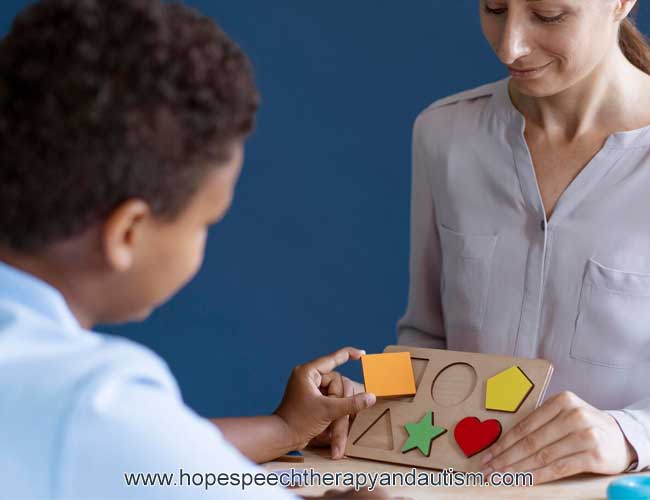
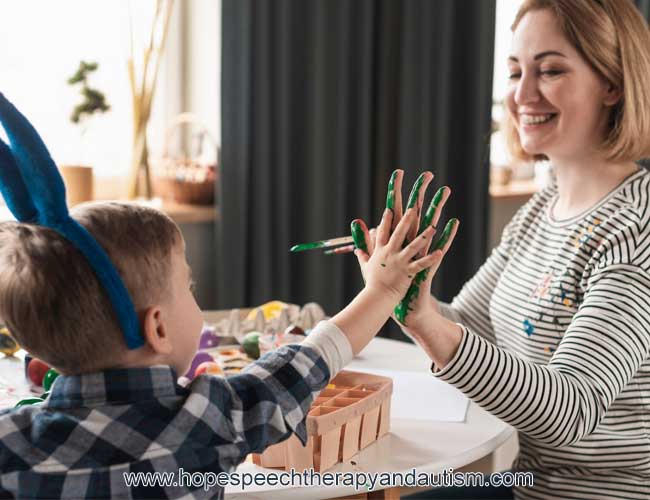

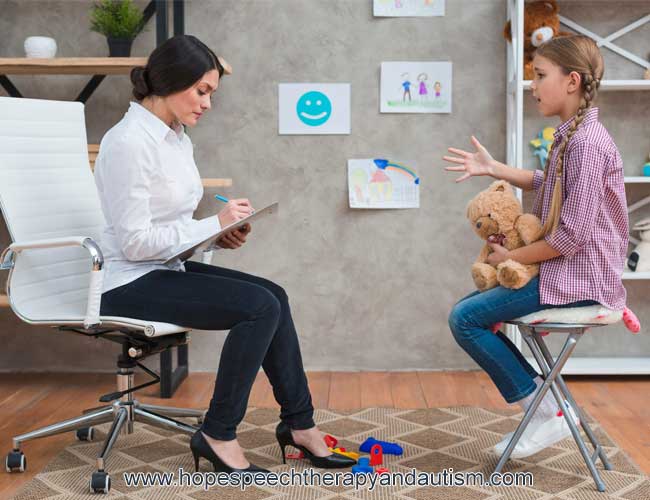
Assessment is important because not every sensory difficulty requires sensory integration therapy, and intervention should be linked to an identifiable functional problem. Hope Centre can focus therapy on practical outcomes, such as improving tolerance for everyday activities, supporting fine-motor development, strengthening participation in learning tasks or developing greater independence in routines. Families may also benefit from home strategies that are realistic enough to use consistently. Bristol's occupational therapy pathways can involve health or social care depending on the child's needs, and some local services have eligibility criteria or waiting lists. Online therapy may therefore be useful for education, parent coaching and selected therapeutic activities, while hands-on assessment or equipment recommendations may require an appropriate in-person professional assessment. The strongest approach is one that matches the intervention to the person's actual difficulties and reviews whether it is producing useful change.
What Is CBT, and How Can Cognitive Behavioral Therapy Help?
Cognitive Behavioral Therapy, commonly called CBT, is a structured psychological approach that explores the relationship between thoughts, emotions and behaviour. It can be used for difficulties such as anxiety, low mood, fears, avoidance and certain behavioural patterns, with the exact approach depending on the person's age and needs. CBT does not treat autism itself, but adapted psychological support can help an autistic person manage co-occurring emotional or behavioural difficulties when appropriately assessed. Bristol provides mental health support for children and young people through its wider health and early-help network, including Child and Adolescent Mental Health Services for significant mental health needs. Hope Centre for Speech Therapy and Autism Treatment can provide Cognitive Behavioral Therapy support that focuses on practical coping skills, emotional understanding, problem-solving and gradual development of healthier responses to difficult situations. For families looking for a CBT Centre in Bristol, the key is to choose an approach that is developmentally appropriate and tailored to the person's communication abilities.

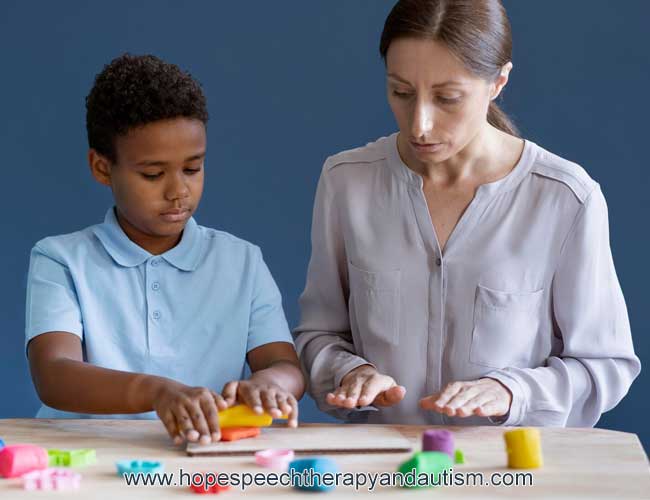

A practical CBT programme should begin with an appropriate assessment and clearly defined goals. Depending on the individual, sessions may involve recognising emotional triggers, understanding unhelpful thought patterns, developing coping strategies, practising communication or gradually approaching situations that have become difficult. Hope Centre can adapt the pace, language and activities to the person's developmental level and communication profile, which is important when working with children or autistic individuals. Parents may also be involved where appropriate so that strategies are reinforced consistently outside sessions. CBT should not be presented as a universal solution; people with complex mental health needs may require assessment or care from specialist NHS mental health services. Online CBT can be particularly convenient for suitable clients because it can reduce travel and allow therapy to take place in a familiar environment, provided that the format is clinically appropriate for the individual.
What Is Hearing Aid Treatment, and How Can You Find the Best Hearing Aid Centre in Bristol?
Hearing aid treatment begins with identifying and assessing hearing loss rather than choosing a device based only on symptoms. A hearing assessment can establish the type and degree of hearing difficulty and help determine whether hearing aids, medical evaluation, assistive technology or another form of support is appropriate. Signs of hearing difficulty in children can include frequently asking for repetition, difficulty following spoken instructions, unclear responses, reduced attention to speech or problems accessing classroom discussion, although these signs can have many other explanations. Bristol's SEND health services include specialist sensory support, while local education provision also recognises the importance of hearing and communication needs. Hope Centre for Speech Therapy and Autism Treatment can support families by connecting hearing needs with communication and language goals and by helping individuals make better use of their communication skills. For anyone searching for a Hearing Aid Centre in Bristol, professional hearing assessment and appropriate device fitting should come before selecting a particular hearing aid.
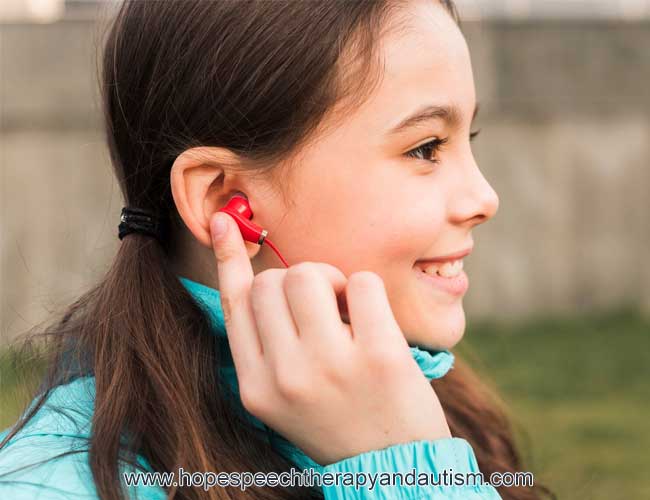
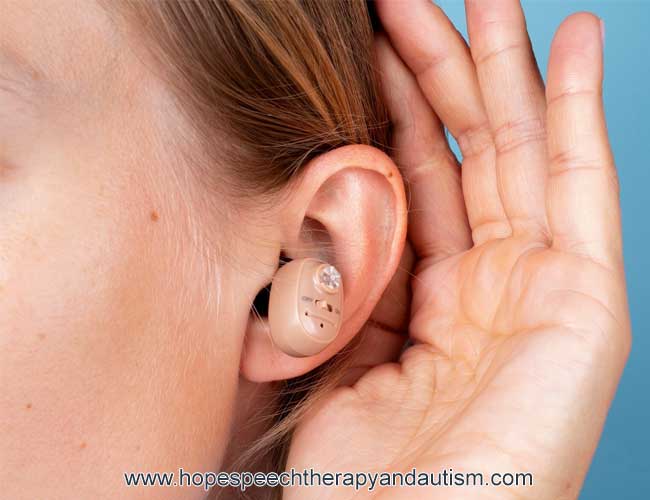

Hearing support is particularly important when communication or learning difficulties are already present because untreated hearing loss can make it harder to distinguish whether a problem is related to hearing, language, attention or another developmental factor. Hope Centre can take a coordinated approach by considering communication goals alongside hearing-related needs and helping families understand how therapy can support everyday communication after hearing concerns have been identified. Families should also follow appropriate audiology or ENT guidance when medical assessment is needed. A hearing aid may improve access to sound, but it does not automatically resolve language, speech or educational difficulties, so additional support may still be appropriate. If you are looking for an Online Autism Treatment & Speech Therapy Centre in Bristol that can support multiple developmental needs, Hope Centre offers a convenient starting point for discussing your child's or family's individual requirements and planning suitable next steps.
Are You Ready to Choose the Right Therapy Support in Bristol?
Choosing therapy should be based on the individual's actual needs, clear goals and the qualifications and experience of the professionals providing care. Speech and language difficulties, autism, learning challenges, sensory needs, emotional difficulties and hearing problems can overlap, which is why a coordinated approach can be more useful than treating every concern in isolation. Bristol offers a substantial network of SEND, autism, education and health support, including its Local Offer and Bristol Autism Team, while families can also consider suitable private and online services alongside existing provision. Hope Centre for Speech Therapy and Autism Treatment aims to make specialist support accessible through individualised programmes across communication, autism, academic development, occupational and sensory needs, CBT and hearing-related support. If you are searching for an Online Autism Treatment & Speech Therapy Centre in Bristol, contact Hope Centre to discuss the individual's concerns, understand which assessment or therapy may be appropriate and take the next step towards a structured, practical support plan.