
Are You Looking for an Online Autism Treatment & Speech Therapy Centre in Brisbane?
Finding the right therapy for a child with speech, communication, learning, sensory, behavioural or developmental difficulties can feel overwhelming, particularly when families are trying to understand which service is actually appropriate. An effective therapy plan should begin with an assessment of the individual rather than a one-size-fits-all programme. For families searching for an Online Autism Treatment & Speech Therapy Centre in Brisbane, online access can also make professional guidance easier to continue alongside school, home routines and other local services. Queensland has established pathways for early intervention and disability support, while the NDIS recognises services such as speech pathology, occupational therapy, psychology and developmental education as possible therapy supports when they meet its requirements. This makes it important to choose professionals who understand both the child's needs and the practical goals of everyday life.
Hope Centre for Speech Therapy and Autism Treatment follows a multidisciplinary approach involving areas such as speech therapy, occupational therapy, autism support, CBT and educational support. Its approach is focused on helping children develop communication, learning, social and daily-living abilities through individualised intervention. For a Brisbane family considering online therapy, the most useful starting point is a detailed discussion of the child's current abilities, difficulties, goals and existing support. Online therapy can be particularly useful when sessions need to fit around school or family schedules, although the suitability of remote intervention should always be decided according to the person's age, goals and clinical needs. The following sections explain the main therapy areas and what families should realistically expect from each one.
What Is Speech Therapy, What Are the Symptoms, and How Is It Treated?
Speech therapy is a specialised service that addresses difficulties involving speech sounds, language, communication, fluency, voice and, where appropriate, swallowing. A child may need assessment when they have difficulty understanding language, using age-appropriate words, forming sounds clearly, following communication exchanges or expressing their needs. Stammering, unclear pronunciation and delayed language development are also common reasons families seek a speech pathologist. Treatment depends on the underlying difficulty rather than simply the visible symptom. A speech pathologist may work on vocabulary, sentence formation, articulation, fluency, social communication or alternative and augmentative communication. For families seeking speech therapy in Brisbane, an assessment can help establish practical goals that relate to communication at home, school and in the community. Queensland's early-intervention framework specifically recognises communication development as an important area of support for children with disability or developmental delay.

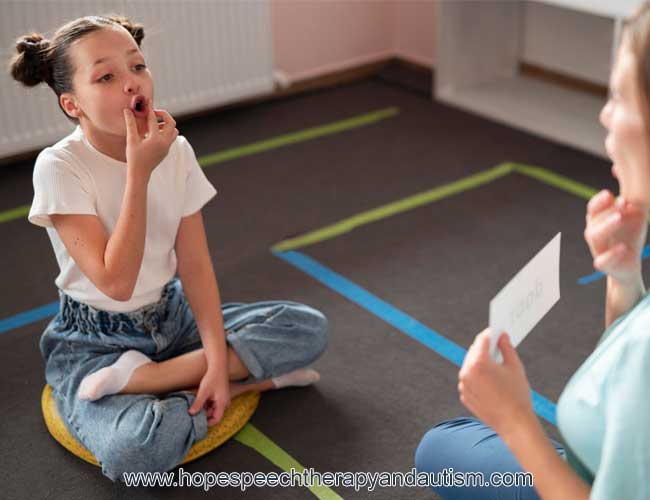
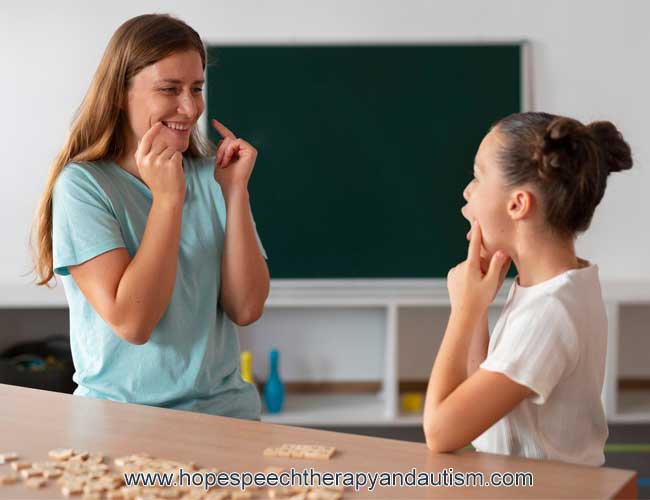
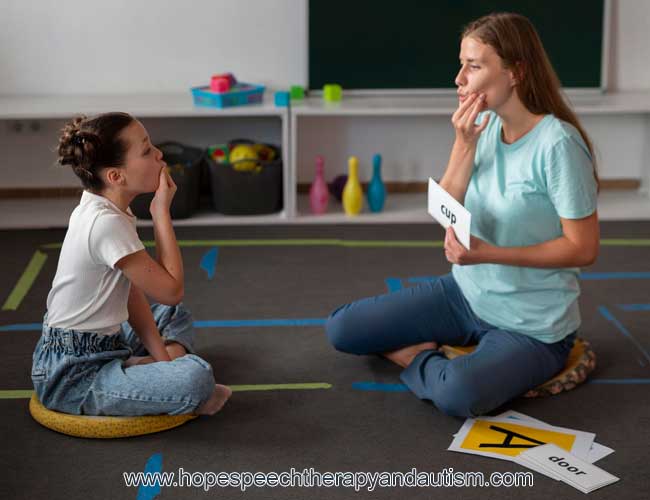
Hope Centre for Speech Therapy and Autism Treatment approaches speech difficulties through individual assessment and structured therapy rather than treating every child in the same way. Its published services include speech therapy as part of a wider multidisciplinary model, which can be useful when communication difficulties occur alongside autism, learning problems or developmental challenges. For online sessions, therapists can work with parents and children through guided activities, communication exercises and home-based practice when remote therapy is clinically appropriate. The key is consistency: progress often depends not only on the therapy session but also on how communication strategies are reinforced during everyday activities. Families in Brisbane can therefore use therapy goals across routines such as play, reading, classroom preparation, conversations and functional requests, helping communication skills become more useful outside the therapy setting.
What Is Autism, What Are the Symptoms, and What Treatment Can Help?
Autism is a neurodevelopmental condition associated with differences in social communication and interaction together with restricted or repetitive behaviours, interests or activities. The presentation varies considerably from one person to another, so two autistic children may have very different strengths and support needs. Possible signs can include differences in social communication, difficulty with back-and-forth interaction, repetitive movements or routines, focused interests, sensory sensitivities and difficulty adapting to changes. Speech delay can occur, but not every autistic person has delayed speech, and speech delay alone does not establish an autism diagnosis. Assessment should therefore involve appropriate professionals rather than relying on an online checklist. In Brisbane, families can access Queensland and Australian disability pathways, including early-intervention services and NDIS-related supports where eligibility requirements are met. Early intervention can focus on communication, social participation, functional behaviour and independence.
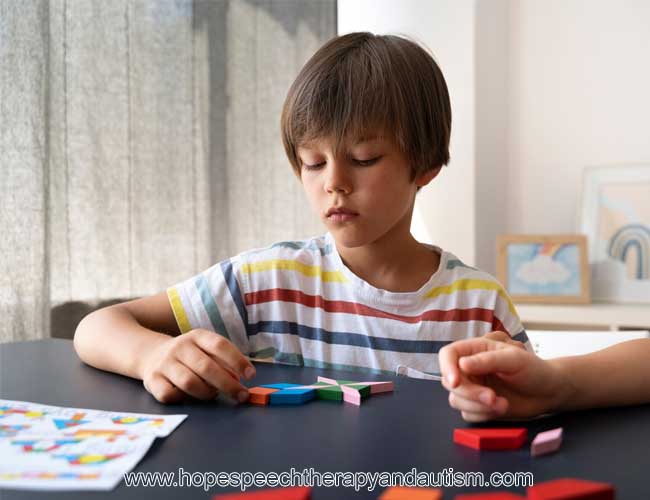
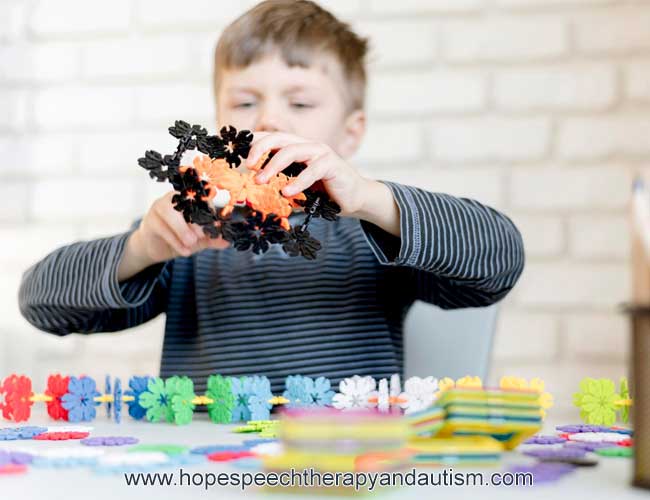
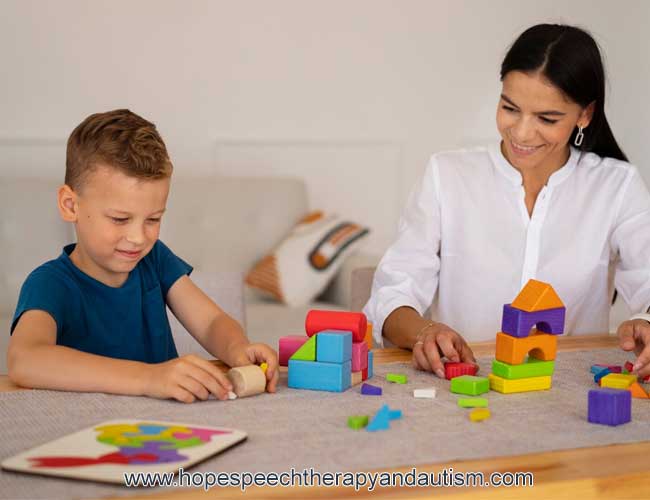
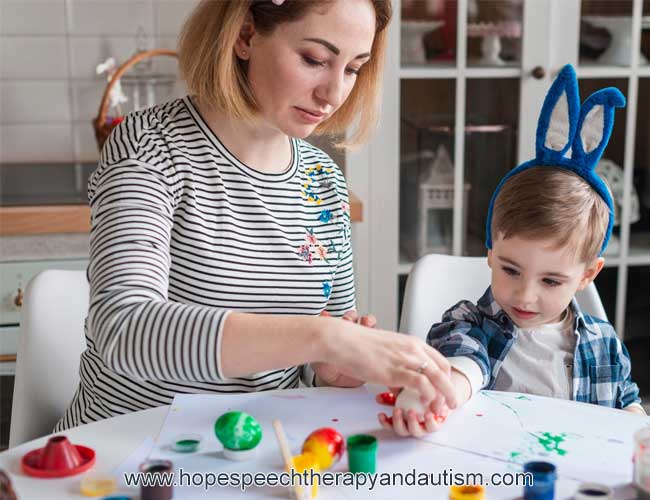
Autism treatment is not a single procedure or a cure. The purpose of therapy is to support the person's development, participation, communication, wellbeing and independence while respecting individual strengths and needs. Hope Centre for Speech Therapy and Autism Treatment describes a multidisciplinary model involving speech therapy, occupational therapy, CBT and behavioural support, allowing different areas of development to be addressed together. For an Online Autism Treatment & Speech Therapy Centre in Brisbane, this type of coordinated approach can be valuable because families can work on communication, behaviour and functional skills within the same overall plan. Queensland's early-intervention system also emphasises multidisciplinary support and transition into kindergarten and school. A good programme should therefore measure meaningful progress, involve parents or carers, and adjust goals as the child's needs change rather than promising a universal outcome.
What Are Special Education and Academic Therapy, and How Can They Support Learning?
Special education provides targeted educational support for students whose disability or learning needs require reasonable adjustments, specialised teaching strategies or additional assistance. Academic therapy is more focused on specific learning difficulties and may address areas such as literacy, numeracy, attention, organisation, comprehension or study skills. The aim is not simply to make a child complete more worksheets; it is to identify barriers to learning and teach strategies that improve participation and independence. In Queensland, schools can access specialist resources and advice for students with disability, including autism-related guidance, speech language pathology and occupational therapy services. Schools also have responsibilities concerning reasonable adjustments. For parents, this means therapy and education should ideally work together. A child may make better progress when therapists understand classroom expectations and educators understand the communication, sensory or learning strategies being used outside school.
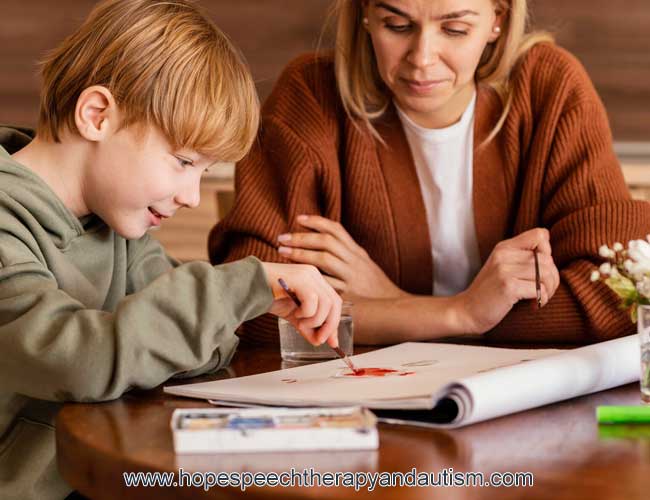
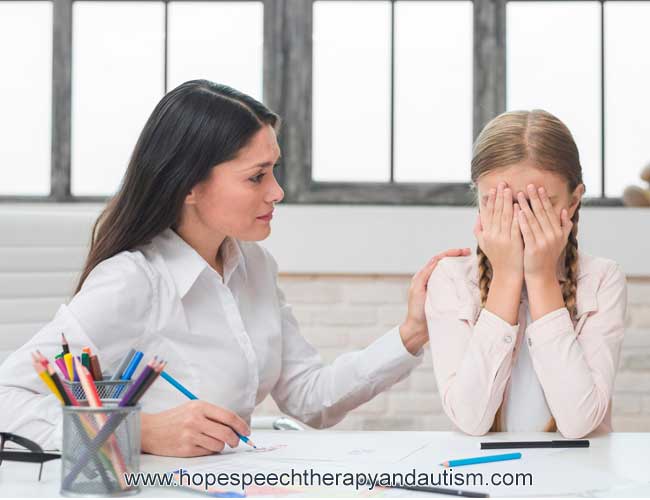
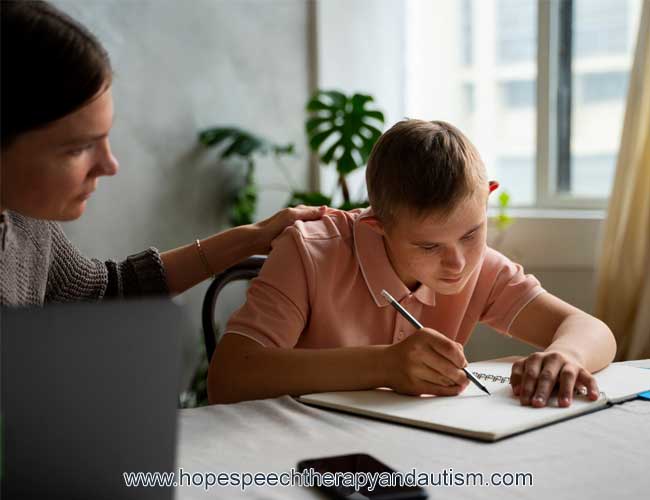
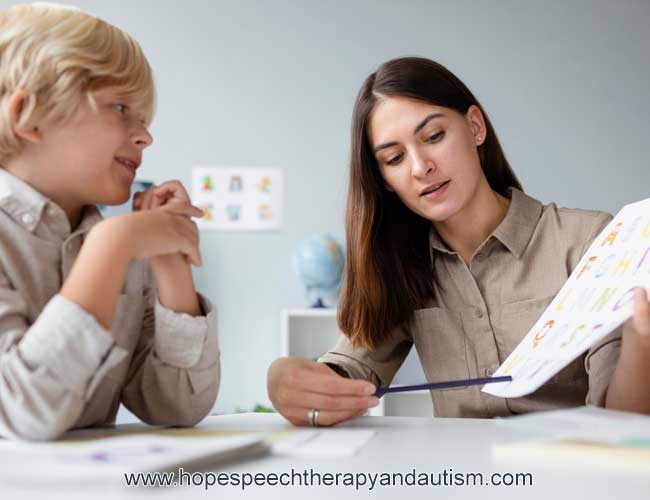
Hope Centre for Speech Therapy and Autism Treatment also provides educational support within its broader multidisciplinary approach. This can be particularly relevant when a child has difficulty keeping up academically because communication, attention, autism-related needs or developmental differences are affecting classroom participation. A useful academic programme should begin by identifying the specific skill that is causing difficulty and then use structured teaching, repetition, visual support and achievable goals where appropriate. Online academic therapy can be practical for families in Brisbane because some activities can be completed from home with a parent or caregiver participating. However, online support should complement rather than replace communication with the child's school. When therapists, families and teachers share appropriate strategies, the child has a better opportunity to practise the same skills across therapy, home and classroom environments.
What Is Occupational Therapy and Sensory Integration Therapy, What Are the Symptoms, and What Treatment Helps?
Occupational therapy helps people develop or maintain the skills required for everyday activities, including personal care, play, school participation, movement, coordination and community activities. For children with developmental or sensory difficulties, an occupational therapist may assess how sensory input, motor planning, coordination, attention or environmental demands affect daily functioning. Sensory differences can involve responses to sound, touch, movement, light, textures or other sensations, but the treatment should be linked to functional goals rather than sensory activities being used without a clear purpose. NDIS guidance recognises occupational therapy as a possible therapy support when it meets the relevant funding requirements and is intended to improve or maintain skills and independence. For families in Brisbane, an assessment can help determine whether occupational therapy is appropriate and which everyday tasks should become the focus of intervention.
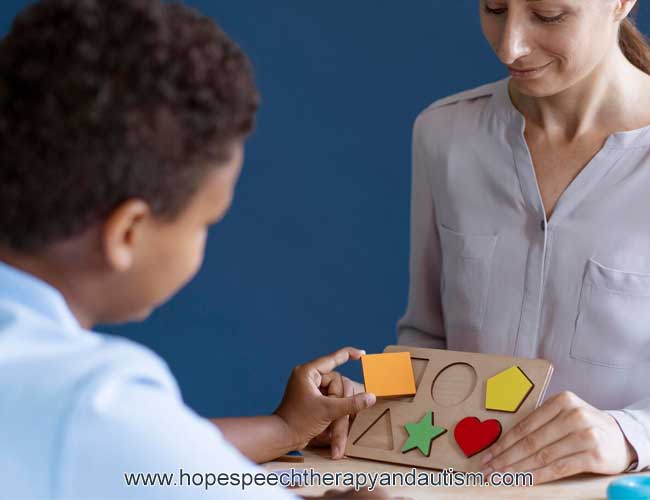
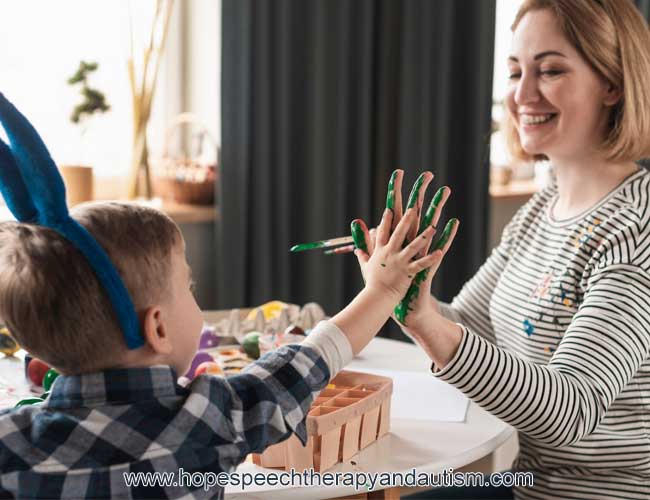

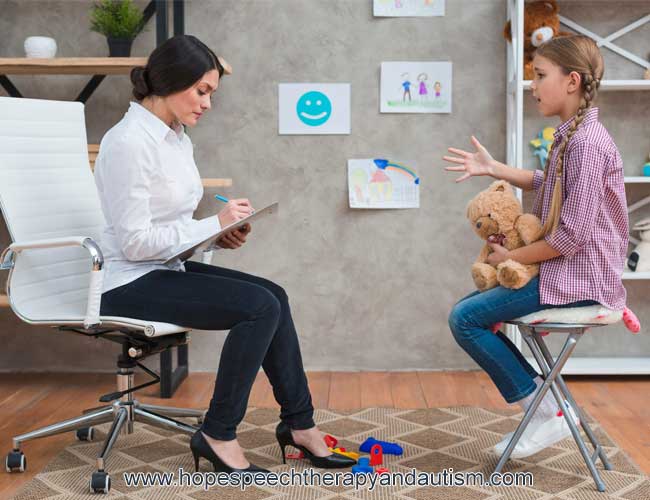
Hope Centre for Speech Therapy and Autism Treatment includes occupational therapy within its multidisciplinary services, making it possible to consider communication, developmental and daily-living needs together. Therapy may focus on practical goals such as improving independence with dressing, feeding routines, handwriting, play, classroom participation or other age-appropriate activities. For an Online Occupational Therapy Centre in Brisbane, the therapist may also coach parents or caregivers to adapt routines and practise specific skills between sessions when remote intervention is suitable. The strongest approach is goal-based: families should be able to understand what skill is being targeted, why it matters and how progress will be observed. If sensory concerns are interfering with school, sleep, eating, self-care or participation, professional assessment can help distinguish sensory-related challenges from other developmental or environmental factors.
What Is CBT, What Symptoms Can It Address, and How Does Treatment Work?
Cognitive Behavioral Therapy, commonly called CBT, is a structured psychological approach that examines the relationship between thoughts, emotions and behaviours. Depending on the person's age and clinical needs, CBT may be used to address difficulties such as anxiety, emotional regulation, unhelpful thought patterns, avoidance and coping with stressful situations. For autistic children and adults, CBT may need to be adapted to communication style, developmental level, cognitive abilities and individual strengths. It is not an autism cure, and it should not be presented as a way to remove autistic characteristics. Instead, appropriately adapted therapy can focus on specific difficulties that are causing distress or limiting participation. In Brisbane, families should look for appropriately qualified professionals and discuss the person's goals before beginning treatment. A careful assessment is important because emotional or behavioural changes can have several possible causes, including communication difficulties, environmental demands and unmet support needs.

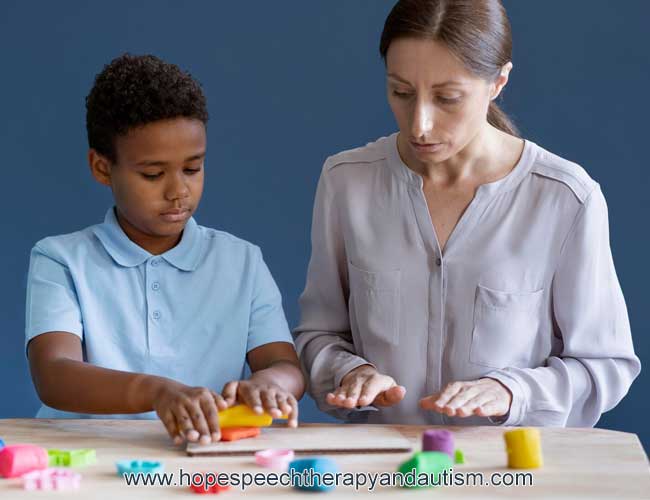
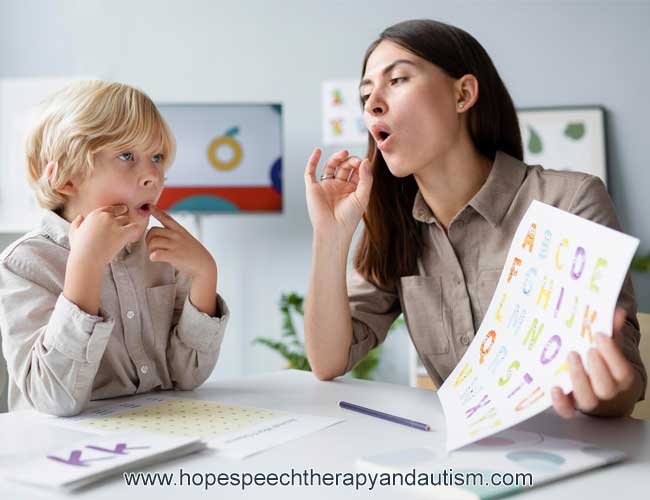

Hope Centre for Speech Therapy and Autism Treatment identifies CBT as part of its multidisciplinary approach, alongside speech and occupational therapy. This combined model can be useful when a child's communication or developmental difficulties overlap with emotional regulation or behavioural challenges. CBT-based intervention should remain individualised, with the therapist choosing language and activities that the person can understand and apply in real situations. For an Online CBT Centre in Brisbane, remote sessions can also involve parents or caregivers where appropriate, particularly for younger children who need support transferring strategies into everyday routines. Practical goals might include recognising emotions, understanding triggers, practising coping strategies or changing patterns that interfere with participation. Families should also ensure that any psychological intervention is delivered by a suitably qualified professional and that progress is reviewed rather than assuming the same method will work for every person.
What Is Hearing Aid Treatment, What Are the Symptoms, and How Can You Find the Best Hearing Aid Centre in Brisbane?
Hearing aid treatment begins with identifying the type and degree of hearing loss rather than choosing a device solely because of a symptom. Possible signs of hearing difficulty include frequently asking people to repeat themselves, difficulty understanding speech in background noise, increasing television volume, unclear responses to spoken instructions or delayed development of speech and language in children. Hearing assessment should be carried out by an appropriately qualified audiology professional, because hearing loss can have different causes and may require medical investigation or other management. Hearing aids are electronic devices that amplify or process sound according to the user's hearing needs, but successful fitting also involves programming, counselling, follow-up and checking how well the person is functioning with the device. For families in Brisbane, early identification of hearing difficulties can be especially important when communication or language development is also a concern.
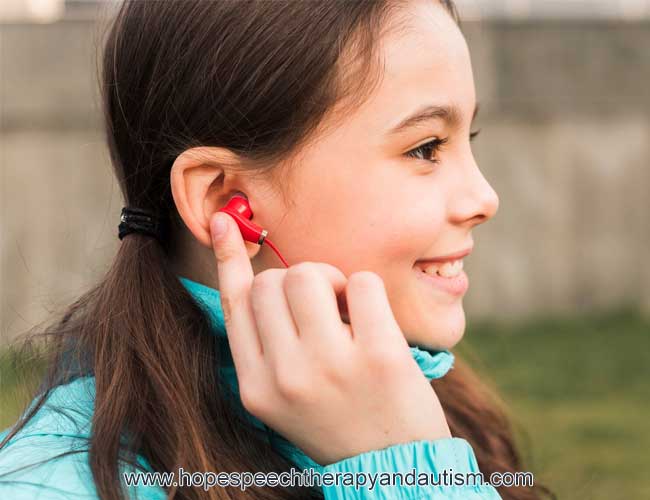
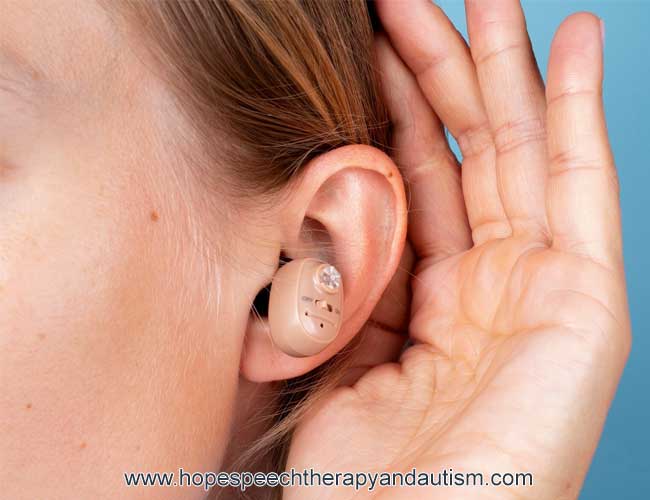
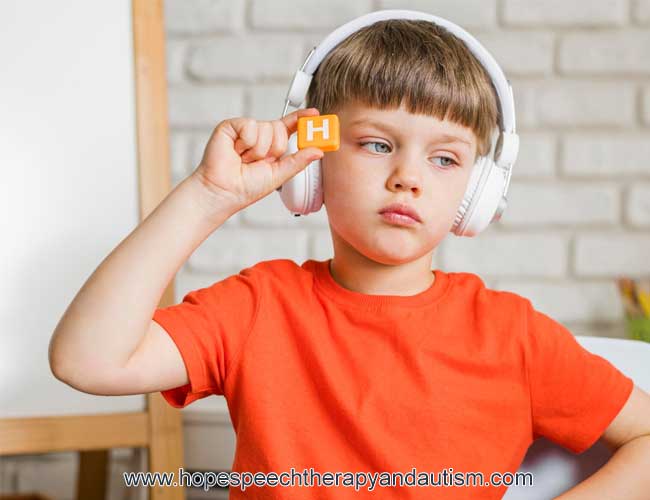

Hope Centre for Speech Therapy and Autism Treatment includes hearing-related support among the broader areas described by the centre, alongside speech, language, autism and occupational therapy services. When hearing difficulty is suspected, the sensible approach is to obtain an appropriate hearing assessment first and then determine whether hearing aids or another intervention is required. Hearing and communication are closely connected, so identifying hearing loss can be particularly relevant when a child is also experiencing delayed speech or difficulty understanding spoken language. Families considering an Online Hearing Aid Treatment Centre in Brisbane should remember that hearing-aid fitting and diagnostic audiology generally require appropriate professional assessment and may require in-person procedures, even when education and follow-up can sometimes be supported remotely. The right device and support plan should be based on hearing results, communication needs, lifestyle and professional recommendations.
Are You Ready to Choose the Right Therapy Support in Brisbane?
Choosing therapy should start with the person's actual needs rather than a generic package of services. Speech therapy may be appropriate for communication difficulties, occupational therapy can address functional participation and daily skills, academic support can target learning barriers, CBT can address specific emotional or behavioural concerns, and hearing services can help when hearing loss affects communication. For children with autism or developmental differences, these services may sometimes need to work together. Queensland's early-intervention and NDIS systems provide pathways for families to explore appropriate supports, but eligibility, funding and service suitability depend on individual circumstances. An effective programme should use qualified professionals, measurable goals, regular review and communication between the people involved in the child's care and education.
Hope Centre for Speech Therapy and Autism Treatment provides a multidisciplinary model covering speech therapy, occupational therapy, autism support, CBT and educational support, with an emphasis on individual needs and functional development. If you are looking for an Online Autism Treatment & Speech Therapy Centre in Brisbane, the next practical step is to discuss the person's concerns, current abilities and therapy goals with a qualified professional. Ask about assessment, treatment methods, expected outcomes, session format and how progress will be monitored. With the right plan and consistent support, therapy can become a practical part of everyday development rather than another source of uncertainty. Contact Hope Centre to discuss your requirements and determine which combination of professional support may be appropriate for your child or family.