
Are You Looking for an Online Autism Treatment & Speech Therapy Centre in Brampton?
Finding the right support for communication, learning, behaviour, sensory needs, or hearing can be difficult for families, especially when several areas overlap. An Online Autism Treatment & Speech Therapy Centre in Brampton can make professional support more accessible by allowing children and families to receive structured therapy from home while staying connected with qualified professionals. Online care can be particularly useful when travel, scheduling, school commitments, or access to specialized providers becomes a challenge. At Hope Centre for Speech Therapy and Autism Treatment, services are designed around individual needs rather than a one-size-fits-all programme. Families can receive guidance in speech and language development, autism support, academic learning, occupational therapy, CBT, and hearing-related care. This article explains what each service involves, which signs may indicate that an assessment is appropriate, and how families in Brampton can approach therapy in a practical and informed way.
Brampton families may also need to understand how therapy fits alongside education and community-based support. In Ontario, children with special education needs may receive support through their school and Individual Education Plans, while autism-related services can involve different professionals depending on the child's developmental profile. Online therapy does not replace medical diagnosis, audiology assessment, or school-based services when those are required, but it can complement them through regular sessions, caregiver guidance, home practice, and progress monitoring. Hope Centre for Speech Therapy and Autism Treatment focuses on making this process understandable for parents and children. Its multidisciplinary approach can help families coordinate goals across communication, behaviour, sensory regulation, academics, and functional development. The purpose is not simply to provide sessions, but to build practical skills that can be used at home, in school, and in everyday interactions.
What Is Speech Therapy, and Which Symptoms Can It Treat?
Speech therapy addresses difficulties involving speech sounds, language, communication, fluency, voice, and in some cases feeding or swallowing. A child may benefit from an assessment when they have difficulty producing particular sounds, understanding instructions, forming sentences, finding words, answering questions, maintaining conversations, or communicating needs effectively. Speech-language pathologists assess communication skills rather than relying on age alone, because children develop language at different rates. Speech therapy in Brampton may include activities that develop vocabulary, sentence structure, speech clarity, social communication, or alternative and augmentative communication when appropriate. The treatment plan depends on the specific difficulty identified during assessment. Early attention can be useful because communication affects participation in family life, school activities, friendships, and learning. Parents should also consider hearing evaluation when speech or language development appears delayed, because hearing difficulties can affect a child's ability to acquire spoken language.

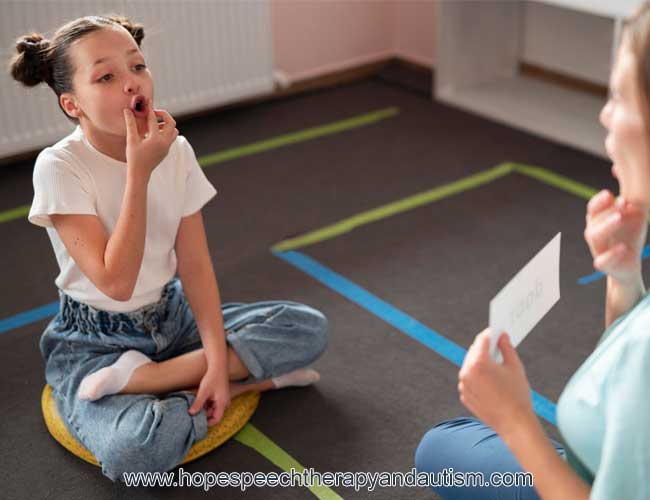
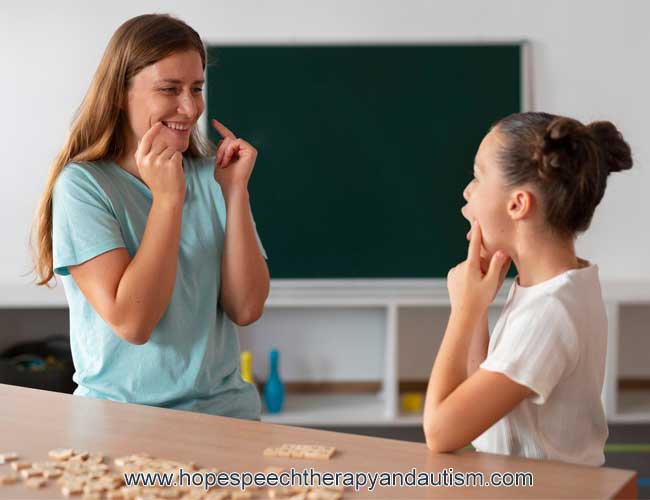
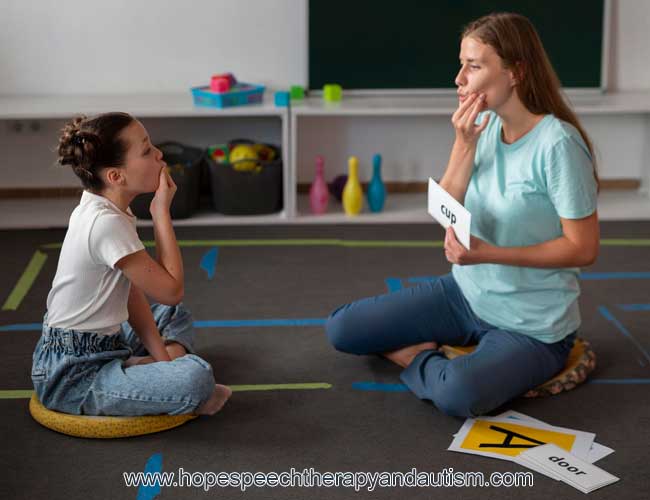
Hope Centre for Speech Therapy and Autism Treatment provides individualized communication support based on the child's assessed needs. Therapy can work on articulation, receptive and expressive language, pragmatic communication, fluency, and functional communication, with parents given practical strategies to continue learning between sessions. For children receiving online services, therapists can use structured activities, visual materials, conversation practice, and caregiver participation to make sessions interactive rather than passive screen time. A strong programme also considers the child's everyday communication environments, including home and school. Families searching for an Online Speech Therapy Centre in Brampton should therefore look beyond the number of sessions offered and ask whether the provider conducts appropriate assessment, sets measurable goals, communicates progress clearly, and adjusts treatment when the child's needs change.
What Is Autism, and What Symptoms and Treatments Should Families Understand?
Autism spectrum disorder is a neurodevelopmental condition associated with differences in social communication and interaction, together with restricted or repetitive behaviours, interests, or activities. Signs can vary considerably from one person to another. Some children may have difficulty with back-and-forth conversation, eye contact or other social cues, flexibility, transitions, or pretend play, while others may show repetitive movements, intense interests, strong preferences for routines, or unusual responses to sensory input. Autism is not identified through a single blood test or screening tool; diagnosis involves developmental history and clinical assessment. Treatment should therefore be individualized rather than based on a single autism therapy. Depending on the child's needs, support may include speech-language therapy, behavioural and developmental interventions, occupational therapy, educational support, social communication training, and caregiver coaching.
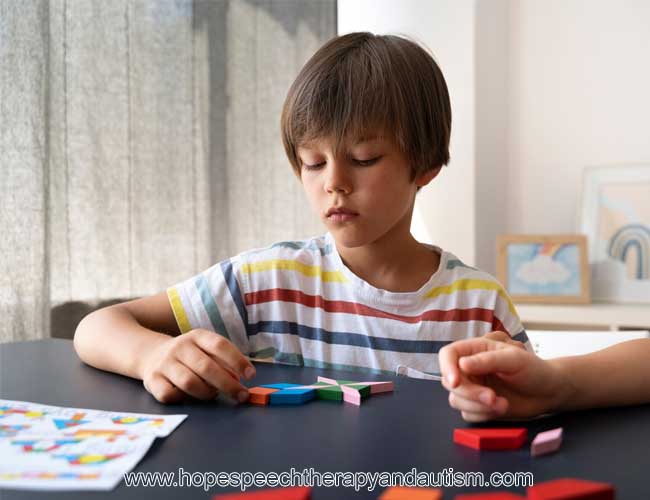
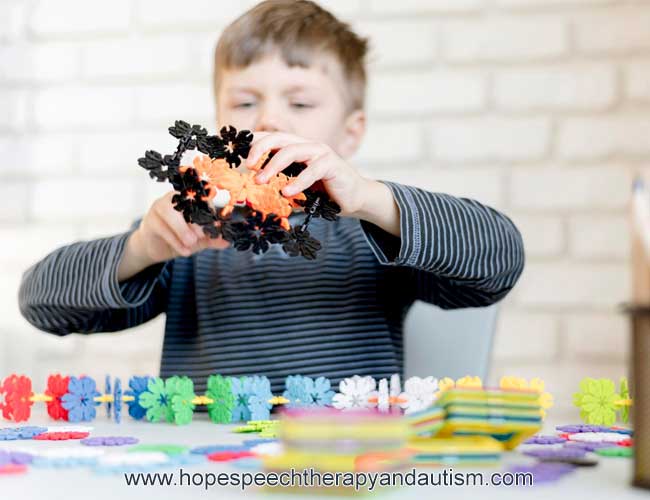
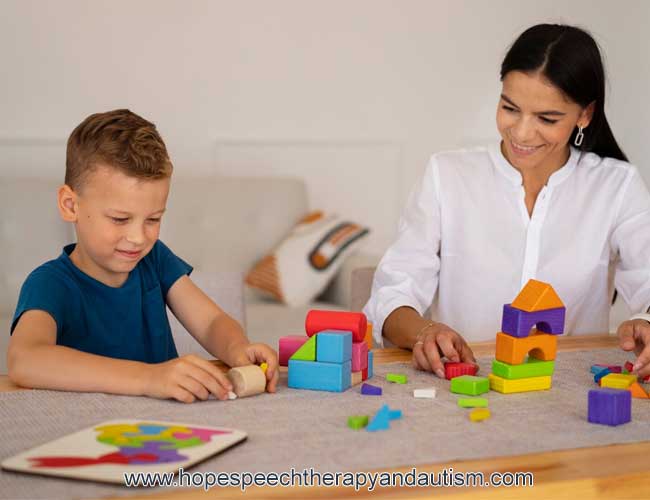
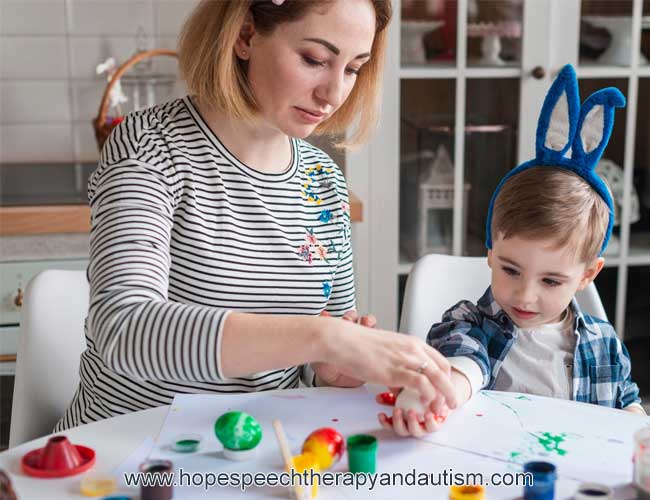
Hope Centre for Speech Therapy and Autism Treatment approaches autism support by identifying the skills that matter most to the individual child. Goals may involve functional communication, social interaction, emotional regulation, daily routines, play skills, attention, or independence. Therapy may also involve parents because consistent responses and practice across daily routines can make intervention more meaningful. For families considering Online Autism Treatment in Brampton, remote sessions can provide structured coaching and therapy while allowing professionals to observe or discuss real situations occurring at home. However, online treatment is not automatically suitable for every child or every goal. A responsible provider should consider age, communication level, attention, technology access, family involvement, and the type of intervention required before recommending virtual care. Progress should be reviewed regularly and the plan adjusted according to measurable needs.
What Is Special Education and Academic Therapy, and Who Can Benefit?
Special education is individualized educational support for students whose learning needs require adaptations, specialized instruction, accommodations, or other educational resources. Academic therapy is more targeted toward specific learning skills and may address areas such as reading, writing, spelling, mathematics, attention, organization, and study strategies. In Ontario, schools may develop an Individual Education Plan for students who require special education support, making it important for parents to understand the difference between clinical therapy and school-based educational planning. A child who struggles academically does not necessarily have a disability, and academic difficulty can have many causes. Proper assessment helps determine whether the challenge relates to language, learning skills, attention, executive functioning, sensory needs, or another factor. Targeted instruction can then focus on the skills the student actually needs rather than repeating material they have already mastered.
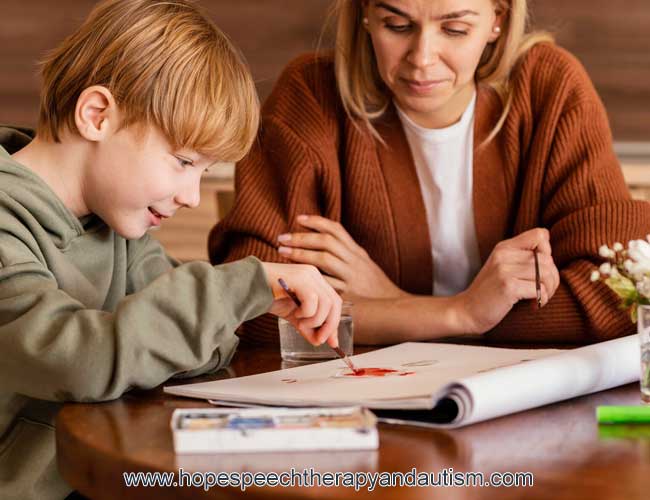
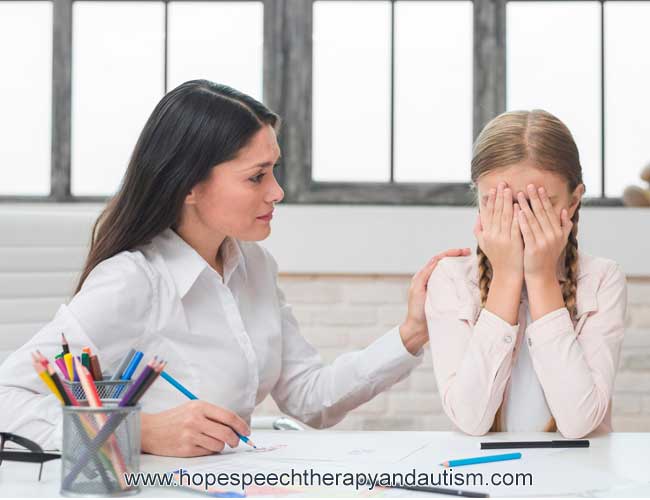
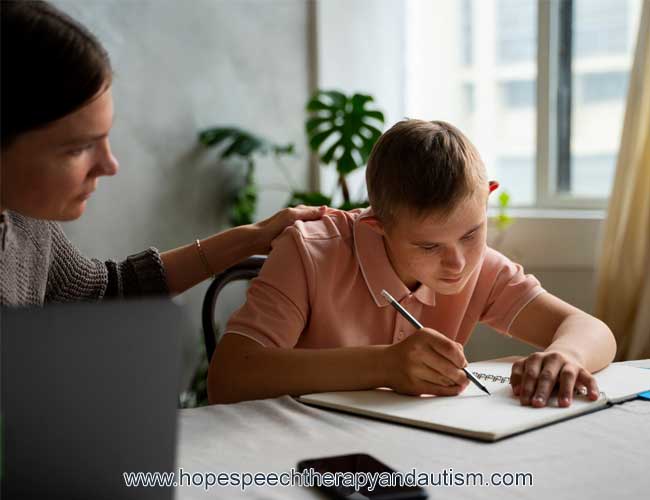
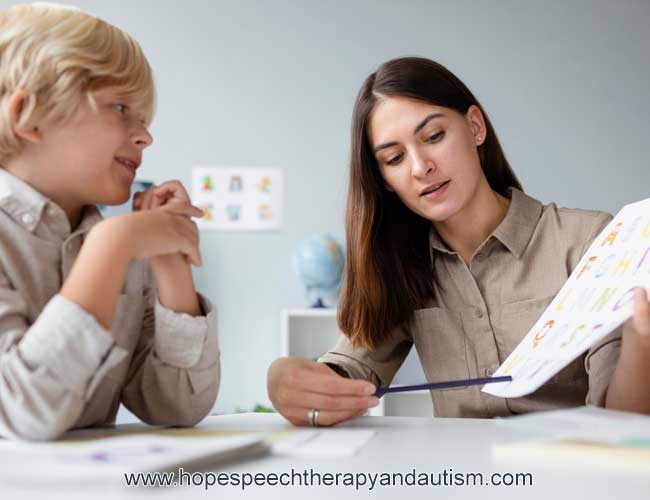
Hope Centre for Speech Therapy and Autism Treatment can support students who need focused academic and developmental guidance alongside their existing education. Sessions can be structured around foundational literacy, numeracy, language-based learning, attention, memory, organization, or other identified areas of difficulty. The value of academic therapy is strongest when goals are specific and progress is monitored instead of relying on general tutoring alone. For a child in Brampton, online sessions may also allow parents to participate more closely and understand how strategies can be continued during homework and daily learning. Professional support should complement, rather than replace, communication with the child's school. Parents can share relevant assessments and school information with therapists so that intervention goals remain practical and consistent with the student's educational needs.
What Is Occupational Therapy and Sensory Integration Therapy, and When Can It Help?
Occupational therapy helps people develop or maintain the skills required for everyday activities, including self-care, school participation, play, fine-motor tasks, and functional routines. Children may be referred when they have difficulty with handwriting, dressing, feeding routines, coordination, motor planning, attention during tasks, or participation in age-appropriate activities. Some children also show sensory processing differences, such as becoming unusually distressed by certain sounds, textures, movement, lights, or touch. Sensory integration approaches may be used by occupational therapists as part of a broader individualized treatment plan. The goal is not simply to expose a child to sensory experiences, but to understand how sensory and motor factors affect functional participation. An appropriate assessment helps identify which activities are difficult and why, allowing therapy to focus on meaningful skills rather than treating sensory preferences in isolation.
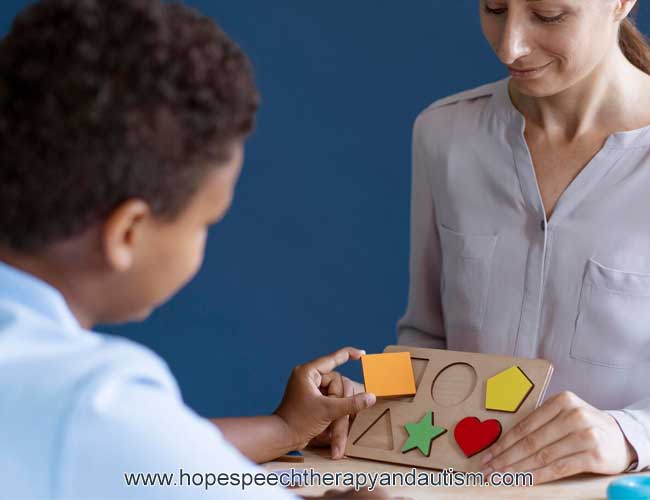
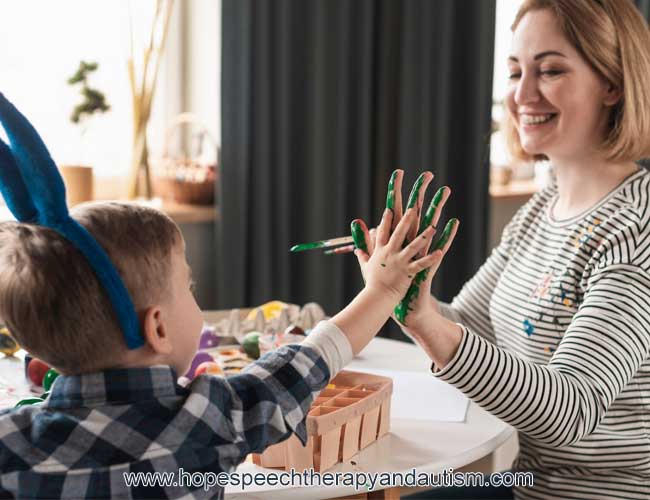

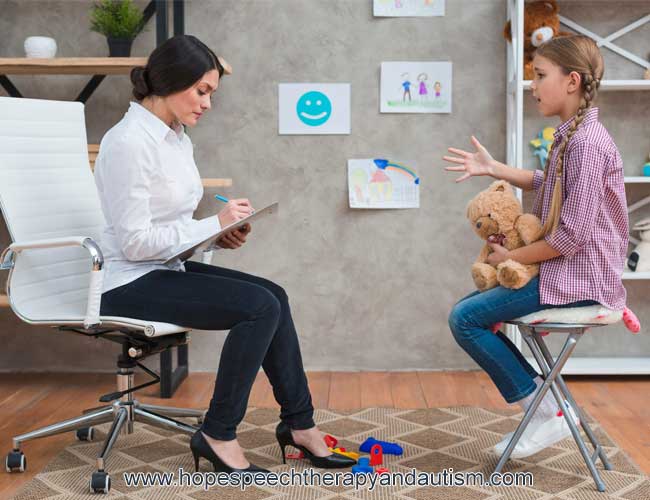
Hope Centre for Speech Therapy and Autism Treatment uses occupational therapy to connect therapeutic goals with the child's real-life routines. A programme may address fine-motor development, functional independence, classroom participation, coordination, or strategies for managing sensory demands that interfere with daily activities. When appropriate, therapists can guide parents through practical activities that can be incorporated into home routines instead of making therapy feel separate from everyday life. Families looking for the Best Occupational Therapy Centre in Brampton should consider the therapist's qualifications, assessment process, individualized goals, communication with caregivers, and willingness to coordinate with other professionals. Online occupational therapy may be appropriate for certain goals, particularly caregiver coaching and home-based strategies, while some children may require hands-on assessment or treatment. The delivery method should therefore be selected according to the child's functional needs rather than convenience alone.
What Is CBT, and How Can Cognitive Behavioral Therapy Support Children?
Cognitive Behavioral Therapy, commonly called CBT, is a structured psychological approach that examines the relationship between thoughts, emotions, and behaviours. It is commonly used for difficulties such as anxiety and certain behavioural or emotional concerns, with techniques adapted according to the person's age and developmental level. CBT does not mean telling a child to simply think positively. Therapy may involve identifying unhelpful thought patterns, understanding emotional triggers, practising coping strategies, gradually approaching feared situations when clinically appropriate, and learning practical problem-solving skills. For children, treatment often uses developmentally suitable language, examples, activities, and caregiver involvement. A proper assessment is important because emotional or behavioural changes can have different causes. CBT should be delivered by an appropriately qualified professional, and the treatment plan should be based on the individual's needs rather than applying the same exercises to every child.

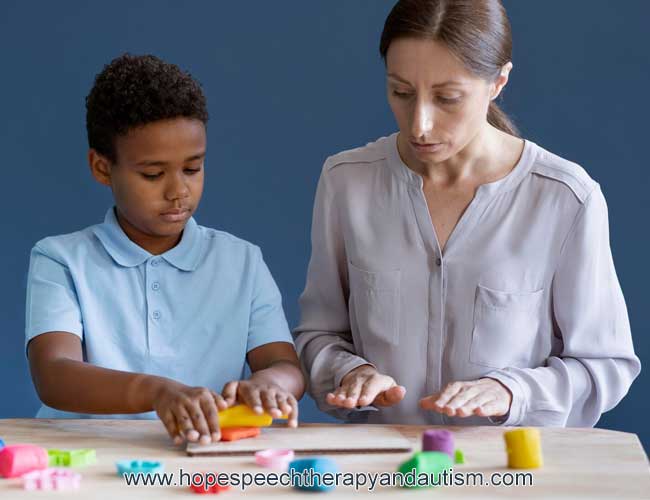
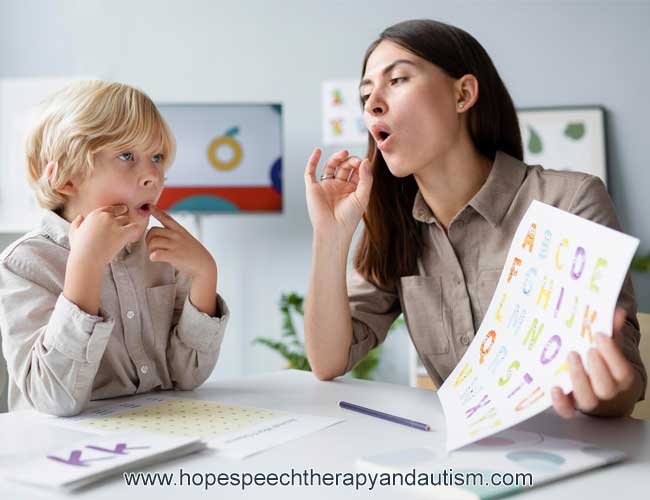

Hope Centre for Speech Therapy and Autism Treatment provides structured support that can help children and families understand emotional and behavioural challenges and practise appropriate coping strategies. Depending on the assessment and professional scope, therapy may focus on anxiety management, emotional awareness, problem-solving, confidence in daily situations, or behaviours that interfere with participation. Online CBT can be practical for some children because sessions can take place in a familiar environment and parents can learn how to reinforce agreed strategies between appointments. Families searching for a Cognitive Behavioral Therapy Centre in Brampton should ask who will provide the service, what concerns the treatment is designed to address, how progress will be evaluated, and how caregivers will be involved. These questions help ensure that therapy is purposeful, developmentally appropriate, and based on an individualized plan rather than generic advice.
What Is Hearing Aid Treatment, and How Can You Choose the Right Hearing Aid Centre in Brampton?
Hearing aid treatment begins with understanding the type and degree of hearing loss rather than selecting a device based only on price or appearance. A comprehensive hearing assessment by an appropriately qualified hearing professional helps determine whether amplification is appropriate and what type of device may suit the person's hearing profile and lifestyle. Children require particular care because hearing affects speech, language, classroom access, and communication development. Signs that warrant hearing assessment can include frequently asking for repetition, difficulty following speech in noisy environments, turning up television volume, inconsistent responses to spoken instructions, or concerns about speech and language development. Hearing aids do not restore normal hearing, but properly fitted devices can provide amplified sound for people who are appropriate candidates. Follow-up is also important because hearing needs, device settings, fit, and listening environments can change over time.

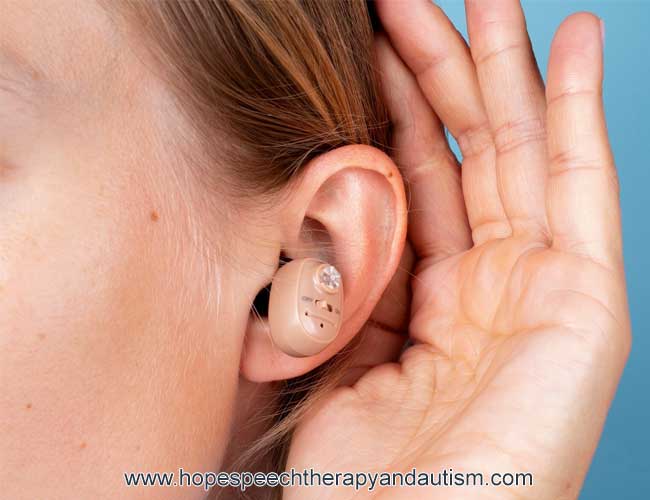

Hope Centre for Speech Therapy and Autism Treatment can help families understand hearing-related concerns and connect hearing support with broader communication needs. When hearing difficulties coexist with speech, language, developmental, or learning concerns, considering these areas together can provide a clearer picture of the child's communication needs. Families seeking the Best Hearing Aid Centre in Brampton should prioritize qualified assessment, appropriate device selection, fitting, counselling, follow-up, and ongoing support rather than relying on a single appointment. For children, collaboration with parents, educators, speech-language professionals, and other relevant providers can also be valuable. Any suspected hearing loss should be properly assessed rather than treated through online advice alone. The right hearing pathway begins with accurate testing and continues with regular review to ensure that the chosen solution remains appropriate.
Are You Ready to Find the Right Therapy Support in Brampton?
Choosing therapy is an important decision, and the most useful starting point is a clear understanding of the child's or adult's actual needs. Speech and language difficulties may require a speech-language assessment, developmental concerns may call for a broader evaluation, academic struggles may benefit from targeted educational support, and sensory or functional difficulties can be explored through occupational therapy. CBT may be appropriate for specific emotional or behavioural concerns, while hearing difficulties require appropriate hearing assessment and professional guidance. For families in Brampton, online care can provide greater flexibility and meaningful caregiver participation when virtual delivery is clinically suitable. Hope Centre for Speech Therapy and Autism Treatment brings these areas together with an individualized approach designed to make therapy practical, structured, and understandable for families.
If you are looking for an Online Autism Treatment & Speech Therapy Centre in Brampton, take the next step by discussing your concerns with Hope Centre for Speech Therapy and Autism Treatment. Share the difficulties you have noticed, any previous assessments or school recommendations, and the goals you would like your child or family member to work toward. A professional assessment can help determine which services are appropriate and whether online therapy is a suitable option. With the right support, families can work toward clearer communication, stronger participation in learning, greater functional independence, and practical strategies for everyday life. Contact Hope Centre for Speech Therapy and Autism Treatment to learn more about the available services and begin planning an individualized path forward.