
Are You Looking for an Online Autism Treatment & Speech Therapy Centre in Australia?
Finding the right support for communication, learning, behaviour, sensory needs, hearing, or developmental challenges can feel overwhelming, particularly when families are trying to understand which therapy is actually suitable. An Online Autism Treatment & Speech Therapy Centre in Australia can make professional support more accessible by connecting children, teenagers, and adults with structured therapy from home. The right approach should always begin with understanding the individual, identifying practical goals, and choosing evidence-informed interventions rather than promising a quick cure. In Australia, allied health services can include speech pathology, occupational therapy, psychology, developmental education, and audiology, while eligible people may also access relevant supports through programs such as the National Disability Insurance Scheme (NDIS).
Hope Centre for Speech Therapy and Autism Treatment focuses on practical, individualised support that can help families work towards meaningful improvements in communication, participation, learning, independence, and everyday functioning. Online sessions can be particularly useful when travel, distance, scheduling, or access to specialised services makes regular face-to-face appointments difficult. This guide explains what each major therapy involves, the signs that may indicate a need for assessment, and how professional intervention can support development. Whether you are searching for speech therapy, autism support, academic therapy, sensory integration therapy, CBT, or hearing aid guidance in Australia, understanding the purpose of each service can help you make a more informed decision.
What Is Speech Therapy, and What Are Its Symptoms and Treatment Options?
Speech therapy, commonly provided by a speech pathologist in Australia, addresses difficulties involving speech sounds, language, communication, social communication, fluency, voice, and in some cases feeding or swallowing. Children may need assessment when they are significantly behind expected communication milestones, are difficult to understand, struggle to follow or use language, have persistent stuttering, or find social communication challenging. Adults may require support after neurological conditions, injury, hearing loss, or other communication difficulties. Assessment helps identify the specific nature of the problem instead of treating every communication difficulty in the same way. Treatment may involve sound production practice, language activities, vocabulary development, communication strategies, fluency techniques, social communication work, or alternative and augmentative communication when appropriate.

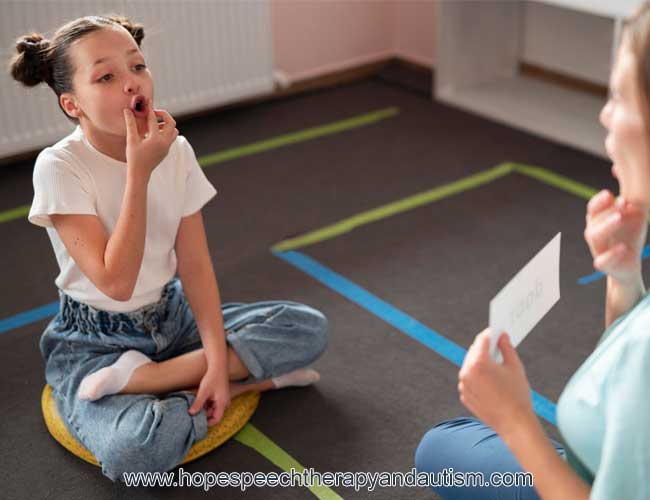
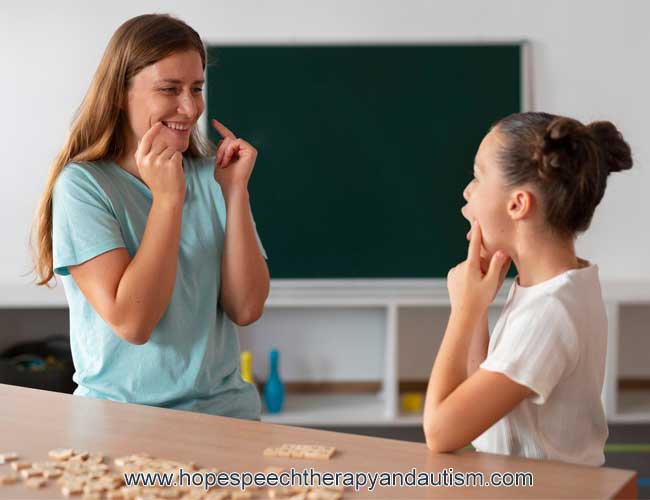
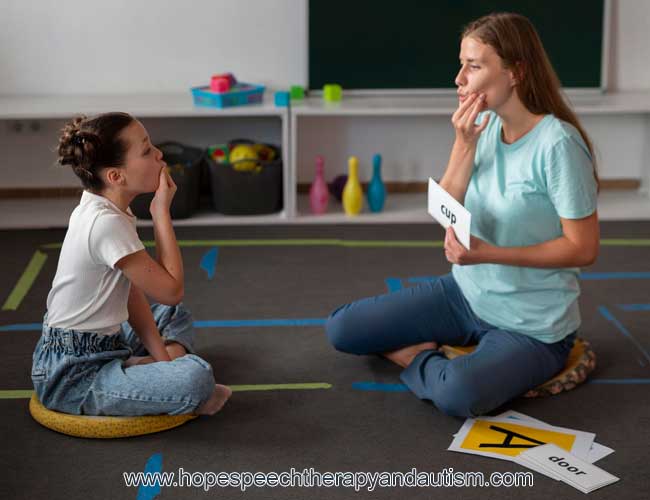
Hope Centre for Speech Therapy and Autism Treatment provides structured speech and communication support designed around the person's current abilities and functional goals. The focus is not simply on producing clearer words but on helping the person communicate more effectively in real situations, including home, education, social activities, and daily routines. Online speech therapy can allow parents or caregivers to participate directly and practise recommended strategies between sessions. Families looking for an Online Autism Treatment & Speech Therapy Centre in Australia can therefore consider a service that combines professional assessment, measurable goals, regular progress review, and practical home-based strategies rather than relying on generic exercises. Consistent therapy and active family involvement can make communication practice more meaningful and easier to carry into everyday life.
What Is Autism, and What Are Its Symptoms and Treatment Options?
Autism is a lifelong neurodevelopmental condition that affects people differently. Common characteristics can include differences in social communication and interaction, restricted or repetitive behaviours, focused interests, preference for routines, and differences in sensory processing. Some autistic people may have difficulty understanding social cues, maintaining conversations, coping with unexpected changes, or communicating their needs, while others may have fewer observable difficulties in some areas. Autism is not defined by intelligence, and support needs can vary considerably. Diagnosis is normally based on developmental history, observation, and standardised assessment by appropriately qualified professionals. Treatment does not mean curing autism; instead, evidence-informed support aims to build useful skills, improve participation, reduce barriers, and help the person communicate and function more comfortably in everyday environments.
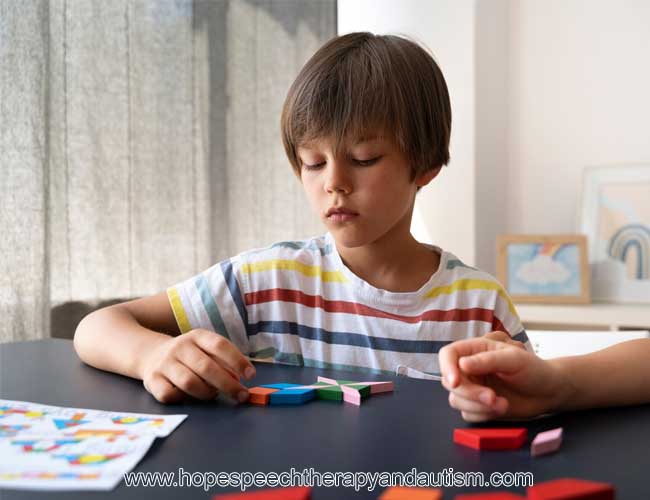
Hope Centre for Speech Therapy and Autism Treatment approaches autism support according to individual strengths, communication abilities, developmental needs, and family priorities. Support may involve speech therapy, occupational therapy, academic intervention, behavioural and emotional strategies, social communication development, and parent guidance when these services are appropriate. For families using Australian disability supports, eligibility and funding arrangements should be checked against current NDIS requirements rather than assumed. A personalised plan can address practical goals such as communicating needs, following routines, participating in learning, managing sensory challenges, improving independence, or developing social confidence. As an Online Autism Treatment & Speech Therapy Centre in Australia, Hope Centre can provide accessible sessions that allow families to engage with therapy from a familiar environment while maintaining a structured and goal-focused approach.
What Is Special Education and Academic Therapy, and How Can It Support Learning?
Special education and academic therapy are designed to address learning needs that may not be adequately supported by a standard classroom approach. A child may require additional assistance because of developmental differences, autism, language difficulties, dyslexia, attention challenges, intellectual disability, or other barriers affecting academic participation. Support can focus on foundational literacy, reading comprehension, written expression, spelling, numeracy, attention to learning tasks, organisation, and study skills. Effective intervention should begin with identifying the learner's current abilities and specific difficulties rather than assuming that every child needs the same teaching method. Goals should be practical and measurable, with teaching strategies adjusted according to progress. Collaboration between families, educators, therapists, and other professionals can also help ensure that skills practised during therapy are relevant to the learner's actual educational environment.
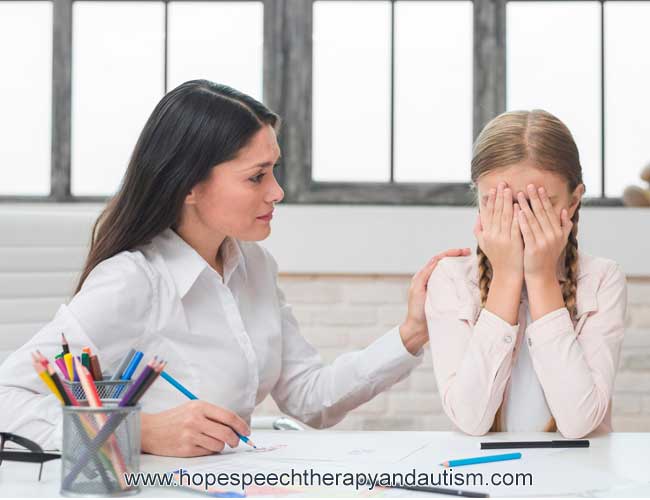
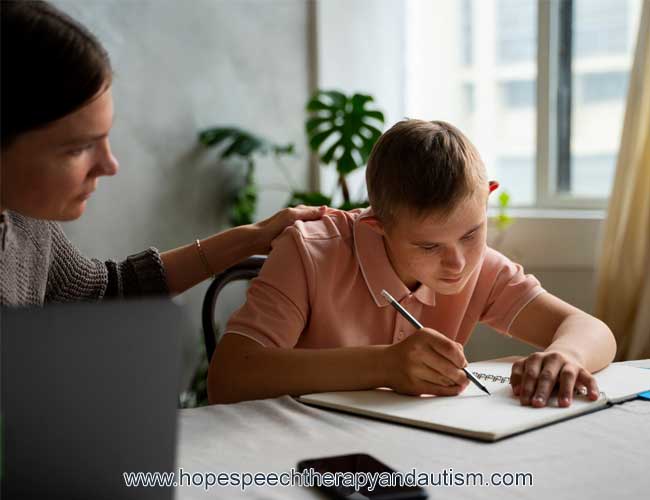
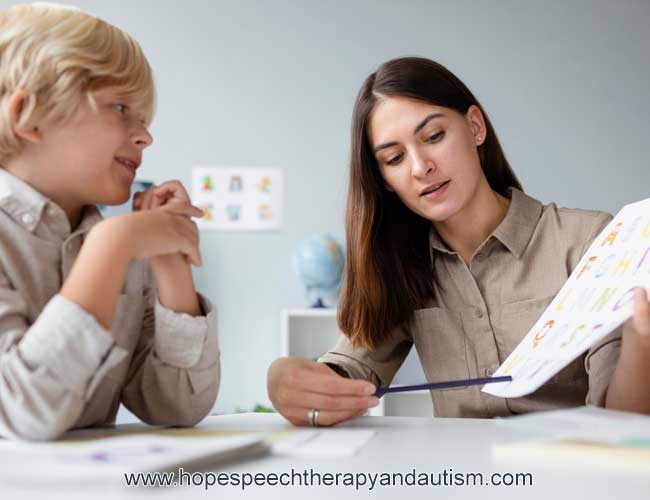
Hope Centre for Speech Therapy and Autism Treatment provides individualised academic support that aims to make learning more manageable, structured, and meaningful. Sessions can be adapted to the learner's pace and may use repetition, visual supports, guided practice, and targeted instruction according to identified needs. Online delivery can also make it easier for parents to observe teaching methods and continue appropriate practice between sessions. For families searching for an Online Autism Treatment & Speech Therapy Centre in Australia, academic therapy can complement communication and developmental services when learning difficulties are connected with broader developmental needs. The goal is not to replace school education but to provide focused intervention that strengthens specific skills and supports greater confidence and independence in learning.
What Is Occupational Therapy and Sensory Integration Therapy, and What Are the Symptoms and Treatment Options?
Occupational therapy helps people participate more effectively in everyday activities such as dressing, eating, handwriting, studying, playing, working, and managing personal routines. For children with developmental differences or autism, occupational therapy may address fine motor skills, coordination, self-care, emotional regulation, attention, and sensory responses that interfere with daily participation. Sensory processing differences can involve unusually strong or reduced responses to sounds, touch, movement, textures, lights, or other environmental experiences. Assessment is important because sensory behaviours can have different causes and should not automatically be treated with the same intervention. An occupational therapist considers the person's abilities, environment, activities, and goals before recommending strategies. Treatment may include skill-building activities, environmental modifications, practical routines, and carefully selected sensory strategies that support participation rather than simply attempting to eliminate sensory behaviours.
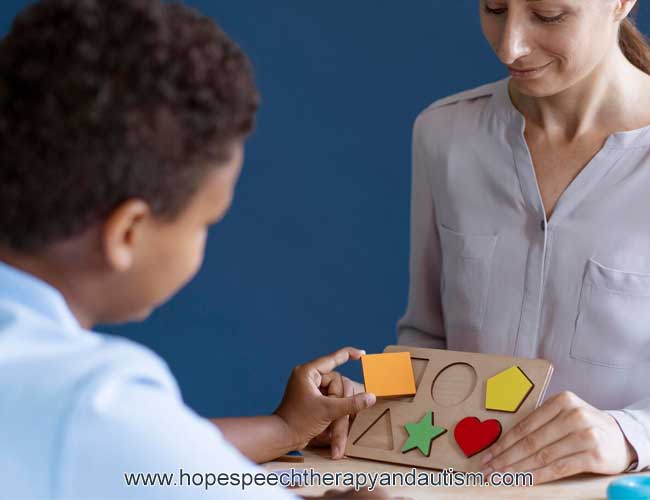
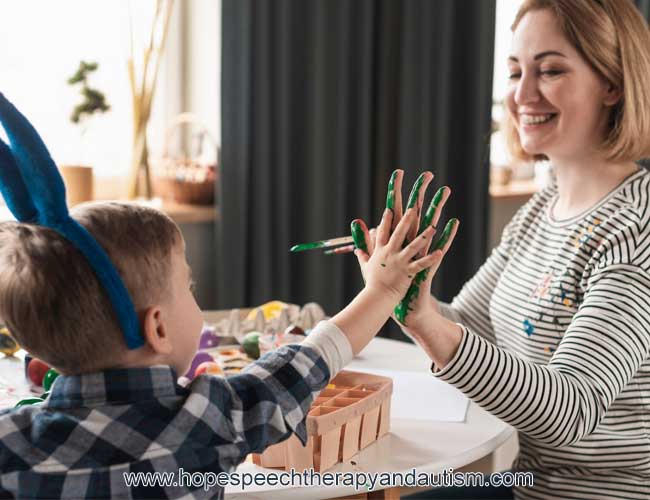

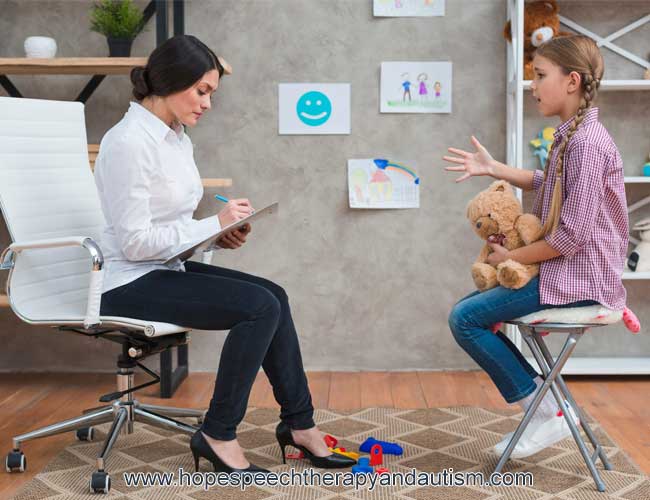
Hope Centre for Speech Therapy and Autism Treatment can support families seeking structured occupational and sensory-focused intervention by connecting therapy goals with everyday activities. Instead of treating sensory needs in isolation, a practical plan can consider how sensory responses affect classroom participation, communication, self-care, sleep routines, play, or family activities. Occupational therapy in Australia is provided by qualified professionals who assess functional needs and develop strategies according to individual goals. Online support can also provide parents with guidance on adapting routines and environments at home. Families looking for an Online Autism Treatment & Speech Therapy Centre in Australia may benefit from an integrated approach in which occupational therapy works alongside speech, academic, and developmental interventions when clinically appropriate and useful for the individual's goals.
What Is CBT, and What Are the Symptoms, Treatment Options, and Benefits of Cognitive Behavioral Therapy?
Cognitive Behavioral Therapy, or CBT, is a structured psychological therapy that explores connections between thoughts, emotions, and behaviours. It can be useful for children, teenagers, and adults experiencing difficulties such as anxiety, persistent worries, low mood, avoidance, emotional regulation challenges, or unhelpful thinking patterns when a qualified clinician considers CBT appropriate. CBT does not treat autism itself, but adapted CBT can help some autistic people manage associated emotional or mental health difficulties. Therapy generally involves identifying patterns, learning practical coping strategies, practising new responses, and reviewing progress over time. For children, approaches may be adapted to developmental level and may involve parents or caregivers. A proper assessment is important because psychological support should be matched to the individual's communication abilities, cognitive profile, circumstances, and specific concerns.

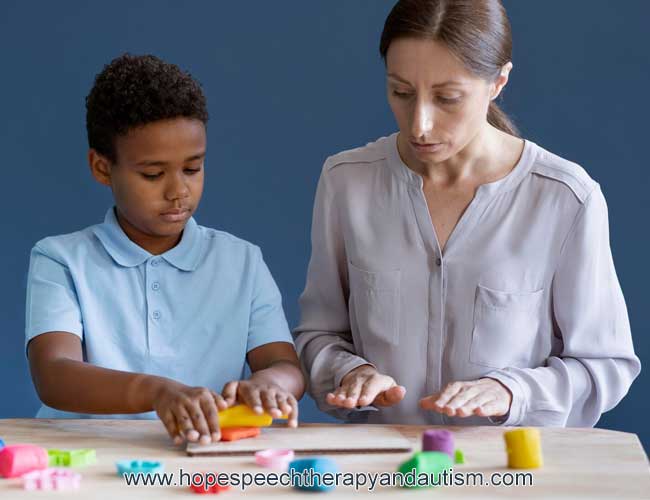
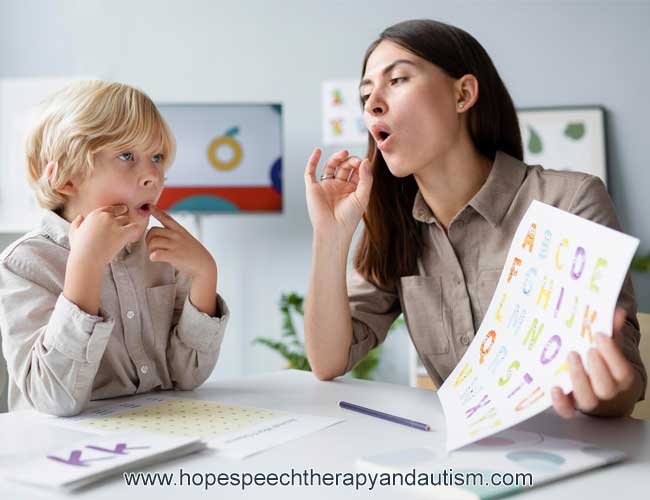

Hope Centre for Speech Therapy and Autism Treatment provides supportive, goal-oriented intervention for individuals who may benefit from psychological and behavioural strategies. The emphasis is on teaching practical skills that can be used beyond the therapy session, such as recognising emotions, understanding thought patterns, coping with challenging situations, and developing more effective responses. Online CBT can be particularly convenient for families who prefer therapy from home, although suitability depends on the person's needs, communication abilities, and clinical assessment. As an Online Autism Treatment & Speech Therapy Centre in Australia, Hope Centre aims to bring different areas of developmental support together when appropriate, helping families avoid disconnected interventions and focus instead on clear goals, consistent strategies, and measurable progress.
What Is Hearing Aid Treatment, and What Are the Symptoms, Treatment Options, and Best Hearing Aid Centre Choices in Australia?
Hearing aid treatment begins with identifying whether hearing loss is present and determining its type and degree through appropriate hearing assessment. Signs can include frequently asking people to repeat themselves, difficulty understanding conversations in noisy environments, turning up television volume, withdrawing from conversations, or noticing that sounds are less clear than before. Hearing aids are electronic devices that amplify and process sound according to the user's hearing needs, and they should be selected and programmed by an appropriately qualified hearing professional. Treatment is not simply about choosing the most expensive device; factors such as hearing loss, lifestyle, communication environments, comfort, technology, budget, and ongoing support all matter. Depending on eligibility, Australian Government hearing programs can also provide free or subsidised hearing services and devices to some eligible people.
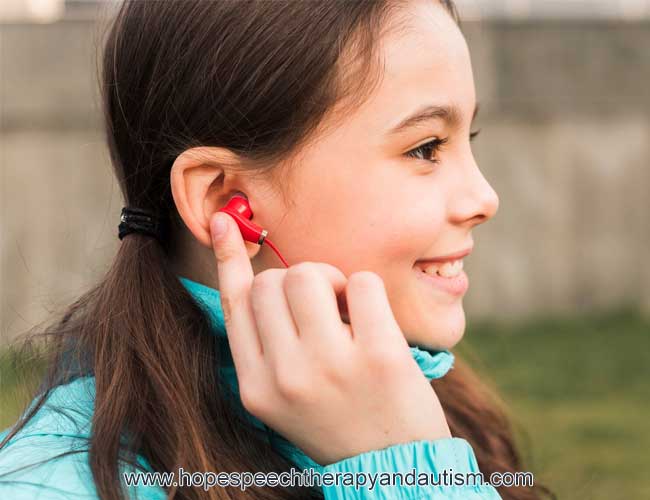
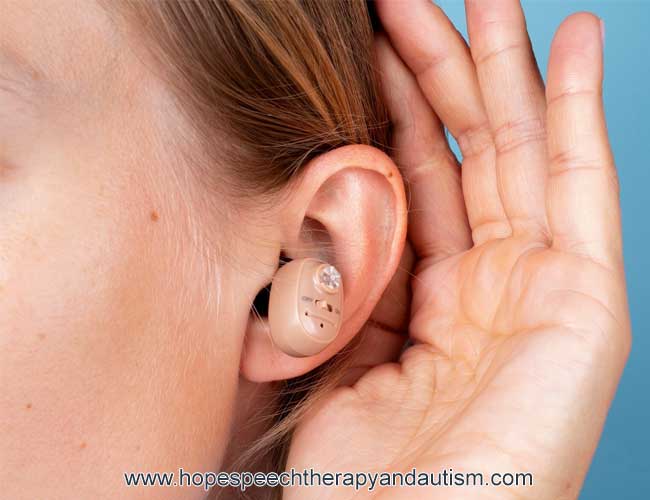
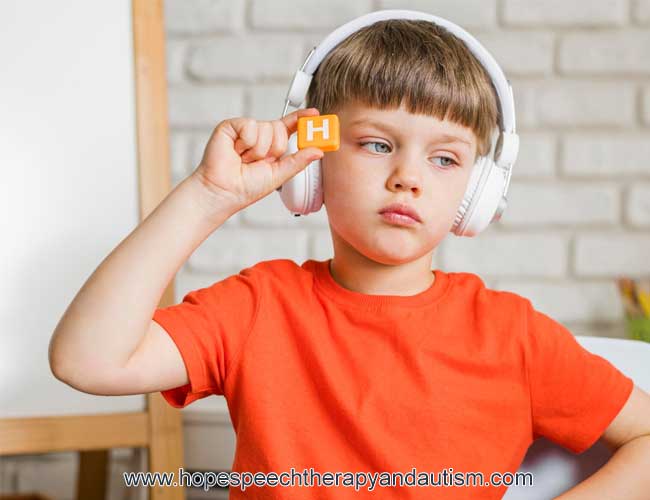

Hope Centre for Speech Therapy and Autism Treatment recognises that hearing and communication are closely connected, particularly for children whose speech and language development may be affected by reduced access to sound. Appropriate hearing assessment and professional guidance can help determine whether hearing aids or another hearing solution may be suitable. Families should also understand that hearing aids do not restore normal hearing and may require adjustment as the user becomes accustomed to amplified sound. For anyone searching for an Online Autism Treatment & Speech Therapy Centre in Australia, remote support can complement professional hearing services by helping families understand communication strategies and developmental needs, while hearing assessment, fitting, programming, and device management remain responsibilities for suitably qualified hearing professionals. This coordinated approach can help families make informed decisions without treating every communication difficulty as an autism or speech problem.
Are You Ready to Choose the Right Therapy Support in Australia?
Choosing therapy should begin with the person's actual needs rather than a generic list of services. Speech therapy can address communication, occupational therapy can support everyday functioning and sensory needs, academic therapy can target specific learning barriers, CBT can support emotional and behavioural challenges, autism intervention can develop practical life skills, and hearing services can address communication barriers associated with hearing loss. These services can sometimes work together, but each should have a clear purpose and be delivered by appropriately qualified professionals. An Online Autism Treatment & Speech Therapy Centre in Australia can be a convenient option for families seeking accessible support, particularly when online sessions fit the individual's needs and goals.
Hope Centre for Speech Therapy and Autism Treatment is committed to providing structured, individual-focused support that helps families understand their options and work towards meaningful goals. If you are concerned about speech, communication, autism-related developmental needs, learning, sensory processing, emotional wellbeing, or hearing, the next step is to arrange an appropriate assessment and discuss the most suitable intervention. Contact Hope Centre for Speech Therapy and Autism Treatment to learn more about available services, online therapy options, assessment pathways, and how a personalised plan can support your child or family member across everyday life.